Fix Anterior Pelvic Tilt Fast With These Proven Workout Corrections
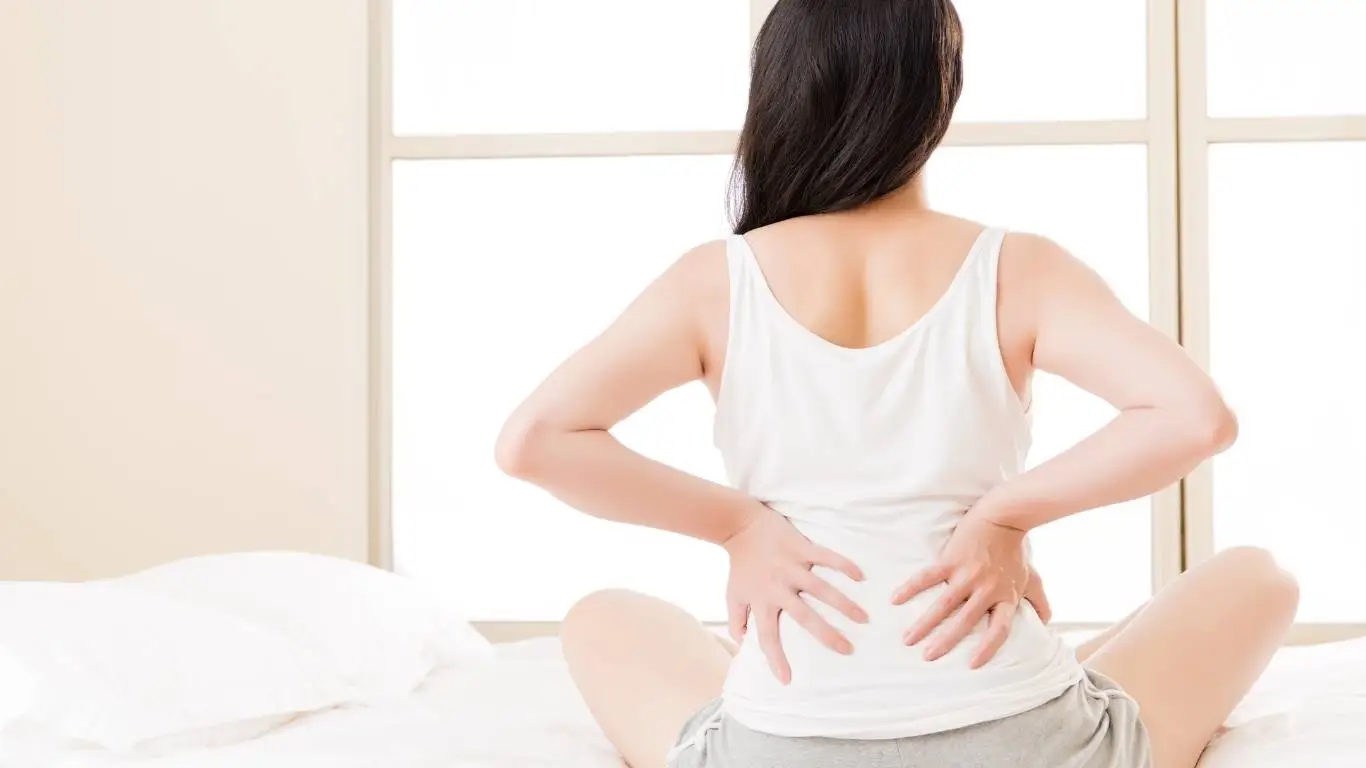
If you’ve ever caught your reflection and thought, “Wait, why am I leaning forward like that?” — you might be dealing with anterior pelvic tilt. It’s one of those posture quirks that sneaks up on you, usually after years of desk jobs, skipping leg day, or just not paying attention to how we move. I first noticed it during my third month of remote work — lower back aches, stiff hips, and my core feeling like it retired early. What helped me? A consistent, no-fluff workout routine tailored specifically to fix anterior pelvic tilt. Let’s walk through it, with the exercises and lifestyle tweaks that actually worked — not the trendy internet fluff.
What is Anterior Pelvic Tilt (APT)?

APT is a postural imbalance where the front of the pelvis tilts forward and the back rises. It exaggerates the natural curve of the lower spine — think of it like your pelvis tipping forward, sticking your butt out, and pulling your stomach down. This posture puts unnecessary strain on the lower back and hamstrings and weakens the core and glutes.
Common Causes of Anterior Pelvic Tilt
- Prolonged sitting (especially slouching or hunching)
- Overly tight hip flexors and lower back muscles
- Weak abdominal and glute muscles
- Lack of mobility in the thoracic spine and hamstrings
It’s not just about poor posture — it’s also about muscle imbalances and lifestyle. This article on how poor posture causes chronic back pain covers the deeper implications really well.
Anterior Pelvic Tilt Workout Corrections That Actually Work
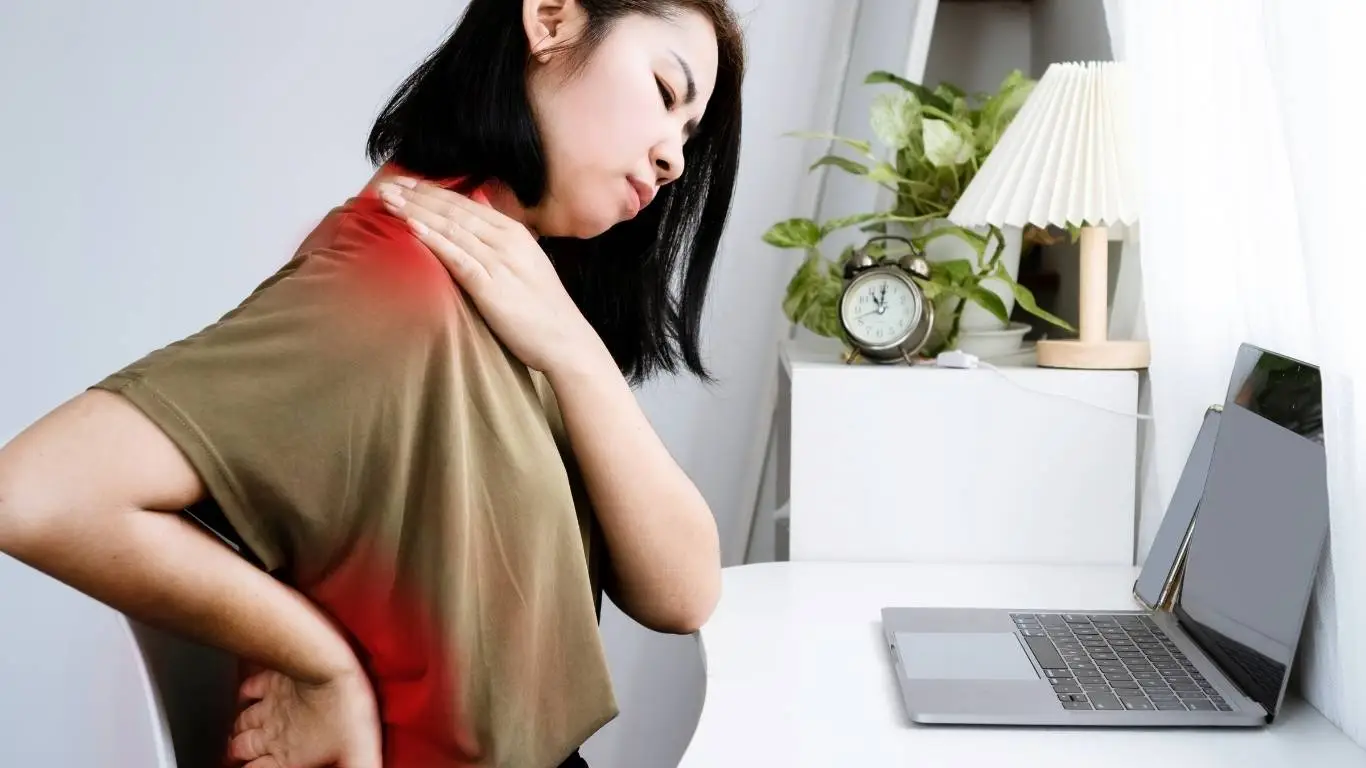
When I started fixing my anterior pelvic tilt, I thought stretching would be enough. It wasn’t. What made a real difference? A smart mix of targeted strength training and active mobility — done consistently, not perfectly.
1. Release Tight Hip Flexors
Tight hip flexors are a major culprit in APT. If you sit a lot (guilty), they tighten up and tilt your pelvis forward.
- Kneeling Hip Flexor Stretch – Keep your spine neutral and squeeze the glute of your back leg.
- Psoas Release with a foam roller or massage ball — surprisingly painful but extremely effective.
Here’s an in-depth guide on how tight hamstrings and hip flexors play a role in back pain.
2. Strengthen Weak Glutes
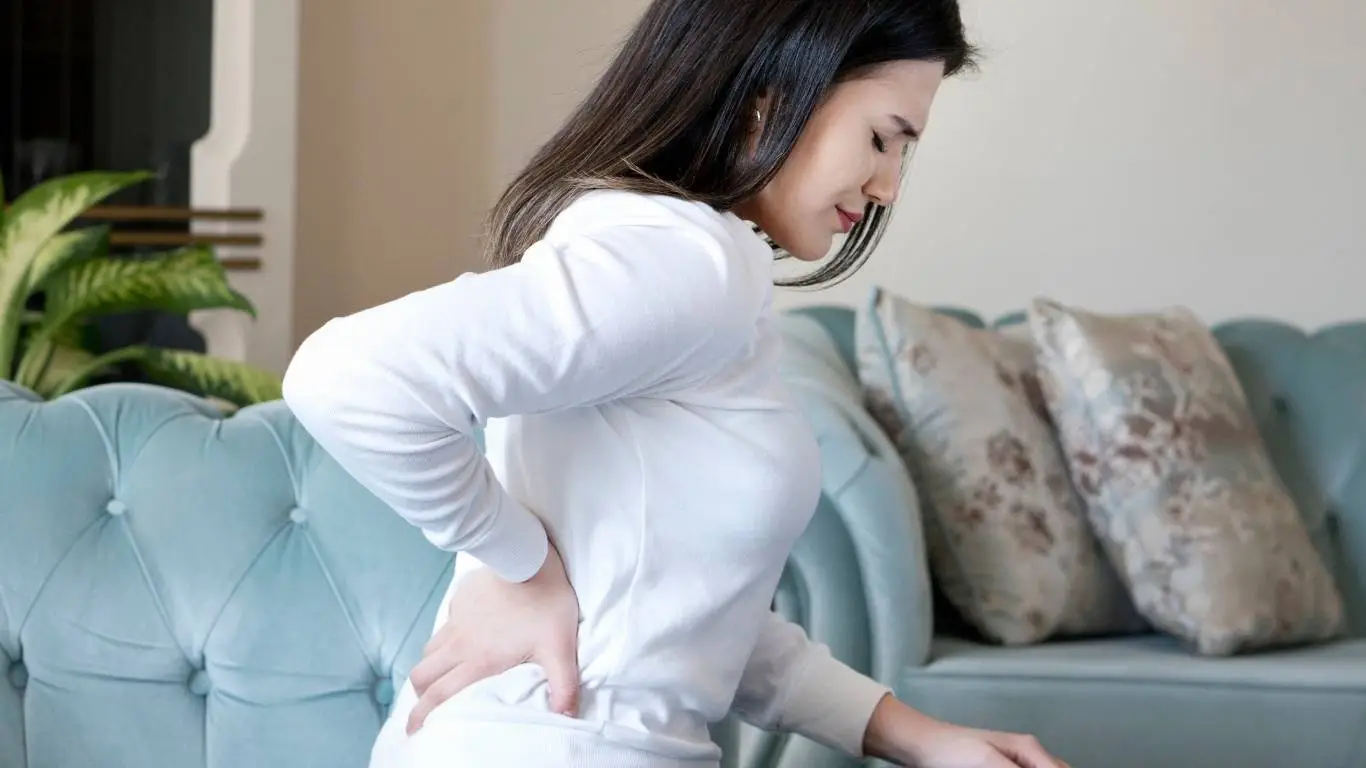
In most people with APT, the glutes are just… asleep. You need to wake them up and train them to do their job in posture control.
- Glute bridges – Squeeze at the top, hold for 2-3 seconds.
- Resistance band lateral walks – Focus on tension throughout.
- Step-ups – Think controlled movement over speed.
I found this helpful after reading about the importance of glute activation for lower back relief.
3. Engage and Strengthen the Core
Anterior pelvic tilt isn’t just about the pelvis — your core plays a massive role in stabilizing everything.
- Dead bugs – Engage deep core muscles without straining the back.
- Plank variations – Add leg lifts or forearm taps to keep it dynamic.
- Bird dogs – Core and glute synergy in one move.
Want to dive deeper into how weak core muscles affect pelvic and spinal alignment? Check out this post on muscle imbalances and back pain.
Improve Posture and Movement Patterns

Even the best exercises won’t help if your daily posture keeps wrecking your progress. Think of this as the silent killer of good form. Here’s what helped me fix my daily habits:
Tips for Daily Posture Correction
- Standing posture: Slight bend in knees, glutes lightly engaged, core on.
- Sitting posture: Hips above knees, lumbar support, frequent breaks.
- Walking pattern: Push through the glutes, not the toes.
This guide on how sitting affects back health really helped me rethink my desk setup.
Supportive Tools and Ergonomics
- Use a standing desk intermittently — here’s why.
- Invest in a good lumbar support cushion — life-changing for me during road trips.
- Swap your chair for an ergonomic one if you sit all day. This post on ergonomic chairs for back pain helped me pick mine.
When to See a Pro
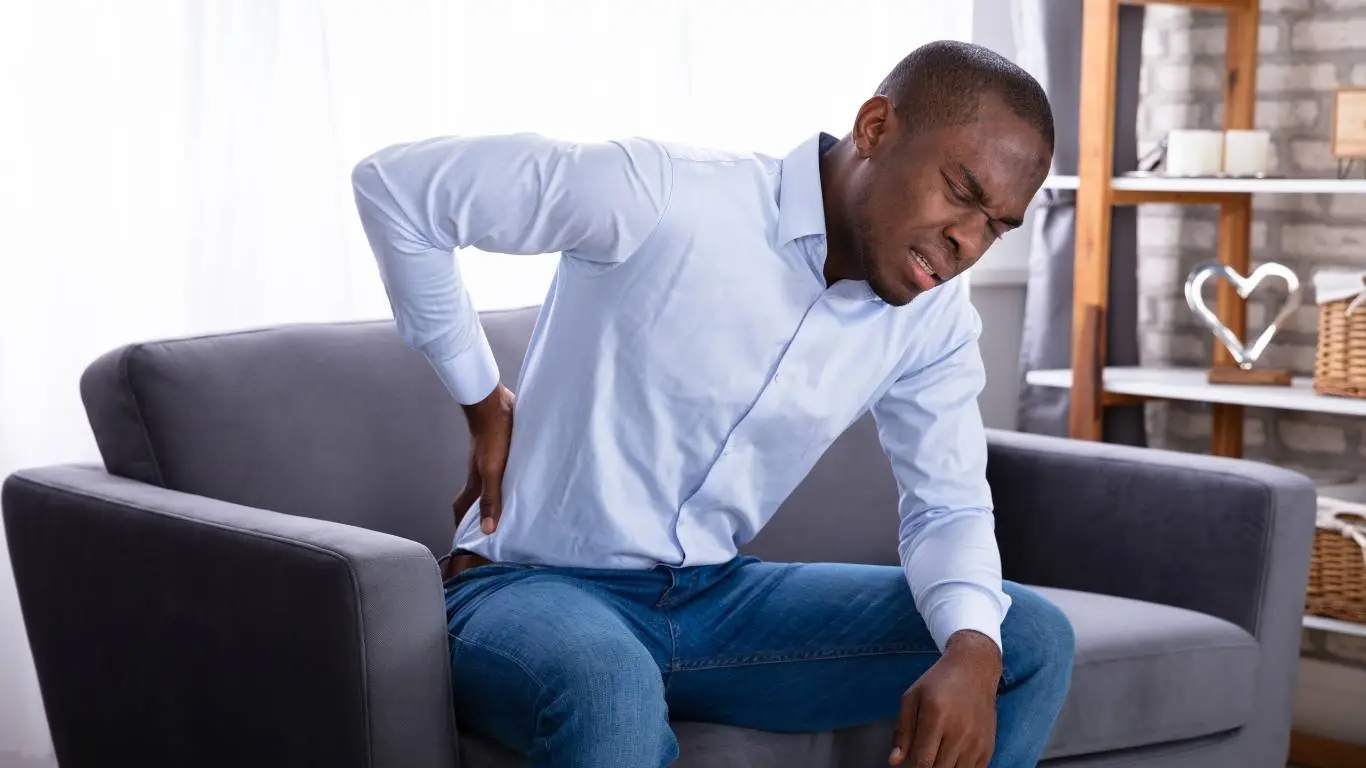
If you’ve been doing all the right exercises for weeks and still feel stuck — it might be time to get evaluated by a physical therapist. Sometimes the issue isn’t just muscle tightness or weakness, but joint restrictions or neurological patterns. MRI and diagnostics may uncover underlying factors that exercises alone can’t fix.
For a broader look at how these conditions are treated conservatively, see conservative treatment options for back pain. And for a full understanding of how posture issues like APT tie into general back health, explore the main pillar on back pain.
Advanced Anterior Pelvic Tilt Corrections
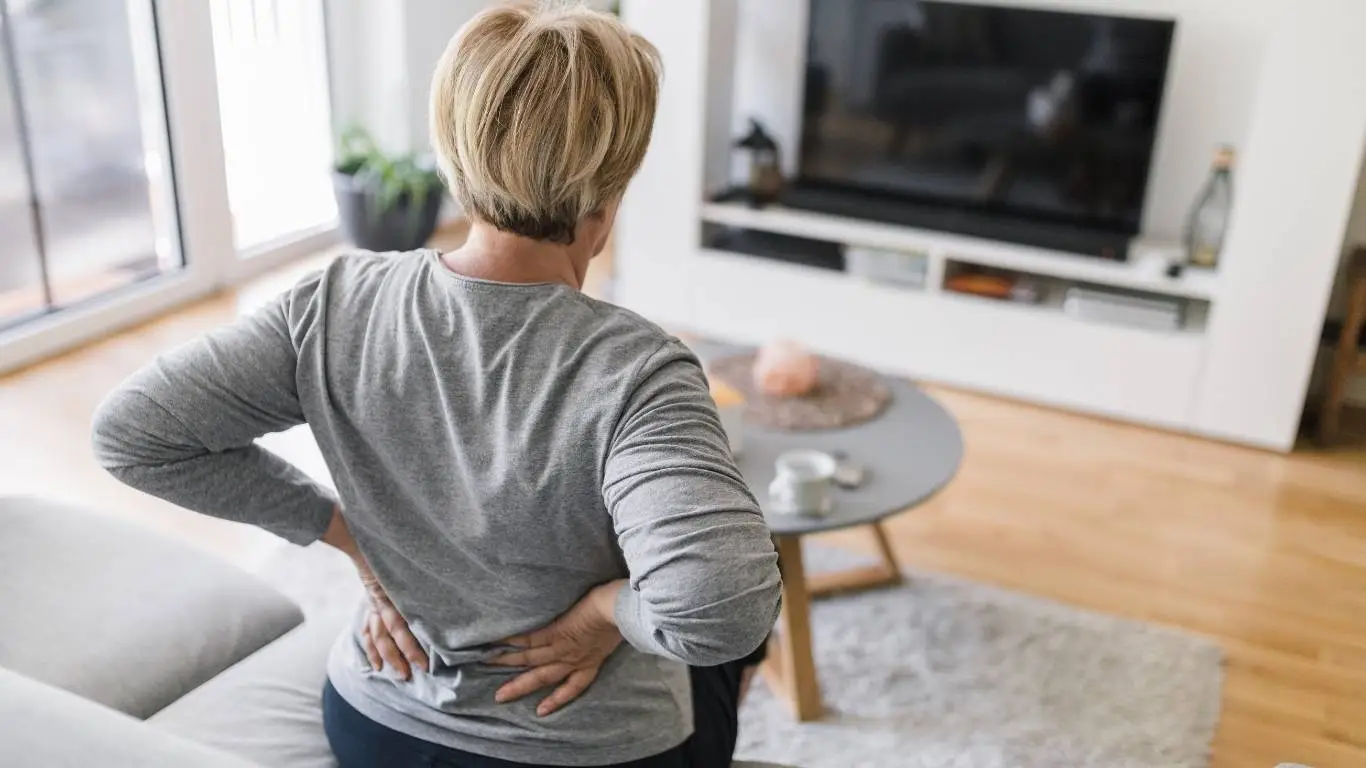
Once you’ve nailed the basics, it’s time to go deeper. Correcting anterior pelvic tilt isn’t just about undoing damage — it’s about creating a new default for your body. This means layering in more dynamic, functional movements and lifestyle upgrades that reinforce your progress.
Mobility Work That Changes the Game
When I started focusing more on mobility, I noticed my back pain eased even more — especially after long car rides or sitting through meetings. These moves are gold:
- World’s Greatest Stretch – This one earns its name. Opens hips, stretches the spine, and resets posture in one smooth flow.
- 90/90 Hip Mobility Drill – Helps with internal and external rotation of the hip, key for fixing APT.
- Thoracic Extensions over foam roller – Loosens the upper back and prevents that forward-leaning compensation.
If you’re not already doing these a few times a week, I highly recommend it — especially after reading this article on morning stiffness. Mobility makes all the difference first thing in the day.
Train Movement, Not Just Muscles

The mistake I made early on? Isolating everything. But your body doesn’t move in parts — it moves as a system. Here’s how to train smarter:
- Loaded Carries – Farmer’s carries with proper posture reinforce spinal alignment and core stability under load.
- Single-leg Deadlifts – Builds posterior chain strength, balance, and core activation — all while training your pelvis to stay neutral.
- Functional squats – Not just heavy lifting, but mobility-focused squats with emphasis on form, tempo, and depth.
To reinforce this movement pattern idea, explore the broader implications in this rehabilitation and ergonomics guide.
Daily Habits That Undermine or Reinforce Progress
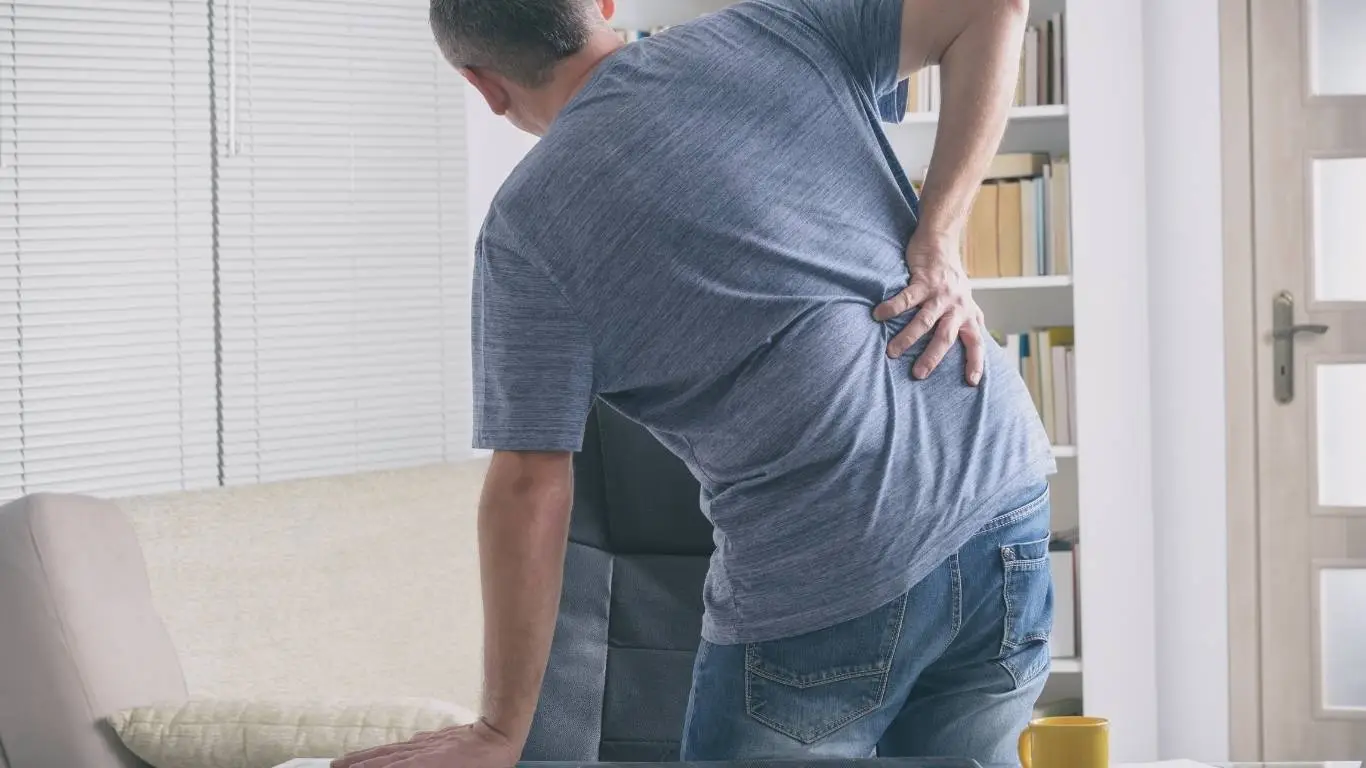
You can crush your workouts, but if your daily habits contradict them, you’ll stay stuck. I had to change a lot: how I sat, how I stood while brushing my teeth, even how I drove. The little stuff matters more than you think.
Micro-Adjustments That Actually Stick
- Walk with intention – Glutes on, ribs down, core slightly braced. You don’t need a military posture — just awareness.
- Get up hourly – Even 1-2 minutes of standing resets your hip flexors and spine.
- Use a posture-cue device or app – I used one on my smartwatch to buzz me if I slouched for too long.
For those with long commutes or seated work, check this post on why labor habits worsen posture — it’s eye-opening, even if you’re not in a labor-heavy job.
Nutrition’s Role in Recovery

You’d think fixing your pelvis is just a physical thing, right? Not always. What you eat plays a role in recovery and reducing pain from chronic tension or inflammation.
What Worked For Me
- More magnesium and potassium-rich foods – Helped reduce tightness and spasms in my hip flexors and hamstrings.
- Anti-inflammatory focus – I leaned on turmeric, fatty fish, and leafy greens hard.
- Cutting back sugar and alcohol – Honestly, this helped me feel way less stiff in the morning.
This piece on anti-inflammatory diets for back pain breaks it down beautifully.
Mind-Muscle Connection and Pelvic Awareness

I didn’t expect mindfulness to matter much in this journey, but once I started incorporating it — everything clicked. Being aware of your pelvis and spine, even when walking, makes your corrections automatic over time.
Simple Ways to Reinforce Pelvic Neutral
- Pelvic tilts on the floor – Lay on your back, feet flat, then gently tuck and release. Do this slowly and with intention.
- Wall posture checks – Back to the wall, make sure head, shoulder blades, and tailbone touch. This became my quick reset after long days.
- Breathwork – Diaphragmatic breathing not only calms the nervous system, it reactivates the core and helps with pelvic control.
The mental link between posture and pain is real. Dive deeper into the emotional and mental angles in this overview of back pain and mental health.
When It’s Not Just APT

Sometimes, anterior pelvic tilt is just part of the picture. It might be accompanied by other postural or structural issues: scoliosis, disc bulges, or sacroiliac joint dysfunction. I learned this the hard way — my APT correction stalled until a specialist noticed my sacrum alignment was off.
Know When to Dig Deeper
- If your pain radiates or shoots down the legs — check for lumbar nerve involvement.
- Sharp pain in the tailbone area? Might be coccyx dysfunction.
- Unbalanced posture from side to side? Could be scoliosis-related.
To explore how all types of structural problems can affect back health, head to the full guide on back pain anatomy and types. You can also review the core back pain foundation pillar to understand how multiple factors intertwine.

Camellia Wulansari is a dedicated Medical Assistant at a local clinic and a passionate health writer at Healthusias.com. With years of hands-on experience in patient care and a deep interest in preventive medicine, she bridges the gap between clinical knowledge and accessible health information. Camellia specializes in writing about digestive health, chronic conditions like GERD and hypertension, respiratory issues, and autoimmune diseases, aiming to empower readers with practical, easy-to-understand insights. When she’s not assisting patients or writing, you’ll find her enjoying quiet mornings with coffee and a medical journal in hand—or jamming to her favorite metal band, Lamb of God.