Why Anxiety About Attending Social Events Alone Feels Overwhelming
There’s something uniquely terrifying about walking into a crowded room alone—especially when it feels like everyone else already knows someone. I used to come up with the most creative excuses just to dodge those situations. It’s not that I don’t like people. I do. But the idea of navigating small talk, wandering aimlessly looking for someone to talk to, and feeling like the odd one out? That kind of anxiety can be paralyzing.
Why Social Events Can Trigger Deep Anxiety When You’re Alone
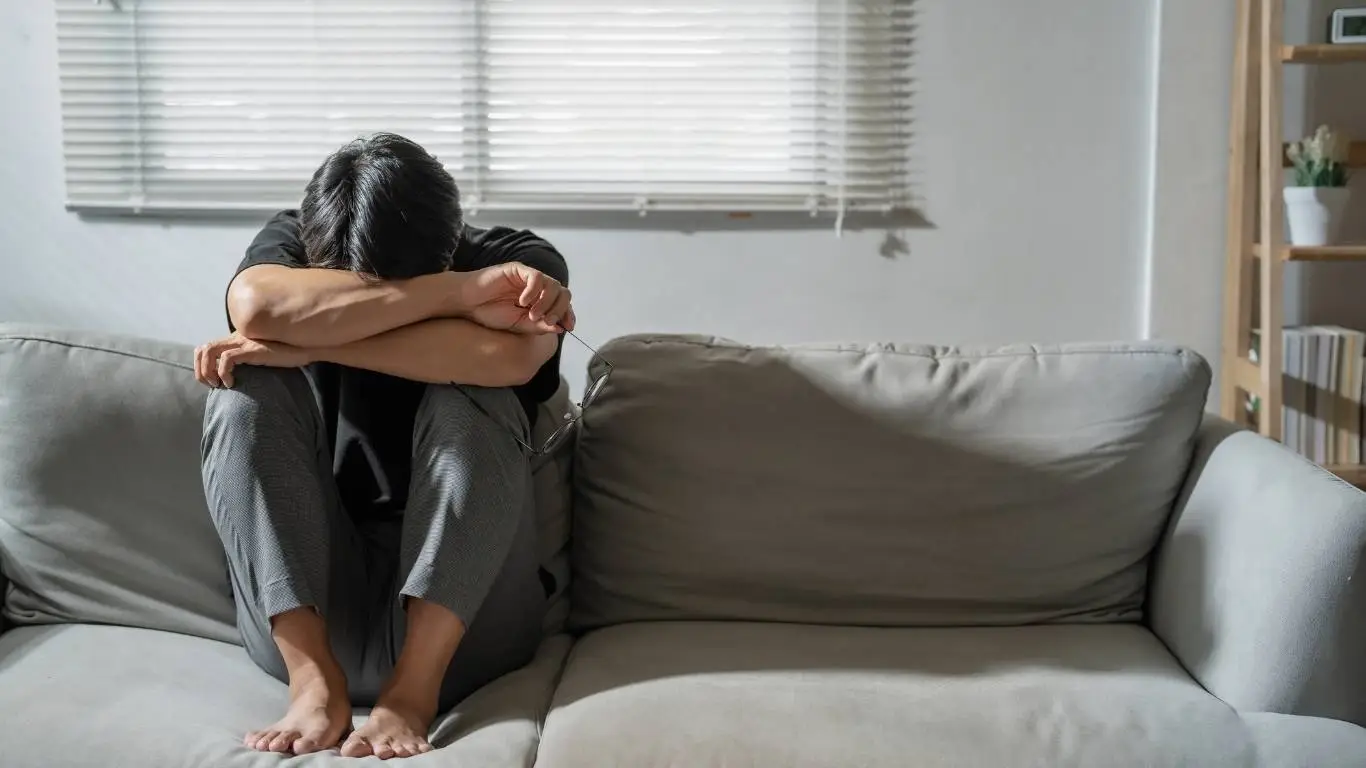
It’s not just shyness or introversion. When you experience anxiety about attending social events alone, it can tap into deeper fears—like being judged, rejected, or even invisible. For many, it’s not just nerves; it’s a visceral reaction that sets your heart racing before you even leave the house.
The Fear of Being the “Awkward One”
For me, the dread often began hours before the event. I’d imagine every possible awkward scenario: standing in the corner, pretending to text, or forcing a smile when I’d rather disappear. And while I knew most people were probably too caught up in their own stuff to notice, the anxiety convinced me otherwise.
The Brain’s False Alarms
What I learned later is that this kind of anxiety is deeply rooted in our nervous system. According to the National Institute of Mental Health, social anxiety disorder affects millions of people—and often goes undiagnosed. Our brains are wired to protect us from perceived threats, even if the “threat” is just a conversation with a stranger holding a plastic cup.
What Makes Solo Attendance Feel So Much Harder

Hyperawareness of Everyone Around You
One of the things I noticed most was how hyperaware I became when I walked into a room alone. Every laugh across the room felt like it was about me. Every group felt closed off, like I wasn’t welcome. Of course, that wasn’t reality, but anxiety rarely listens to logic.
Lack of a “Safety Person”
When you attend a social event with a friend, you have a buffer—someone to talk to, someone to “hide” with. Alone? You’re fully exposed. No emotional shield. That alone can spike anxiety levels in even the most outgoing person.
Decision Fatigue
Without someone to nudge you into conversations or help decide where to stand, what to drink, or who to talk to, you’re left making every decision solo. That mental load quickly becomes exhausting—and for someone with anxiety, it’s even more overwhelming.
What Helped Me Manage It (and Might Help You Too)

Reframing the Goal
Instead of pressuring myself to make a great impression or connect with a dozen people, I started setting a goal as simple as “stay for 30 minutes” or “have one conversation.” This mental shift reduced the pressure significantly.
Practicing Arrival Rituals
Weirdly enough, what helped most was building a little “arrival ritual.” I’d arrive, get a drink (even just water), take one lap around the space, then find a corner to observe before diving in. That short routine gave my brain something familiar and calming. For more techniques like this, the breathing exercises here really came in handy.
Using “Planned Exits” as a Coping Strategy
Knowing I had an exit plan, even if I didn’t use it, helped immensely. Sometimes just telling myself “you can leave in 20 minutes if it’s awful” was enough to calm the storm. Spoiler: I usually stayed longer than planned.
Is It Social Anxiety, or Something Deeper?

While it might feel situational, recurring anxiety about attending events alone can point to deeper social anxiety or even a generalized anxiety disorder. If this feels familiar, you’re not alone—and you’re not broken. Many people quietly struggle with this and find help through proper guidance.
In fact, professional assessments like the GAD-7 Questionnaire can offer eye-opening insight into what’s going on underneath the surface.
Therapy and Lifestyle Tweaks That Actually Made a Difference

Talking It Out Helped More Than I Expected
I used to roll my eyes at therapy. But after one particularly rough event (where I left after 10 minutes and cried in the car), I decided to give it a shot. Cognitive behavioral therapy (CBT) helped me rewire a lot of the negative assumptions I was making about myself—and others.
What I Changed in My Daily Routine
- Cutting caffeine—that jittery feeling made social situations even worse. More on that here.
- Getting better sleep—when I’m exhausted, my anxiety skyrockets. Sleep hygiene tips helped tremendously.
- Reducing sugar—I never realized how much sugar spikes could mimic anxiety symptoms. This shocked me.
And then there were the internal shifts. Accepting that feeling uncomfortable doesn’t mean something’s wrong. Sometimes, that’s just the cost of growth.
If you’re curious about how anxiety shows up in everyday life, I highly recommend checking out this breakdown of anxiety’s daily effects. It helped me connect the dots between things I thought were just “bad habits” and actual symptoms.
And if you want a full understanding of the hidden roots and treatments of anxiety, this guide here brings everything together beautifully.
Want to explore deeper causes and triggers of social anxiety? Here’s a helpful pillar resource that covers what often goes unnoticed.
Why Some People Thrive Socially—and Others Feel Paralyzed
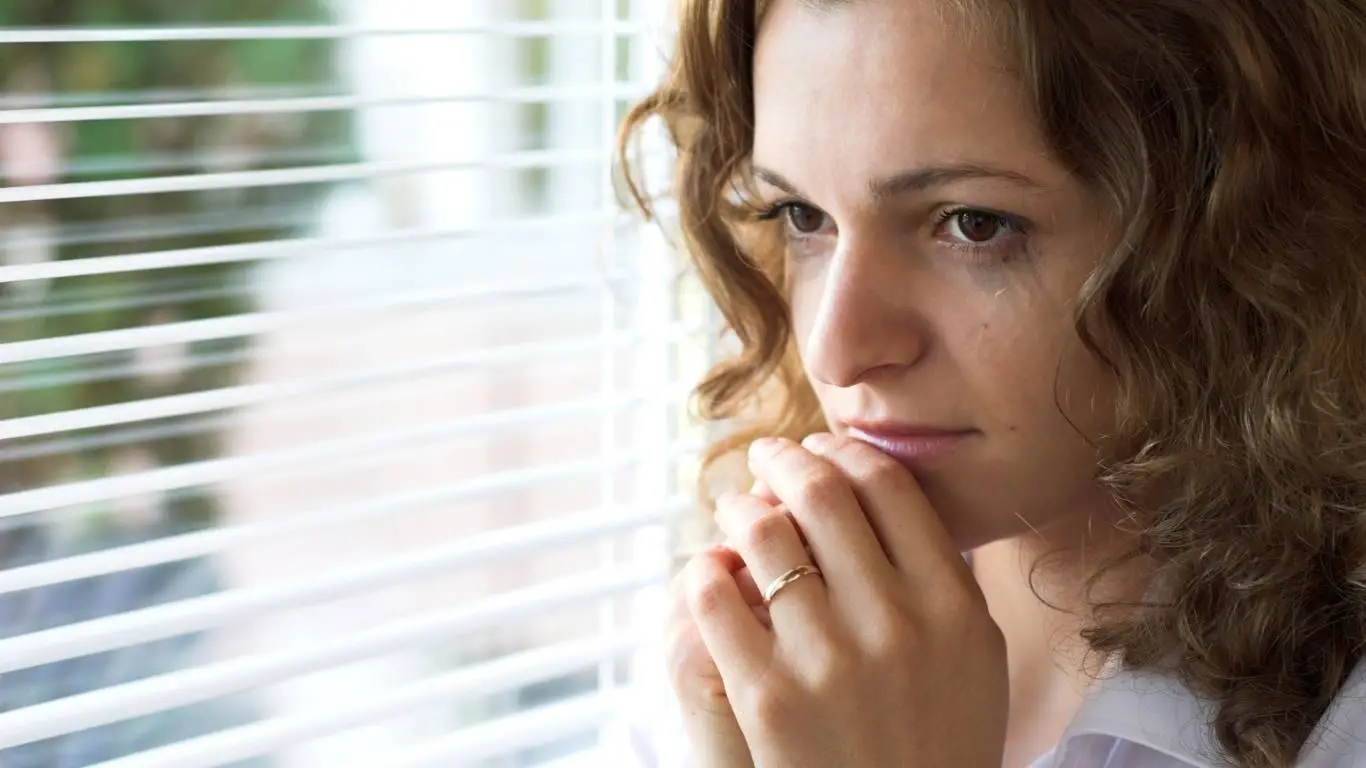
I used to watch certain people float through events with what looked like zero effort. They made friends with the bartender, got invited into conversations I didn’t even notice were happening, and just seemed at home. For a while, I thought something was just broken in me. Turns out, it’s not that simple.
Everyone’s Wired Differently
Some people naturally lean toward extroversion, others toward introversion—and then there are those of us managing underlying anxiety disorders that amplify every interaction. There’s no “right” way to socialize. But when you’re fighting constant internal alarms just to be present, it’s not a fair comparison.
Past Experiences Shape Present Reactions
Social anxiety often has roots in childhood experiences, bullying, or even how anxiety runs in your family. If any of that sounds familiar, you’re definitely not alone. Our brains are constantly scanning for familiar danger patterns, even when there’s no real threat.
What to Do Before, During, and After Events—Real Tactics That Work

Before the Event
- Visualize the win—Imagine yourself walking in confidently, smiling, and surviving. Sounds silly, but it rewires your brain.
- Prep conversation starters—Not to sound robotic, but having 2–3 casual lines ready takes the edge off.
- Eat light, hydrate—Low blood sugar + dehydration = amplified anxiety. Learned this the hard way.
During the Event
- Take micro-breaks—Step outside, breathe, regroup. Even 2 minutes alone can reset your nerves.
- Focus on one person—Forget mingling with everyone. Look for one approachable person. That’s your anchor.
- Don’t fake it too hard—It’s okay to say “social events make me nervous.” You’d be shocked how often people say “me too.”
After the Event
- Celebrate showing up—Even if it felt awful, you did something difficult. That matters more than you think.
- Don’t overanalyze—I used to replay every conversation in my head for hours. It’s wasted energy. People aren’t thinking about your awkward laugh—they’re thinking about theirs.
If you’re struggling to put some of these tips into motion, this practical coping guide covers low-pressure tools that are actually doable.
When to Get Help—and What That Help Might Look Like

If the idea of attending social events alone keeps you from participating in things you genuinely want to do—networking events, birthdays, weddings—it might be time to look a little deeper.
Therapies That Specifically Help With Social Anxiety
- CBT (Cognitive Behavioral Therapy) – Helps challenge irrational thoughts and replace them with more balanced ones.
- Exposure Therapy – Gradually and safely introduces you to anxiety-provoking situations. Learn more about it here.
- Acceptance and Commitment Therapy (ACT) – Teaches mindfulness-based skills to reduce anxiety’s grip. I found this more freeing than I expected. It’s about being with the discomfort rather than eliminating it.
You can also explore other supportive options like group therapy, which may sound terrifying but offers a surprisingly warm sense of community when you find the right fit.
Every Event Is a Training Ground—Even the Ones That Feel Like Fails
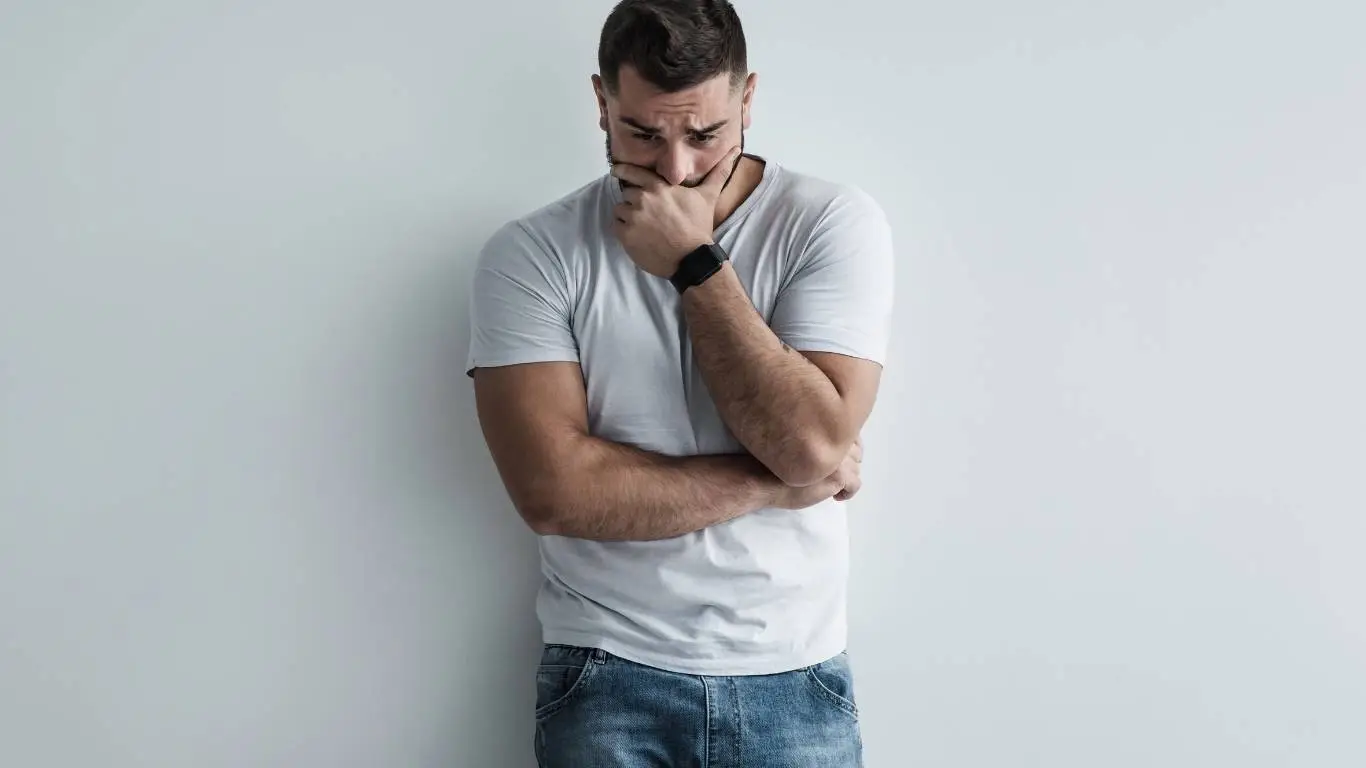
There was one night I showed up to a rooftop mixer alone. I circled the bar twice, panicked, then left. A year ago, I would’ve hated myself for that. But now? I see it as progress. I showed up. I opened the door. I fought against a very loud fear. Sometimes, that’s enough.
The anxiety doesn’t vanish overnight—but with consistent small steps, the volume does lower. Now, I can attend weddings, company dinners, and even random art shows alone. Not because I love it every time, but because I know I can handle it.
If you’ve ever felt that intense dread before a solo event, you’re not broken, antisocial, or weird. You’re human. And like many others, you might be navigating something bigger beneath the surface.
This deeper dive on therapy for anxiety is worth checking out if you’re ready to explore support options.
You might also find this article on how anxiety quietly shapes our lives extremely relevant—it helped me reframe my own internal battles in a more compassionate way.
And if you’re curious about the less obvious causes behind your social fears, this comprehensive guide to hidden anxiety triggers might surprise you with what’s under the surface.

Camellia Wulansari is a dedicated Medical Assistant at a local clinic and a passionate health writer at Healthusias.com. With years of hands-on experience in patient care and a deep interest in preventive medicine, she bridges the gap between clinical knowledge and accessible health information. Camellia specializes in writing about digestive health, chronic conditions like GERD and hypertension, respiratory issues, and autoimmune diseases, aiming to empower readers with practical, easy-to-understand insights. When she’s not assisting patients or writing, you’ll find her enjoying quiet mornings with coffee and a medical journal in hand—or jamming to her favorite metal band, Lamb of God.