
Why Anxiety Attacks While Falling Asleep Can Wreck Your Nights
You’re lying in bed, eyes shut, ready to drift off, and then—bam—it hits you. Your heart starts racing, your chest tightens, and your brain decides it’s time to panic about… well, everything. Anxiety attacks while falling asleep are one of the most unsettling experiences I’ve dealt with, and let me tell you, they’re sneakier than you’d expect. They don’t just ruin your night; they can wreck your entire next day. But you’re not alone in this. Let’s talk about what’s really going on, why it feels like your body is betraying you at the worst possible time, and more importantly, how you can fight back.
Why Do Anxiety Attacks Love Bedtime So Much?

First, you’re not imagining it. Nighttime anxiety attacks aren’t random. There’s a reason your mind loves to go into overdrive just as you’re winding down. All day, you’re distracted—work, errands, social media doomscrolling. But when it’s finally quiet? That’s when unresolved worries start throwing a wild party in your head.
The Overthinking Spiral
One thing that’s caught me off guard countless times is how minor thoughts—like forgetting to reply to an email—suddenly escalate into catastrophic scenarios when I’m trying to sleep. This is classic anxiety spiral behavior.
- Your brain fixates on a random concern.
- That thought snowballs into a worst-case scenario.
- Your body reacts as if the threat is real—hello, panic attack.
Fight-or-Flight Mode at Bedtime?
It’s bizarre, right? You’re supposed to be resting, but your body thinks you’re in danger. That’s because anxiety disorders often confuse stress with physical threats. Your nervous system triggers adrenaline surges—exactly what you don’t need at 11 PM. Chest tightness, shallow breathing, and that racing heart? All classic anxiety-induced false alarms.
Physical Symptoms of Bedtime Anxiety Attacks

When I first experienced an anxiety attack while trying to fall asleep, I genuinely thought something was wrong with my heart. Turns out, this is super common. Anxiety has a talent for mimicking serious health issues, which makes it even more terrifying.
- Heart palpitations that feel like your chest is going to burst.
- Shortness of breath where no amount of deep breathing helps.
- Tingling sensations in hands and feet.
- Hot flashes or chills out of nowhere.
These sensations are not in your head. They are very real physiological responses to perceived stress. Understanding that helps, but it’s not enough to stop them from hijacking your nights. Dizziness and even nausea can join the party too.
Hidden Triggers That Amplify Nighttime Anxiety

Ever noticed how certain habits make these attacks worse? For the longest time, I didn’t realize my late-night phone scrolling and that innocent evening coffee were sabotaging my sleep.
Caffeine & Sugar Intake
Caffeine is a sneaky culprit. You might think your afternoon latte has worn off by bedtime, but it can linger in your system for hours. Combine that with sugary snacks, and you’ve got a recipe for an overactive nervous system when you least want it. Learn how caffeine worsens anxiety.
Blue Light & Digital Overload
Scrolling through your phone in bed? Guilty as charged. Blue light messes with your melatonin production, making it harder for your body to recognize it’s time to sleep. On top of that, doomscrolling feeds your anxiety with a constant stream of bad news.
Unstructured Night Routines
When I started setting a consistent wind-down routine, the difference was night and day—literally. A chaotic evening sets you up for chaotic thoughts. Having a solid sleep hygiene practice is underrated.
Techniques I Use to Calm Anxiety Attacks Before Sleep

There’s no one-size-fits-all solution, but after experimenting with countless methods, a few techniques have consistently helped me lower the intensity of these attacks.
Progressive Muscle Relaxation (PMR)
PMR has been a game-changer for me. It involves tensing and then slowly releasing muscle groups, which tricks your body into a relaxed state. Check out these simple PMR techniques.
Breathing Exercises
It sounds cliché, but intentional breathing does wonders. I swear by the 4-7-8 technique: inhale for 4 seconds, hold for 7, exhale for 8. It forces your body to slow down that racing heartbeat. Learn effective breathing exercises.
Mind Dump Journaling
When my brain refuses to shut up, I grab a notebook and pour every anxious thought onto paper. It’s oddly freeing. Writing helps externalize the chaos swirling in your head, making it less overwhelming.
When You Should Consider Professional Help
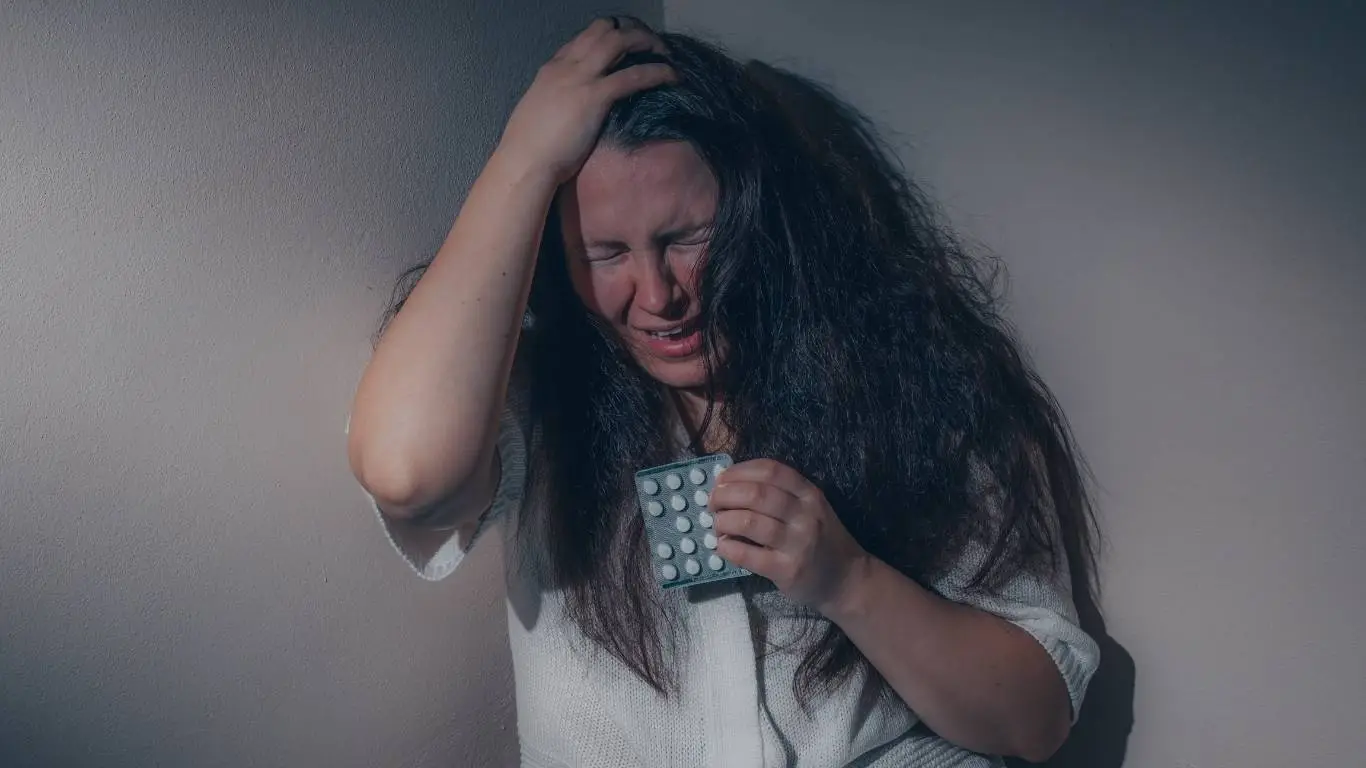
If anxiety attacks while falling asleep become a nightly battle, it might be time to bring in reinforcements. Cognitive Behavioral Therapy (CBT) has an impressive track record for treating anxiety disorders. It helped me untangle thought patterns that I didn’t even realize were sabotaging my sleep.
Not every method will click for everyone, but professional guidance can fast-track your recovery. For those interested, here’s an in-depth guide on psychotherapy options for anxiety disorders.
For a deeper dive into how anxiety stealthily disrupts daily life, this main article explains it perfectly. You should also explore how anxiety quietly disrupts daily routines without you noticing.
Long-Term Strategies to Break the Cycle of Anxiety Attacks While Falling Asleep

Here’s the harsh truth I had to learn the hard way—there’s no quick fix. Overcoming anxiety attacks while falling asleep requires building long-term habits that create a sense of safety in your own mind. Trust me, it’s a process, but it’s worth every bit of effort.
Rewiring Your Sleep Associations
For months, my brain started linking “bedtime” with “panic time.” I had to consciously rebuild that connection. The goal is to create a nightly routine that gently signals to your mind, “We’re safe. It’s time to relax.”
- Dim lights at least an hour before bed.
- Switch off work-related devices and emails after dinner.
- Engage in a calming, screen-free activity like reading or light stretching.
It’s about building a psychological buffer between your daytime stress and your sleeping hours. Good time management practices can actually lower nighttime anxiety intensity.
Mindfulness Meditation That Actually Works
Now, I was skeptical at first too. But mindfulness isn’t just sitting in silence and hoping for peace. It’s about observing your thoughts without judgment and learning not to react to every intrusive “what if?” that pops up. Here’s how mindfulness can genuinely change your anxiety game.
Don’t Underestimate the Role of Nutrition

What you eat during the day doesn’t magically stop affecting you at night. High-sugar diets, processed snacks, and even seemingly innocent “healthy” foods loaded with hidden caffeine can be silent anxiety triggers.
Magnesium-Rich Foods Are Your Sleep Allies
Magnesium has a calming effect on the nervous system. After adding magnesium-rich foods like spinach, almonds, and even a nightly banana to my routine, I noticed my body didn’t feel as “on edge” when lying down. Here’s why magnesium is a natural anxiety fighter.
Be Mindful of Caffeine & Alcohol Intake
It’s not just about avoiding caffeine after 4 PM (though you should). Even that innocent glass of wine with dinner can backfire by disrupting your sleep cycles and making anxiety worse. Learn how alcohol can secretly fuel your anxiety.
Complementary Therapies That Might Surprise You

Not every solution comes in a prescription bottle. Over time, I explored a few alternative therapies that seemed unconventional at first but delivered results in unexpected ways.
Acupuncture and Anxiety Relief
I was skeptical until I tried it, but acupuncture sessions helped lower my overall stress levels, which directly impacted my nighttime anxiety frequency. It’s not magic—it’s about regulating your body’s stress response. Read how acupuncture can ease anxiety symptoms.
Herbal Teas That Actually Work
Chamomile is the celebrity of calming teas, but others like passionflower and valerian root have been just as effective for me. There’s something ritualistic about brewing a cup before bed that mentally prepares you for rest. Here’s a list of herbal teas that truly calm the mind.
The Role of Therapy: CBT, ACT, and Beyond

If you’re stuck in a cycle where self-help methods aren’t cutting it, structured therapy approaches like Cognitive Behavioral Therapy (CBT) or Acceptance and Commitment Therapy (ACT) could be game changers.
CBT: Reframing Nighttime Thought Patterns
CBT helps you challenge and reframe those catastrophic thoughts that kickstart your bedtime anxiety attacks. For me, it was eye-opening to realize how much my thought patterns were fueling my physical symptoms. Here’s how CBT can be applied effectively.
ACT: Learning to Accept Discomfort
ACT doesn’t try to “eliminate” anxiety. Instead, it teaches you to coexist with it without letting it hijack your actions. That shift in mindset was huge for me, especially during those moments when sleep felt impossible.
Daily Lifestyle Adjustments That Made a Difference

Small daily changes stack up. Incorporating light physical activity like yoga in the evening helps release pent-up tension. Avoiding overcommitments during the day preserves your mental energy reserves for nighttime.
I found that tracking my anxiety patterns in a journal—when they hit, what triggered them, what I ate that day—helped me identify patterns I never noticed before.
You’re Not Powerless Over Bedtime Anxiety

Anxiety attacks while falling asleep can feel relentless, but every small action you take toward reclaiming your nights matters. You don’t have to settle for restless nights and anxiety-fueled exhaustion the next day. Recovery isn’t linear, but it’s absolutely possible.
If anxiety is subtly derailing your daily life in ways you didn’t realize, this main article provides a bigger picture on how it all ties together. Also, don’t miss this comprehensive guide on self-help strategies for anxiety disorders.

Camellia Wulansari is a dedicated Medical Assistant at a local clinic and a passionate health writer at Healthusias.com. With years of hands-on experience in patient care and a deep interest in preventive medicine, she bridges the gap between clinical knowledge and accessible health information. Camellia specializes in writing about digestive health, chronic conditions like GERD and hypertension, respiratory issues, and autoimmune diseases, aiming to empower readers with practical, easy-to-understand insights. When she’s not assisting patients or writing, you’ll find her enjoying quiet mornings with coffee and a medical journal in hand—or jamming to her favorite metal band, Lamb of God.