How To Calm Anxiety Flare-Ups During Hormonal Changes Naturally
It’s funny how we always expect our mood swings or sudden bursts of anxiety to be “just stress” or “bad days,” but rarely do we connect the dots to what’s really stirring beneath the surface — our hormones. I’ve been there too, caught off guard by anxiety flare-ups that made no sense at all, only to later realize it coincided perfectly with hormonal shifts. If you’ve ever wondered why your anxiety seems to take on a life of its own during certain times, you’re not alone. Hormonal changes can secretly amplify anxiety in ways that often go unnoticed but feel intensely real.
Why Hormonal Changes Can Secretly Ignite Anxiety Flare-Ups
Hormones are powerful chemical messengers that regulate countless functions in your body, from metabolism to mood. But when these levels shift — think menstruation, pregnancy, postpartum, perimenopause, or even thyroid imbalances — anxiety symptoms can flare without warning. It’s not “all in your head,” it’s in your bloodstream.
- Estrogen and progesterone fluctuations can heighten emotional sensitivity, triggering anxious thoughts.
- Cortisol surges — the stress hormone — spike during hormonal imbalances, adding fuel to the anxiety fire.
- Thyroid dysfunctions, particularly hypothyroidism and hyperthyroidism, are notorious for amplifying anxiety symptoms.
What’s tricky is that these shifts often happen subtly, making it difficult to pinpoint the connection. I personally didn’t recognize the link until tracking my symptoms month after month. The pattern was undeniable — hormonal shifts were setting off my anxiety like clockwork.
Common Hormonal Phases That Intensify Anxiety Flare-Ups

1. Menstrual Cycle
Ever felt like a completely different person the week before your period? That’s no coincidence. During the luteal phase, progesterone rises and estrogen drops, a hormonal cocktail that can trigger irritability, mood swings, and intense anxiety. This isn’t just PMS moodiness — for some, it borders on debilitating.
2. Perimenopause and Menopause
Perimenopause hit me like a freight train. One moment, I felt emotionally balanced; the next, I was battling racing thoughts and heart-pounding anxiety attacks. This transition period causes erratic estrogen fluctuations that can wreak havoc on your mental state. It’s a phase many women walk through silently, often misdiagnosed with generalized anxiety disorder when the root is hormonal chaos.
3. Pregnancy and Postpartum
Pregnancy is often painted as a glowing experience, but behind the scenes, progesterone and estrogen are skyrocketing. For some, this surge can stabilize mood; for others, it triggers panic-like symptoms. The postpartum crash is even more intense — estrogen levels plummet drastically, leaving new mothers vulnerable to severe anxiety episodes, sometimes mistaken for postpartum depression.
How to Recognize Hormonal Anxiety vs. Typical Anxiety

Distinguishing between hormonally driven anxiety and situational anxiety isn’t always easy, but a few telltale signs can help:
- Symptom Timing: Does your anxiety intensify around specific times — before periods, after childbirth, or during perimenopause?
- Physical Symptoms Surge: Hormonal anxiety often comes with bloating, fatigue, or headaches, adding a physical weight to mental unrest.
- Dizziness and heart palpitations that seem to correlate with hormonal shifts.
- Unprovoked Emotional Swings: You might feel fine one minute and deeply anxious the next, with no external trigger.
For me, it was always the timing. My most intense anxiety episodes synced perfectly with hormonal phases. Realizing this pattern gave me back a sense of control, even if it didn’t immediately solve the issue.
Effective Coping Strategies for Hormonal Anxiety Flare-Ups
While you can’t stop hormonal changes, you can buffer their impact. Over the years, I’ve tried everything from yoga to supplements, and here’s what truly made a difference:
- Track Your Symptoms: Keeping a mood journal helped me predict when anxiety flare-ups were likely to hit.
- Deep breathing exercises — simple yet incredibly effective at grounding yourself during a hormonal spike.
- Nutrition Tweaks: Adding magnesium-rich foods like spinach and almonds calmed my nervous system. Curious about diet’s role? Here’s how diet influences anxiety.
- Gentle Movement: Low-impact exercises like walking or yoga help regulate cortisol levels and stabilize mood swings.
For anyone struggling with hormonal anxiety spikes, psychotherapy remains one of the most effective long-term solutions. Therapy tailored for anxiety disorders can guide you through coping mechanisms, even when your hormones feel unpredictable.
When Professional Help Becomes Essential

Let’s be honest — we often push through anxiety episodes, brushing them off as temporary. But if hormonal shifts are causing your anxiety to disrupt daily life, it’s time to reach out for medical support. Hormonal testing, therapy, or even short-term medication may be necessary to regain balance.
Learn more about getting properly assessed for anxiety disorders to ensure you’re not misdiagnosed or overlooked. This step was a game-changer for me when I finally realized my anxiety wasn’t just “all in my head.”
For a deeper dive into how anxiety secretly disrupts your daily life, I highly recommend reading this comprehensive guide on hidden anxiety impacts.
Medical Treatments That Can Ease Hormonal Anxiety Flare-Ups
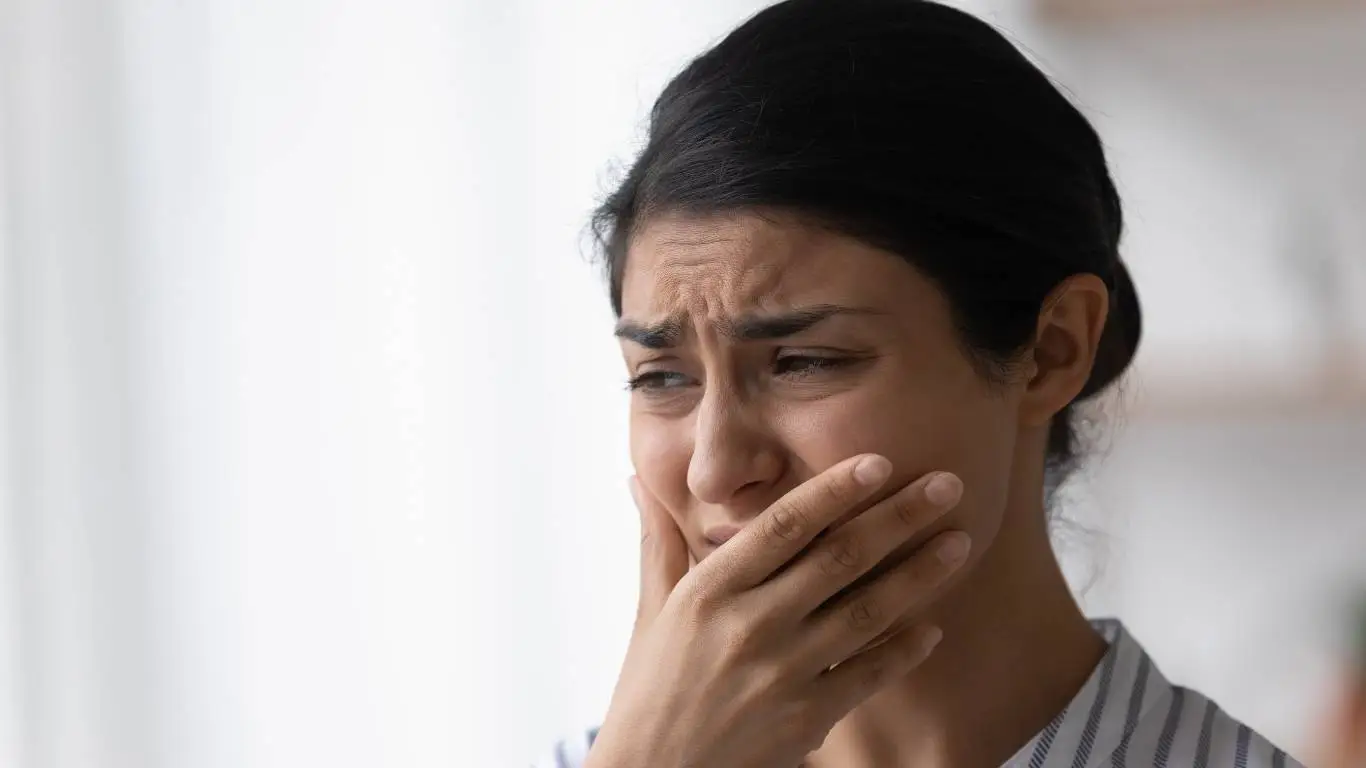
When natural coping strategies aren’t enough, it’s crucial to explore medical treatments. I resisted medication for the longest time, convinced I could “manage it on my own.” But once I experienced how targeted treatments could smooth out the rollercoaster of hormonal anxiety, I wished I had acted sooner.
Several treatment routes are worth discussing with your healthcare provider:
- SSRIs (Selective Serotonin Reuptake Inhibitors): These are often prescribed for anxiety and have been shown to stabilize mood swings caused by hormonal fluctuations. More insights on how they help can be found here.
- Hormone Replacement Therapy (HRT): For those in perimenopause or menopause, HRT can balance estrogen and progesterone levels, reducing anxiety intensity.
- Buspirone: A lesser-known medication that specifically targets chronic anxiety without the sedative effects of benzodiazepines. Curious? Learn more about Buspirone for GAD treatment.
It’s important to work with a practitioner who understands the intersection between hormonal health and mental wellness. Misdiagnosis or a one-size-fits-all approach can prolong suffering unnecessarily.
Complementary Approaches That Actually Work
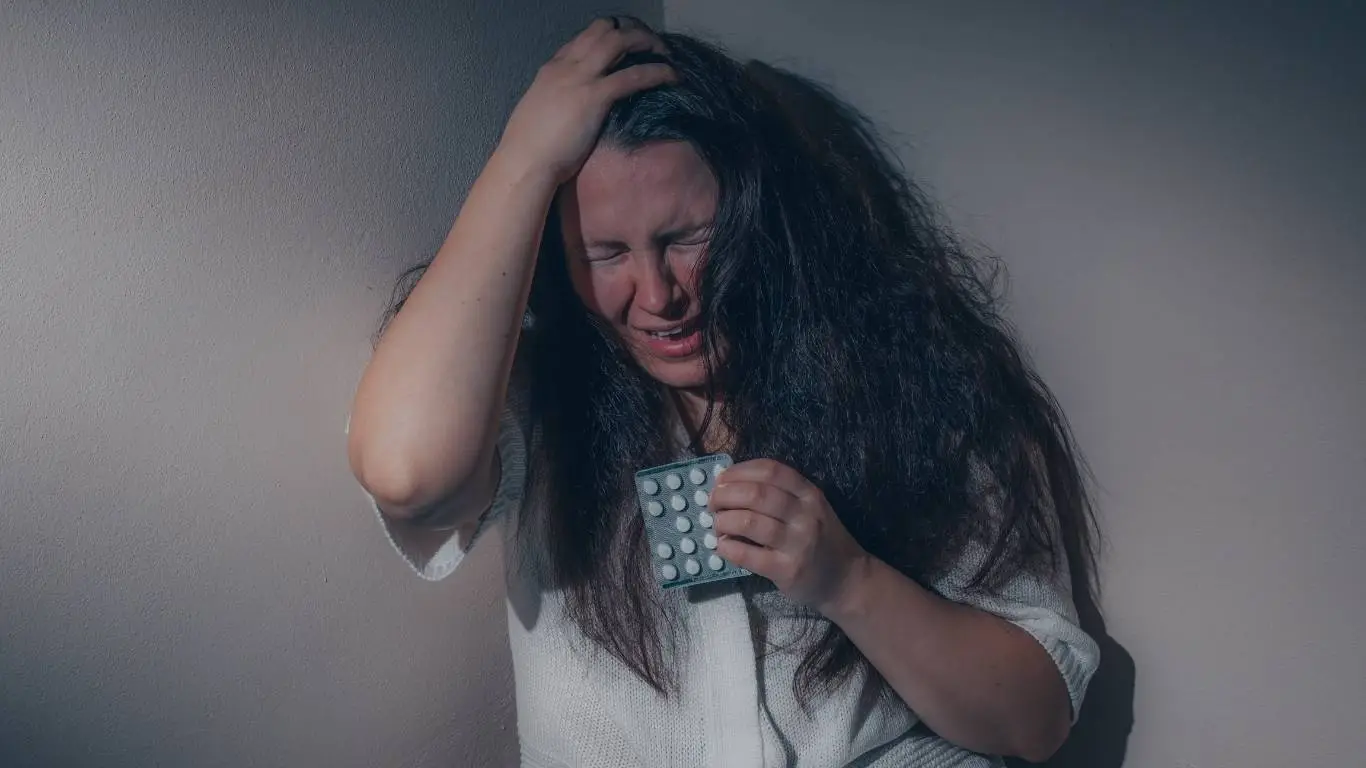
Aside from conventional treatments, I found a lot of relief through complementary therapies that address anxiety holistically. They won’t replace medical care, but they can enhance recovery and day-to-day stability.
- Acupuncture — I was skeptical at first, but it truly helped calm my nervous system during hormonal peaks.
- Omega-3 Supplements: These fatty acids are known to support brain health and reduce inflammation, which in turn can ease anxiety symptoms. Read more about their benefits here.
- Herbal Remedies — Adaptogens like ashwagandha and rhodiola can offer gentle support in balancing stress hormones.
What worked for me might not work for everyone, but the key is experimenting under professional guidance until you find your personal toolkit for managing hormonal anxiety flare-ups.
Lifestyle Adjustments That Can Calm Hormonal Anxiety
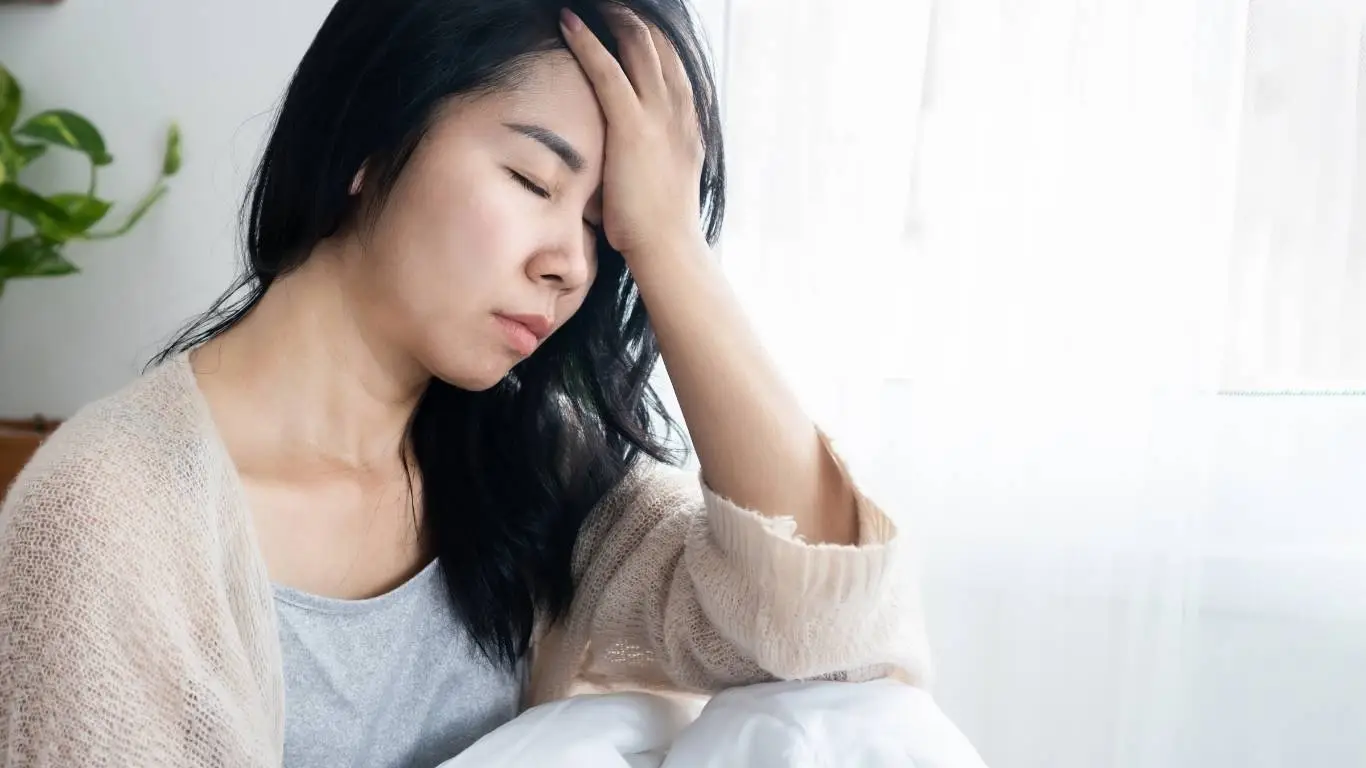
Beyond treatments and therapies, everyday habits can make or break how you navigate hormonal anxiety. I learned this the hard way after countless trial-and-error cycles.
1. Prioritize Quality Sleep
Lack of sleep intensifies cortisol imbalances, creating a vicious cycle of anxiety. Practicing good sleep hygiene became a non-negotiable for me. Discover why sleep hygiene is critical for mental health.
2. Cut Back on Stimulants
Caffeine was my crutch, but during hormonal shifts, it turned into a trigger. Reducing caffeine intake — and swapping for calming herbal teas — helped me manage those jittery, anxiety-prone days. Here’s a guide to caffeine-free drinks that soothe anxiety.
3. Gentle Daily Movement
High-intensity workouts left me feeling more frazzled than energized during hormonal spikes. Switching to mindful movement like yoga or nature walks significantly reduced my anxiety flare-ups.
Why Professional Assessment Matters
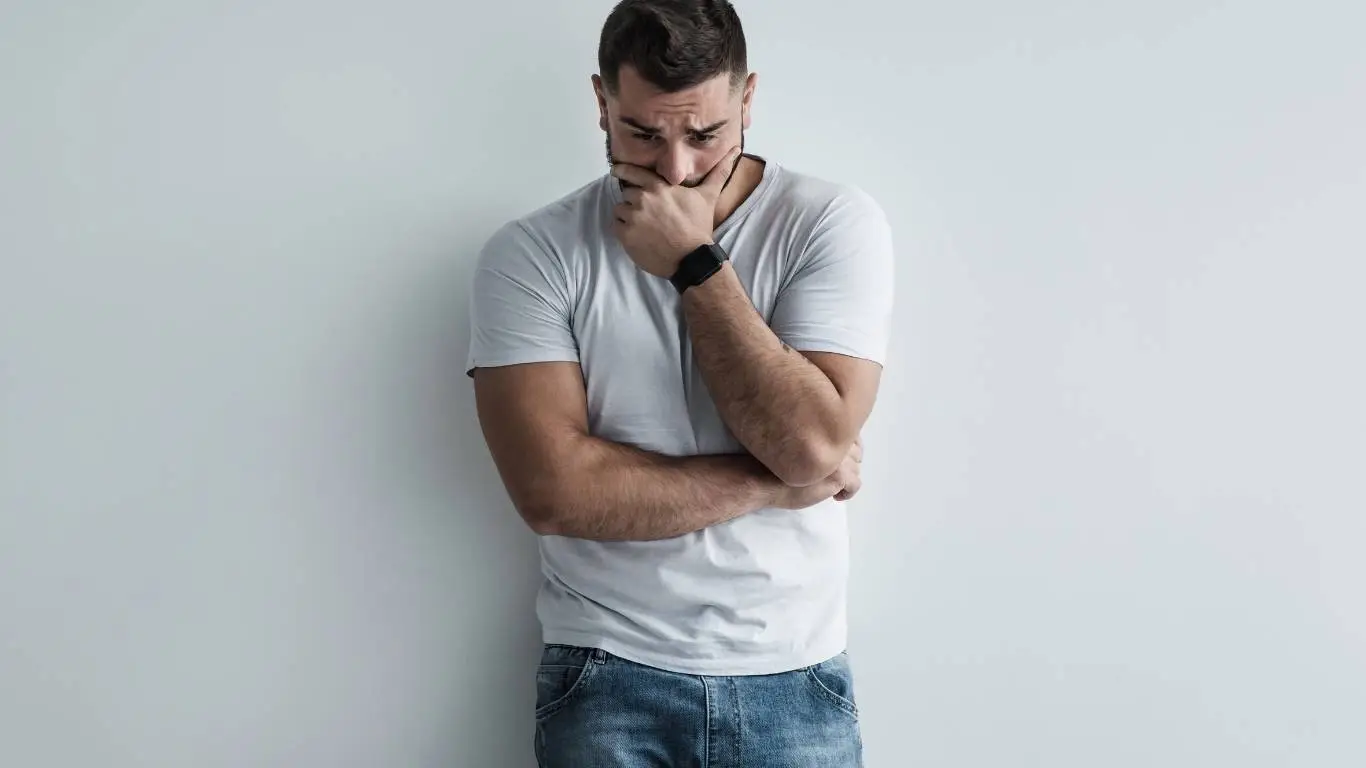
One of the biggest mistakes I made was assuming my anxiety was “normal” — just something I had to live with. But a proper assessment changed everything. Getting evaluated by a specialist who understood the nuances of hormonal anxiety allowed me to create a treatment plan that finally worked.
Learn how an accurate diagnosis and assessment can set you on the right path.
The Overlooked Impact of Hormonal Anxiety on Daily Life
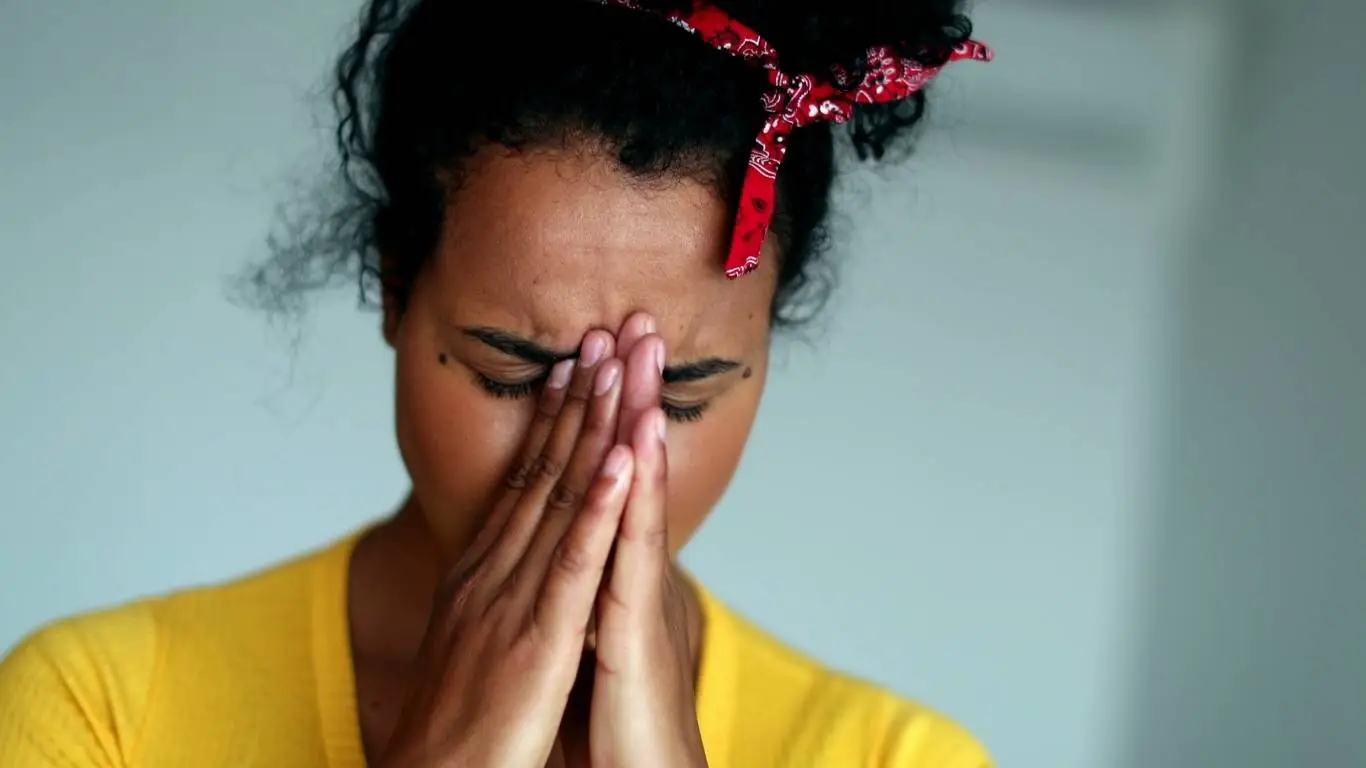
What’s often brushed aside is how hormonal anxiety silently chips away at daily routines. From canceling plans last minute to avoiding professional opportunities, the impact is far from trivial. It’s subtle yet relentless, affecting everything from relationships to career progression.
If you’ve noticed how hormonal changes disrupt your daily life in quiet yet profound ways, I urge you to explore this comprehensive article that dives into how anxiety quietly takes over routines.
Addressing hormonal anxiety isn’t a one-time fix — it’s a journey of understanding, managing, and fine-tuning. The good news? You don’t have to navigate it alone, and every small step towards balance makes a significant difference.

Camellia Wulansari is a dedicated Medical Assistant at a local clinic and a passionate health writer at Healthusias.com. With years of hands-on experience in patient care and a deep interest in preventive medicine, she bridges the gap between clinical knowledge and accessible health information. Camellia specializes in writing about digestive health, chronic conditions like GERD and hypertension, respiratory issues, and autoimmune diseases, aiming to empower readers with practical, easy-to-understand insights. When she’s not assisting patients or writing, you’ll find her enjoying quiet mornings with coffee and a medical journal in hand—or jamming to her favorite metal band, Lamb of God.