Effective Anxiety Management Tips for Teachers Who Feel Overwhelmed
Last year during parent-teacher conferences, I found myself gripping the edge of the table while trying to keep my voice steady. A simple question from a parent had triggered a full-blown anxiety spiral. If you’re a teacher, you probably know the feeling—tight chest, racing thoughts, forced smile. Teaching is more than lesson plans and grading; it’s an emotional marathon. Managing anxiety in the classroom isn’t just a luxury—it’s survival. Here’s what has actually helped me stay grounded in the chaos and could help you too.
Why Teachers Are Especially Prone to Anxiety
Teaching is emotionally loaded work. You’re juggling student needs, administrative expectations, and the personal weight of wanting to do it all right. Many teachers quietly battle chronic stress without even recognizing it as high-functioning anxiety. It’s easy to dismiss the symptoms because they’re often masked as “just part of the job.”
- Constant worry about student performance
- Overthinking classroom interactions
- Inability to relax during breaks or weekends
This continuous pressure cycle can lead to burnout, or worse—an anxiety disorder. According to National Institute of Mental Health, chronic stress can alter brain chemistry, making anxiety even more entrenched over time.
Start with Grounding Routines

One of the most effective ways I’ve learned to manage anxiety is by building simple, grounding routines into my mornings. Nothing fancy. Just a consistent pattern that tells my brain: “You’re safe. You’ve got this.”
Try This:
- Wake up 30 minutes earlier than usual. Use this time for YOU.
- Do a 5-minute guided breathing session. I swear by breathwork for anxiety—it really resets my nervous system.
- Have a consistent “power drink” – I go for caffeine-free herbal tea or a magnesium smoothie (these foods really made a difference in my mornings).
This pre-class ritual helped me reclaim control of my mornings instead of letting dread take the wheel.
Reframe Classroom Chaos

One of the hardest parts of teaching is unpredictability. A fire drill mid-lesson. A student meltdown. A surprise observation. That unpredictability used to spike my anxiety through the roof. Now, I practice “response flexibility.” Instead of spiraling into panic, I remind myself:
“It’s just one moment. Not a reflection of my ability or worth.”
It sounds cheesy, but that mental cue helped me snap out of spirals fast. Practicing this mindset shift daily helps train the brain to approach stress with a calmer perspective. Bonus: It improves classroom management too.
Control What You Can—Let Go of What You Can’t

Let me be real: I used to obsess over every detail. Perfect slides. Ideal student engagement. Detailed grading rubrics. You name it. All that control masked my anxiety—and fueled it.
Now, I create realistic “control lists.” I write down:
- What I can control: my tone, lesson prep, empathy, my breathing
- What I can’t control: student behavior, policy changes, the weather (yes, indoor recess triggers anxiety too!)
This helped me channel my energy productively instead of letting anxiety lead my day. It’s one of the key coping strategies for generalized anxiety that actually stick.
Use In-Classroom Coping Tools
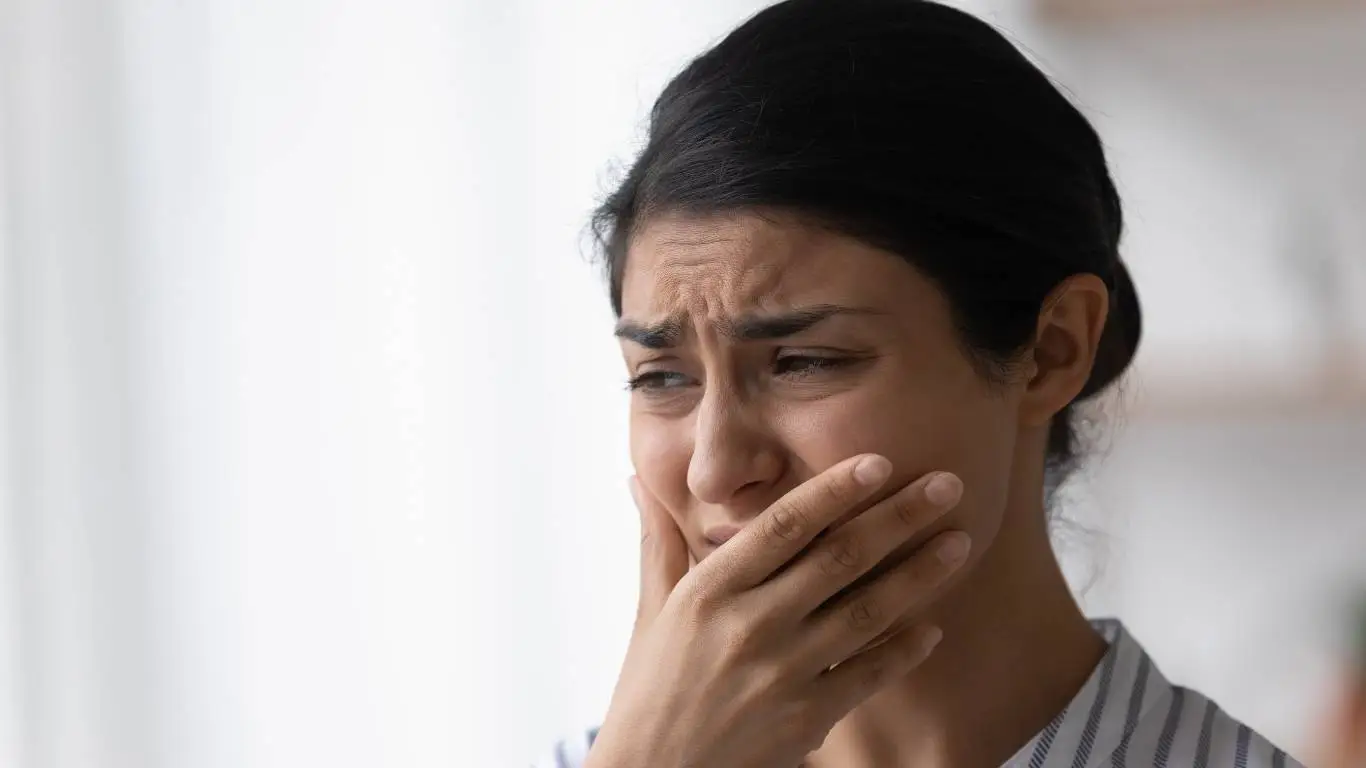
You don’t need a therapist’s office to practice calming techniques. I keep a “calm corner” for myself just as I do for my students—hidden behind my desk.
My Personal Toolkit Includes:
- Essential oil roller (lavender or peppermint)
- Mini gratitude journal—just 2 lines a day
- QR code on my laptop for quick journaling prompts
These tools aren’t magic, but they’ve saved me from unraveling during a stressful lesson or awkward confrontation.
Understand the Deeper Triggers

It wasn’t until I started reading about the hidden causes of anxiety that I realized how much of my anxiety had roots in past experiences—childhood expectations, perfectionism, fear of failure. Teaching often presses on those old wounds.
Understanding your anxiety’s origin isn’t just enlightening—it’s empowering. One resource that truly helped me unpack this was this article on how anxiety quietly shapes everyday behavior. It gave me the “aha” moment I didn’t know I needed.
For a deeper dive on how anxiety unfolds subtly but powerfully in teachers’ lives, the pillar guide on anxiety disorders lifestyle & self-help ties it all together brilliantly.
Even with all these strategies, I still have rough days. But now I recover faster. I don’t spiral as hard or for as long. And I’ve learned that it’s not about being anxiety-free—it’s about finding tools that help you show up anyway. Teaching is hard enough without having to fight your brain every day too.
Set Boundaries Like Your Sanity Depends on It (Because It Does)
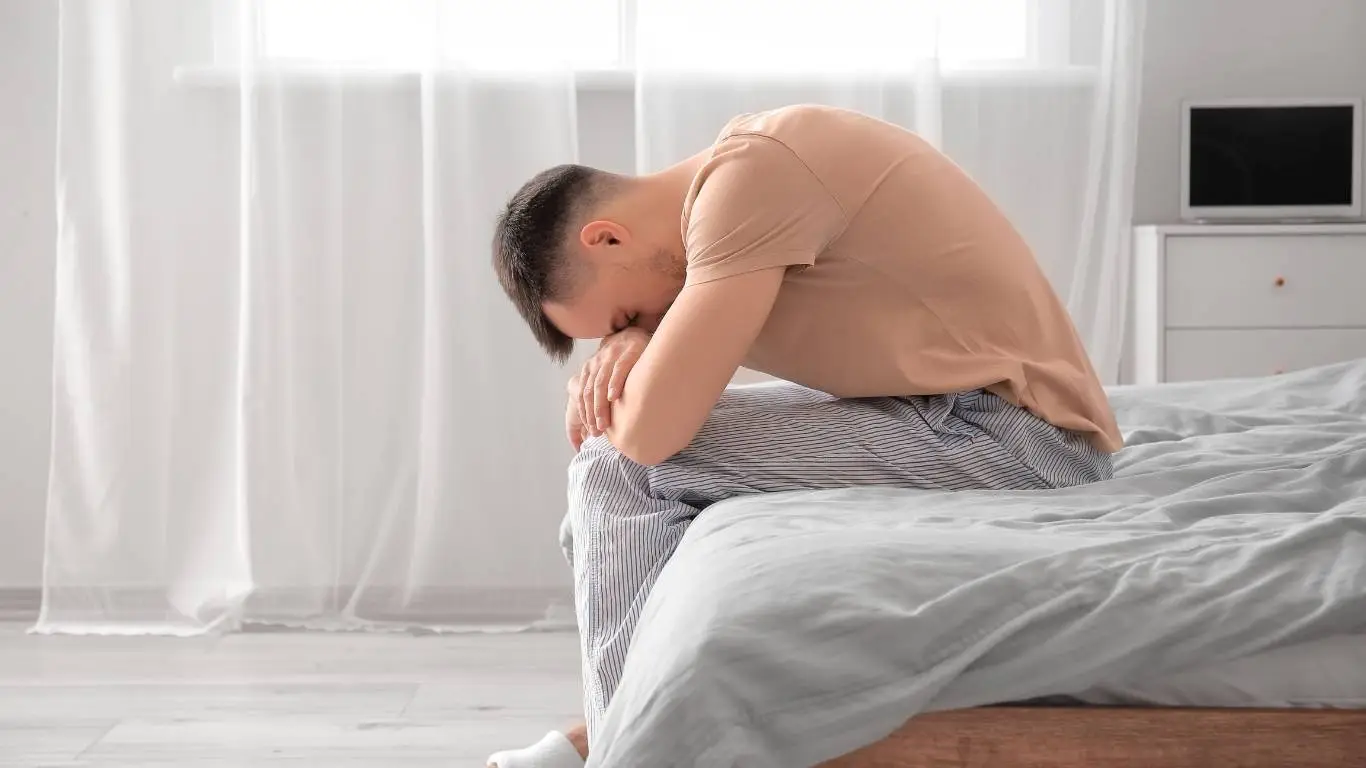
I used to answer emails at 10 PM. Grade papers over dinner. Plan lessons while brushing my teeth. Sound familiar? It’s no wonder anxiety builds up—we don’t give ourselves a chance to be anything other than “teacher.” Setting boundaries isn’t selfish. It’s mental health maintenance.
Here’s What Worked for Me:
- Email Cutoff: No school email after 6 PM. Zero exceptions.
- Silent Sundays: One day a week with no planning, grading, or thinking about teaching.
- Protected Lunch: I eat lunch outside of my classroom. Not while prepping. Not while conferencing. Just eating.
This has reduced my anxiety more than I ever expected. If you’re not sure where to start, check out this piece on how boundaries help reduce anxiety. It helped me reframe the guilt I felt for putting myself first.
Don’t Go It Alone — Build Your Support Circle

One of the hardest parts of being a teacher with anxiety is how isolating it can feel. You’re supposed to be the strong, nurturing adult, and that pressure can make asking for help feel like weakness. I used to keep everything in. Huge mistake.
Connecting with other educators who “get it” made a massive difference. I found a few colleagues who were also quietly battling anxiety. We started doing 10-minute “reset walks” during lunch, and it became our mini support group. You don’t have to carry this alone. You shouldn’t.
If you’re looking for external connection, support groups—both in-person and virtual—offer a lifeline many of us didn’t know we needed.
Say Yes to Therapy (and No, It’s Not Just for “Broken” People)
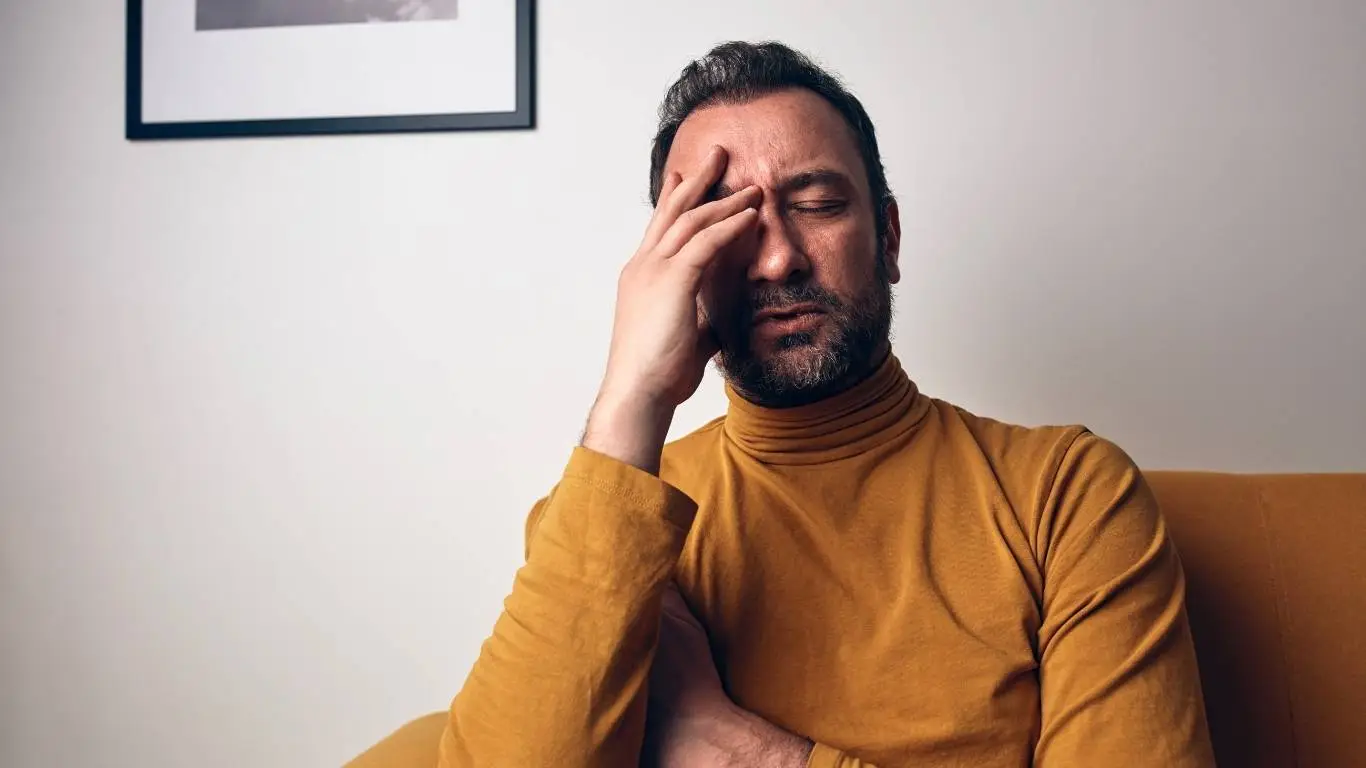
I resisted therapy for years. I told myself I could “handle it.” That I was just going through a phase. The truth? My anxiety was handling me. Once I started seeing a therapist who specialized in anxiety, I realized how many maladaptive thought patterns I had.
Cognitive Behavioral Therapy (CBT) completely rewired how I responded to stress. And I’m not exaggerating. If traditional talk therapy isn’t your thing, there’s exposure therapy, ACT, EMDR—you name it.
And if the idea of starting therapy feels overwhelming, this resource on anxiety counseling options gives a fantastic overview of what’s out there, including digital options.
Fuel Your Body, Calm Your Brain

Turns out, my daily triple espresso and “forgetting to eat lunch” habit wasn’t helping my brain. I learned the hard way that blood sugar crashes and dehydration were triggering my mid-day anxiety. Now I’m much more intentional about how I fuel my body.
- Swapped coffee for caffeine-free drinks
- Keep almonds and dark chocolate in my desk for quick, steady energy
- Added omega-3s and probiotics (yes, they work)
When your body’s supported, your mind doesn’t have to fight so hard to feel okay. It’s a low-hanging fruit in anxiety management we often overlook.
Move It Out — Literally

We sit all day. At our desks. In staff meetings. During planning. No wonder our bodies store tension like it’s hoarding trauma. One of the best anxiety releases I’ve found? Movement. Doesn’t need to be intense. Doesn’t need to be long. Just intentional.
My Movement Favorites:
- Progressive Muscle Relaxation before bed
- 10-minute yoga flow before work (these poses are perfect)
- Afternoon walk around the school (or pacing the hallway, let’s be real)
Movement gives anxious energy somewhere to go. It helps regulate cortisol, boost endorphins, and brings me back into my body. Which, honestly, I need more than I realize most days.
Sleep Is Not Optional (Even If Grading Is Piling Up)

Here’s a brutal truth I had to accept: staying up to finish lesson plans was actually making me a worse teacher. Sleep deprivation amplifies anxiety. Full stop. If you’re getting less than 7 hours regularly, your nervous system is already working in overdrive.
I started treating sleep like a non-negotiable appointment. I use blackout curtains, wear blue light glasses, and listen to relaxation music every night. That first week of actually sleeping changed everything.
More tips on improving anxiety-related sleep are covered in the guide on sleep hygiene for anxiety—honestly, it’s the toolkit I wish I had my first year teaching.
Know When It’s Time to Take a Break
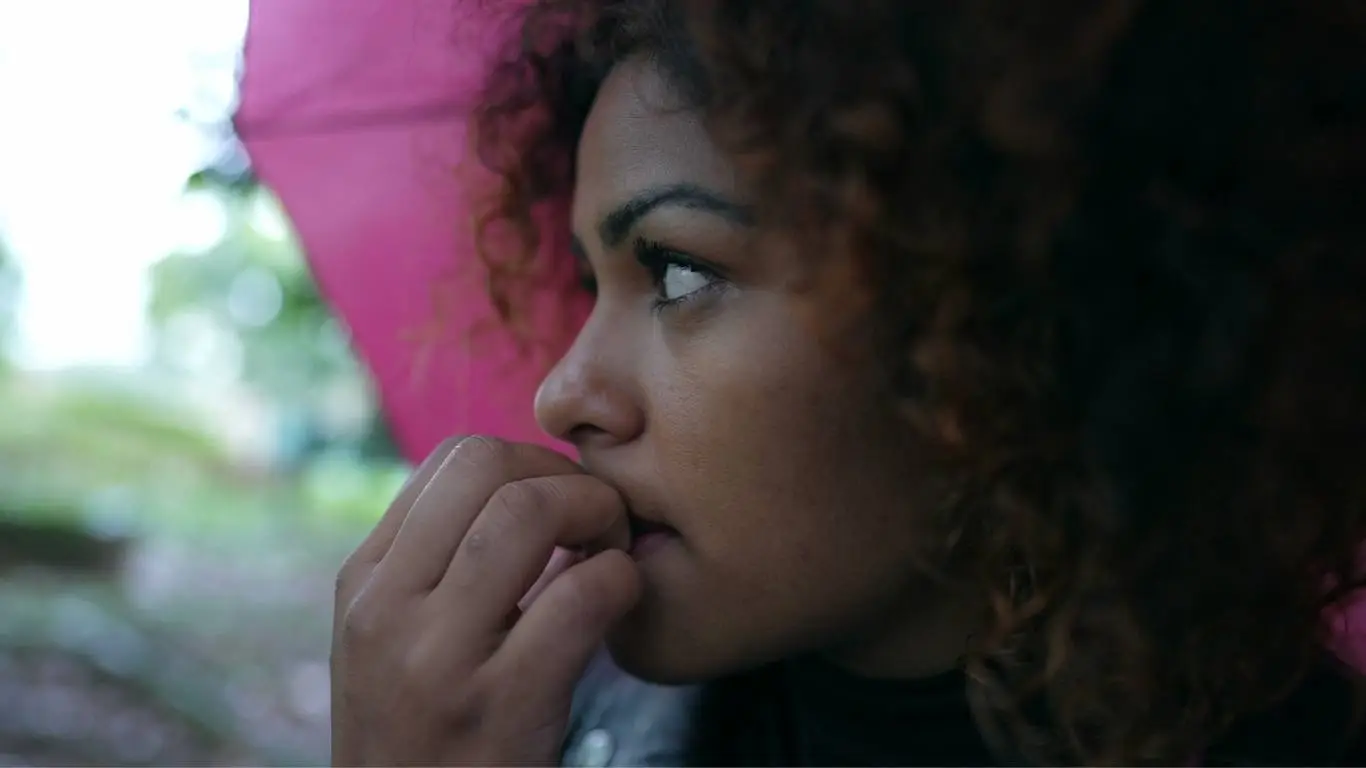
Burnout isn’t a badge of honor. If your anxiety has reached the point where you’re waking up dreading the day every single day, it’s okay to take a step back. I took a one-month leave last year—not because I was weak, but because I needed to reset. That decision saved my career.
Sometimes the most courageous thing you can do is pause. Let yourself rest. The system will go on without you. But your health won’t.
For a broader perspective on how anxiety can disrupt your entire life even when it seems subtle, this in-depth article on how anxiety disorders quietly take over offers an eye-opening breakdown of signs and hidden impacts.

Camellia Wulansari is a dedicated Medical Assistant at a local clinic and a passionate health writer at Healthusias.com. With years of hands-on experience in patient care and a deep interest in preventive medicine, she bridges the gap between clinical knowledge and accessible health information. Camellia specializes in writing about digestive health, chronic conditions like GERD and hypertension, respiratory issues, and autoimmune diseases, aiming to empower readers with practical, easy-to-understand insights. When she’s not assisting patients or writing, you’ll find her enjoying quiet mornings with coffee and a medical journal in hand—or jamming to her favorite metal band, Lamb of God.