Why Anxiety When Starting A New Relationship Feels So Overwhelming
There’s something about starting a new relationship that lights up your world—and completely flips it upside down. I remember early on with someone I really liked, my heart would pound just waiting for a text back. Even a “hey” felt like a high-stakes test. Sounds dramatic, right? But for those of us who experience anxiety when starting a new relationship, that rollercoaster of overthinking, second-guessing, and emotional spirals is painfully real. It’s not about being clingy or insecure—it’s the very real intersection of emotional vulnerability and mental health.
Why Relationship Beginnings Trigger Anxiety
The Vulnerability of Newness
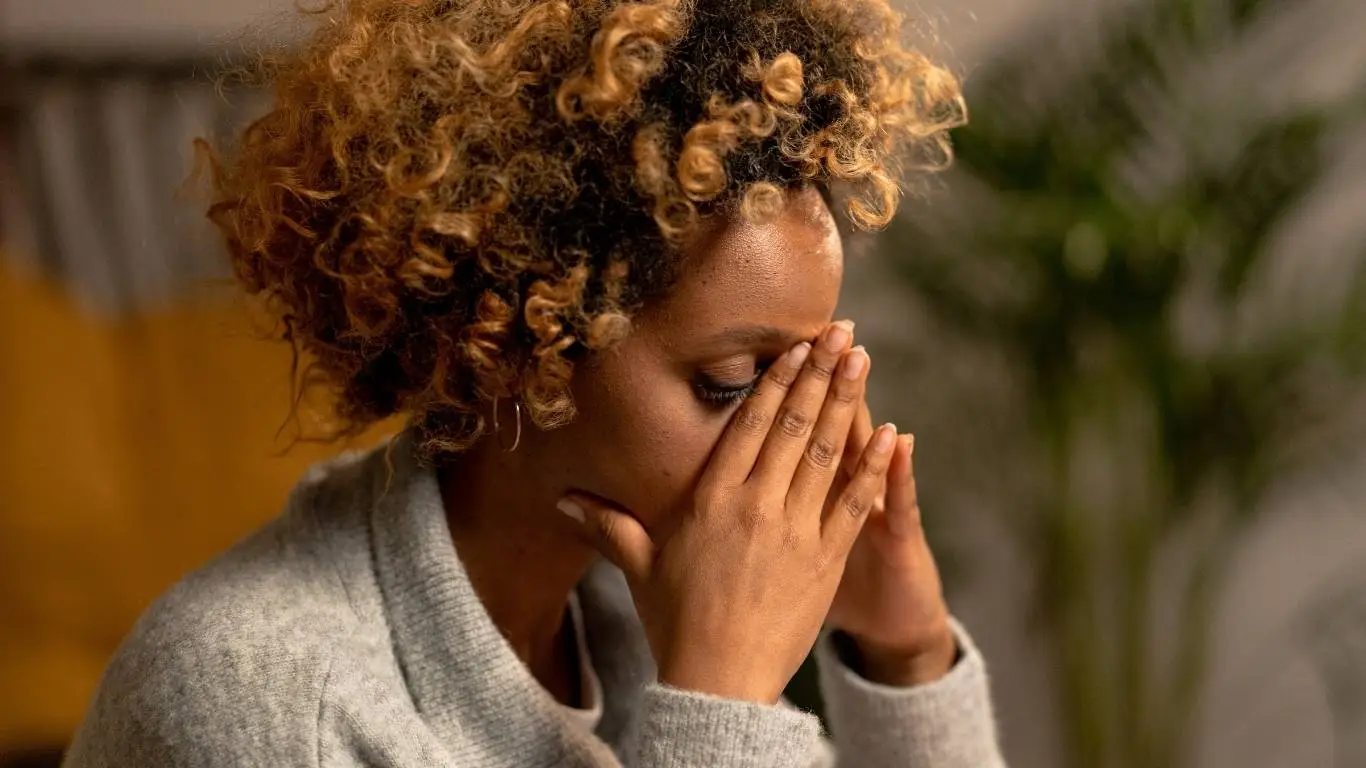
New relationships are like walking a tightrope without knowing how far the fall is. You’re excited, curious, and hopeful—but also completely exposed. That emotional openness can be exhilarating and terrifying all at once. For people with anxiety, the stakes feel higher because our brains are wired to anticipate danger, even when none is actually there.
“Did I say the wrong thing?” “Why didn’t they reply yet?” “Are they losing interest?” These are the kind of thoughts that loop endlessly. It’s exhausting, and it makes it hard to enjoy what should be a beautiful beginning.
Fear of Rejection or Abandonment
This is a big one. If you’ve been hurt before, your brain doesn’t forget. Starting something new often reactivates old wounds—especially if you’ve experienced relationship trauma or even childhood experiences that shaped how you attach to others.
Many people with anxiety replay their fears in their heads like a highlight reel of worst-case scenarios. It’s similar to performance anxiety, but in matters of the heart, it’s more personal. More raw.
How Anxiety Sneaks Into Romantic Beginnings
Overthinking Everything
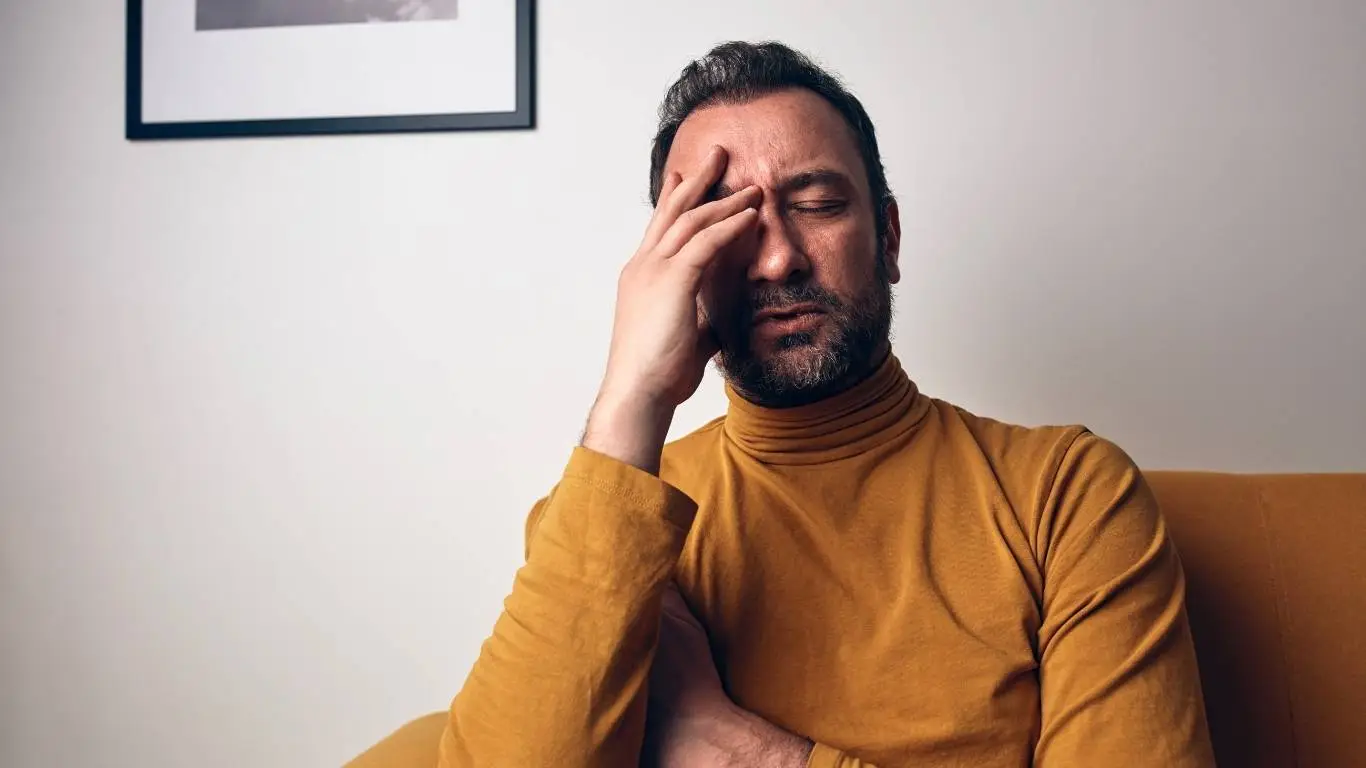
When I was first dating my now-partner, I’d re-read my texts 3-4 times before sending. I’d analyze their emojis like I was decoding ancient symbols. Was the “lol” genuine or just polite? Was the one-word reply a red flag? The overthinking never stopped.
This kind of analysis paralysis is common in relationship anxiety. We want to be loved and accepted—but our anxiety tells us we’re somehow too much, not enough, or one wrong word away from being left.
Need for Constant Reassurance
That itch to hear, “I like you,” or “We’re good,” isn’t about attention-seeking—it’s about calming a nervous system that sees silence as danger. People with relationship anxiety often seek validation more frequently. It’s not manipulative; it’s a coping mechanism.
But relying on reassurance can backfire if it creates tension or makes the other person feel overwhelmed. That’s where understanding cognitive distortions becomes so important.
Sabotaging Behavior
Ever pull away when things get too good? Or test someone’s commitment by picking fights? You’re not alone. Anxiety can trick us into protecting ourselves by pushing people away before they have the chance to hurt us.
It’s ironic—avoidance seems safe, but it often deepens the anxiety cycle. Relationships thrive on vulnerability, not control.
Ways to Cope Without Losing Yourself

1. Name What’s Happening
Sometimes, just admitting, “Hey, I’m feeling anxious right now,” takes the edge off. Labeling the emotion reduces its power. Anxiety often thrives in the shadows—bring it into the light and it loses some of its grip.
2. Set Healthy Boundaries
Boundaries aren’t just about saying no. They’re about communicating what you need to feel secure and respected. For instance, if texting too much is draining you, it’s okay to suggest a phone call instead. Or if silence sends you spiraling, be honest (without demanding) that consistency helps you feel grounded.
3. Talk About It (When It’s Time)
Once you’ve built some trust, share how anxiety shows up for you. You don’t have to dive into a therapy session on date two, but being authentic invites deeper connection. The right person won’t run from your honesty—they’ll lean in.
4. Use Tools That Actually Work
There’s no shortage of techniques that can help ease anxiety. I’ve personally benefited from journaling prompts designed for anxiety. Just dumping my thoughts onto paper before a date or after a stressful conversation has helped me stay grounded.
Others swear by breathing techniques, mindfulness apps, or even CBD (with your doc’s input). Don’t be afraid to experiment. Different tools work for different people.
5. Know the Signs of Something Deeper
Sometimes, what feels like relationship anxiety is part of a broader anxiety disorder—especially if it’s affecting other areas of your life. If that’s the case, check out how anxiety disorders are diagnosed and assessed so you’re not just treating symptoms, but addressing the root causes.
You’re Not Broken—You’re Human

We tend to think of anxiety as something that needs to be “fixed” before we can be lovable. But the truth is, your anxious mind doesn’t make you less worthy of love. If anything, it means you care deeply. You feel deeply. And with the right support and awareness, that can become a strength, not a burden.
Want to dig deeper into how anxiety intertwines with your daily experience and relationships? This guide on how anxiety disorders secretly control your daily life offers powerful insight. And if you’re wondering about more root causes behind your emotional patterns, this resource on the hidden causes of anxiety disorders is a great place to start.
You’re navigating love and mental health all at once—and that’s no small feat. But with a little self-awareness and the right strategies, it’s absolutely possible to find calm within the chaos.
When Anxiety Starts to Shape the Relationship

Patterns That Quietly Take Over
I didn’t realize it at first, but my anxiety was slowly becoming the third person in my relationship. I’d overanalyze my partner’s tone, worry I was “too much,” and constantly question where we stood. None of that was based on reality—it was my anxious thoughts subtly directing the narrative.
This is more common than you’d think. Anxiety can distort how you interpret even the smallest moments. A delayed reply becomes “They’re pulling away.” A quiet dinner becomes “They’re bored with me.” It’s exhausting—for both people involved.
Clingy vs. Connected
There’s a fine line between wanting connection and unintentionally crossing into codependency. When your emotional baseline is anxiety, it’s easy to blur those lines. I found myself needing texts just to feel okay, rather than truly connecting. That realization was a wake-up call.
Intrusive thoughts often sneak in and whisper that unless someone is constantly validating you, they don’t really care. But healthy love isn’t constant reassurance—it’s steady presence, even in silence.
Self-Sabotage in Disguise
Sometimes anxiety doesn’t make you cling—it makes you push away. You cancel plans. Pick fights. Convince yourself they’ll leave anyway, so better to create distance now. I did that more than once, thinking I was protecting myself. What I was really doing was building walls I didn’t want.
If this sounds familiar, it’s worth looking into how anxiety can quietly sabotage relationships. Recognizing these patterns is the first step to breaking them.
What Actually Helps (That No One Talks About)

1. Ground Yourself in Your Own Identity
This one changed everything for me. I stopped centering my self-worth around how the relationship was going. I went back to the things that made me feel grounded—journaling, music, walking without my phone. The more I remembered who I was outside the relationship, the less anxious I felt inside it.
Try it: Make a list of five things that bring you peace. Do one every day. Your relationship should complement your life, not consume it.
2. Practice “Name It, Don’t Blame It” Conversations
Instead of saying, “You don’t care about me,” I started saying, “When I don’t hear from you, my anxiety kicks in.” That shift created space for connection, not defensiveness. It turned conflict into collaboration.
This approach aligns with the principles behind Dialectical Behavior Therapy, which emphasizes emotional regulation and communication over confrontation.
3. Separate Intuition from Anxiety
Here’s a trick I learned in therapy: intuition feels calm and clear; anxiety feels urgent and chaotic. If your gut is telling you something and it’s wrapped in panic, it’s probably not intuition—it’s fear.
Whenever I felt triggered, I’d pause, take a breath, and ask myself: “Is this truth or a thought spiral?” That simple question pulled me out of countless mental rabbit holes.
4. Know When to Ask for Help
Sometimes love isn’t enough to ease anxiety. And that’s okay. I reached out to a therapist not because I was “broken,” but because I wanted tools. One of the most helpful resources I found was this breakdown of psychotherapy for anxiety. It made the idea of getting help feel less intimidating.
Even short-term therapy can be life-changing. And if you’re not quite ready for that, support groups can offer connection and insight from people walking the same path.
The Role of Trust (In Them—and Yourself)

Letting Go of Control
One of the hardest things I had to accept was that I can’t control how someone feels about me. I can’t control whether a relationship lasts. But I can control how I show up—with honesty, curiosity, and compassion for myself.
Trust isn’t about guaranteeing a perfect outcome. It’s about giving someone space to meet you halfway, without micromanaging every moment along the way.
Building Safety in Layers
If you deal with anxiety, you don’t need someone to “fix” it. You need someone who respects it. Someone who sees the work you’re doing and makes space for your growth, not guilt. That kind of connection builds emotional safety over time.
Start small: Share how your anxiety shows up. Set realistic expectations. Be curious about how your partner communicates, too. Trust is built in these small, everyday moments—not in grand declarations.
Your Anxiety Doesn’t Disqualify You From Love

There’s this unspoken myth that you have to “fix yourself” before you’re worthy of a good relationship. I call BS. You’re allowed to be a work in progress and still deserve love, connection, and someone who gets it.
If anxiety shows up in your relationships, it doesn’t mean you’re doomed—it means you’re human. And the more you understand how it operates, the more power you have to soften its edges. That’s why understanding its daily patterns is such a game-changer.
To really dive deep into where your relationship anxiety might be coming from (especially if it feels persistent), don’t miss this comprehensive guide on how anxiety disorders control your life beneath the surface. It unpacks the subtle ways anxiety shows up—and what you can do about it.
You’re not hard to love. You’re just learning to love yourself while loving someone else. And that’s a courageous, beautiful thing.

Camellia Wulansari is a dedicated Medical Assistant at a local clinic and a passionate health writer at Healthusias.com. With years of hands-on experience in patient care and a deep interest in preventive medicine, she bridges the gap between clinical knowledge and accessible health information. Camellia specializes in writing about digestive health, chronic conditions like GERD and hypertension, respiratory issues, and autoimmune diseases, aiming to empower readers with practical, easy-to-understand insights. When she’s not assisting patients or writing, you’ll find her enjoying quiet mornings with coffee and a medical journal in hand—or jamming to her favorite metal band, Lamb of God.