Are Floaters a Sign of High Eye Pressure or Just a Visual Quirk?
It started with just one. A weird little squiggly thing that floated across my field of vision one morning while I was staring out the window sipping coffee. I blinked, rubbed my eyes, and thought it was just dust. But it didn’t go away. Over time, more of these strange floaty shapes appeared—tiny translucent blobs, some string-like, some like cobwebs. I remember thinking, “Is this just aging?” But when I started reading about eye floaters and their connection to high eye pressure, I realized this could be something more serious.
Are Floaters a Warning Sign of High Eye Pressure?
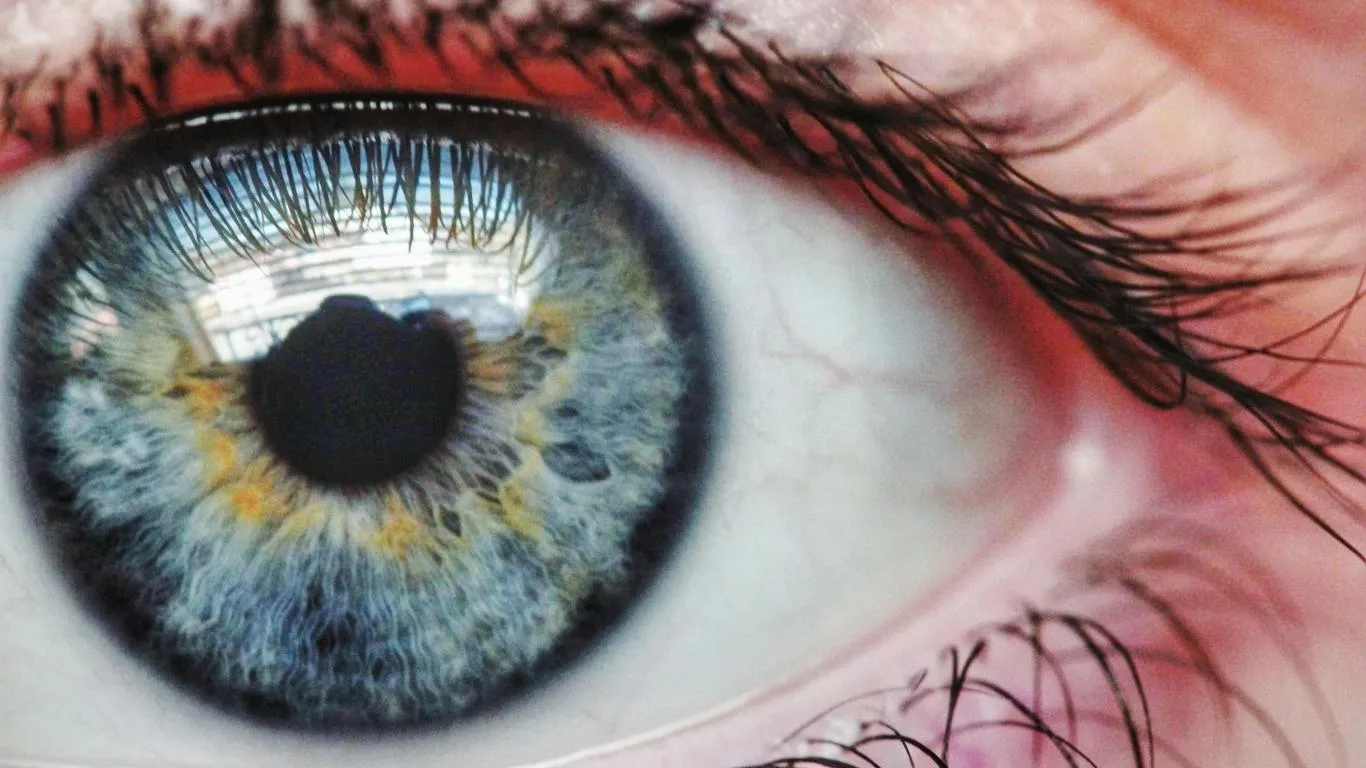
Here’s what I wish someone had told me: Floaters may seem harmless, and in many cases, they are. But when they start increasing or appearing alongside other subtle vision changes, they might be more than just a quirk of the aging eye. They could signal rising intraocular pressure (IOP), which, if left unchecked, may pave the way toward more serious issues like glaucoma.
How Eye Pressure and Floaters May Be Connected
To be clear, floaters don’t directly cause high eye pressure, nor does high pressure automatically result in floaters. But there’s an indirect connection. When pressure builds inside your eye—due to fluid imbalance, aging, or other causes—it can impact the vitreous body (the jelly-like substance inside the eye), which in turn may accelerate the detachment or clumping of collagen fibers. That’s often what people see as floaters.
If you’ve ever wondered, are floaters a sign of high eye pressure, you’re not alone. It’s a common concern among patients noticing sudden visual disturbances. What made me more curious was the sensation of eye pressure—not pain, but a dull heaviness—and blurry spots in the periphery. Sound familiar?
When to Worry About Your Floaters

It’s one thing to have the occasional floater drift by your vision on a sunny day. But it’s another when they start multiplying, darkening, or showing up alongside light flashes. That’s when I personally called my optometrist. She took one look and sent me for a comprehensive pressure test.
- Floaters with flashes of light – This could indicate traction on the retina, especially concerning with elevated IOP.
- Sudden burst of floaters – Might mean posterior vitreous detachment, sometimes worsened by high pressure.
- Blurred peripheral vision – Often linked with developing glaucoma, not just floaters.
If any of these sound familiar, don’t ignore them. While floaters alone aren’t proof of high eye pressure, in combination with other symptoms, they’re a flag worth checking out. This article on floaters and peripheral vision loss dives into why you should take these signs seriously.
Underlying Conditions That Link Floaters and Eye Pressure
High eye pressure doesn’t develop out of nowhere. In my case, it was a combination of long hours in front of screens, chronic dry eyes, and let’s be honest—ignoring eye appointments. But there are specific medical conditions that create the perfect storm:
- Ocular Hypertension – Elevated pressure without vision loss, but a red flag nonetheless.
- Glaucoma – Especially open-angle glaucoma, which often starts silently with rising pressure.
- Diabetic Retinopathy – As discussed in this deep dive on floaters and diabetes, sugar-related eye damage can influence both pressure and floaters.
Understanding whether floaters are just a visual nuisance or part of a broader issue starts with being aware of these connections. Not just reading about them, but actually booking that pressure test. That’s what finally gave me clarity—literally and figuratively.
What Eye Doctors Look for When You Report Floaters
When I finally sat in the exam chair and nervously described my floaters, I expected a brush-off. Instead, the optometrist did three things:
- Measured my intraocular pressure using tonometry (it was slightly elevated).
- Used dilated eye exams to check for retinal tears or detachment.
- Reviewed my history of migraines and dry eye, both common floater culprits.
What stood out was how thoroughly she linked my visual symptoms with other risk factors—like how stress and dehydration (both of which I had in spades) can subtly influence pressure. There’s a fascinating piece on smoking and eye floater severity that’s worth a read too, especially if you’re juggling lifestyle triggers.
What You Can Do Right Now
If you’re seeing floaters more frequently and wondering whether your eye pressure is to blame, start with the basics:
- Get an eye pressure test – It’s quick, painless, and can prevent long-term damage.
- Track your floaters – Note their size, shape, and when they appear. Patterns matter.
- Hydrate – Dehydration can affect vitreous clarity. You can read more on that in this piece on floaters and dehydration.
- Cut screen time – Or at least use blue light filters, which might help reduce floater irritation.
And here’s a pro tip: don’t just Google symptoms. Go straight to trusted info like this guide on dangerous floater signs or the main article on what eye floaters are and how they evolve.
Can High Eye Pressure Make Floaters Worse Over Time?
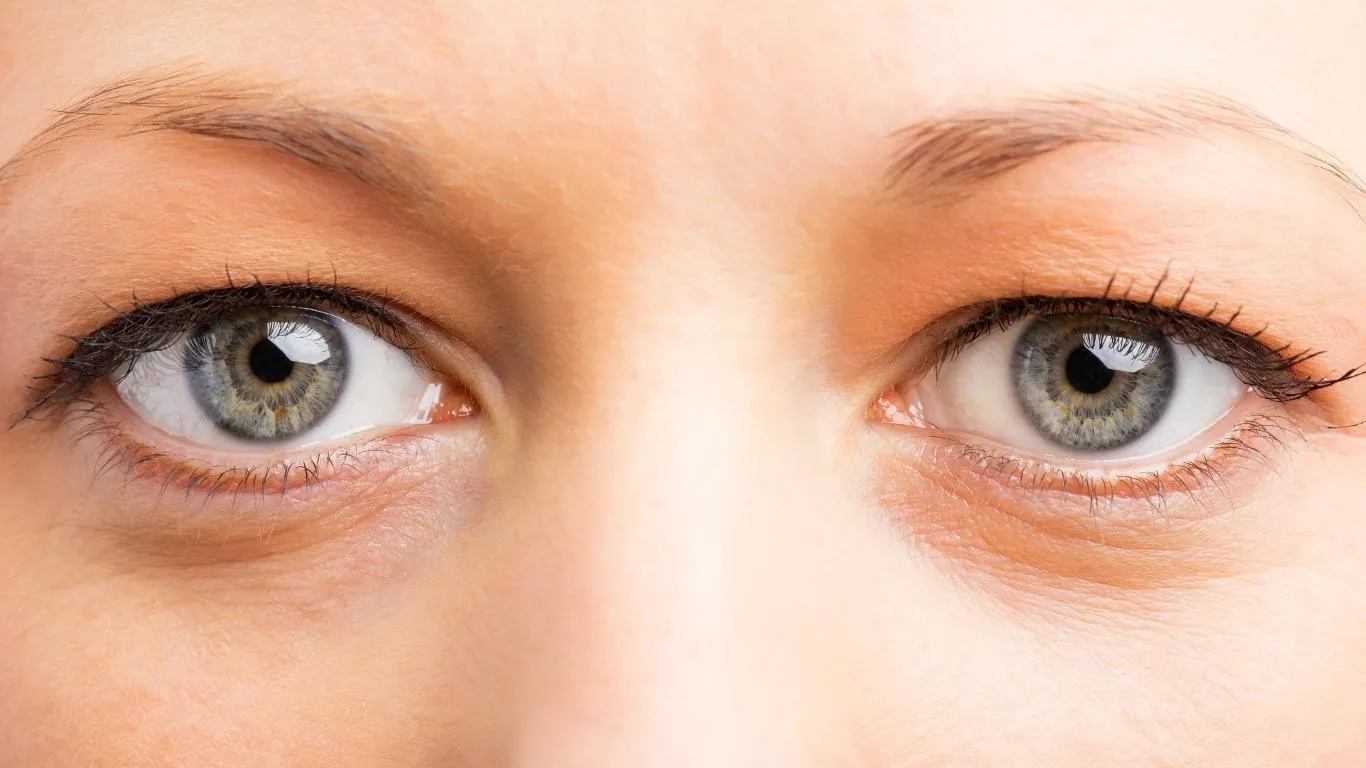
Here’s the thing most people don’t realize—I sure didn’t: elevated eye pressure doesn’t just sit quietly in the background. Over time, it can mess with your optic nerve, retinal structure, and even the consistency of your vitreous. And while floaters aren’t a direct measurement of damage, they can be a visual consequence of changes happening inside your eyes due to pressure.
In my case, I noticed the floaters became more opaque. Some days, it was like a swarm of gnats dancing across my vision. And oddly enough, they were more intense after stressful weeks or when my sleep was shot. It turns out, chronic tension and bad sleep habits can contribute to systemic blood pressure spikes—which are not friendly to your eyes.
There’s a fascinating read on how sleep deprivation worsens floaters, and it hits close to home if your nights have been rough lately.
How Your Lifestyle May Be Fueling Both Floaters and Pressure
Let’s not sugarcoat it. I was living off caffeine, skipping eye breaks, and using whatever eye drops I could find without checking the ingredients. Turns out, some medications for glaucoma and even over-the-counter options can shift the balance inside the eye and irritate the vitreous.
Here’s what I adjusted, and it made a noticeable difference in both the frequency of floaters and that weird pressure sensation:
- Switched to preservative-free eye drops
- Started tracking caffeine intake (cutting back actually helped a lot)
- Scheduled regular breaks away from screens—even just looking out a window helped reset my focus
And yes, I finally got blue-light filtering lenses. They made floaters less distracting, especially during late-night work sessions.
Tests That Reveal the Real Cause Behind Your Floaters
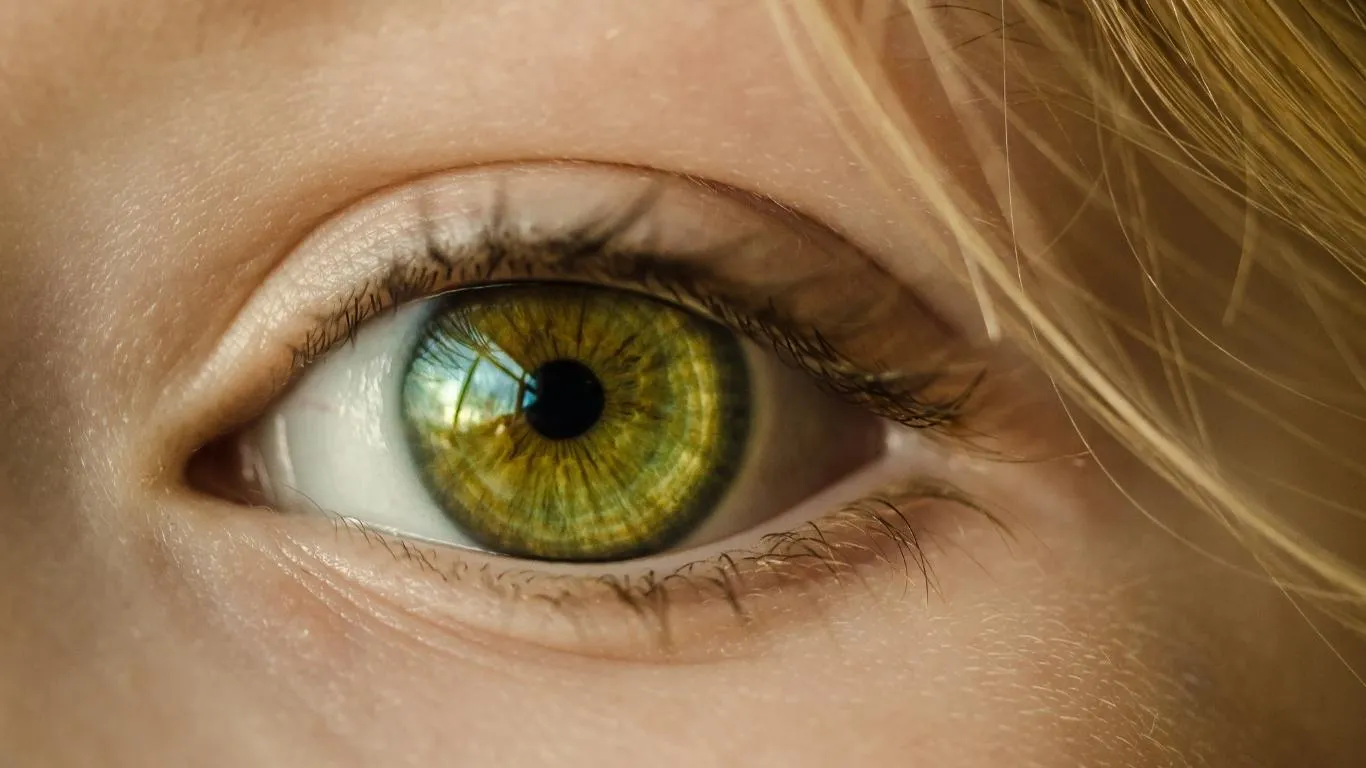
If you haven’t had a full eye pressure assessment in a while, schedule it. The two key tests my ophthalmologist ran were:
- Tonometry – Measures intraocular pressure (IOP). Mine was above 21 mmHg, the high-end threshold.
- OCT Scan – Looks at optic nerve health and early glaucoma damage. Thankfully, I was in the clear but borderline.
These aren’t just “peace of mind” tests. They’re the best way to catch creeping eye pressure issues before they do damage. If you’re noticing persistent floaters with a strange sense of tension in or around your eyes, you’re not being paranoid. You’re being proactive.
Related: floaters linked to medication side effects are more common than people think, and worth bringing up at your next appointment.
What to Ask Your Eye Doctor if You’re Noticing Floaters
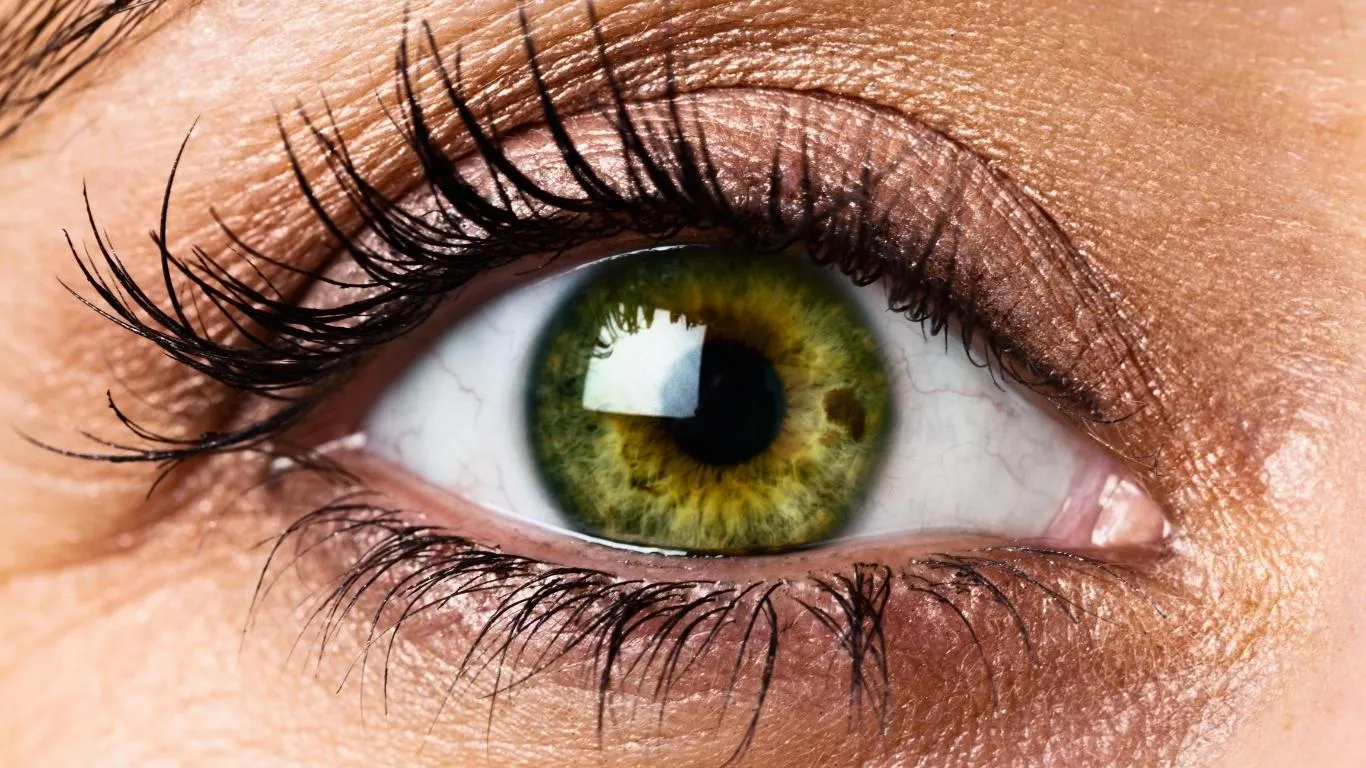
If your doctor brushes off floaters as “just aging,” don’t settle. Ask specific, pressure-focused questions like:
- “Can you check for subtle pressure changes over time?”
- “Do you see any signs of vitreous detachment or traction?”
- “Are my floaters linked to potential retinal or optic nerve issues?”
When I pushed a little, my doctor scheduled a follow-up pressure map (yes, it’s a thing) that showed small fluctuations missed in a single visit. That was the game-changer.
They also pointed me toward this complete guide on eye floater treatments, which covers everything from laser options to natural approaches—no fluff, just facts.
Reducing Floaters While Keeping Eye Pressure in Check
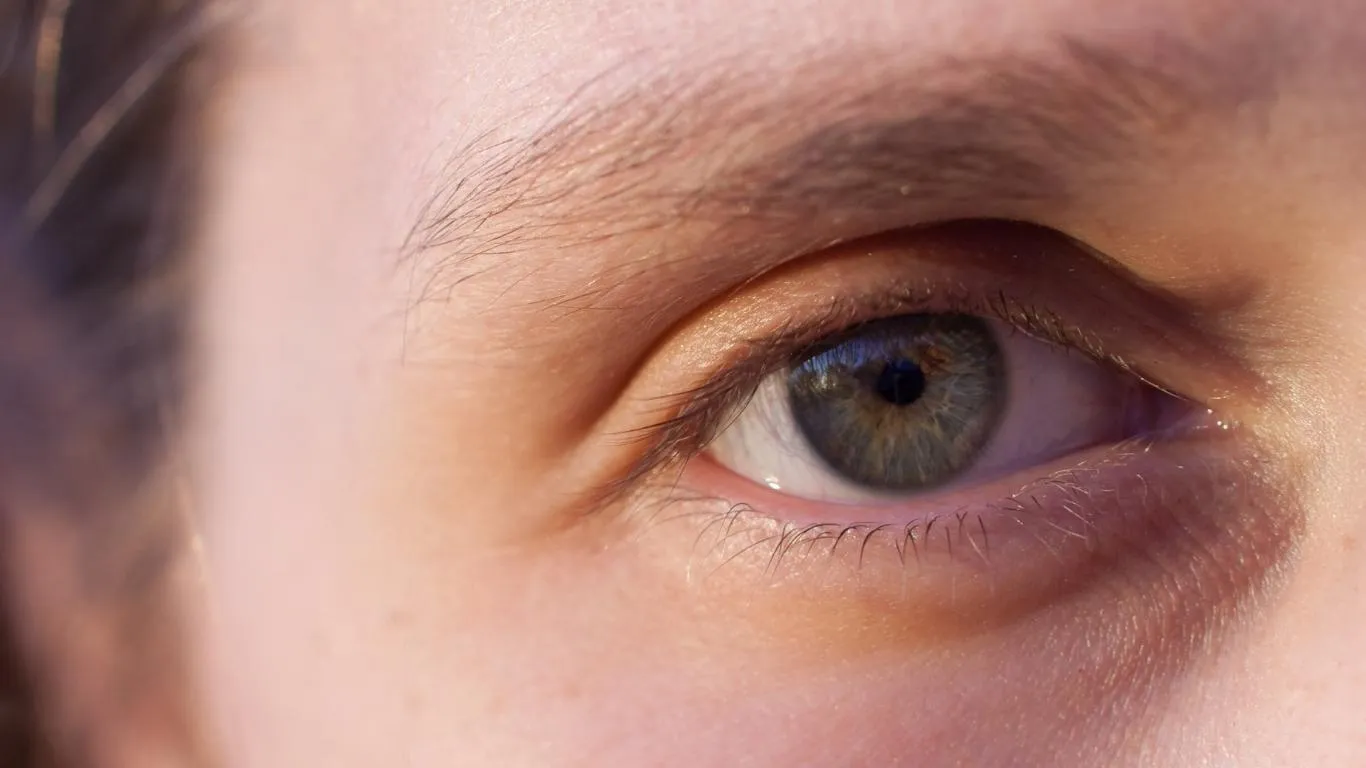
There’s no miracle fix, but you can ease both floaters and pressure through a combo of smart lifestyle tweaks and medical guidance. Here’s what worked for me:
- Omega-3 supplements – Noticed less “junk” floating in my field of vision after two months.
- Hydration & consistent sleep – Huge difference in morning eye clarity.
- Reduced screen strain – Used the 20-20-20 rule: every 20 minutes, look at something 20 feet away for 20 seconds.
- Monitored my IOP regularly – With my optometrist and, later, a home tonometer (yes, that exists!).
I also found that adding more eye-friendly foods (like spinach, eggs, and oranges) made a subtle difference over time. Here’s a solid list of diet changes you can start with, without overhauling your life.
Another resource that helped me make sense of everything was this detailed breakdown of how floaters differ from other visual disturbances. It helped me stop Googling every new dot and line I saw.
Don’t Ignore What Your Eyes Are Telling You
If you’re spotting more floaters than usual and wondering if it’s just stress—or something more—trust your gut. Your eyes are talking to you. Whether it’s high IOP, early-stage glaucoma, or simple vitreous aging, it’s always better to know.
For a deeper understanding of what warning signs to take seriously, this guide on dangerous signs of floaters from Healthusias lays it out without panic or fluff. And for the broader picture of causes, treatments, and how floaters evolve over time, don’t miss the full breakdown at the main pillar article here.

Camellia Wulansari is a dedicated Medical Assistant at a local clinic and a passionate health writer at Healthusias.com. With years of hands-on experience in patient care and a deep interest in preventive medicine, she bridges the gap between clinical knowledge and accessible health information. Camellia specializes in writing about digestive health, chronic conditions like GERD and hypertension, respiratory issues, and autoimmune diseases, aiming to empower readers with practical, easy-to-understand insights. When she’s not assisting patients or writing, you’ll find her enjoying quiet mornings with coffee and a medical journal in hand—or jamming to her favorite metal band, Lamb of God.