Are Floaters a Sign of Visual Stress or Something More Serious?
I still remember the first time I noticed them—those weird little shadowy specks drifting across my vision. I thought a bug was flying near my face, but nothing was there. A couple of weeks passed, and they stuck around. I panicked and did what most of us do—I Googled it. “Eye floaters.” The results were overwhelming. Some said they were harmless; others hinted at something much worse. But the one explanation that stood out to me was this: *visual stress*. Could that really be it?
Are Floaters a Sign of Visual Stress?
So here’s the deal—most people associate floaters with aging or sudden eye trauma, which is true in many cases. But what about folks like me, who suddenly started seeing floaters during periods of intense mental strain, high screen time, or poor sleep? That’s where the concept of *visual stress* starts making a whole lot of sense.
Visual stress isn’t just tired eyes after staring at your laptop too long. It’s a real phenomenon where the visual processing system gets overwhelmed. Symptoms range from blurred vision, headaches, eye strain, and—yep, you guessed it—floaters. And while mainstream ophthalmology doesn’t always make a direct connection, anecdotal evidence and holistic perspectives suggest a definite link worth exploring.
What Is Visual Stress Anyway?
Visual stress, also known as Meares-Irlen Syndrome in some cases, happens when your brain struggles to process visual information efficiently. This often shows up as:
- Sensitivity to bright or flickering light
- Difficulty reading or focusing
- Eye strain after short periods of screen exposure
- Headaches that seem vision-related
- And for some, the sudden appearance of floaters
If you find yourself squinting through screens, rubbing your eyes every ten minutes, or feeling like your vision “gets worse” with stress—you’re not alone. There’s growing awareness that mental and visual overload can manifest in physical symptoms, including floaters.
How Visual Stress Might Trigger Eye Floaters
The eye is a complex organ, and while floaters usually originate in the vitreous humor—the gel-like substance inside the eye—many experts now believe stress can indirectly influence their appearance. Here’s how:
- Reduced hydration and blood flow during stress can change how your eye’s fluids behave, making existing floaters more noticeable.
- Tension around the ocular muscles can distort your perception of light and shadows, exaggerating the appearance of floaters.
- Poor blinking habits (especially during screen time) can lead to dry eyes, a condition linked with heightened floater visibility here.
I’ve personally noticed that my floaters become more prominent on days when I’m juggling deadlines, skipping water, and glued to my screen for hours. The science may still be catching up, but our eyes don’t lie—they’re deeply connected to our physical and emotional well-being.
Stress-Induced Floaters vs. Other Causes
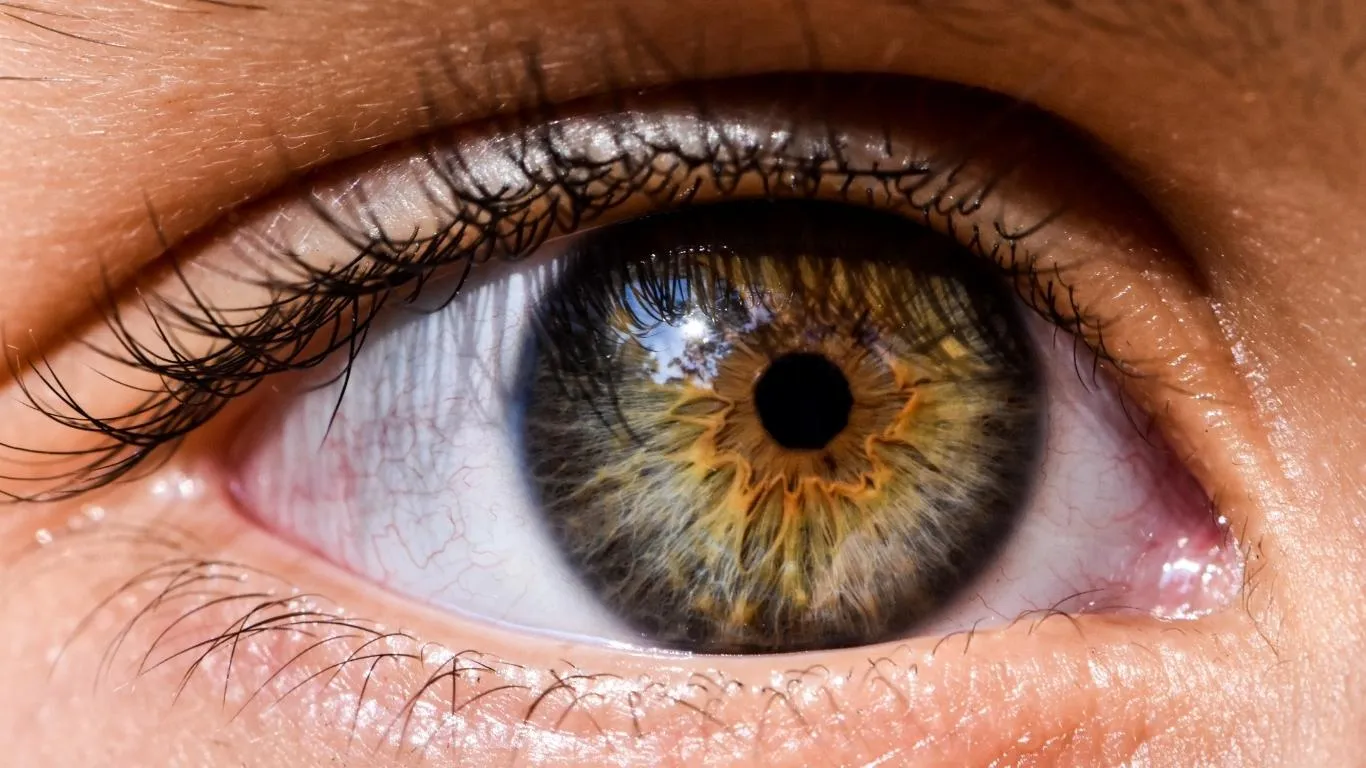
Not all floaters are created equal. Floaters caused by visual stress tend to be:
- Intermittent—coming and going depending on fatigue or stress levels
- More noticeable against screens or bright backgrounds
- Accompanied by other symptoms like light sensitivity or headaches
On the flip side, floaters from posterior vitreous detachment (PVD), retinal tears, or infection often appear suddenly and are persistent. These types demand immediate attention. You can read more about these more serious causes in this detailed breakdown on when floaters signal something dangerous.
What helps here is tracking patterns. If your floaters worsen after emotional stress, sleep deprivation, or caffeine overload, chances are your nervous system and eyes are on the same wavelength—an overloaded one.
Small Lifestyle Shifts That Help Big
Over the last year, I’ve tried a bunch of things to reduce my own floaters—and while nothing made them disappear entirely, several tweaks did reduce their frequency and visibility:
- Blue light filters: Whether on my phone or glasses, these made a bigger difference than I expected. Also shared in this guide on blue light filters.
- Intentional blinking: Sounds silly, but consciously blinking every few seconds during screen time helped reduce dry eye symptoms.
- Hydration: I underestimated how much water affects eye clarity. A small but powerful change.
- Eye exercises: Simple focus-shifting routines or even short breaks helped ease tension and sharpness.
What really surprised me? Cutting down on stress itself. Mindfulness practices, better sleep, and stepping away from screens reduced the intensity of my symptoms. Visual stress isn’t just about the eyes—it’s about everything that overloads your sensory system.
When to See a Professional
Let’s be real—if floaters appear suddenly, come with flashes of light, or your peripheral vision starts acting weird, don’t mess around. Go see an eye doctor. Floaters tied to stress may come and go, but other types could indicate retinal tears or detachment. You can explore more on this from our posterior vitreous detachment guide.
Also, if you’re dealing with persistent floaters post-surgery or post-infection, it’s worth digging deeper. Here’s one take on floaters after trauma that resonated with my experience.
And if you’re curious about the broader causes, symptoms, and treatments, check out this main guide on eye floaters and our central pillar post on common causes of floaters.
Why Floaters Seem Worse When You’re Mentally Drained
Ever notice how your floaters seem to go into overdrive after a long workday or an emotional meltdown? You’re not imagining it. When you’re mentally or emotionally drained, your brain’s ability to filter out irrelevant visual input weakens. That means those little floaty dots and threads you usually ignore suddenly become the star of the show. It’s not that they’re new—your brain just isn’t able to tune them out like it usually does.
I first realized this after a rough week dealing with family drama. Sitting on my couch, I looked at the ceiling and boom—there they were. Strings, circles, weird little shapes just drifting. The kicker? I hadn’t seen them in days before that. That experience led me to this eye-opener on why floaters worsen when you’re tired, and it made so much sense.
Stress, Cortisol, and Visual Perception
Here’s a little science to go with the story. Stress floods your body with cortisol, a hormone that impacts everything from your sleep to your immune system—and yes, even your eyes. High cortisol levels can affect ocular blood flow, mess with hydration, and tighten your muscles. It also impacts how your brain processes vision, which might explain why floaters appear more frequently or seem larger when you’re under pressure.
Some researchers suggest this is why floaters show up during migraines or right after periods of intense anxiety. There’s even a link between migraine aura and floaters, which is a whole rabbit hole worth diving into if you’ve had both.
Can You Prevent Floaters Triggered by Visual Stress?
Here’s the million-dollar question: If floaters are connected to stress, screen time, and fatigue, can we prevent them or at least reduce how often they show up?
Short answer: kind of.
You probably can’t stop floaters completely if your vitreous is already thinning or degenerating (which naturally happens with age). But what you can do is *reduce the factors that make them worse or more noticeable.* That’s what worked for me—and trust me, I tried nearly everything short of surgery.
Visual Hygiene Habits That Actually Help
- 20-20-20 Rule: Every 20 minutes, look at something 20 feet away for 20 seconds. Simple, free, and surprisingly effective.
- Better lighting: I swapped harsh overheads for warm, diffused lamps. Game changer for eye comfort. Backed up here: best lighting for floaters.
- Screen contrast settings: High contrast might seem helpful, but it actually made my floaters pop more. Lowering brightness and using dark mode helped reduce visual stress.
- Proper posture: Believe it or not, your neck and shoulder tension can impact ocular pressure. Here’s a breakdown on how posture affects floaters.
Natural Remedies That Support Visual Clarity
Okay, let’s be clear—there’s no proven “cure” for floaters, despite what some sketchy ads online might say. But certain natural remedies may support eye health and reduce visual stress, making floaters less distracting.
Based on my own experimentation (and lots of reading), here are a few things that actually felt like they helped:
- Magnesium supplements: Helped relax my eye muscles and reduce screen-induced fatigue. Also discussed here.
- Bilberry extract: Some evidence suggests it supports retinal health. Worth trying for a few months.
- Eye yoga: Sounds gimmicky, but even a few minutes a day brought noticeable relief. Try these eye yoga poses for floaters.
- Hydration + electrolyte balance: Water alone wasn’t enough—I had to balance my minerals, especially on stressful days.
Emotional Triggers Deserve More Attention
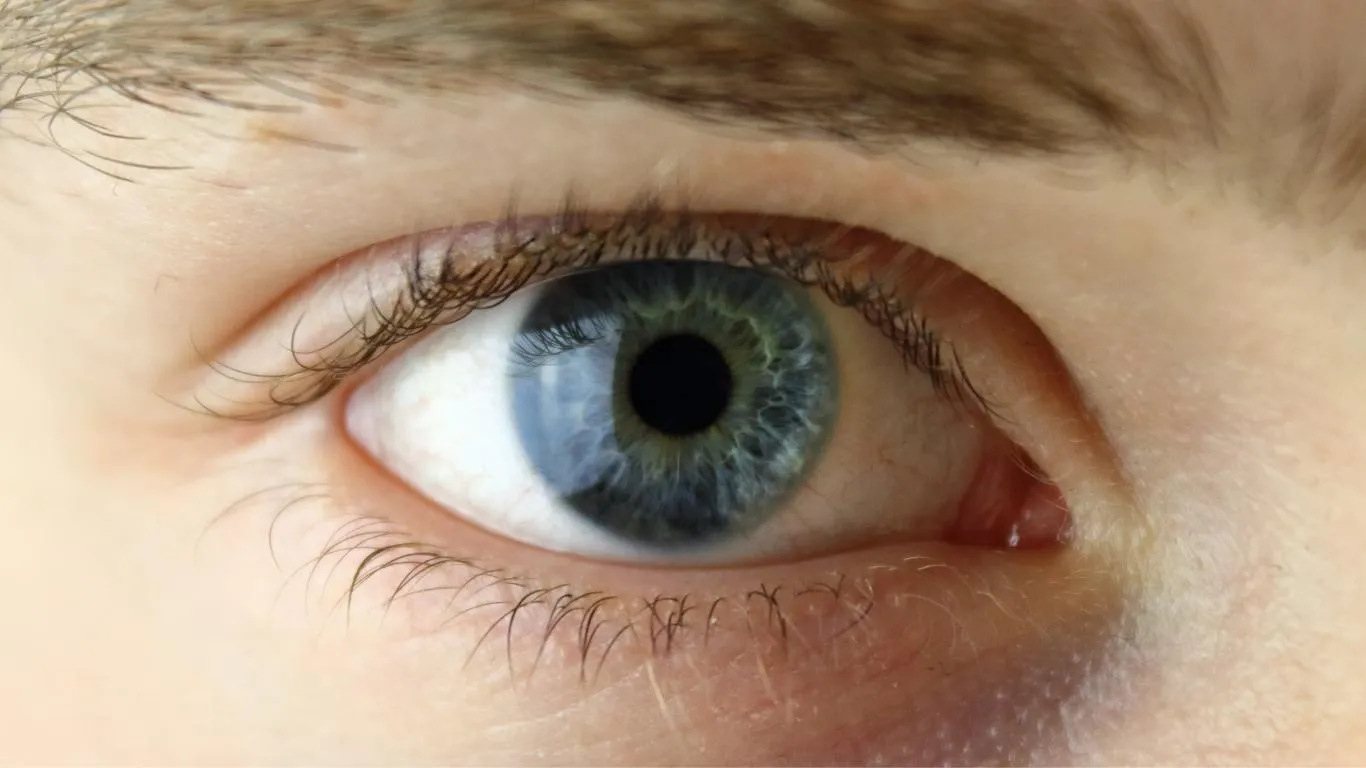
Most discussions around floaters are ultra clinical. But honestly? For me, the emotional side was just as powerful. After a major argument or panic attack, my floaters almost always returned—sometimes for hours.
It’s no coincidence that emotional trauma and floaters are now being studied together. Floaters can be a literal signal that your nervous system is dysregulated. The moment I started paying attention to my stress triggers, floaters became more like a warning light than a mystery.
That said, if your floaters are significantly affecting your mental health, don’t ignore it. There’s a deep dive on mental health and floaters that really opened my eyes—pun intended.
When Lifestyle Changes Aren’t Enough
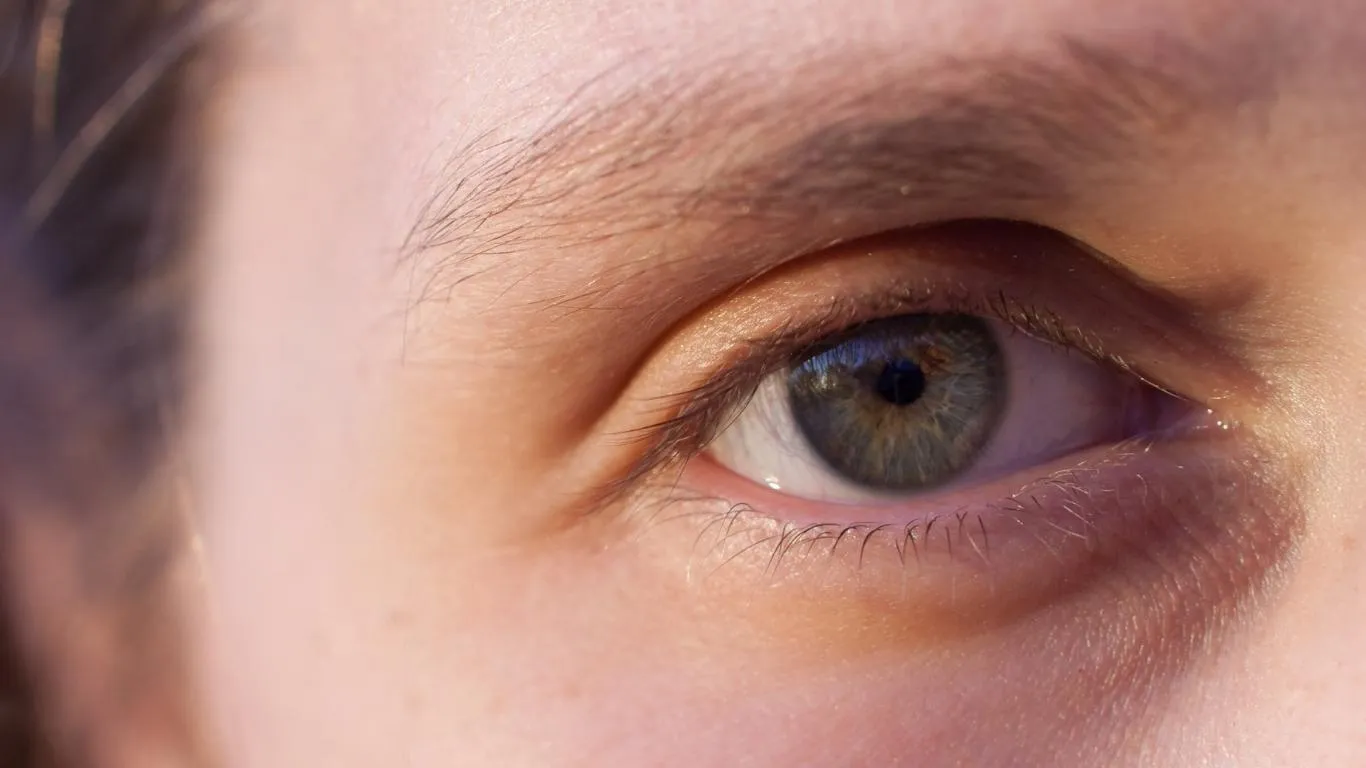
Sometimes, no matter what you try, floaters persist or worsen. That’s when you may want to explore medical options. Procedures like YAG vitreolysis or vitrectomy exist, but they’re not without risks. I personally haven’t gone that route, but I know others who found relief after trying everything else.
And remember, not all floaters are stress-related. Sudden changes in shape, brightness, or frequency? That’s your cue to visit a retina specialist immediately. Check this complete resource on treatments from observation to surgery for a helpful rundown.
If you’ve been nodding along while reading this, you’re not alone. Visual stress is a real, under-recognized trigger for floaters. And while we might not be able to eliminate them entirely, we can definitely shift how we manage them.
To understand the root causes in more depth, I highly recommend checking out the main pillar on causes of floaters and the broader guide on what eye floaters really are.

Camellia Wulansari is a dedicated Medical Assistant at a local clinic and a passionate health writer at Healthusias.com. With years of hands-on experience in patient care and a deep interest in preventive medicine, she bridges the gap between clinical knowledge and accessible health information. Camellia specializes in writing about digestive health, chronic conditions like GERD and hypertension, respiratory issues, and autoimmune diseases, aiming to empower readers with practical, easy-to-understand insights. When she’s not assisting patients or writing, you’ll find her enjoying quiet mornings with coffee and a medical journal in hand—or jamming to her favorite metal band, Lamb of God.