How Asymmetrical Muscle Use Can Quietly Trigger Scoliosis
Last year, after months of working at a makeshift desk and unknowingly favoring one side of my body more than the other, I started feeling a strange pull in my lower back. It wasn’t a sharp pain, just a subtle misalignment I kept brushing off. I later found out that it wasn’t just poor posture—it was my body reacting to years of asymmetrical muscle use. What surprised me even more? This imbalance was beginning to trigger scoliosis symptoms I didn’t even know I had.
What Is Asymmetrical Muscle Use—And Why It Matters
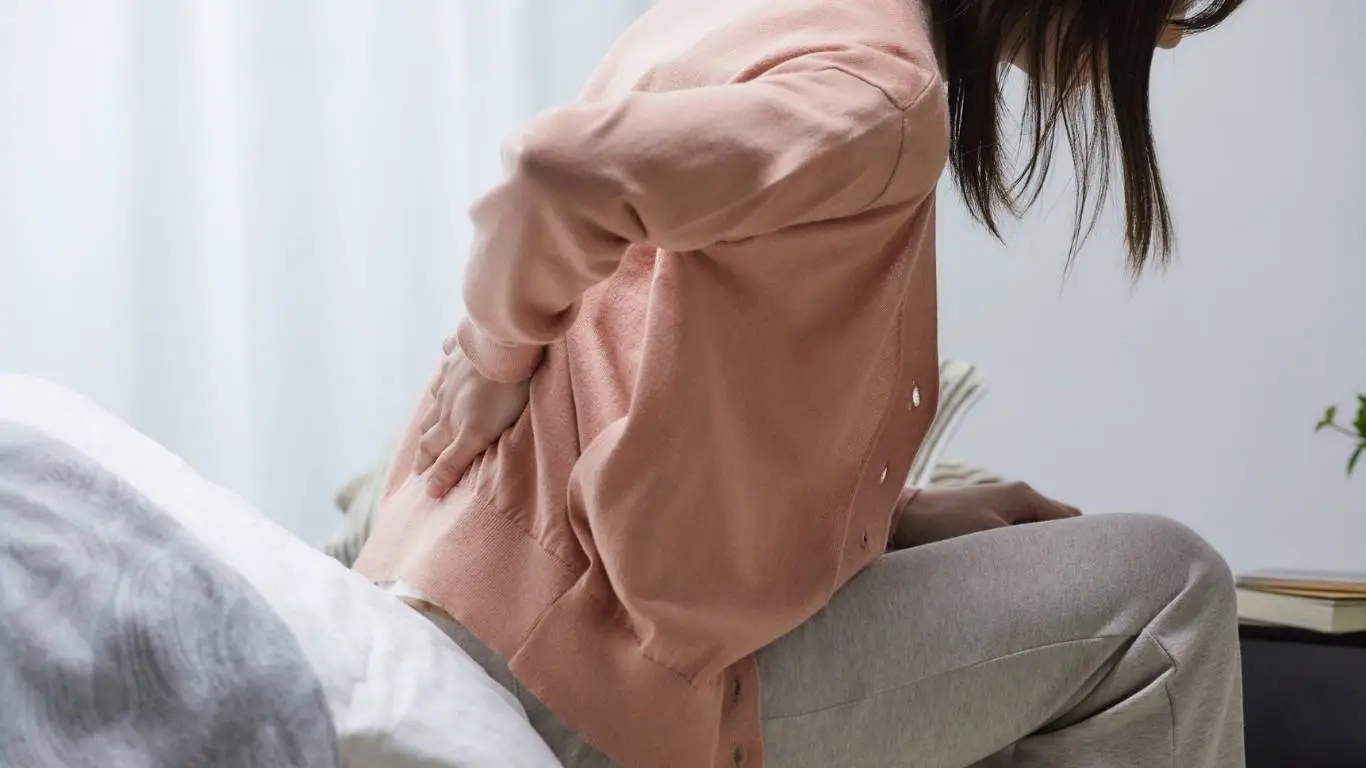
We all have a dominant side—whether you’re right-handed or always lean to one side while driving. But repetitive motion or static positions that favor one side can cause muscular imbalances over time. This is what we call asymmetrical muscle use. And while it sounds harmless at first, it can lead to long-term postural changes, muscle strain, and even spinal curvature.
What Causes These Muscle Imbalances?
- Favoring one side while standing or sitting
- Consistently carrying bags on one shoulder
- Overusing one limb in sports or workouts
- Previous injuries that shift body mechanics
It’s easy to dismiss these habits as minor. But over time, they alter how muscles engage and relax, especially around the spine and hips. I learned this the hard way—when my right lower back muscles stayed perpetually tight while my left side weakened, my hips started to rotate, subtly affecting my spine alignment.
How Asymmetry Can Trigger or Worsen Scoliosis

Many people assume scoliosis is purely genetic or starts during adolescence. While that’s partly true, there’s also something called functional scoliosis—a curvature caused by muscular imbalances rather than structural bone changes. According to experts at ncbi.nlm.nih.gov, repeated uneven muscle use can create the conditions for this curvature to appear or worsen existing minor scoliosis.
Signs That Muscle Imbalance Might Be Affecting Your Spine
- Uneven shoulder height
- One hip appearing higher than the other
- Persistent lower back tightness on one side
- A noticeable lean when walking or standing
I had a slight lean and thought it was normal fatigue. But during a physiotherapy session, my therapist pointed out a subtle thoracolumbar curve. After some imaging, it turned out I had a mild scoliosis pattern likely caused—or at least aggravated—by my uneven muscular patterns.
Everyday Habits That Make It Worse

You might be surprised how your daily lifestyle contributes to worsening the imbalance. From your gym form to the way you sleep, small choices matter.
Common Triggers That Feed the Imbalance
- Desk setup: Turning to one side to look at a monitor all day
- Driving posture: Leaning on one elbow or shifting your weight
- Sleep position: Always lying on one side without support
- Workout habits: Overloading dominant limbs without balancing exercises
If you’re a side sleeper like me, try placing a pillow between your knees and adjusting head support. It’s a small change, but for me, it reduced the morning tightness I used to wake up with.
Rebalancing Strategies That Actually Work

The good news? Your body is adaptable. Even if you’ve developed a pattern of uneven muscle use, it’s not too late to intervene. What worked best for me was combining targeted stretches, strengthening exercises for the underused side, and paying close attention to how I sit and move throughout the day.
Top Tips to Start Correcting Imbalances
- Incorporate unilateral exercises (e.g., single-leg deadlifts, split squats)
- Stretch dominant muscles more often
- Use mirrors or video to check posture during workouts
- Alternate shoulders for bags and backpacks
- Try Pilates or yoga routines that emphasize alignment
This Pilates-based approach helped me reconnect with my weaker core muscles and understand how poor engagement was allowing my spine to twist slightly under pressure.
When to Get Professional Help

If you’re noticing persistent discomfort, or your body feels “off balance” more often than not, it’s worth getting a professional assessment. Physical therapists and chiropractors can help identify muscular discrepancies and guide you with corrective plans. Don’t wait until the discomfort becomes debilitating or visibly changes your posture.
For a more clinical understanding of spinal deviations and scoliosis symptoms, this guide on middle back pain warning signs offers helpful red flags you shouldn’t overlook.
You might also benefit from exploring this detailed section on rehabilitation and ergonomics—it’s filled with long-term strategies to improve symmetry and reduce strain. And for a broader overview of back health, don’t miss the comprehensive guide at Healthusias’ main back pain resource.
When Asymmetry Persists: Long-Term Risks and Complications

If you’ve been ignoring muscular imbalance for a while, thinking it’s “just how your body is,” you’re definitely not alone—I used to rationalize my tilted stance by blaming my old mattress. But when left unchecked, asymmetrical muscle use can create a snowball effect. Chronic tightness on one side leads to compensation in other muscle groups, which eventually disrupts spine alignment and joint health.
This domino effect can result in:
- Functional leg length discrepancies—where one leg “appears” shorter due to pelvic tilt
- Hip impingement or rotation
- Spinal compression or nerve irritation
- Increased curvature progression in those predisposed to scoliosis
The more your body has to work around the imbalance, the more likely it is to create secondary issues like knee or shoulder pain. In my case, the scoliosis curve had a domino impact—leading to sharp pain around the SI joint after sitting for long hours.
Smart Interventions: Moving Beyond Stretching

While stretching is a good start, it’s rarely enough on its own. Recovery and prevention require neuromuscular re-education—basically training your brain and muscles to fire symmetrically again.
Effective Therapeutic Techniques
- Proprioceptive training: Balance exercises that restore awareness of body position
- Myofascial release: Manual therapy or foam rolling to release tight tissue
- Postural retraining: Guided movements to re-establish symmetry
- Core stabilization: Activating deep core muscles to support the spine evenly
If scoliosis symptoms are already showing, a structured plan that includes early care for disc-related scoliosis pain can make a world of difference before the curve worsens.
Working with Specialists: Your Body, Rebalanced

After finally booking an assessment with a chiropractor, I learned how much asymmetry was behind my pain—not just scoliosis but muscle tightness wrapping around the thoracic spine. He collaborated with a physical therapist who gave me a custom corrective program, which included everything from diaphragmatic breathing to glute isolation exercises.
If you’re considering therapy, start with providers who understand spinal mechanics. You can also explore complementary methods like chiropractic adjustments or osteopathic manipulation—both of which are rooted in realigning body systems.
Everyday Adjustments That Restore Symmetry
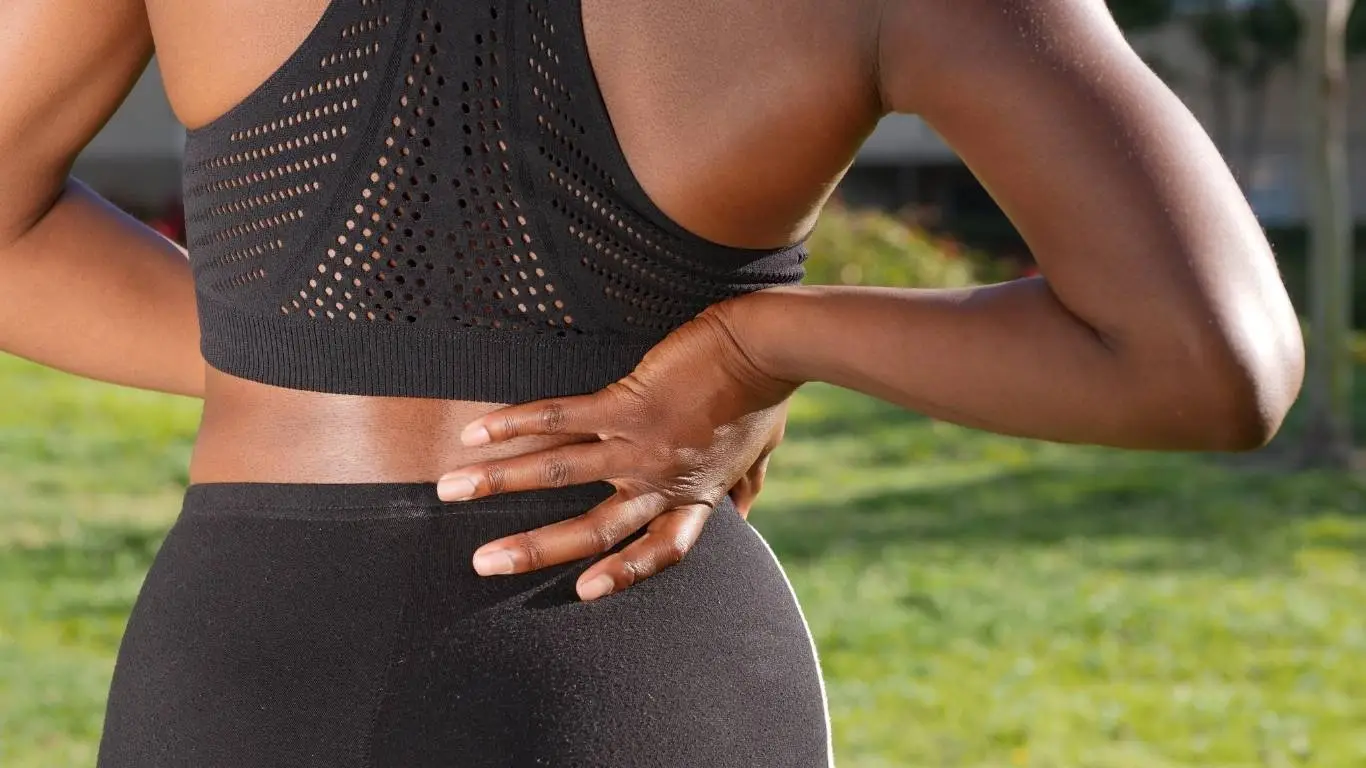
Correcting asymmetry isn’t just about therapy—it’s about embedding healthy movement into daily life. I made some surprisingly simple changes that helped me level out muscular tension on both sides:
- Switched to a proper ergonomic chair that keeps my pelvis neutral
- Started alternating standing and seated work with a standing desk
- Ditched one-shoulder bags for a backpack with even support
- Used a mirror to monitor alignment during workouts and daily tasks
And trust me—once your environment stops feeding the imbalance, your muscles will thank you. Your spine can finally stop working overtime to stay upright.
Supportive Tools & Ergonomic Aids

Alongside physical rehab, the right tools can help support recovery and maintain proper alignment.
What Helped Me Most
- Foam rollers: Daily release on tight side (especially lats and hip flexors)
- Resistance bands: Great for unilateral core and glute activation
- Orthotic insoles: To fix subtle foot-level asymmetries
- Back braces: For occasional reinforcement—see when to use and when to avoid
If you’re still not sure where to start, this curated list of lifestyle and natural support tools covers everything from posture hacks to daily habits that help rebalance the body naturally.
Where Science Meets Daily Life

Real recovery from scoliosis-related pain isn’t about dramatic surgery or overnight fixes. It’s about small, consistent shifts—retraining how you move, how you rest, and how you load your body. It’s about understanding the root cause, not just masking symptoms. The more you understand the effect of asymmetrical muscle use, the better equipped you are to manage and prevent long-term issues.
Want to go deeper into personalized back care strategies? Explore this core back pain pillar for broader guidance and evidence-backed solutions.

Camellia Wulansari is a dedicated Medical Assistant at a local clinic and a passionate health writer at Healthusias.com. With years of hands-on experience in patient care and a deep interest in preventive medicine, she bridges the gap between clinical knowledge and accessible health information. Camellia specializes in writing about digestive health, chronic conditions like GERD and hypertension, respiratory issues, and autoimmune diseases, aiming to empower readers with practical, easy-to-understand insights. When she’s not assisting patients or writing, you’ll find her enjoying quiet mornings with coffee and a medical journal in hand—or jamming to her favorite metal band, Lamb of God.