Best Back-Focused Wearable Tech That Actually Helps Posture
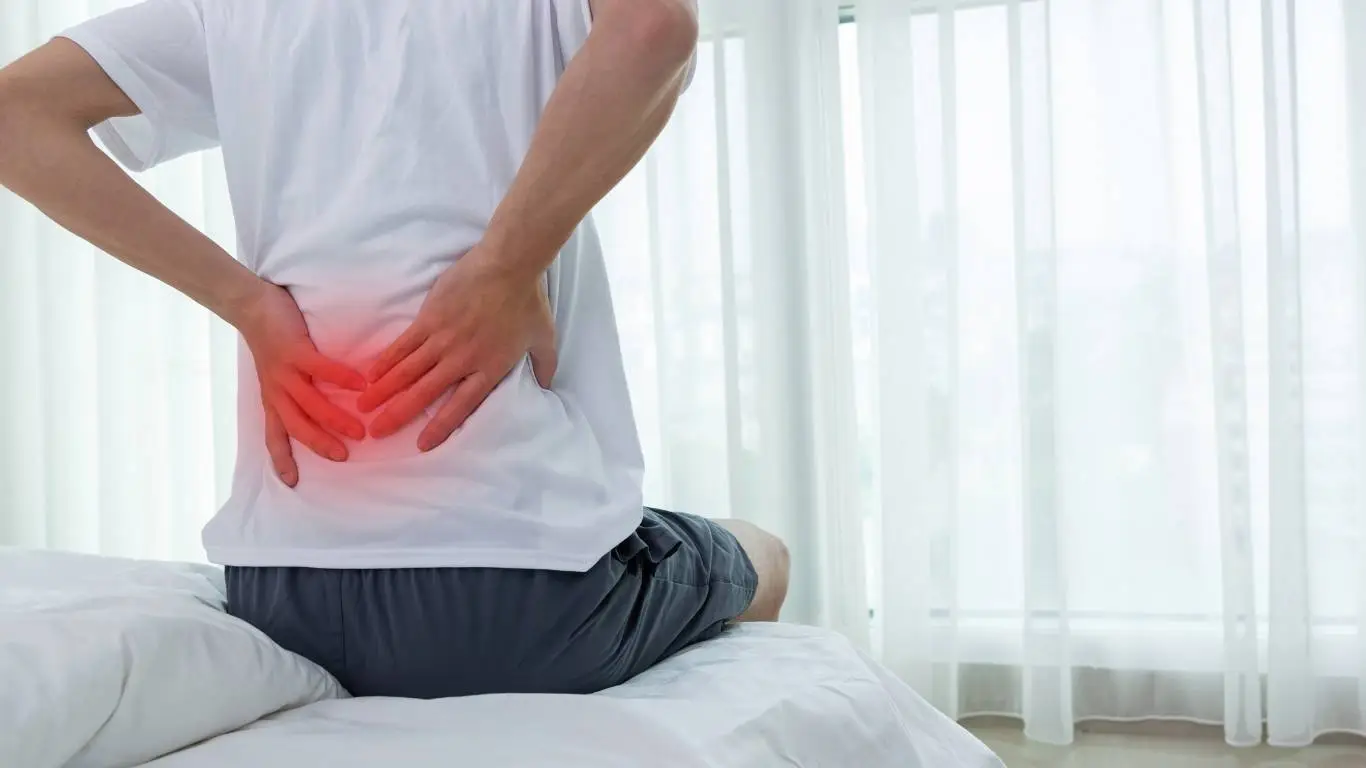
Back pain used to feel like a permanent fixture in my life—something I just had to “deal with.” Long hours at the desk, awkward sleeping positions, and occasionally overdoing it at the gym… it all added up. I tried stretches, massage, even swapped out my office chair—nothing stuck. But then I stumbled upon wearable health tech for back support and posture correction, and it genuinely changed my daily experience. Since then, I’ve tested dozens—some helpful, some hilariously ineffective—and today, I’m laying it all out.
Understanding What “Back-Focused Wearable Tech” Really Means
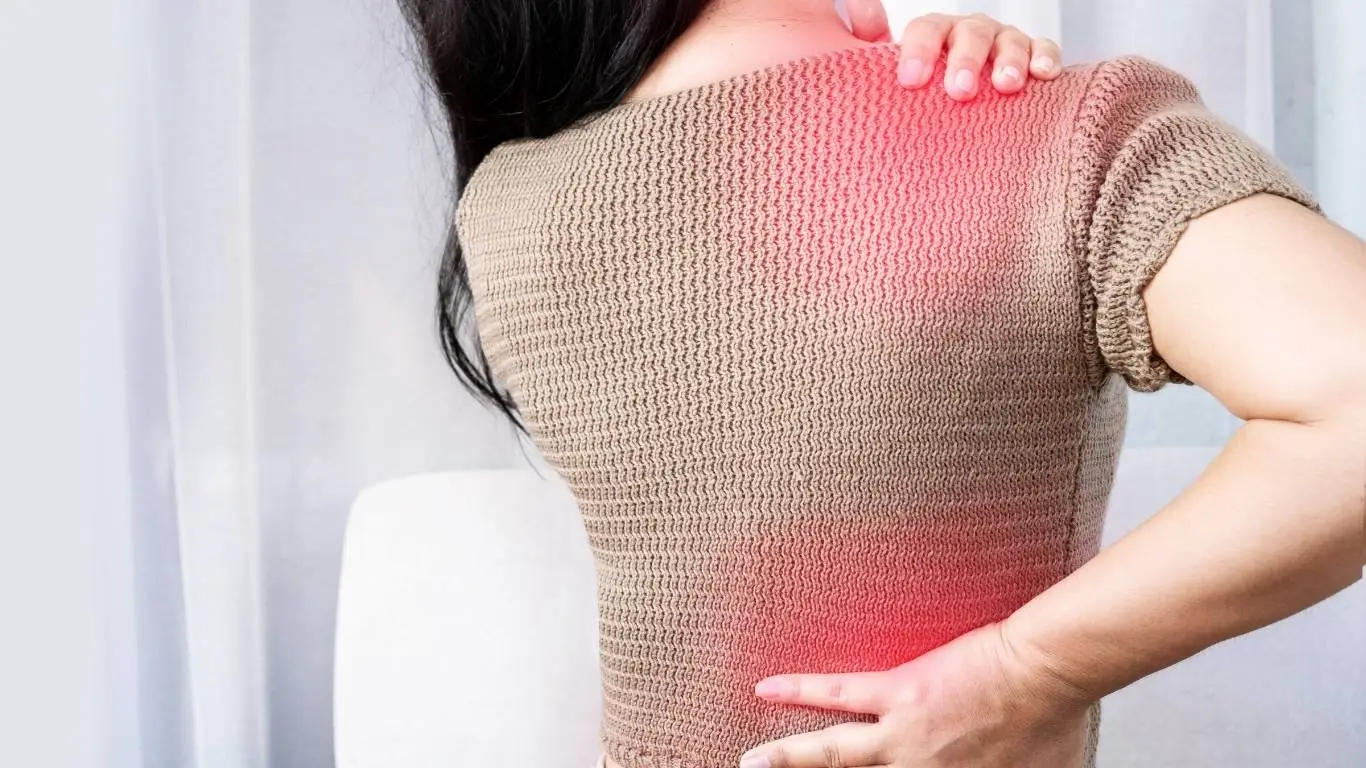
We’re not talking about your average fitness tracker here. Back-focused wearable health tech is designed with one purpose: to improve your spinal health. Whether it’s by tracking posture, supporting lumbar alignment, or alerting you when your position is off, these gadgets are the new-age answer to an age-old problem.
Categories You’ll Run Into
- Posture Correctors: Smart vests or straps that give real-time feedback.
- Wearable EMS (Electrical Muscle Stimulation): Stimulate muscle recovery and reduce inflammation.
- Smart Belts & Braces: Integrate sensors that monitor movement and spine pressure.
- Posture Tracking Devices: Stick-on or clip-on devices that buzz when your posture slacks.
Each serves a slightly different purpose, and depending on your lifestyle or type of back pain—upper, middle, or lower—some might be better suited than others. Learn more about the different types of back pain and spine anatomy to figure out what fits your needs.
My Top Wearables Tested — And How They Stack Up

I won’t pretend I’m a tech wizard, but I’m picky when it comes to comfort and usefulness. Below are wearables I’ve personally worn, sweated in, sat in, and yes—forgotten to charge.
1. Upright Go 2 – The Everyday Hero
This small posture trainer sticks to your upper back (you can also wear it on a necklace). It gives a gentle vibration when you slouch—like a friend politely nudging you to sit up straight. I used it for weeks while working from home, and the results were impressive.
- Battery lasts for 2–3 days
- Great app with progress tracking
- Can be discreetly worn under clothing
Check how poor posture directly leads to long-term back pain.
2. Zikto Walk – Surprisingly Insightful
This one’s a bit of a sleeper hit. It looks like a fitness band but its standout feature is gait tracking. If you’re someone who walks unevenly, or overcompensates due to pain, this catches it. Wearing it helped me notice that I was shifting weight away from an old injury—which was aggravating my lower back.
3. AiraWear Smart Vest – All the Bells and Whistles
Imagine a vest that massages you while also giving posture reminders. That’s AiraWear. It’s bulkier than others, and probably not ideal for wearing all day, but during intense work sessions or long travel, it’s gold.
Also see how prolonged sitting affects your spine alignment—you’ll understand why gadgets like this matter.
What Features Actually Matter (And Which Are Just Fluff)

Every brand wants to wow you with features, but from real-world use, only a few genuinely make a difference:
- Real-time feedback: Immediate posture alerts change behavior faster than weekly reports.
- App integration: Without data syncing, it’s just a piece of plastic on your body.
- Comfort: If it digs into your shoulders or causes sweat rash, you’ll stop wearing it—period.
- Battery life: At least 2 days of life should be the baseline. Anything less gets annoying fast.
- Custom training programs: Bonus if the app suggests stretches or posture drills.
Compare these must-haves to the standard treatment advice in our conservative treatment guide for back pain for a well-rounded view.
Who Should Actually Use These Devices?

If you’ve ever experienced:
- Stiffness after long computer hours
- Slouching while driving or gaming
- Chronic lower back pain despite trying exercises
- Spinal fatigue during standing desk usage
…then you’re a perfect candidate. Wearables are most effective for those dealing with mechanical back pain, not structural or inflammatory causes. Learn how to differentiate between back pain types so you’re not treating the wrong problem.
How They Compare to Traditional Solutions

There’s no denying it—these gadgets are not a miracle cure. But when combined with movement, lifestyle change, and core strengthening, they’re an excellent feedback tool. Unlike bulky braces that weaken your muscles over time, wearables promote awareness, not dependency.
For example, when I added posture tech alongside simple yoga stretches, the tension around my scapula nearly disappeared in a week.
If you’re still relying solely on memory to fix posture (spoiler: we all forget), these smart reminders work better. Pairing this with guidance from our main back pain resource hub and deeper insights on exercise and ergonomics will give you long-term wins.
External credible voices like Mayo Clinic and NIH have also acknowledged the increasing role of digital wearables in musculoskeletal health, making this an exciting field with real clinical value—not just trendy gadgets.
The Surprising Impact of Long-Term Use

I’ll admit, I was skeptical at first. How much could a tiny device really change? But after months of consistent use, the difference wasn’t just physical—it was psychological. I found myself correcting posture subconsciously, even without the wearable buzzing. My confidence improved. My energy went up. I wasn’t ending each day with that all-too-familiar dull ache in the lower spine.
Most wearables track your progress over time. It’s oddly satisfying to see how many hours you stayed upright. Some even gamify the experience, which weirdly worked for me—I’m competitive, even with my own spine.
If you’re curious about how chronic back pain creeps into your mental health, dive into this piece on the mental and emotional toll of living with back pain. It’s more common than you’d think.
Choosing the Right Device for Your Lifestyle

The “best” device doesn’t exist. What works for me as someone glued to a laptop might not work for a nurse constantly on their feet. Here’s a quick guide I’ve used to help friends pick what fits their world:
For Remote Workers or Desk Warriors
- Upright Go or Lumo Lift: Light, subtle, and offers consistent feedback.
- Smart ergonomic chairs: Some now sync with apps to guide posture shifts.
For Active Professionals (Nurses, Teachers, Construction Workers)
- Smart braces with movement sensors: Great for physical roles with repetitive motion.
- Wearable EMS units: Helps with muscle recovery after long shifts.
For Fitness Enthusiasts
- Zikto Walk: If you’re dealing with form-related back issues during exercise.
- EMS and recovery-focused wearables: Ideal for post-leg-day lower back fatigue.
For those in physically demanding roles, this article explains why ignoring back discomfort on the job is risky business.
How Wearables Fit Into a Holistic Back Pain Plan

Wearable tech isn’t a standalone solution. Think of it like GPS for your spine. It guides you—but you still have to do the walking.
My long-term back health plan looks like this:
- Daily use of my posture wearable (usually Upright Go)
- Stretching and mobility work—especially hamstrings and hip flexors
- Switching between sitting and standing work positions
- Wearing lumbar support when traveling (because airplane seats = spine torture)
- Weekly yoga focused on spine decompression and core activation
If your current routine involves just sitting and hoping the pain disappears, you’re setting yourself up for setbacks. You might want to check this piece on lifestyle and natural remedies for back pain relief—many small changes add up.
What Doctors and Therapists Are Saying

Interestingly, more physical therapists are recommending wearables now than ever. A spine specialist I saw recently told me that they often use posture trackers to build awareness and reinforce in-clinic results. It helps patients take ownership between sessions.
There’s solid research backing this up too. Publications from NIH and Spine-Health are beginning to integrate data from these tools into rehab plans. And if you’ve had surgery or nerve-based pain, some new models even sync with therapy dashboards. Not every device is clinical-grade, but the potential is massive.
Still skeptical? This guide on non-invasive and surgical treatment options for back pain explains when it’s time to escalate beyond wearables.
Upgrades and What’s Next in Back Tech

The tech is evolving fast. Some newer wearables use AI to predict spinal fatigue or automatically adjust posture support pressure. Others integrate heat therapy and muscle stimulation in one compact unit.
Here’s what I’m seeing as the next wave of features:
- AI-powered movement prediction: Devices that adapt to your routine.
- Spine mapping via motion sensors: Offering a 3D view of posture trends over time.
- Haptic feedback paired with breathwork guidance: For reducing tension beyond posture alone.
- Telehealth integration: Physical therapists monitoring progress remotely.
I’m personally excited for devices that combine recovery and posture management in one—because if there’s one thing that tech hasn’t nailed yet, it’s simplicity and comfort over long hours.
Real Talk: Are They Worth the Investment?

Short answer? Yes—but only if you use them consistently. These aren’t miracle devices. They’re tools—useful ones—but they need your participation. If you’re someone who struggles to build new habits, the wearable will just sit in a drawer. But if you’re motivated, or even just tired of ending every day in pain, it’s absolutely worth the shot.
Personally, mine gave me just enough of a nudge to finally fix the habits I’d ignored for years. The small buzz on my back? It reminded me to sit tall, breathe deep, and care for the spine I used to abuse without thought.
For more insights on daily ergonomics, rehab practices, and exercise correction, check out the full back pain pillar guide and explore detailed advice at exercise and ergonomics solutions for back pain.

Camellia Wulansari is a dedicated Medical Assistant at a local clinic and a passionate health writer at Healthusias.com. With years of hands-on experience in patient care and a deep interest in preventive medicine, she bridges the gap between clinical knowledge and accessible health information. Camellia specializes in writing about digestive health, chronic conditions like GERD and hypertension, respiratory issues, and autoimmune diseases, aiming to empower readers with practical, easy-to-understand insights. When she’s not assisting patients or writing, you’ll find her enjoying quiet mornings with coffee and a medical journal in hand—or jamming to her favorite metal band, Lamb of God.