How Back Pain and Hormonal Cycles in Women Can Worsen Daily Life
If you’ve ever felt that familiar, stubborn ache in your lower back right around the time your period hits, you’re definitely not alone. I used to think I was just imagining things — like how could my back know my cycle was coming? But after years of tracking symptoms, talking to doctors, and diving deep into the hormonal rabbit hole, it turns out there’s a *very real connection* between **back pain and hormonal cycles in women**. It’s not in your head, and more importantly, it’s not something you just have to put up with.
How Hormones Influence Back Pain in Women
Hormonal fluctuations during your menstrual cycle can set off a chain reaction in your body. The ups and downs of estrogen and progesterone affect everything from mood to muscle tension, and yes — even your spine. When estrogen drops (typically just before your period), inflammation increases, pain thresholds dip, and muscles tighten. It’s the perfect storm for back pain.
Estrogen’s Role in Inflammation
Estrogen is known for its anti-inflammatory properties. When levels are high (like mid-cycle), many women feel more energetic and experience less pain overall. But during the luteal phase — especially the days before menstruation — estrogen plummets. This shift makes your body more sensitive to pain, particularly in the lower back and pelvic area.
- Increased joint and muscle sensitivity
- Higher likelihood of experiencing cramps that radiate into the back
- Lower pain tolerance
This isn’t just anecdotal — a study published on NIH supports that estrogen has a clear link to musculoskeletal pain modulation.
Progesterone, Muscle Laxity, and Spinal Support
Progesterone tends to relax smooth muscles, which might sound like a good thing. But too much relaxation — especially around your core — can mean less support for your lower back. When your spinal stabilizers slack off, it’s your back muscles that overcompensate. And guess what? That compensation can hurt, especially when you’re already bloated and crampy.
Why Your Lower Back Feels It First

That dull ache many women feel isn’t random. The uterus shares nerve pathways with the lower back and thighs — so when it contracts (as it does during menstruation), you can feel pain that radiates beyond your abdomen. Plus, the sacroiliac joints — where your spine meets your pelvis — can become more mobile during hormonal changes, making you more susceptible to lower back instability and discomfort.
If your back pain gets worse around your cycle, you may want to look into conditions like endometriosis or spondylolisthesis, both of which can be aggravated by hormonal changes.
When PMS Feels Like a Herniated Disc

I’ll never forget the month I was convinced I’d slipped a disc. I was hunched over, unable to walk properly, and the pain was unbearable. Turns out? It was just a brutal round of premenstrual back pain. Hormonal shifts can mimic more serious back issues, so it’s easy to assume the worst — especially if it feels sharp, deep, or shoots down your legs. But before panicking, track the pattern. If it’s cyclical, your hormones are probably the culprit.
That being said, **don’t dismiss real signs of concern**. Read more about the red flags in back pain diagnosis to know when it’s time to seek help.
Back Pain Triggers Throughout the Menstrual Cycle
- Follicular Phase: Generally pain-free for many; rising estrogen reduces inflammation.
- Ovulation: Some women feel a temporary back twinge due to sudden hormonal surge.
- Luteal Phase: Rising progesterone = relaxed muscles + bloating = stressed lower back.
- Menstruation: Drop in estrogen + uterine contractions = peak back pain for many.
These fluctuations don’t affect everyone the same way, but understanding your own cycle is crucial. I started journaling symptoms every month and noticed consistent back pain 1–2 days before menstruation. That kind of insight can help you work with your doctor or even tailor your exercise routine.
Supportive Strategies That Actually Help

Low-Impact Movement
While the couch may be calling your name, staying mobile can actually help ease menstrual back pain. Think yoga, walking, or gentle stretches. Some of the best options include:
- Child’s Pose and Supine Twist
- Pelvic tilts and bridge lifts
- Gentle hamstring stretches — a lifesaver for tight lower backs
Movement boosts circulation, which helps reduce inflammation and improve mood. Plus, staying active boosts endorphins, your body’s natural painkillers.
Anti-Inflammatory Diet
I didn’t believe it either until I tried it — cutting down on sugar and dairy the week before my period dramatically reduced my back pain. Including anti-inflammatory foods like berries, leafy greens, omega-3-rich salmon, and turmeric can work wonders. Learn more in this guide on the anti-inflammatory diet for back pain.
Track and Tweak
Start logging your symptoms — even if it’s just a few notes on your phone. Patterns will emerge, and you’ll start understanding your personal pain cycle. It makes conversations with your provider way more productive too. You can explore symptom patterns and diagnosis options in the Symptoms & Diagnosis pillar.
Use of Heat, Magnesium & Supplements
Nothing beats a heating pad on a bad day — trust me. I also take magnesium during PMS week, which helps reduce muscle cramps. Some women find relief from vitamin D and evening primrose oil, but it’s best to discuss supplements with your doctor. Always.
And for a full breakdown of the many causes of this kind of pain, including hormonal ones, the main overview on Back Pain is a great resource.
When Hormonal Back Pain Isn’t Just About Periods
While most women associate back pain with PMS or their menstrual cycle, the truth is — hormonal back pain can show up at any stage of life. In fact, I didn’t even realize how much my back pain had shifted until I hit my 40s. The cramps I used to expect turned into this deep, dragging ache in my spine that felt nothing like my usual PMS.
Turns out, the perimenopause and menopause transition brings its own unique set of pain triggers. Estrogen continues to decline, inflammation runs higher, and bones lose density. That trifecta? A recipe for chronic back pain.
Back Pain During Perimenopause and Menopause
In your 40s and 50s, you may notice:
- Stiffness in the lower or mid-back first thing in the morning
- Pain during long periods of sitting or standing
- A noticeable loss in flexibility or mobility
This isn’t something to just power through. The hormonal decline affects spinal support and joint stability. And if you already had mild issues earlier in life, like weak glutes or tight hamstrings, it can compound into daily discomfort.
Learn more about how hormonal shifts during menopause influence your back in this guide.
When Pregnancy and Postpartum Make Your Back Scream
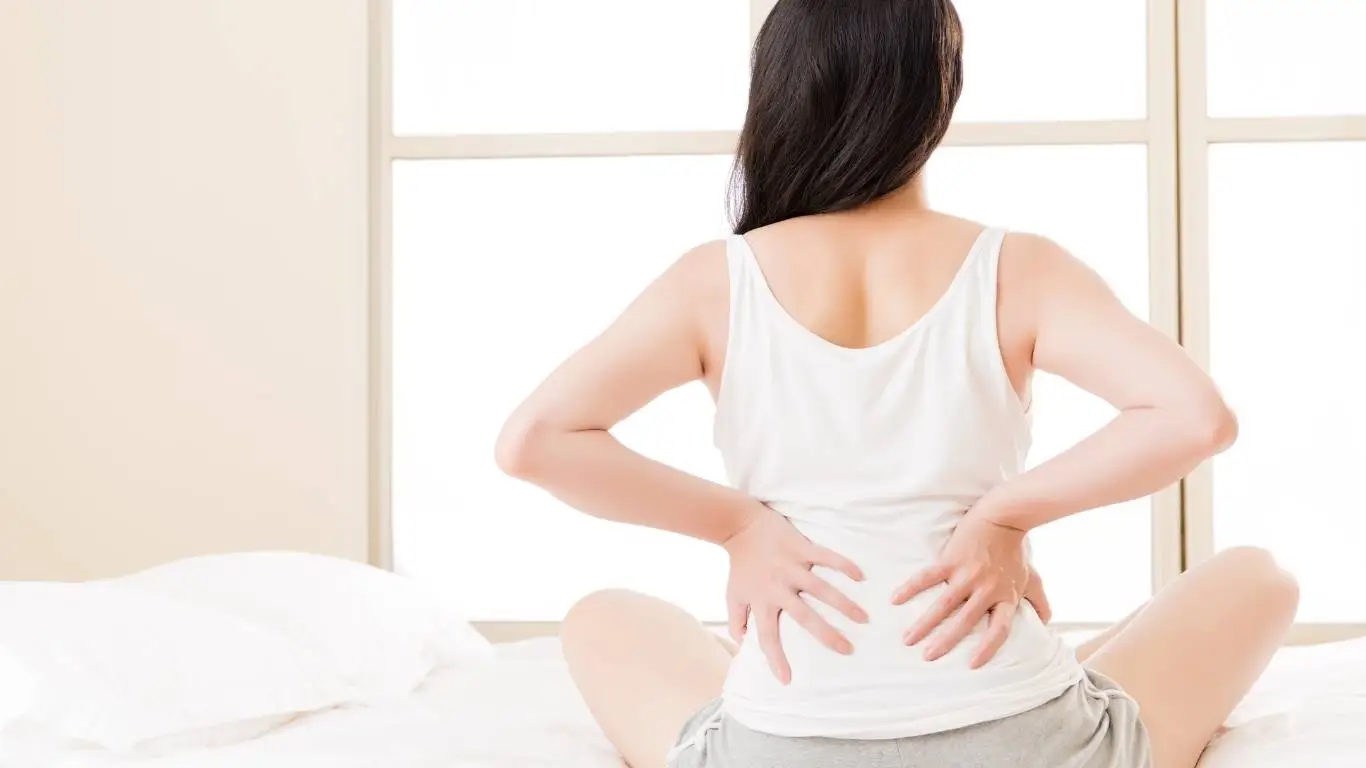
I used to joke that pregnancy gave me a new spine — one that creaked, cracked, and cried every time I rolled over in bed. But honestly, the back pain wasn’t funny. The surge of relaxin hormone during pregnancy loosens ligaments to prepare for birth. Great for delivery. Terrible for back support.
Your center of gravity shifts, core weakens, and pelvic alignment goes out of whack. It’s a perfect storm. Many women develop sacroiliac pain, tailbone pain, or lumbar strain. And sadly, it doesn’t always end after delivery.
Postpartum Back Pain
- Lifting baby incorrectly
- Nursing in unsupported positions
- Lingering instability from pregnancy hormones
It took me months to realize that the way I was standing while rocking my baby was wrecking my back. A little posture correction and core rehab went a long way.
For practical tips, check out solutions for postpartum lower back pain.
Hormones, Mood, and Pain Perception

Ever notice your back pain feels worse when you’re stressed or down? There’s a reason. Hormonal changes influence brain chemistry, and that impacts how we experience pain. During the low-hormone days of your cycle or postmenopause, your body’s natural feel-good chemicals (like serotonin and dopamine) drop — and pain feels more intense.
There’s a documented link between chronic back pain and depression, and it’s something many women face silently. Addressing emotional health isn’t just good for the soul — it can change how your body reacts to pain entirely.
Strategies That Can Help:
- Mindfulness meditation during your cycle
- Walking outdoors, even just 10–15 minutes a day
- Gentle massage or acupuncture for both mood and muscle tension
Preventing Hormonal Back Pain with Everyday Changes
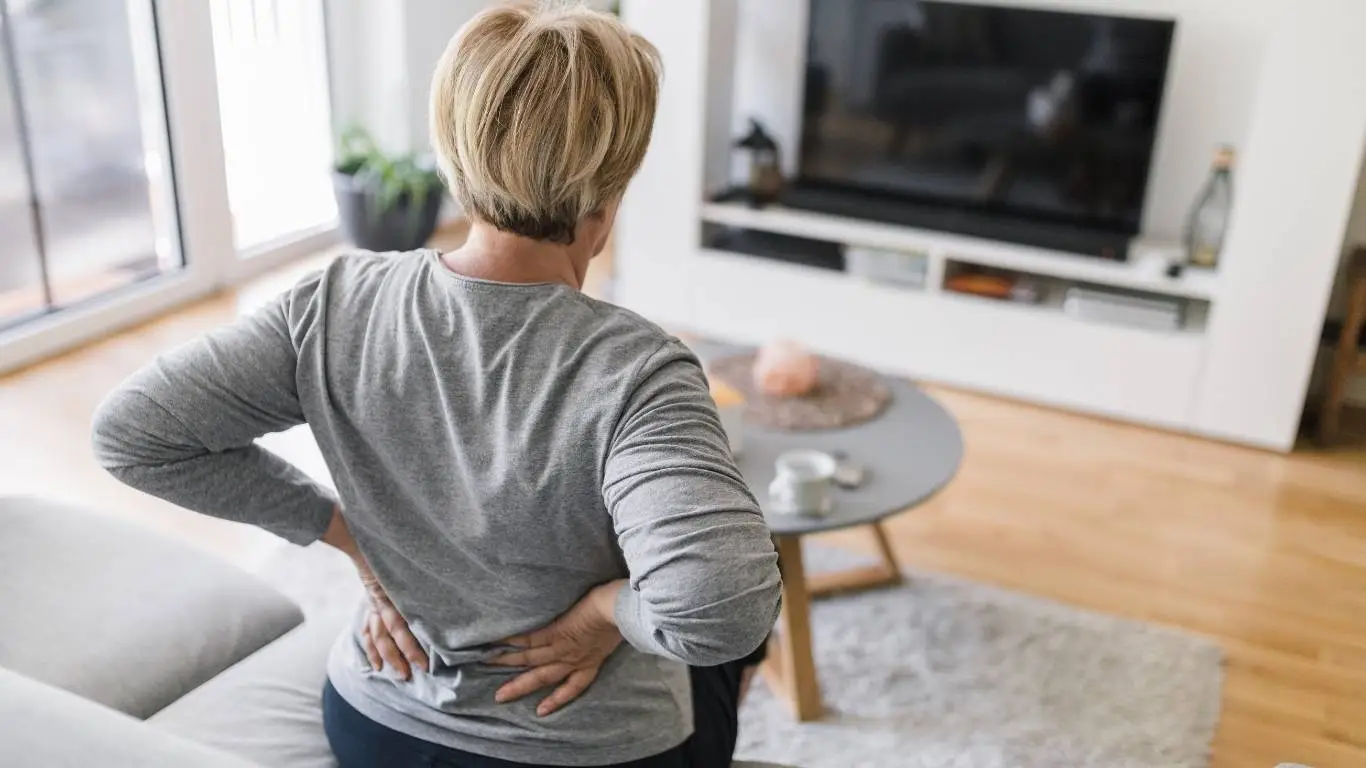
Posture and Ergonomics
One of the most overlooked causes of back pain during hormonal changes? Poor posture. Combine hormonal joint laxity with hours at a desk or slouching on the couch — your spine doesn’t stand a chance.
Some everyday tweaks that made a difference for me:
- Switching to a standing desk
- Using lumbar cushions for back support
- Staying mindful of how I sit, especially during PMS
Core Strength & Functional Movement
Hormonal changes can sap your muscle strength and coordination. I used to think crunches were the answer, but it’s really about deep core and glute strength. Functional movements like squats, bridges, bird-dogs — they work with your body, not against it.
Explore effective, safe ways to build core strength in the Exercise & Rehab Pillar.
When to Talk to a Professional

If your back pain is severe, disrupting your life, or doesn’t follow a clear cycle, it’s worth getting it checked. Don’t chalk everything up to hormones. Conditions like fibroids, disc issues, or chronic inflammation may need medical care.
A good practitioner will take your hormonal history into account and may recommend physical therapy, lifestyle adjustments, or even bloodwork to assess estrogen and progesterone levels.
Check out how degenerative disc issues can sometimes mirror hormonal back pain — and what to do about it.
If you want a foundational overview that ties all this together — from anatomy to lifestyle, prevention, and recovery — the main guide on Back Pain Types & Anatomy is a good next step.
For more context on long-term spine health and how to address hormonal impact, the essential pillar on Back Pain is the go-to hub.

Camellia Wulansari is a dedicated Medical Assistant at a local clinic and a passionate health writer at Healthusias.com. With years of hands-on experience in patient care and a deep interest in preventive medicine, she bridges the gap between clinical knowledge and accessible health information. Camellia specializes in writing about digestive health, chronic conditions like GERD and hypertension, respiratory issues, and autoimmune diseases, aiming to empower readers with practical, easy-to-understand insights. When she’s not assisting patients or writing, you’ll find her enjoying quiet mornings with coffee and a medical journal in hand—or jamming to her favorite metal band, Lamb of God.