How Hormonal Fluctuations in PCOS Trigger Unexplained Back Pain
I used to think my back pain was just from sitting too long or maybe lifting my groceries wrong. But after years of being told “it’s probably stress,” I finally realized something wasn’t adding up. It wasn’t until I was diagnosed with PCOS that I started connecting the dots—turns out, those hormonal swings weren’t just wreaking havoc on my cycle, they were quietly amplifying my back pain too.
How PCOS Messes with Hormones—and Your Back

Polycystic Ovary Syndrome (PCOS) is more than just irregular periods and fertility concerns. It’s a full-blown hormonal storm. When estrogen and progesterone levels are out of whack, your muscles, joints, and nervous system start to feel the ripple effects. And yep, that includes your back.
Here’s the thing: estrogen plays a surprisingly important role in keeping connective tissue and spinal discs healthy. When your estrogen dips, especially during certain points in your cycle or in chronic PCOS-related imbalances, the cushioning between your vertebrae can thin out. That means more pressure, more strain, and more aching in your lower back. Been there—too many times to count.
Testosterone and Muscle Imbalance
PCOS is known for elevating testosterone levels. While that might sound like a strength boost, it’s not that simple. Higher testosterone without balanced estrogen and progesterone can lead to muscle imbalances, especially in the core and pelvic area.
When your pelvic alignment is off or your core is weak, your lower back picks up the slack. It tightens, compensates, and over time, it just… gives in. That dull, deep ache you feel during hormonal spikes? Not in your head.
Estrogen Fluctuations: The Sneaky Culprit

If you’ve ever noticed your back pain getting worse around ovulation or just before your period, estrogen is likely to blame. PCOS women often have erratic estrogen levels rather than the smooth rise and fall most folks experience. That irregularity can create inflammation and even increase sensitivity in the nerves surrounding the lower spine.
One week your back feels okay. The next? It’s like you aged ten years overnight. That unpredictable cycle makes planning workouts, standing at your desk, or even sleeping a total guessing game.
Inflammation: The Unseen Aggravator
Inflammation is a buzzword for a reason—it’s linked to everything. In PCOS, chronic low-grade inflammation is incredibly common and often overlooked. And guess what? It feeds right into inflammatory back pain.
- Swollen joints and muscles become more tender
- Spinal discs get less blood flow
- Nerves stay irritated longer
That back pain you feel isn’t just from bad posture—it’s biological warfare happening behind the scenes.
Back Pain Triggers Unique to PCOS
Weight Fluctuations
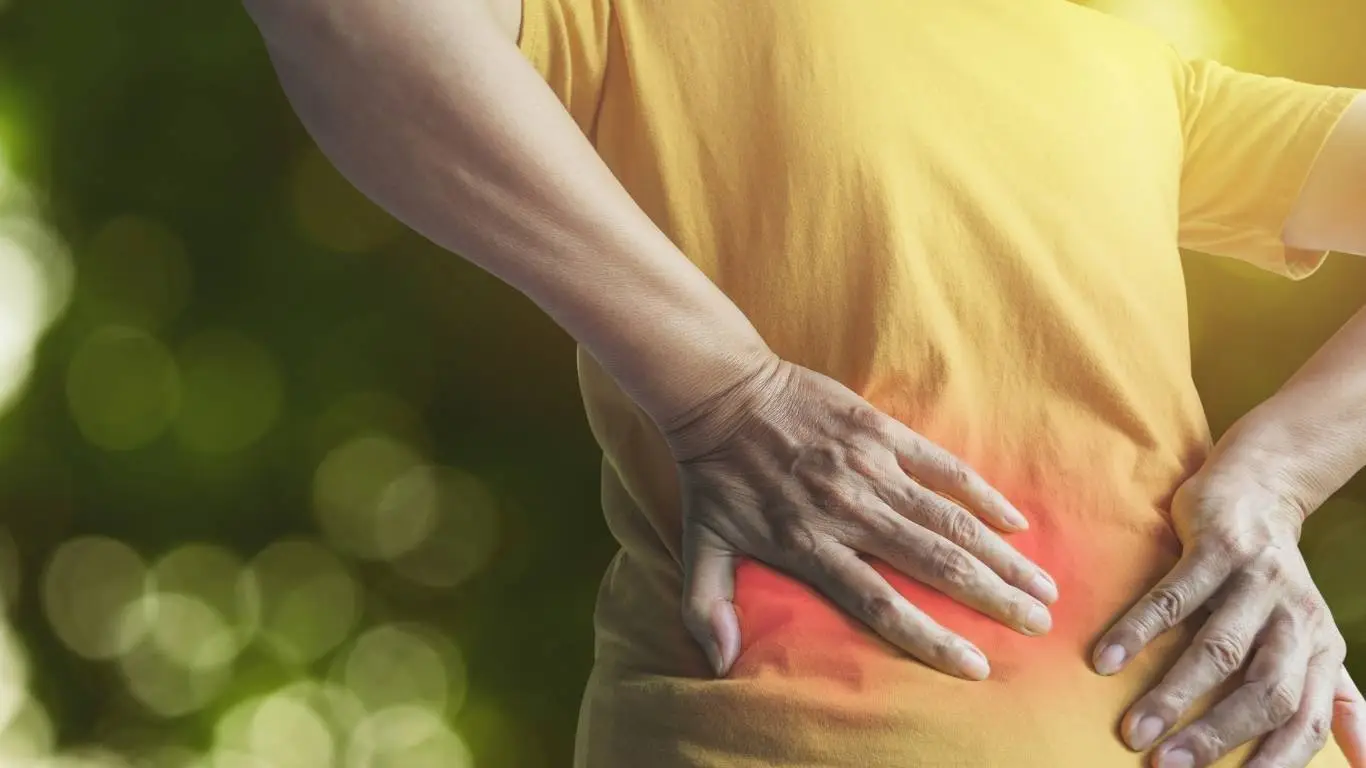
Let’s not dance around it—PCOS makes weight loss harder, and weight gain easier. That constant back-and-forth on the scale does a number on your spine. Every extra pound throws off your body’s center of gravity, leading to unnatural spinal curvature and strain. According to ncbi.nlm.nih.gov, even modest weight changes can alter spinal loading patterns significantly.
If you’ve ever gone through that frustrating cycle of bloating, weight gain, water retention—and then extreme fatigue—it’s no surprise your back is protesting.
Insulin Resistance and Nerve Pain
Most PCOS warriors deal with insulin resistance at some level. High insulin levels don’t just affect your blood sugar—they can affect your nerves. This can lead to a kind of pain that feels deep, burning, or oddly electric—especially in your lower back or down the legs. It’s eerily similar to sciatica symptoms.
I remember a phase where I couldn’t sit for more than 20 minutes without getting that fire-shooting-down-my-leg feeling. Only later did I find out it wasn’t a disc issue—it was blood sugar chaos.
Why Traditional Back Pain Advice Often Fails Women with PCOS
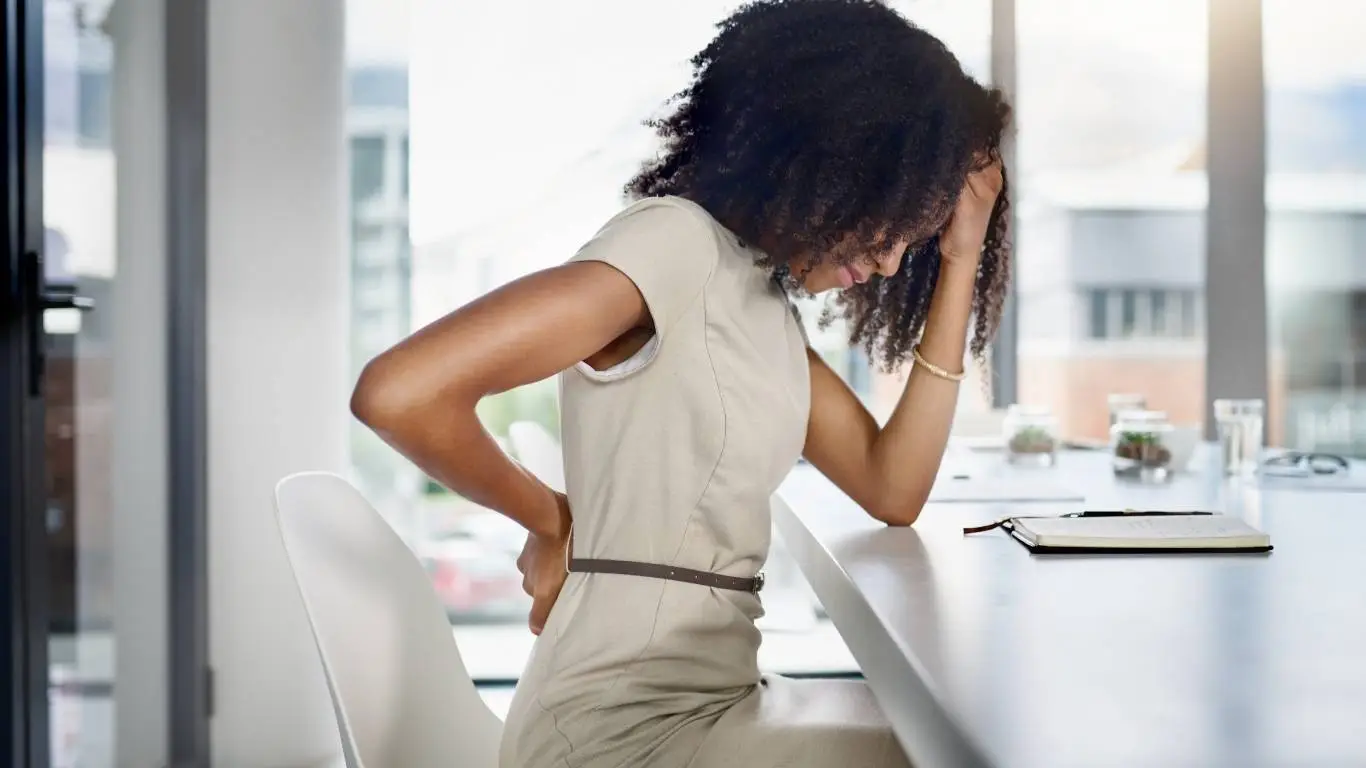
Ever tried the “just stretch more” approach? Or maybe you were told to strengthen your core or lose a few pounds? Sure, those can help. But for women with PCOS, that advice is like throwing a band-aid on a deep tissue issue. If the root cause is hormonal, then any solution that ignores your endocrine system is incomplete at best, and frustratingly ineffective at worst.
You’re not weak or lazy. You’re dealing with a complex hormonal disorder that traditional back pain advice wasn’t designed to treat.
What Actually Helped Me
- Tracking back pain across my cycle helped me predict flare-ups
- Strengthening glutes and pelvic stabilizers made more difference than endless crunches
- Anti-inflammatory food swaps lowered the pain threshold (I swear by turmeric tea)
- Using mindfulness-based stress reduction to dial down cortisol—game changer
Also, paying attention to hormonal imbalance and spinal pain gave me clarity I didn’t know I needed.
Want a Deeper Understanding of the Root Cause?

If this is hitting close to home, I highly recommend exploring the broader conversation around mental and emotional aspects of back pain. Hormonal imbalances don’t just impact the body—they affect mood, perception of pain, and recovery timelines too.
Also, the main back pain resource here is a must-read if you want to really map out a game plan. For a more clinical perspective tied directly to hormonal fluctuations, the lifestyle and natural remedies pillar offers a goldmine of practical strategies.
Daily Habits That Quiet the Hormonal-Back Pain Loop
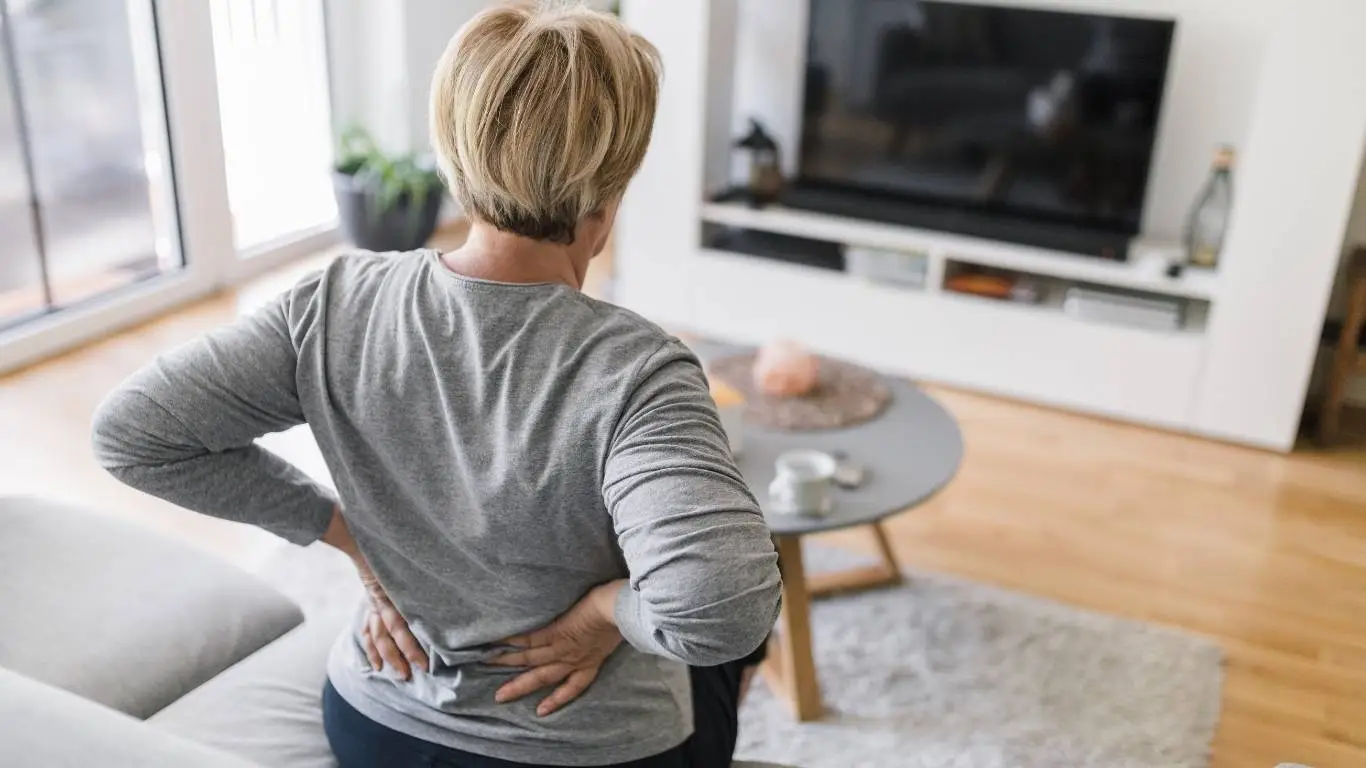
If you’re like me, living with PCOS means dealing with unpredictable symptoms. So I started building micro-habits that help manage both the hormonal chaos and the muscle tension. It’s not perfect, but small shifts added up to fewer “can’t-get-out-of-bed” days.
Cycle-Syncing Your Movement
This one was a game-changer. Matching your physical activity to your hormonal cycle can significantly reduce flare-ups. During high estrogen phases, I go for strength training. When progesterone dips (hello, PMS), I switch to gentle yoga for back pain.
And no, you don’t need to track ovulation with a microscope. Just noticing patterns—”my back hurts a few days before my period”—is enough to shift your workouts accordingly.
Anti-Inflammatory Foods That Actually Help
After so many trials, I settled on a short list of PCOS-friendly, back-friendly staples. These foods calm the gut and the nerves, both of which influence pain perception:
- Turmeric (with black pepper for absorption)
- Fatty fish like salmon (hello, omega-3s)
- Leafy greens and cruciferous veggies
- Chia seeds and walnuts for magnesium
- Herbal teas like ginger and spearmint
Bonus: I’ve noticed fewer cystic acne flare-ups, too. And I swear that’s related.
PCOS, Cortisol, and Your Spine
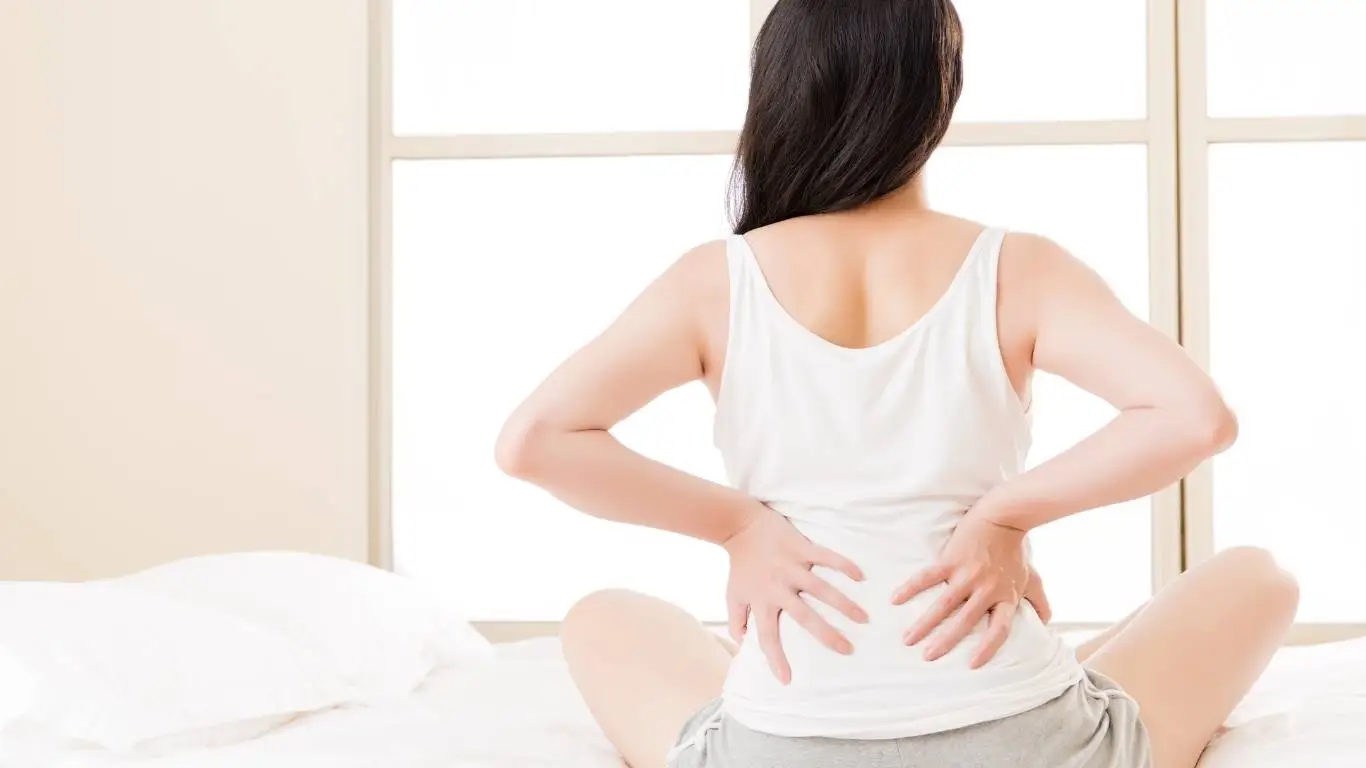
Stress is the invisible ingredient that fuels both PCOS and chronic back pain. Cortisol (the stress hormone) spikes insulin, disrupts estrogen balance, tenses your muscles, and makes it harder to heal. It’s a vicious cycle—and one I lived in for years.
The solution wasn’t to “just relax.” It was to *train* my nervous system to chill. I started using deep breathing techniques, especially during moments when I felt my lower back tighten up from emotional stress. It’s subtle, but powerful.
Practices like mindfulness meditation and simple gratitude journaling—even for 5 minutes a day—helped lower my daily pain score more than any over-the-counter pill ever did.
Posture, Pelvis, and the Hormonal Equation
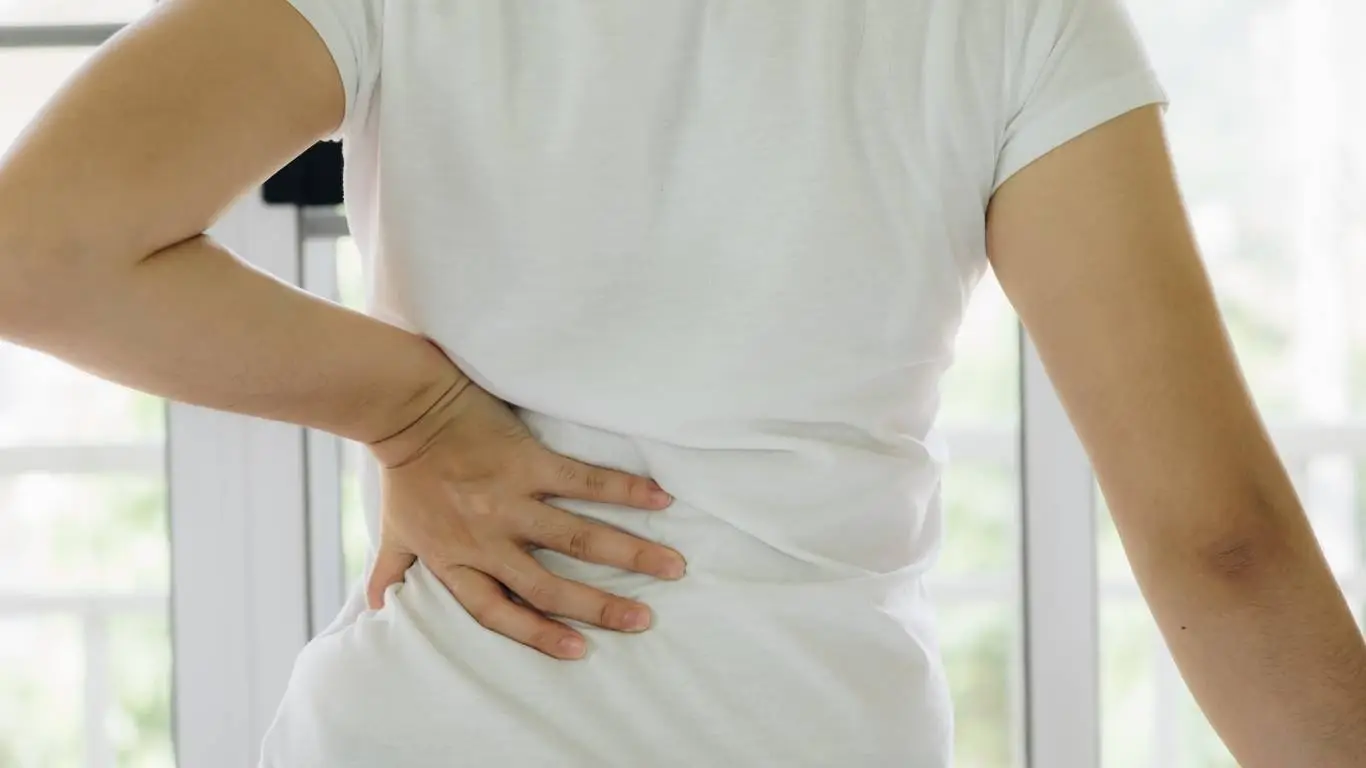
One thing nobody told me until much later: hormones affect your ligaments. And looser or tighter ligaments around the pelvis and spine = posture problems. I used to think slouching was a habit. Now I know it was also hormonal laxity making it harder to hold form.
The Glute + Core Strategy
Rather than endless crunches (which I hate), I focused on building stability with pelvic tilts, bridges, and low-load core work. That targeted support made my lower back feel stronger, especially during ovulation week, when joint laxity peaks.
Check out this guide on core engagement techniques for spine protection—it helped me retrain the muscles I didn’t even know I was neglecting.
When It’s More Than Hormones
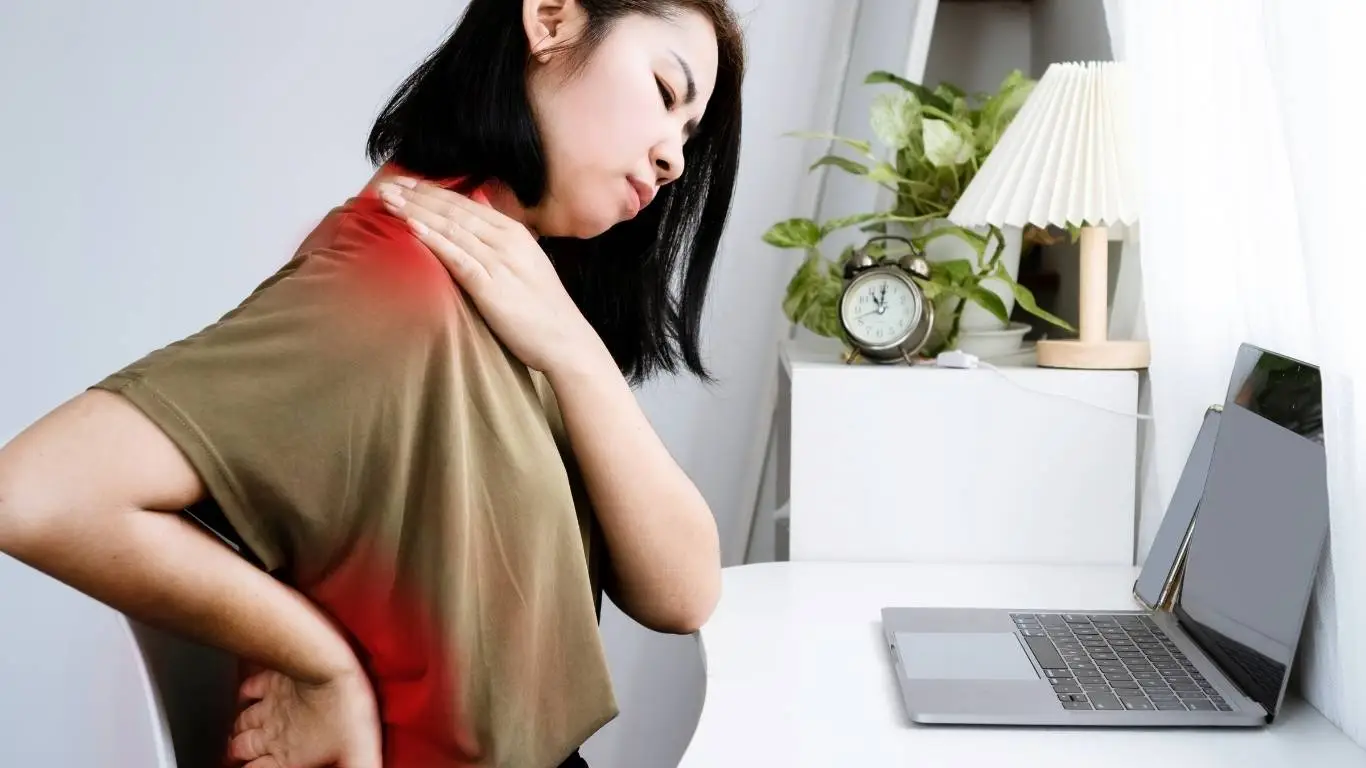
Let’s be honest—not every back pain episode is due to hormones. Sometimes, PCOS just happens to coexist with issues like herniated discs or spinal inflammation. The trick is not ignoring red flags. If your pain:
- Wakes you up at night
- Shoots down your legs or causes numbness
- Is paired with bowel or bladder issues
Don’t wait. These could signal serious spinal conditions that need immediate evaluation. And yes, get a second opinion if your symptoms are brushed off—especially if you have PCOS. Advocate for yourself.
Understanding the Full Picture
Back pain is often treated as a musculoskeletal issue. But for us with PCOS, it’s more like a hormonal domino effect. Estrogen drops, cortisol rises, inflammation sets in, posture changes, nerves flare—and we’re left wondering why our body feels broken.
You’re not imagining things. And you’re definitely not alone.
Creating a Hormone-Smart Back Pain Plan
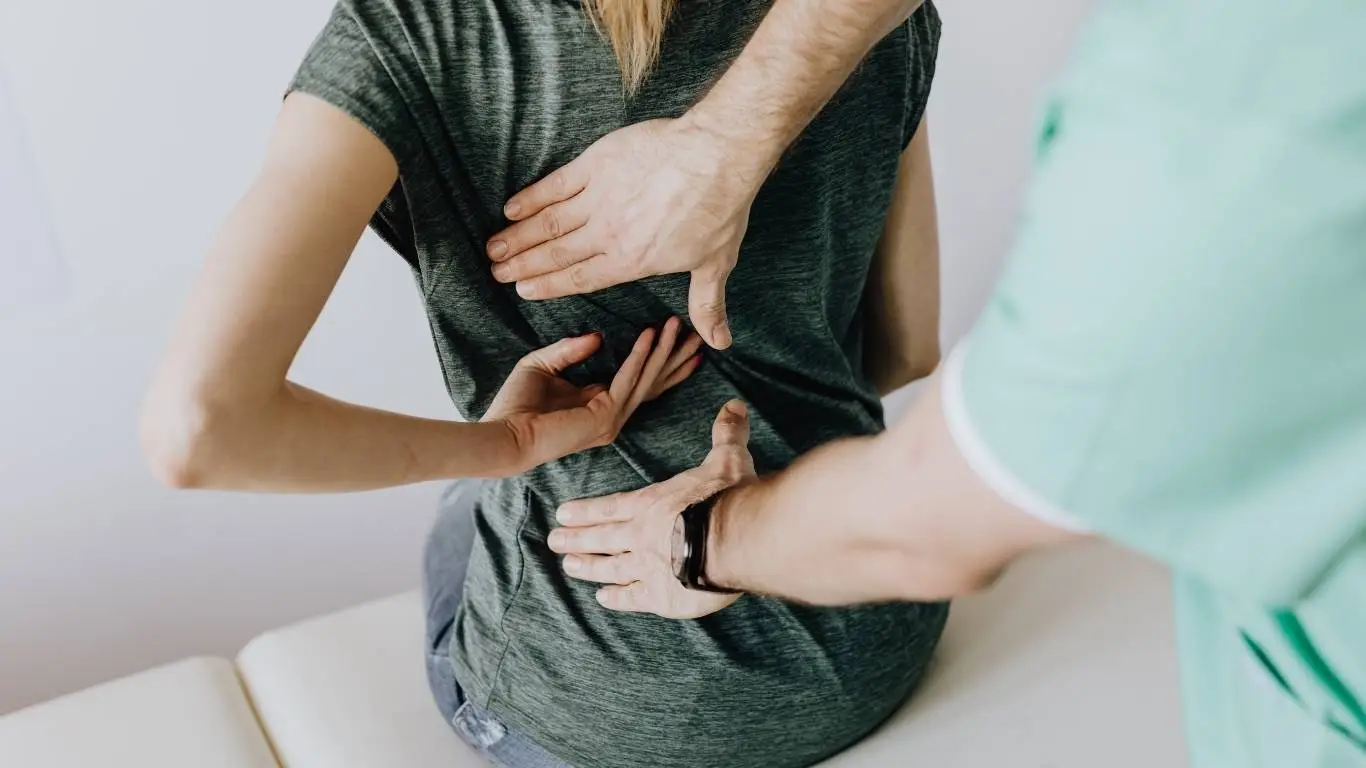
Here’s what worked best when I got strategic:
- Track your pain patterns by syncing them with your menstrual or ovulatory cycles
- Support your nervous system with calming routines and blood sugar balance
- Lift smart, stretch smarter—focus on pelvic and glute stability
- Adjust lifestyle choices to prioritize anti-inflammatory foods and posture awareness
And don’t forget to revisit the core articles on natural remedies for back pain—especially the parts about nutrition, stress, and recovery pacing.
You Deserve a Plan That Respects Your Hormones
No one-size-fits-all advice works for PCOS. But once you understand your unique hormonal rhythm, you can stop feeling like a passive passenger in your body—and start actively managing both the pain and the cause.
Want a full breakdown of related solutions? The main back pain resource is where I started turning this thing around. Don’t underestimate what a tailored, hormone-informed strategy can do.

Camellia Wulansari is a dedicated Medical Assistant at a local clinic and a passionate health writer at Healthusias.com. With years of hands-on experience in patient care and a deep interest in preventive medicine, she bridges the gap between clinical knowledge and accessible health information. Camellia specializes in writing about digestive health, chronic conditions like GERD and hypertension, respiratory issues, and autoimmune diseases, aiming to empower readers with practical, easy-to-understand insights. When she’s not assisting patients or writing, you’ll find her enjoying quiet mornings with coffee and a medical journal in hand—or jamming to her favorite metal band, Lamb of God.