Why Back Pain Linked To Liver Problems Should Never Be Ignored
If you’ve ever had a nagging backache that just wouldn’t quit — even after switching pillows, adjusting your posture, or downing your fair share of turmeric lattes — you might have wondered: could it be something deeper? I had that exact thought after weeks of unexplained lower back pain that didn’t make sense. Turns out, my liver had something to say about it. Shocking, right? But it’s not that rare. Back pain linked to liver problems is an overlooked issue, and if you’ve been ignoring those signs thinking it’s just another muscle tweak, it’s time we had this talk.
How the Liver and Your Back Are Secretly Connected

The liver is the unsung hero of the body — detoxing, processing nutrients, breaking down fats. But it also sits nestled in the upper right abdomen, near the ribs, and when something’s off, it can refer pain to areas that seem totally unrelated. It’s wild how often liver inflammation, congestion, or even disease can manifest as dull or aching pain in the mid-to-lower back — especially under the right shoulder blade.
In my case, I had elevated liver enzymes and didn’t even know it until the back pain drove me to dig deeper. This isn’t just anecdotal — medical research supports the idea of referred pain, where discomfort is felt in one area but originates in another. The liver, due to its proximity to the diaphragm and the way nerves interact, can send pain signals up to the thoracic spine and beyond.
Common Liver Conditions That May Trigger Back Pain

1. Fatty Liver Disease (NAFLD/NASH)
This one’s sneaky. Non-alcoholic fatty liver disease doesn’t always show symptoms at first. But as it progresses, inflammation and liver enlargement can lead to subtle but persistent back discomfort. If you’ve been diagnosed or are at risk due to weight, insulin resistance, or poor diet, that backache might be more than just a posture problem. I stumbled across this guide on anti-inflammatory diets while trying to manage both issues, and it really helped me tailor what I was eating to ease the load on my liver.
2. Hepatitis
Whether viral (like Hepatitis B or C) or autoimmune, liver inflammation can cause pain that radiates to your back. This is often due to the liver capsule stretching or the adjacent nerves being irritated. If you’ve had unexplained fatigue, yellowing eyes, or nausea along with back pain, it’s worth asking your doctor for a liver panel test.
3. Liver Cirrhosis
In advanced cases, scarred liver tissue puts pressure on surrounding organs, and fluid retention (ascites) can stress the spine and lower back. It’s not just a digestion issue at this point — your back pain becomes mechanical, constant, and draining.
4. Liver Cancer or Tumors
Rare, but it happens. And the pain isn’t always sharp — it’s often dull, radiating, and doesn’t respond to typical back pain solutions. I always recommend this: if your pain is persistent and “feels off,” trust that instinct. You’re not being dramatic — you’re being smart.
How to Tell If Your Back Pain Might Be Liver-Related

The liver doesn’t come with a blinking warning light. But your body has subtle ways of waving a red flag. Here are a few things to watch out for:
- Back pain under the right shoulder blade or mid-to-lower back discomfort that feels deeper than muscular.
- Fatigue and brain fog accompanying the pain — not just tiredness, but a sense of heaviness or sluggishness.
- Digestive upset, especially after fatty meals. That back pain that creeps in after dinner? Could be bile flow issues.
- Yellowing skin or eyes (even slightly) or itchy skin without a rash.
- Swelling or bloating in the abdomen, which increases pressure on the spine and lower back.
These symptoms don’t always mean something is wrong with your liver, but combined with persistent back pain, they deserve attention. I wish someone had told me earlier — I wasted months on physical therapy that didn’t help because I was treating the symptom, not the source.
When to Get Checked — And What to Ask

If any of the above signs feel familiar, ask your doctor for a full liver panel. It’s a simple blood test but can provide powerful insight. Also, don’t hesitate to mention the location and pattern of your back pain — sometimes, that’s the missing clue.
Many folks only consider liver function after obvious signs like jaundice appear, but earlier clues are more subtle. And in many cases, lifestyle interventions can help dramatically before things become chronic. One tool that helped me a lot was understanding the difference between acute and chronic back pain, and where mine was fitting into that puzzle.
Helpful Lifestyle Changes That Support Liver and Spine Health

Here’s where things get real. You don’t need a complete lifestyle overhaul to feel a difference. Small, consistent shifts helped me the most — and some were surprisingly simple.
- Clean up your diet: Less sugar, more greens. Not glamorous, but it works.
- Hydrate like it’s your job: Your liver needs water to detox, and dehydration makes back pain worse.
- Movement with intention: Gentle stretches, walking, and liver-friendly yoga poses are magic. Avoid high-impact workouts during flare-ups.
- Cut the toxins: Alcohol, smoking, and even certain over-the-counter meds can irritate the liver.
- Support with supplements: After talking with my doc, I tried milk thistle and added vitamin D. Do this one with supervision.
If your back pain hasn’t improved with typical interventions, and you suspect something internal might be at play, it’s worth exploring these connections. You can also dive into the full guide on causes of back pain here, or take a broader view from our main back pain resource hub.
And for a deep dive into lifestyle adjustments that balance liver health and reduce physical discomfort, this article is gold.
How Liver-Linked Back Pain Is Diagnosed (Beyond the Obvious)

When I finally got serious about getting answers, my doctor didn’t just poke around my back. We went through a combination of lab work, imaging, and symptom tracking — and that’s really what made all the difference. Here’s what a thorough approach can include:
- Blood Tests: Liver function panels (AST, ALT, GGT, bilirubin) show how well the liver is working and reveal silent inflammation.
- Ultrasound or MRI: These imaging tools can catch fatty deposits, tumors, or signs of cirrhosis before things get worse. I was surprised how much info came from a simple ultrasound.
- DEXA or bone density scan: Chronic liver issues can impact bone health and worsen lower back pain — something often missed.
- Neurological exam: Just to rule out spinal issues masquerading as referred pain. You want to make sure it’s not something like a herniated disc. For comparison, check this herniated disc article to see if it fits your situation.
And don’t be afraid to push for answers. I kept getting dismissed with “maybe it’s stress,” until I asked directly about liver testing. That’s when things turned around.
Treatments That Actually Work When Your Liver Is Involved

1. Medical Support Tailored to the Liver
If your back pain has a liver component, popping ibuprofen won’t cut it — and in fact, NSAIDs can stress the liver more. That’s the tricky part. My doctor shifted me to more liver-safe options and monitored enzymes closely. In some cases, prescription meds or targeted supplements are used to reduce fat in the liver or lower inflammation.
I found this guide on CBD oil for chronic back pain incredibly helpful — but always ask your doctor first, especially with liver concerns.
2. Physical Therapy That Understands Referred Pain
A lot of standard physical therapy routines didn’t touch my pain. But once I worked with someone who understood that the issue wasn’t mechanical, everything changed. We focused on posture, diaphragmatic breathing, and gentle mobility. These small tweaks were a breakthrough. If you’re curious, some sciatica-relief movements helped loosen the same areas affected by my liver inflammation.
3. Nutrition and Detox Support
This isn’t about fad cleanses. It’s about giving your liver the nutrients it needs to thrive. I leaned heavily on omega-3s, leafy greens, beetroot, and swapped out sugar and processed fats. My go-to resource for this shift was this nutrition-focused pillar on back pain and lifestyle.
Also — this can’t be stressed enough — alcohol and excess sugar will only make both the liver and your back more miserable. Learn to read food labels like your life depends on it… because it kind of does.
Why Mental and Emotional Health Matters in Liver-Back Pain Connection

There’s a weird loop here: liver issues mess with hormone balance and energy levels, which mess with your mood, which tightens your body, which… yep, you guessed it, worsens your back pain. For me, once I started working on emotional regulation — meditation, breathwork, and even journaling — the pain actually softened. Not disappeared, but eased enough to feel human again.
This piece on mindfulness and pain made a huge impact on how I approached my healing. It’s not just woo-woo. Your liver and spine are listening when your mind is tense.
Smart Daily Habits That Make Life Easier

Recovery isn’t a miracle pill. It’s the daily stuff. Here are a few practices that became non-negotiables for me:
- Morning lemon water – helps bile flow and digestion. My liver loved it.
- Standing desk – seriously helped with posture and spinal pressure. Here’s why it matters: standing desks for back health.
- Low-impact movement – I found joy in swimming and walking, which were gentle enough for my liver but strong enough for my spine.
- Regular sleep patterns – the liver does its cleanup between 1–3 AM. If you’re not sleeping during that time, you’re missing its prime time!
Little by little, these habits became rituals. Not restrictions. And over time, I realized they weren’t just managing symptoms — they were rebuilding my baseline health.
What Most People Get Totally Wrong About This
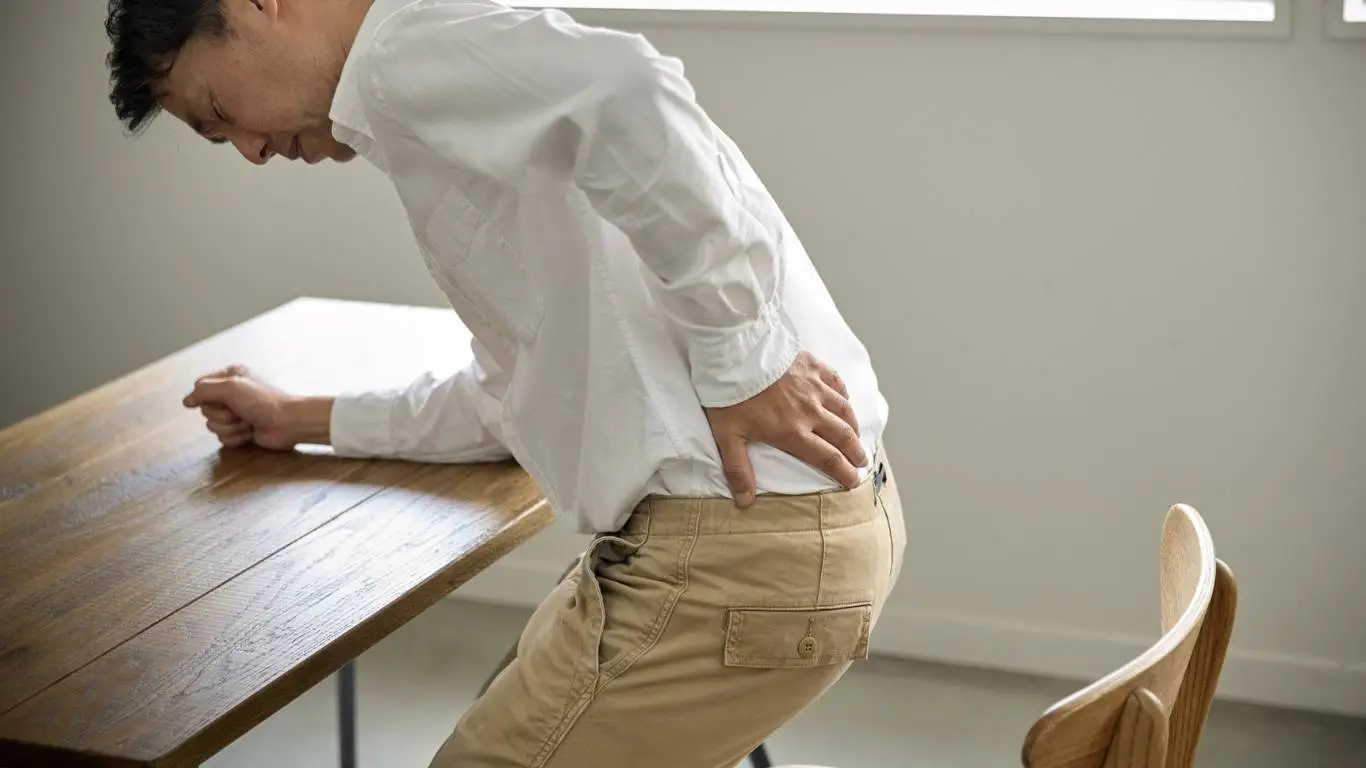
Most folks (and yes, even some doctors) look at back pain in isolation. We go after the spine like it’s the villain. But the truth is, the spine often carries the weight of what’s happening inside. Your liver’s condition can be a silent driver of discomfort, inflammation, and fatigue — and unless you connect those dots, you’re stuck in an endless loop of surface-level fixes.
I wish I’d known sooner to ask different questions. To zoom out and think about how everything in the body is connected. If you’re starting to feel that pull — that maybe your pain is telling a deeper story — you’re not wrong. And you’re definitely not alone.
Helpful Resources to Keep You Moving Forward
- Explore how back pain symptoms are properly diagnosed and what red flags to watch for.
- Dig into the full back pain resource center for a broader understanding of causes and care.
- Check out the NIH for liver health research and trusted data.
- Review patient guides from Mayo Clinic or CDC for reliable liver disease info.
Above all, don’t let chronic pain become your normal. There’s a path to healing, even if it looks nothing like what you expected. Your liver and your spine are in it together — and now, so are you.

Camellia Wulansari is a dedicated Medical Assistant at a local clinic and a passionate health writer at Healthusias.com. With years of hands-on experience in patient care and a deep interest in preventive medicine, she bridges the gap between clinical knowledge and accessible health information. Camellia specializes in writing about digestive health, chronic conditions like GERD and hypertension, respiratory issues, and autoimmune diseases, aiming to empower readers with practical, easy-to-understand insights. When she’s not assisting patients or writing, you’ll find her enjoying quiet mornings with coffee and a medical journal in hand—or jamming to her favorite metal band, Lamb of God.