Poor Backpack Load Distribution Can Trigger Lumbar Strain
Back in college, I used to think the only thing my backpack was doing was carrying books and snacks. Fast-forward a few years—and a couple of chiropractor visits later—I learned the hard way how poor backpack load distribution can mess with your lower back. If you’ve ever felt that dull ache creeping into your lower spine after a long day of hauling around a bag, you’re not alone. What many of us ignore is how the weight and the way we carry it can contribute to lumbar strain—yes, even if you work at a desk or just carry your laptop to a café.
How Backpack Load Distribution Impacts Your Lumbar Spine

Let’s break this down. Your lumbar spine, the lower part of your back, is responsible for supporting the weight of your upper body. When you sling a heavy backpack over one shoulder, or even load it up unevenly across both straps, your body compensates in all the wrong ways—tilting, twisting, and engaging muscles that were never meant to carry that burden.
What Happens to Your Body
- Muscle fatigue: The erector spinae muscles work overtime to stabilize your spine.
- Postural imbalance: One-sided loading causes asymmetrical posture.
- Disc compression: Excess weight leads to intervertebral disc strain—hello, herniated disc risk.
According to research from NIH, asymmetrical loading from backpacks can significantly alter spinal alignment over time. Pair that with rising back pain in teens and you’ve got a health crisis brewing on school grounds and campuses alike.
The Weight Threshold: How Heavy Is Too Heavy?

It’s not just about how you carry it—it’s also how much. Experts recommend that a backpack should weigh no more than 10-15% of your body weight. But let’s be real: how many of us weigh our backpacks? I used to carry my DSLR, two water bottles, laptop, charger, notebook, and some “just in case” items. Not surprisingly, I ended up icing my back every night.
Signs Your Backpack Is Too Heavy
- You lean forward while walking.
- You feel shoulder or neck pain after removing it.
- Your bag leaves strap indentations on your skin.
- You’re adjusting your pack constantly to “balance it.”
These are red flags your lumbar region is under duress. A study published via CDC links overloading backpacks to chronic lower back strain in young adults and even working professionals.
Smart Load Distribution: Design Matters

Choosing the right backpack can make or break your spinal health. Look for ones with padded shoulder straps, sternum belts, and lumbar support panels. Even better if it has multiple compartments to distribute weight more evenly.
Key Features of a Back-Friendly Backpack
- Wide, padded straps to avoid nerve compression.
- Sternum and waist straps for weight redistribution.
- Structured back panel with lumbar cushioning.
- Multiple compartments to segregate heavier and lighter items.
Wearing both straps evenly and adjusting them snugly can drastically reduce your risk of chronic back pain. It’s not just advice—it’s survival for your spine.
Everyday Situations That Sneak In Lumbar Strain

Think this only applies to hikers or students? Think again. If you’re a commuter or digital nomad, chances are you’re unknowingly wreaking havoc on your lumbar spine every single day. Sitting with your pack on a subway, walking long distances between terminals with a loaded bag, or riding a bike with poor posture—these are all subtle contributors to back stress.
I once took a two-week trip through Europe with a backpack that wasn’t made for long walks. By day four, I couldn’t bend forward without groaning. I eventually learned to repack smartly and prioritize balance in every layer of my gear.
Better Habits for the Long Haul
- Switch shoulders regularly if using a single-strap bag.
- Never wear your backpack too low—this increases lumbar curvature.
- Keep heavier items closer to your back panel.
- Empty unnecessary items daily to lighten the load.
Simple changes make a noticeable difference. And if you’re already experiencing pain, this is the time to explore ergonomic rehabilitation strategies to reset your spine before more serious issues set in.
When Load Becomes Injury: Lumbar Strain and Recovery

Carrying excess weight or distributing it poorly doesn’t just make you sore—it can lead to lumbar strain. This type of injury affects muscles and tendons in your lower back, often making it painful to walk, stand, or even sleep.
The road to recovery might include physical therapy, targeted stretches, or lifestyle changes. Articles like this guide on muscle strain recovery offer practical tools to help manage pain without relying entirely on medications.
If your symptoms persist beyond rest and self-care, consider looking into conservative treatments for back pain as a non-invasive way to regain mobility and comfort. The quicker you act, the less chance this turns into chronic pain.
For a deeper understanding of how lifestyle, posture, and habits interact with spinal health, the main Back Pain overview pillar offers an evidence-based breakdown.
Exercises and Movements to Reverse Lumbar Strain

So, you’ve been dealing with lower back discomfort, maybe even a twinge that shows up after wearing your backpack for too long. You’re not stuck with it forever. With the right stretches and movements, you can reverse the damage and prevent future strain. I started doing simple lumbar mobility exercises every morning—nothing fancy, just enough to loosen things up. The difference after a few weeks was like night and day.
Top Movements That Actually Help
- Cat-Cow Stretch: Mobilizes the spine and relieves stiffness.
- Pelvic Tilts: Strengthen your core and release lower back tension.
- Bird-Dog: Great for improving spinal alignment and control.
- Knee-to-Chest Stretch: Helps relax the glutes and decompress the lower spine.
These aren’t just yoga moves—they’re backed by evidence. If you want even more relief, this breakdown of best stretches for back pain is a great place to start. I’ve bookmarked it myself.
Don’t Underestimate Core Strength

Your lumbar spine isn’t working solo—it relies on support from your core. Weak glutes and abs force your back muscles to compensate, especially when carrying uneven loads. I didn’t realize just how much my back was doing until I started adding basic planks and glute bridges to my routine. And surprise, surprise—my backpack didn’t feel like a boulder anymore.
Exercises to Build Spinal Support
- Glute bridges
- Dead bugs
- Planks and side planks
- Hip thrusts
If your glutes are weak, your lower back takes the hit—especially when you’re lugging around a poorly packed bag. Improving core stability is a long-term investment in a pain-free spine.
Everyday Lifestyle Adjustments That Help

Small shifts in daily behavior make a big difference. I learned that lumbar strain wasn’t just from my backpack—it was a combo of that plus bad posture at my desk, ignoring the need for breaks, and even poor sleep posture. Fixing these habits added up.
Simple Changes Worth Making
- Switch to an ergonomic office chair
- Use lumbar support cushions when sitting
- Get up every 30 minutes and stretch
- Sleep with a pillow under your knees to reduce lumbar curve stress
These daily tweaks are easy to implement and reduce strain whether you’re commuting, working, or just binging a series on your couch. Also, if you’re looking at a serious long-term change, investing in a proper mattress for back pain might be your best move yet.
When to Seek Professional Help

Most cases of backpack-related lumbar strain can be managed conservatively. But if you’re experiencing persistent discomfort, radiating pain, or numbness, it’s time to speak with a specialist. I delayed seeking help once and paid the price with weeks of limited mobility. Don’t do what I did.
Explore options like chiropractic adjustments or osteopathic manipulation therapy for a hands-on approach. And if conservative care isn’t cutting it, these minimally invasive surgical treatments offer new hope for more serious cases.
The Psychological Side of Chronic Lumbar Pain
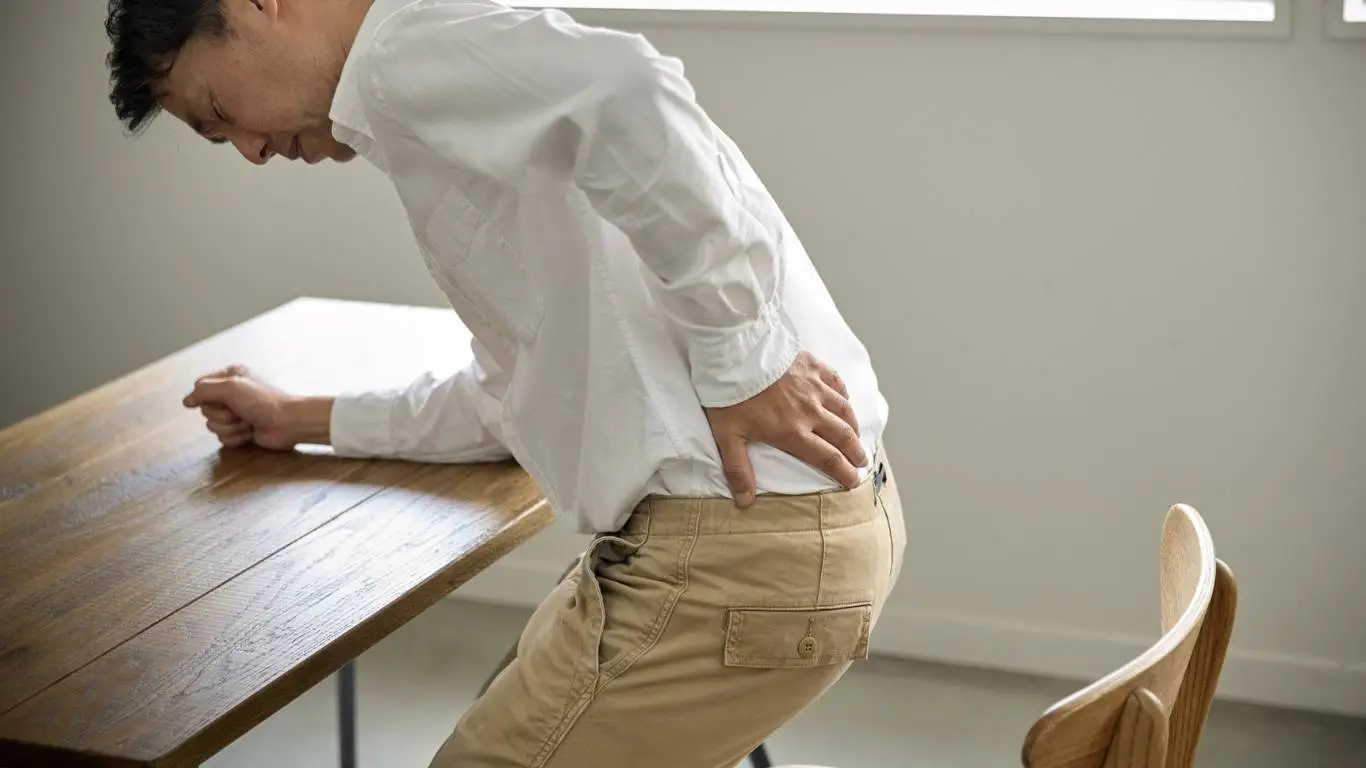
Living with back pain affects more than your body—it creeps into your mindset too. I started getting irritable, sleeping poorly, and avoiding weekend hikes I used to love. Pain can change who you are, and that’s something we don’t talk about enough.
Practices like mindfulness meditation and CBT for chronic pain are powerful tools for taking back mental control. They won’t replace physical care, but they will help you cope better, heal faster, and regain a sense of normalcy.
For a more holistic view on back pain’s emotional effects, I highly recommend visiting this guide on emotional aspects of back pain. It’s grounded in both clinical research and real-world experience—just like your journey should be.
Backpack habits may seem harmless, but they echo far beyond your shoulders. If your bag is tugging at your posture and testing your endurance, it’s time to rethink how you carry your life on your back. Start small, stay consistent, and keep your lumbar spine at the center of your decisions. Your future self will thank you.
For an in-depth look at ergonomic solutions that go beyond backpacks, visit the complete ergonomics and rehabilitation guide in our back pain pillar series.
You can also explore the full scope of back pain treatment and lifestyle solutions in the comprehensive main pillar article on back pain.

Camellia Wulansari is a dedicated Medical Assistant at a local clinic and a passionate health writer at Healthusias.com. With years of hands-on experience in patient care and a deep interest in preventive medicine, she bridges the gap between clinical knowledge and accessible health information. Camellia specializes in writing about digestive health, chronic conditions like GERD and hypertension, respiratory issues, and autoimmune diseases, aiming to empower readers with practical, easy-to-understand insights. When she’s not assisting patients or writing, you’ll find her enjoying quiet mornings with coffee and a medical journal in hand—or jamming to her favorite metal band, Lamb of God.