Best Sleeping Position For Vaginal Health That Supports Freshness
Okay, let’s talk about something we don’t usually bring up during brunch with friends—how we sleep and how that might actually affect vaginal health. Trust me, I didn’t think twice about my sleeping position until I had a few recurring issues and my gynecologist asked me a question I wasn’t expecting: “How do you sleep at night?” At first, I thought she meant my stress level. Nope—she was asking if I sleep on my back, side, or stomach. It turns out, that little detail might matter more than we think.
Why Sleeping Position Matters More Than You’d Think

The way we sleep can impact more than just our back or neck. For those of us who are prone to vaginal odor or infections, sleeping habits might be playing a subtle but important role. Heat, moisture, airflow, pressure—these are all factors that interact with our vaginal health during those eight (okay, more like six) hours we spend in bed.
Airflow Is a Game-Changer
We already know our lady parts like to breathe. That’s why so many gynecologists recommend cotton underwear and avoiding tight synthetic leggings 24/7. The same principle applies when you’re in bed. Certain positions either trap heat and moisture or allow better ventilation. And honestly, it makes a difference.
Best Sleeping Position for Vaginal Health (Spoiler: It’s Not What You Think)

Back Sleeping: The Unexpected MVP
If you’re anything like me, back sleeping might sound uncomfortable at first—cue the snoring partner vibes—but hear me out. Sleeping on your back gives your vaginal area the most freedom. There’s no pressure from your thighs squishing things together, and it helps prevent excess moisture from building up. More airflow = less sweat and bacteria buildup. If you’ve ever dealt with unusual discharge or recurring BV, this little hack might be worth a try.
Side Sleeping: Decent, But Depends
This is probably the most popular position for a reason—it’s cozy. But not all sides are created equal. Curling into a tight fetal position traps heat fast. Sleeping with a pillow between your legs (game-changer, by the way) can help improve airflow and reduce skin-on-skin contact. This became part of my routine after I noticed certain side-sleeping habits left me feeling… less than fresh in the morning.
Stomach Sleeping: Not Ideal
Let’s just be honest—sleeping on your stomach puts pressure on everything. Not only can it reduce airflow down there, but it can also increase warmth and sweat. If you’re prone to BV-related discomfort from hygiene issues, you might want to reconsider this habit. I switched out of it after learning more, and let’s just say—less irritation, better mornings.
Little Things That Add Up at Night

Breathable Sleepwear (Or None at All)
If you’ve ever gone commando under your PJs, you’re not alone. Sleeping without underwear can help reduce moisture and allow natural ventilation. That’s especially true if you’re already wearing soft, breathable fabric like cotton or bamboo. On the other hand, satin or tight-fitting shorts can trap heat like a sauna.
- Cotton – breathable and gentle
- Bamboo fabric – naturally antibacterial
- Avoid – polyester, nylon, or tight leggings
Nighttime Hygiene Habits That Support Vaginal Health
No need to overdo it—actually, please don’t. Over-washing, especially with harsh soaps, can disrupt the delicate balance down there. Stick to gentle cleansing, especially before bed, and make sure everything is completely dry before hopping under the covers. Avoiding douching is non-negotiable. Ever.
Are You Prone to Recurring BV? Your Sleep Might Be Contributing

Believe me, I’ve been there. BV isn’t just physically annoying—it messes with your confidence too. I dealt with BV relapse after antibiotics more than once. When I started rethinking even my sleep habits, it was part of a bigger routine shift that helped break the cycle.
- Switched to back sleeping with a leg pillow
- Started sleeping without underwear
- Traded synthetic sleepwear for bamboo shorts
- Used a mild, pH-balanced cleanser (no fragrance!)
This isn’t about overnight fixes—it’s about adding up the small wins that protect your vaginal microbiome in the long run.
Looking at the Bigger Picture
Of course, sleeping position is just one part of the vaginal health puzzle. Your diet can affect BV too, along with your stress levels and even your birth control. But starting with something as simple as how you sleep tonight? That’s a no-cost, no-risk shift you can try immediately.
More Helpful Info on BV Prevention
If you’re looking for more in-depth guidance, check out the full guide on BV prevention tips. It covers everything from safe sex habits to hygiene do’s and don’ts. You can also explore the complete bacterial vaginosis guide for a deeper understanding of the condition, symptoms, and treatment options.
Want to really understand what’s going on with BV and how to keep it from coming back? Recurring BV causes and prevention is a great place to start learning more.
Oh—and one thing that helped me was realizing I’m not alone in this. According to NCBI and CDC, BV affects millions of women every year. So if you’re struggling, it’s not just you. There are strategies, small and big, that actually work—and tweaking your sleep is one of the simplest ones.
Additional Sleep Adjustments That Make a Real Difference

Once I realized my sleep posture was influencing more than just back pain, I got curious about what else in my bedroom setup might be messing with my vaginal health. It turns out, there’s more to consider than just how you position your body. Think fabric choices, mattress temperature, and even how often you wash your sheets (spoiler: probably not enough).
Your Bedding Could Be Working Against You
This one hit me hard because I love my cozy flannel sheets in the winter. But here’s the thing—non-breathable fabrics trap body heat, and if you’re a sweaty sleeper like me, that creates a perfect breeding ground for unwanted bacteria. If you’ve been battling things like mild irritation or discomfort in the mornings, your sheets might be contributing.
- Switch to lightweight, breathable sheets – cotton or linen work wonders
- Change sheets at least weekly – especially during hot months
- Go fragrance-free with detergents – your vaginal flora will thank you
Should You Be Sleeping Without Underwear?

Honestly, I was skeptical. Sleeping commando sounded a little too bold for me at first. But after a particularly persistent bout of BV symptoms during pregnancy, I gave it a shot—and wow, I noticed the difference within a few days. It’s all about moisture control. When you remove layers that trap sweat and heat, your body can naturally regulate better.
If you’re not into going completely commando, try loose-fitting, breathable pajama bottoms without any synthetic materials. Just make sure whatever’s touching your skin is light and airy. No leggings. No lace. And definitely no shapewear-type sleep shorts (yes, I made that mistake).
What the Research Says About Sleep & Vaginal Health

While there isn’t a flood of studies titled “best sleeping position for vaginal health,” there’s plenty of indirect evidence supporting the impact of body temperature, airflow, and hygiene on vaginal balance. According to Cleveland Clinic, maintaining a dry and ventilated environment around the vaginal area is essential for preventing bacterial overgrowth and irritation.
That’s why the practical lifestyle tips doctors share—like wearing breathable clothing, avoiding douching, and yes, optimizing your sleeping setup—are more than just optional extras. They’re foundational habits that support long-term vaginal health.
Some Expert-Approved Sleep Tips I Swear By Now:
- Use a fan or keep the room cool at night—it helps prevent sweating.
- Always dry off thoroughly after a shower before bed.
- Keep unscented wipes nearby in case you feel the need for a refresh (especially during your cycle).
- Do a quick change if your PJs get even slightly damp from night sweats. Moisture buildup is sneaky.
Managing BV-Related Sleep Discomfort
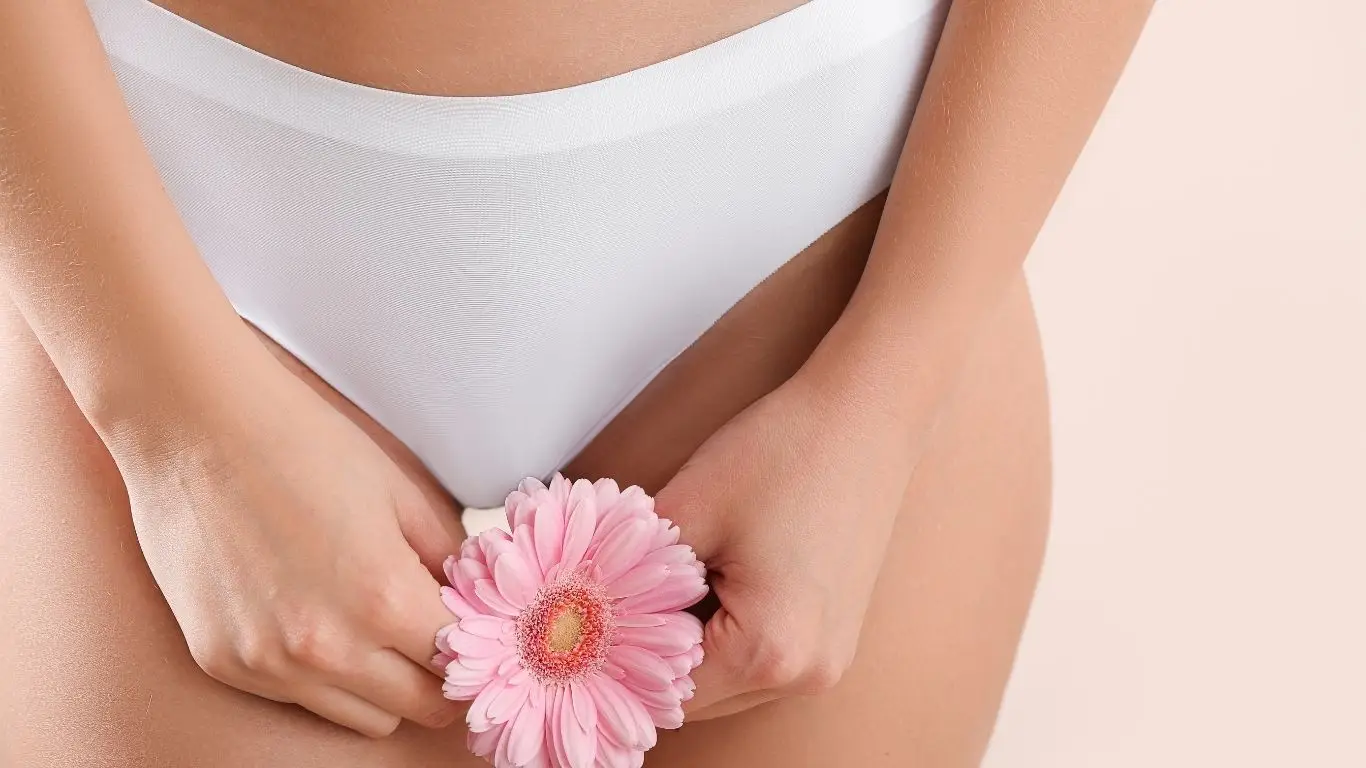
One thing I used to struggle with was the irritation that would keep me tossing and turning at night. That mild burning or itching—not enough to sound an alarm, but enough to ruin your rest. It’s exhausting. I found relief through gentle nighttime routines and swapping out irritating products. If that sounds like you, here’s what worked for me:
- Use a barrier cream or coconut oil (patch test first!) if you’re feeling raw down there.
- Switch to a pH-balanced, gynecologist-approved cleanser—fragrance-free, always.
- Use breathable bedding and keep an extra pair of sleepwear nearby.
If you’re still experiencing symptoms regularly, it might be worth checking out these options for how long it takes to cure BV and safe treatment options, especially if you’re pregnant or planning to be soon.
Nighttime Routines That Actually Help

It’s not just about how you sleep—it’s also about what you do before you sleep. I started treating my nighttime wind-down like a ritual, and it became surprisingly helpful for my overall vaginal health too. Turns out, lowering your stress levels and keeping a consistent routine has a direct impact on your vaginal flora. Stress plays a bigger role than we give it credit for.
Here’s what my current PM setup looks like:
- Shower with lukewarm water and pat everything dry (no rubbing!)
- Use calming essential oils—not down there, just in a diffuser
- Light stretching or gentle yoga—keeps the pelvic area relaxed
- Phone off 30 minutes before bed—less cortisol, more melatonin
Is Your Sleep Hygiene Supporting Your Vaginal Health?

This might sound like a stretch (no pun intended), but your sleep hygiene is deeply connected to your vaginal health. Once I cleaned up my sleep environment—cooler temps, better airflow, breathable fabrics—it was like my body thanked me. Less discharge, fewer flare-ups, and just a general sense of balance.
It’s not just about curing BV—it’s about creating an environment where it’s less likely to come back. And yes, antibiotics have their place when needed, but don’t overlook the power of simple, consistent sleep practices. It’s all about stacking the odds in your favor.
For a deeper dive into what might be contributing to persistent BV, including triggers you may not expect, the full guide on recurring BV causes and prevention breaks it down with practical advice. It’s one of the most helpful resources I’ve come across, especially when I was frustrated by cycles of treatment and relapse.
Still want to get a better grasp on all the factors involved? Visit the main bacterial vaginosis resource page for everything from symptoms to long-term solutions.
Bottom line: If you’ve been overlooking how your sleep habits impact your vaginal health, now’s the time to pay attention. You don’t need a total lifestyle overhaul—just a few tweaks that let your body reset every night in the way it was meant to.

Dr. Gwenna Aazee is a board-certified Internal Medicine Physician with a special focus on hypertension management, chronic disease prevention, and patient education. With years of experience in both clinical practice and medical writing, she’s passionate about turning evidence-based medicine into accessible, actionable advice. Through her work at Healthusias.com, Dr. Aazee empowers readers to take charge of their health with confidence and clarity. Off the clock, she enjoys deep dives into nutrition research, long walks with her rescue pup, and simplifying medical jargon one article at a time.