BV and Tampons: Why They May Be Hurting Your Vaginal Health
Let’s get real for a second—if you’ve ever wondered whether tampons could mess with your vaginal health, you’re not alone. I used to just grab whatever tampon brand was on sale and go on with my day. That is, until I had a run-in with BV (*bacterial vaginosis*) that had me Googling every hygiene habit I’d ever adopted. Turns out, there’s a lot to know when it comes to BV and tampons. So if you’re trying to figure out what’s myth, what’s fact, and how to protect your health without ditching tampons entirely, I’ve got you covered. Here’s what you should really know.
Can Tampons Cause BV?

There isn’t a direct line from tampons to BV, but the relationship is… complicated. BV is all about imbalance—specifically, when the good bacteria in your vagina (mostly *Lactobacilli*) are outnumbered by harmful bacteria. The thing is, tampons can disrupt that balance in subtle ways. Think dryness, pH changes, and even how long you wear one.
Here’s how it breaks down:
- Dryness: Tampons absorb menstrual fluid, yes, but they can also absorb your natural vaginal moisture—especially if you use them on lighter flow days.
- pH Disruption: Some tampons (especially scented ones) can throw off your vaginal pH, which creates a comfy home for bad bacteria.
- Extended Wear: Leaving a tampon in for too long? Major no-no. It’s not just about toxic shock syndrome—bacteria love stagnant environments.
According to NIH research, vaginal products can impact the microbiome, and the wrong tampon habits might be one of those quiet culprits behind recurring BV episodes.
Symptoms of BV That You Might Mistake for “Tampon Irritation”

Here’s what tripped me up—my first bout with BV felt more like a reaction to tampons. Slight burning, that “off” discharge, a little fishy smell. If you’ve ever brushed it off as your period doing something weird, you’re not alone. But when those signs keep popping up, especially after your cycle, it’s time to pause.
Classic signs include:
- Thin, grayish discharge that might coat your tampon when you remove it
- Fishy odor, especially after sex or your period
- Mild irritation that isn’t exactly painful, but definitely not normal
If this sounds familiar, you might want to read more about discharge color and texture changes related to BV, because tampons can easily mask or mimic these signs.
How Tampon Habits Could Be Messing With Your Vaginal Health

I used to think I was doing the right thing—changing tampons often, avoiding scented ones, even using organic brands. But guess what? Even those “natural” options aren’t foolproof. Your body’s ecosystem doesn’t care about branding—it cares about balance.
These habits could be messing with yours:
- Using the wrong absorbency level (super when you really need light)
- Wearing tampons overnight
- Mixing tampons and vaginal washes—double trouble
- Using scented tampons that disrupt your flora
According to CDC guidelines, any product that alters the vaginal environment increases your risk of infections like BV. And unfortunately, tampon habits are often overlooked during diagnosis.
So, Should You Stop Using Tampons If You Have BV?

This was the million-dollar question for me. I didn’t want to give up tampons altogether—they’re convenient, comfortable (when BV isn’t lurking), and let’s be honest, pads just aren’t for everyone. But I also didn’t want to keep inviting BV back month after month.
Here’s what worked for me and what you might want to try:
- Switch to pads when treating BV, and for a few cycles after. Let your flora reset.
- Avoid tampons completely if you’ve just finished antibiotics. Let the good bacteria settle in.
- Only use tampons on heavier flow days to avoid dryness.
- Skip the scents. Always. Seriously, just skip them.
If you’re in the recurring BV club (like I was), check out these long-term prevention tips that actually go beyond the usual advice.
Healthy Period Routine That Helps Keep BV at Bay
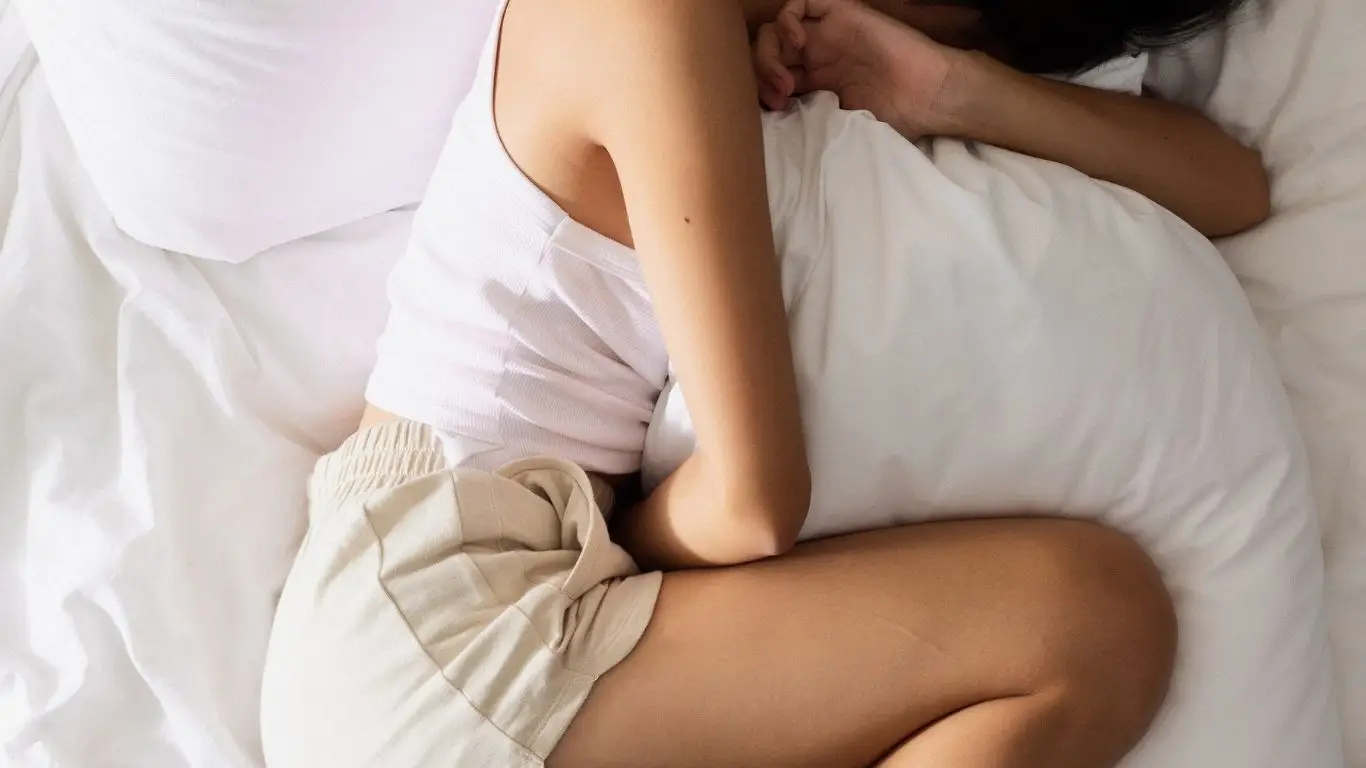
Let’s talk about a real-life routine. What’s a BV-safe period routine even look like? Here’s what I follow now, and let me tell you—it made a difference.
- Start your cycle with a probiotic. I take mine with breakfast.
- Use pads for the first day or two, then switch to tampons only on medium-heavy days.
- Absolutely no overnight tampon wear—pads only at night.
- Double check tampon ingredients. If it’s got fragrance or weird additives, nope.
- End your period with a plain water rinse—no douches, no special “feminine” stuff.
If you’re curious how diet can play into this, check this BV diet guide that dives into foods to avoid and what supports vaginal balance.
More in-depth info on managing and preventing BV can be found in this prevention tips guide and our comprehensive BV resource hub.
Can You Use Tampons While Actively Treating BV?

So here’s a lesson I learned the hard way—using tampons while you’re actively treating BV? Not the best idea. I once tried to keep up my tampon game during a round of metronidazole, and not only did it feel off, but my BV symptoms dragged on way longer than they should have. Turns out, tampons can interfere with both oral and vaginal treatments.
When you’re using something like metronidazole or clindamycin (especially in gel form), a tampon can actually soak up the medication before it gets a chance to work its magic. You’re essentially wasting the treatment—plus, tampons trap bacteria and moisture, which is the last thing you want when trying to restore balance.
Bottom line? Skip tampons entirely until you’ve finished treatment and your symptoms are completely gone. Go for unscented pads or period underwear. They may not be your favorite, but they’re way kinder to your vaginal ecosystem during recovery.
What About Organic and “Clean” Tampons?

Look, I love a good clean label. Give me BPA-free, chlorine-free, fragrance-free—sign me up. But even organic tampons can be problematic if you’re prone to BV. Yes, they’re less likely to contain harsh chemicals or fragrances, but they still absorb everything in their path, including your body’s own protective moisture.
That said, I did notice fewer flare-ups when I made the switch to unbleached, organic cotton tampons (when I used them the right way). If you’re not ready to ditch tampons entirely, go for the cleanest, simplest ones you can find. And only on medium-to-heavy flow days. Light flow + high absorbency = BV waiting to happen.
There’s a deeper breakdown of tampon materials and how they impact vaginal health in this piece on common hygiene myths—some of them might surprise you.
Tampons vs. Menstrual Cups vs. Pads—Which Is BV-Friendly?

I’ve tried all three. After my third BV episode in one year, I went on a mission to figure out which period product was actually safest. Here’s what I learned (and what my gyno backed up):
- Menstrual Cups: Surprisingly BV-neutral. As long as you clean them thoroughly and don’t leave them in for too long (12 hours max!), they don’t absorb natural moisture or mess with pH.
- Tampons: Use with caution. Unscented, organic, and only when needed. Avoid entirely during or after treatment.
- Pads: Safe, but can feel bulky or uncomfortable. Still, they’re great during treatment phases or for overnight use.
I now rotate between menstrual cups and pads and only reach for a tampon on my heaviest days. It’s not about fear—it’s about making informed choices that support my body’s balance. You might find your own flow (pun intended) with a similar strategy.
Want to understand how different period products affect BV risk over time? Don’t miss this look at recurring BV causes.
What Doctors Are Saying About BV and Tampons

According to OB-GYNs I’ve spoken with—and backed by experts at Mayo Clinic—tampons are okay if you use them correctly. But they’re not risk-free, especially if you have recurring infections or sensitive vaginal flora.
Here are a few golden rules many gynecologists recommend:
- Use the lowest absorbency you need
- Change tampons every 4–6 hours (no exceptions)
- Avoid using tampons overnight
- Never use scented tampons
- Take a tampon “break” during and after BV treatment
Want a deeper dive into how BV is diagnosed and what doctors look for? This resource is solid: How BV Is Diagnosed.
Best Practices to Prevent BV When Using Tampons

If giving up tampons entirely isn’t your thing (I get it), you can still minimize the risk. Here’s the routine that’s worked for me for over a year—no relapses since:
- Stick to fragrance-free, organic cotton tampons
- Use pads at night and for the first day or two of your cycle
- Take daily probiotics during your period
- Never exceed 6 hours with a tampon in
- Alternate with menstrual cups or pads when possible
It also helps to understand how hormones, hygiene, and stress can play a role. The more you know, the better you can protect your balance. Here’s a helpful look into stress-related BV triggers you might not be aware of.
Get to Know Your Body—and Trust It

One of the biggest lessons BV taught me? Your vagina knows what it’s doing—until we mess with it. Tampons aren’t evil, but they’re not innocent either. Once I started paying attention to what worked and what didn’t—my symptoms, my routine, even my stress levels—I finally felt like I had control again.
If you’re curious about more natural approaches to support vaginal health, don’t miss this solid roundup of BV natural remedies. From probiotics to essential oils, there’s more than one path to healing and balance.
For a full view of how BV fits into your overall health picture, explore our main pillar article here and dive deeper into tampon-related prevention in this focused guide on BV prevention tips.

Dr. Gwenna Aazee is a board-certified Internal Medicine Physician with a special focus on hypertension management, chronic disease prevention, and patient education. With years of experience in both clinical practice and medical writing, she’s passionate about turning evidence-based medicine into accessible, actionable advice. Through her work at Healthusias.com, Dr. Aazee empowers readers to take charge of their health with confidence and clarity. Off the clock, she enjoys deep dives into nutrition research, long walks with her rescue pup, and simplifying medical jargon one article at a time.