How Antibiotics Disrupt Vaginal Balance and What You Can Do
Antibiotics have always been my go-to when battling a stubborn infection. But after a particularly intense round prescribed for a sinus infection, I started noticing some unexpected changes down there — discomfort, odd discharge, and that unmistakable imbalance you just *know* isn’t right. That experience sent me spiraling into research mode, and if you’ve ever asked yourself, can antibiotics disrupt vaginal balance, you’re definitely not alone.
What Happens to the Vaginal Flora During Antibiotic Use?

Your vagina isn’t just “there” — it’s a vibrant, living microbiome. It’s home to billions of bacteria, and believe it or not, most of them are actually the good kind. Lactobacilli are the dominant players, producing lactic acid to keep your vaginal pH slightly acidic (around 3.8–4.5). That acidity is key to keeping harmful bacteria and yeast in check.
But here’s the kicker: antibiotics don’t discriminate. They go in guns blazing, killing off both harmful and beneficial bacteria. While that might be great for your throat or bladder, it can wreak havoc on your vaginal ecosystem.
Suddenly, your Lactobacilli population takes a nosedive, and that opens the floodgates for troublemakers like Gardnerella vaginalis or Candida to take over. That’s where bacterial vaginosis (BV) or yeast infections often begin to creep in.
Recognizing the Signs of an Antibiotic-Induced Imbalance

I wish I had known earlier what to look for. But now, I always pay attention after starting antibiotics. Some of the telltale signs that your vaginal balance is off include:
- A strong, fishy vaginal odor (especially after sex)
- Thin, grayish-white discharge
- Unusual itching or irritation
- A feeling of dryness or rawness down there
These symptoms are often associated with bacterial vaginosis, but they could also hint at yeast overgrowth — especially if you’re noticing a cottage cheese-like discharge or more intense itching.
Why Some Antibiotics Are More Likely to Cause Vaginal Issues

Not all antibiotics have the same side effects. Broad-spectrum antibiotics like amoxicillin, ciprofloxacin, or clindamycin tend to do the most damage to your vaginal flora because they target a wide range of bacteria — including those precious Lactobacilli. Interestingly, clindamycin is also used to treat BV, which feels a bit ironic when you think about it.
If you’ve been prescribed these meds, especially for more than a few days, you’re at higher risk of developing a post-antibiotic imbalance. It’s not a matter of *if* it happens — it’s often a matter of *when*, unless you take preventive steps.
Other Risk Factors That Can Compound the Effects
- Already having a history of BV or yeast infections
- Frequent douching or use of scented products
- Stress and poor diet (which also weaken immune response)
- Unprotected sex or a new partner during treatment
That last one? Guilty. I didn’t realize that sexual activity while your flora is compromised can throw your balance off even more.
How to Prevent Vaginal Imbalance While Taking Antibiotics

Okay, so here’s the good news: you’re not helpless. There are several ways to help protect or restore your vaginal balance, even while you’re still on antibiotics.
- Take Probiotics – Not all probiotics are created equal. Look for strains like Lactobacillus rhamnosus GR-1 and Reuteri RC-14, which are shown to help support vaginal health. Some women-specific probiotics are designed to be taken alongside antibiotics.
- Use Vaginal Probiotics – Yes, they exist. And yes, they can be incredibly helpful in repopulating beneficial bacteria directly where it matters most.
- Eat Prebiotic-Rich Foods – These include asparagus, garlic, bananas, and oats. They feed the good bacteria and help them thrive.
- Avoid Irritants – That means no douching, no scented soaps, and definitely no “vaginal cleansing” products. Seriously, stop believing the myths.
For a deeper breakdown of what your diet can do for your vaginal ecosystem, the BV diet guide explains how foods can help or hurt your balance.
When an Imbalance Becomes Bacterial Vaginosis

If symptoms persist beyond the course of antibiotics, or if they intensify, you may have shifted from simple imbalance to full-blown BV. It’s worth learning more about how to self-assess and when it’s time to see a doctor.
The treatment for BV typically includes either metronidazole or clindamycin. Ironically, these are also antibiotics — but they’re targeted at the specific bacteria responsible for BV, not your whole body flora.
For a comprehensive look at treatment options, including natural alternatives, see this complete guide to BV treatments.
Putting It All Into Perspective

Antibiotics are powerful tools. But with that power comes a responsibility to your body’s other systems — including your vaginal health. You don’t need to swear off meds completely (please don’t), but being proactive can save you a ton of frustration later on.
For an overview of how BV connects to every part of your health journey, visit the main BV resource. And for a closer look at how BV starts, spreads, and recurs — especially after antibiotic use — the recurring BV prevention guide is a must-read.
Healing Your Vaginal Microbiome After Antibiotics

If you’ve just wrapped up an antibiotic course and you’re feeling off down there, you’re not imagining it — and you’re definitely not alone. I’ve had those moments of “something’s not right,” even weeks after the last pill. The good news is that your vaginal microbiome is surprisingly resilient. But it needs the right support.
Your body doesn’t just bounce back to balance on its own after antibiotics. It needs help restoring its natural bacterial defense squad. So what can you do to guide your system back to health?
Start With Food First
One of the easiest and most effective things you can do is support your body from the inside out. After all, your gut and vaginal health are closely linked.
- Fermented foods – Think kimchi, sauerkraut, kombucha, and unsweetened yogurt. These are natural sources of probiotics that can aid in recolonizing your gut and vaginal flora.
- Prebiotic fiber – Garlic, leeks, onions, oats, and bananas are all foods that feed good bacteria and help them thrive.
- Hydration – Seems obvious, but water helps flush out toxins and supports overall cellular function, including the mucous membranes in your vagina.
The right foods can act like a personal support team for your vaginal health — just be mindful to avoid the ones that make things worse. I found out the hard way that sugar is one of the biggest culprits in throwing everything off again. Here’s what sugar really does to your vaginal microbiome.
Supplements That Actually Help

I’m usually skeptical of supplements, but I swear by specific ones now. After dealing with a few rounds of recurrent BV post-antibiotics, I talked to a naturopathic practitioner and tried a targeted approach.
- High-quality probiotics – Look for strains like Lactobacillus reuteri and Lactobacillus rhamnosus which are clinically shown to benefit vaginal health.
- Vitamin D – There’s emerging research (see pubmed) showing low levels of Vitamin D are associated with increased BV risk. Coincidence? Maybe. But I supplement now, just in case.
- Omega-3s – These healthy fats support immune and cellular health, which indirectly helps your body’s ability to resist and recover from infections.
If you’re looking to rebuild your flora naturally, some women also swear by vaginal yogurt applications, or even boric acid suppositories. Personally, I stick with probiotics — they work best for me, but the natural route has its place, too.
Signs Your Vaginal Balance Is Back on Track
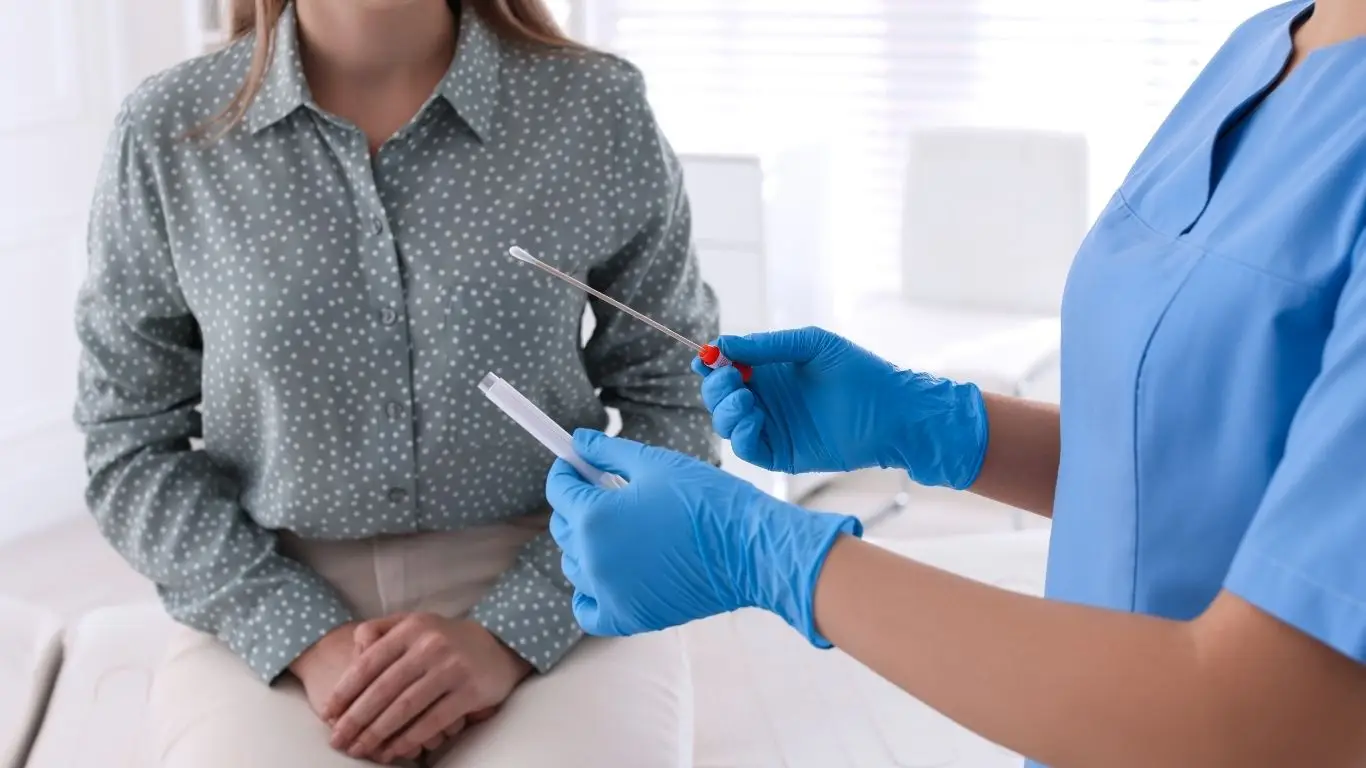
You’ll know you’re on the mend when that fresh, clean feeling returns — and the symptoms disappear. For me, the real test is whether I go through a full menstrual cycle without any odd smells or weird discharge.
Signs your vaginal microbiome is happy again include:
- No odor, or a mild acidic scent
- Clear to white, non-irritating discharge
- No itching, burning, or discomfort
- Feeling comfortable and confident during sex
If you’ve been following all the right steps and still dealing with symptoms, it may be time to look into long-term BV solutions. It’s not just about one round of antibiotics — sometimes you need a full vaginal healing strategy.
How Stress and Lifestyle Keep the Cycle Going

Here’s something not enough people talk about: your lifestyle plays a massive role. Even when I was doing “everything right” with diet and supplements, I was burning out at work, getting terrible sleep, and constantly feeling anxious. And wouldn’t you know it — my BV kept coming back.
Chronic stress can weaken your immune system and alter your hormonal balance, both of which influence your microbiome. If you’re wondering if BV can be caused by stress, the short answer is: yes, indirectly, but very powerfully.
Small Shifts That Made a Big Difference for Me
- Adding 15 minutes of yoga or walking daily
- Cutting back on caffeine and alcohol (the hardest part, let me tell you)
- Using menstrual products made from organic cotton
- Switching to breathable cotton underwear and avoiding thongs
It’s not about perfection — it’s about creating an environment your body can thrive in.
How to Know When It’s Time for Medical Help

Sometimes, despite everything, your body needs more help. If you experience:
- Recurring symptoms after each course of antibiotics
- BV more than 3 times in 12 months
- Pain, bleeding, or unusual discharge outside your cycle
…then it’s time to talk to your OB-GYN. They might recommend long-term suppressive therapy, vaginal estrogen if you’re perimenopausal, or even more specialized diagnostics.
I once waited too long to go in, thinking I could fix it all naturally. What I needed was a short course of treatment combined with long-term prevention — and that changed everything.
Trust Your Body, but Support It Too

Restoring balance isn’t just about probiotics or avoiding scented soap. It’s about tuning into your body, asking what it needs, and giving it consistent, gentle support. The more I’ve leaned into that mindset, the less I’ve dealt with post-antibiotic issues.
Want a complete picture of how bacterial vaginosis fits into your overall health? Check out the full bacterial vaginosis guide on Healthusias. It pulls everything together — from symptoms and causes to treatment and long-term care.
And if you’re curious about how to avoid getting stuck in the antibiotic → BV → antibiotic cycle, the BV prevention guide is a great next step.

Dr. Gwenna Aazee is a board-certified Internal Medicine Physician with a special focus on hypertension management, chronic disease prevention, and patient education. With years of experience in both clinical practice and medical writing, she’s passionate about turning evidence-based medicine into accessible, actionable advice. Through her work at Healthusias.com, Dr. Aazee empowers readers to take charge of their health with confidence and clarity. Off the clock, she enjoys deep dives into nutrition research, long walks with her rescue pup, and simplifying medical jargon one article at a time.