How BV Affects Vaginal pH and If the Imbalance Becomes Permanent
Okay, so let me just start by saying—if you’ve ever dealt with bacterial vaginosis (BV), you know it’s not just some random “mild imbalance.” It’s disruptive. It throws your whole day off. And if you’re anything like I was, the number one question that sticks with you even after treatment is: does BV mess with your vaginal pH permanently? Because I remember standing in my bathroom thinking, “Wait… will things ever feel ‘normal’ again?”
Understanding the Delicate Vaginal pH Balance

Here’s the thing about vaginal pH: it’s one of the most underappreciated aspects of vaginal health. The normal pH for a healthy vagina usually falls between 3.8 and 4.5. That slightly acidic environment is what keeps everything in harmony—bad bacteria stay away, good bacteria thrive, and you feel balanced.
But when you get BV? That balance goes out the window. The pH rises above 4.5, making it a comfy little vacation home for bad bacteria like Gardnerella vaginalis. And here’s the kicker: even after BV symptoms are gone, that disruption doesn’t just magically vanish overnight.
Can Bacterial Vaginosis Cause Lasting pH Changes?

Based on my own experience—and plenty of hours Googling at 2 a.m.—the answer isn’t black and white. For some people, their vaginal pH goes right back to normal after BV clears. For others (hi, it’s me 🙋♀️), the battle is a little longer.
The main issue is recurrence. According to National Library of Medicine, over 50% of women experience BV again within 6 months of treatment. That suggests the pH environment doesn’t always self-correct or stay stable long-term. There are even situations where BV becomes a chronic condition—the body struggles to maintain a stable pH, and you end up in a frustrating cycle of relapse.
Check this out—on how to stop BV from coming back every month, there’s an insightful dive into how repeated disruptions can wear down your body’s ability to self-regulate vaginal flora.
So… Is It Ever Truly “Permanent”?

Let’s be real: when we say “permanent,” we’re really asking whether the damage done by BV leaves behind a lasting impact. For most people, no, it’s not permanent in the strictest medical sense. But that doesn’t mean there aren’t long-term effects if it’s not handled properly.
I found that after three back-to-back infections, even when my symptoms cleared, I felt “off.” My discharge wasn’t the same. The odor would come and go. What helped me was learning how to naturally rebalance my vaginal pH, which you can read more about here: how to naturally balance vaginal pH after BV.
What Causes the Long-Term Disruption?
- Overuse of antibiotics: They clear the infection but wipe out good bacteria too.
- Recurrent BV: Each infection makes the vaginal environment more unstable.
- Lack of aftercare: Not restoring pH post-treatment can prolong imbalance.
- Underlying triggers: Stress, diet, and hygiene habits can all play a role.
If you’re constantly asking yourself whether the treatment even worked, you’re not alone. This article really helped me understand why BV keeps coming back even after treatment.
Supporting Vaginal Health After BV

After my third round of metronidazole (ugh), I was determined to never deal with that again. I started taking probiotics—not just the capsule kind, but actual probiotic-rich foods like kefir and miso. It felt like I was giving my vagina a much-needed peace offering. Turns out, probiotics for BV are backed by solid science too.
Small Lifestyle Adjustments That Made a Big Difference
- Switched to pH-balanced feminine wash: I had no idea my old products were so harsh.
- Ditched tight synthetic underwear: Hello, breathable cotton.
- Cut down sugar: Yep, even that 4 p.m. pastry had to go. Sugar feeds the bad stuff.
- Hydration: Sounds basic, but it really helps detox your system.
Also, this guide on what to eat and what to avoid when prone to BV gave me some serious “aha” moments—food really does impact everything.
Does the Type of BV Treatment Matter?

Short answer? Absolutely. The first time I got BV, I was given oral metronidazole. Worked okay. The second time, I asked about alternatives and was prescribed clindamycin gel. Let me tell you—game changer. Topical treatments like clindamycin for BV can be gentler on your gut and more targeted. But no matter the method, it’s what you do *after* treatment that helps restore and keep your vaginal pH balanced.
It’s also worth understanding the broader view on treatment options for BV, especially if you’ve had recurrences. Not every case is the same, and it’s okay to ask your doctor about personalized care.
If you’re diving deeper into this topic, I’d strongly suggest reading the main guide on causes and risk factors of BV. And for a more holistic understanding, explore the full breakdown here: Bacterial Vaginosis – Main Pillar Page.
What If BV Keeps Coming Back—Is It Your pH or Something Else?

Let’s get honest for a sec: I used to think I was just “unlucky” with recurring BV. But as it turns out, repeated infections aren’t always about hygiene or your partner. Sometimes, it’s your body’s microbiome struggling to re-establish its pH baseline. And other times? It’s underlying triggers no one talks about enough—stress, hormonal fluctuations, or even over-washing.
This page on recurring BV causes and prevention helped me understand how seemingly harmless daily habits could be throwing off my balance. It’s not always about what you’re doing wrong—it’s often about not knowing what to do right.
Common Recurrence Triggers That Wreck Vaginal pH
- Frequent antibiotic use without replenishing probiotics.
- Inconsistent protection during sex or multiple partners.
- Douching or fragranced feminine products (please don’t).
- Lack of post-treatment care—like skipping probiotic support.
Something else I discovered? Your menstrual cycle can absolutely mess with your pH. Hormonal dips and the blood’s naturally higher pH contribute to fluctuations. If you’re curious, check out how BV connects to your cycle.
Proactive Steps to Restore and Maintain pH After BV

After too many frustrating cycles, I realized the trick isn’t just treating BV—it’s preventing the environment that allows it to return. And yes, there are practical ways to help your vagina stay in balance. I’m not saying it’s foolproof, but these things genuinely made a difference:
Daily Habits That Promote Healthy Vaginal pH
- Switch to non-toxic, unscented hygiene products: Even your laundry detergent matters.
- Use a daily vaginal probiotic: I take mine before bed so it works overnight.
- Hydrate and eat fermented foods: Yogurt, kombucha, sauerkraut—your gut affects your vagina.
- Wear breathable, moisture-wicking underwear: Especially during workouts or hot weather.
This article on BV prevention tips breaks it down further and covers overlooked strategies—like even how you sleep matters.
Oh, and here’s a tip I got from my OB-GYN: if you’ve had BV more than twice in a year, start tracking your triggers like you track your period. I used a notes app to log symptoms, diet, stress, and even sex. It helped me see patterns and address them before the next flare-up.
Can You Fully Heal Your Vaginal pH Long-Term?

The good news? Yes, you can restore your vaginal pH. But no, it doesn’t always happen automatically. It takes awareness, patience, and often, a bit of trial and error. I spent nearly six months learning what works for my body—between switching probiotics, adjusting my diet, and learning that even seemingly “healthy” habits (like using scented wipes) weren’t doing me any favors.
This super helpful post about what triggers BV to keep returning validated so much of what I was going through. Sometimes just knowing it’s not “just you” makes a difference.
There’s also increasing interest in long-term CDC–recommended maintenance therapies—like twice-weekly metronidazole gel or boric acid suppositories as a preventative. But definitely speak to your doctor before starting anything like that.
When to Seek Professional Help

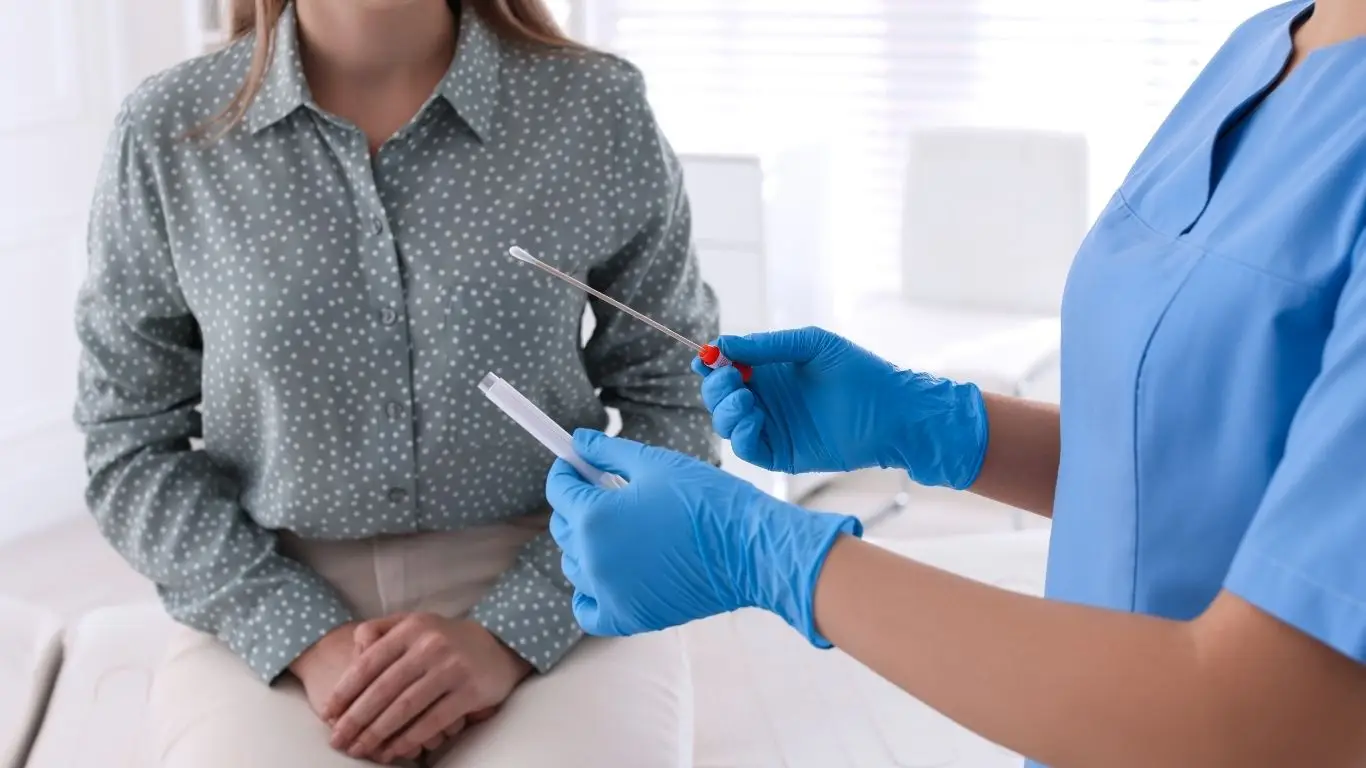
Here’s the part I wish someone told me earlier: you don’t have to figure this out alone. If you’re treating BV over and over, or still feeling off months after treatment, it’s time to talk to a provider. They can run more detailed pH and microbiome tests, screen for similar infections, and rule out other conditions like yeast or trichomoniasis.
I once had a negative BV test but still had all the symptoms. Turns out, my vaginal pH was still elevated. This post on BV symptoms but a negative test made me feel so seen.
Final Take: Is Your pH Doomed Forever After BV?
Nope. Not at all. But if you’re looking for the short answer to “does BV affect vaginal pH permanently?”—it’s this: It can, if left unmanaged or repeatedly triggered. But with the right support, knowledge, and a few lifestyle tweaks, your body absolutely has the power to restore its natural balance.
What changed everything for me was shifting my mindset. Instead of just reacting to infections, I started proactively supporting my vaginal microbiome—and it’s made a huge difference.
If you’re still navigating the ups and downs of BV and want a deeper understanding, I highly recommend reading the full BV symptoms guide for subtle signs your pH might be off even if you’re asymptomatic. And if you haven’t yet, the main resource on Bacterial Vaginosis is a fantastic place to start your deeper dive.

Dr. Gwenna Aazee is a board-certified Internal Medicine Physician with a special focus on hypertension management, chronic disease prevention, and patient education. With years of experience in both clinical practice and medical writing, she’s passionate about turning evidence-based medicine into accessible, actionable advice. Through her work at Healthusias.com, Dr. Aazee empowers readers to take charge of their health with confidence and clarity. Off the clock, she enjoys deep dives into nutrition research, long walks with her rescue pup, and simplifying medical jargon one article at a time.