Why BV May Cause Discomfort When Sitting and How to Relieve It
Let’s talk about something a little uncomfortable—literally. If you’ve ever found yourself shifting in your seat, feeling awkward pressure, or just downright sore “down there,” and wondering *what the heck is going on*, you’re not alone. I remember sitting through an hour-long meeting trying not to squirm, quietly praying for it to end. It wasn’t until later that I learned bacterial vaginosis (BV) might’ve been the culprit.
Understanding Discomfort When Sitting: Could It Be BV?
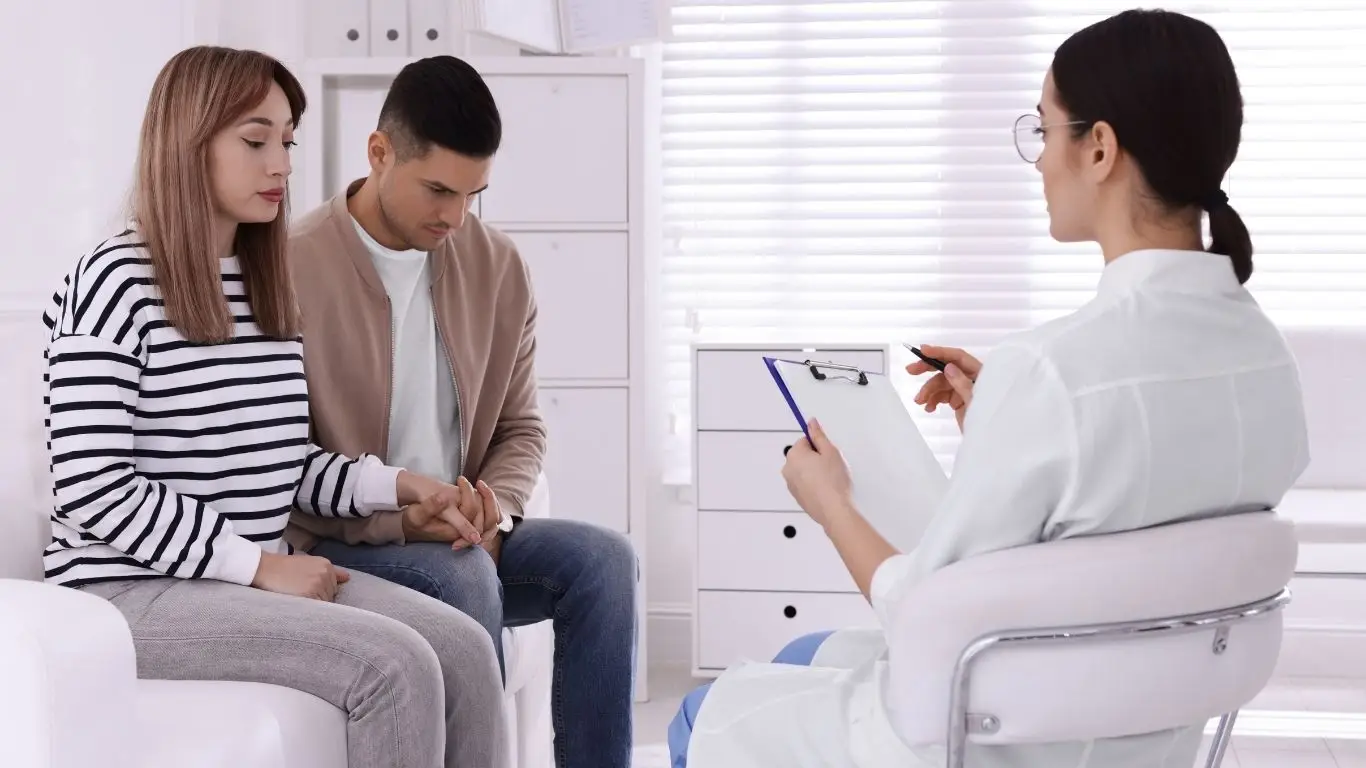
Most people associate BV with odor or unusual discharge, and that’s fair. But what’s not talked about enough is how *sitting* can sometimes become an unexpectedly painful or uncomfortable task. Why does this happen?
The vagina and surrounding tissues are loaded with nerve endings. When there’s an imbalance in the vaginal flora, like what happens with BV, inflammation can occur. This inflammation can cause swelling or tenderness, which—surprise—makes sitting feel way worse than it should.
So, is it normal to feel discomfort when sitting?
Yes, it can be. While not everyone experiences this symptom, it’s not unusual. In fact, some cases of BV can cause pelvic pressure or cramping, and when that extends to the vulva or outer vaginal area, sitting becomes less than ideal.
Why BV Can Make Sitting Uncomfortable

BV isn’t just about internal symptoms. The external impact, especially when it comes to irritation or skin sensitivity, can make contact with certain surfaces (like chairs or tight clothing) quite unpleasant.
Inflammation & Swelling
One of the biggest contributors is inflammation. When the natural balance of bacteria is thrown off, harmful bacteria can lead to mild inflammation. It’s not quite like an infection that spreads—more like a low-level constant irritation that doesn’t go away as quickly as you’d like.
Vaginal Dryness or Sensitivity
Another thing that surprised me was the level of dryness BV could cause. Not the kind that makes you itch like crazy, but just enough that underwear or tight jeans suddenly feel like sandpaper. Pair that with a long car ride or a bumpy train commute, and you’re in trouble.
In some cases, BV-related discharge may irritate the surrounding skin, increasing sensitivity.
Other Causes to Rule Out

Just because you’re feeling pressure or soreness when sitting doesn’t *automatically* mean it’s BV. It’s always smart to explore other potential culprits.
- Yeast infections – Can feel similar to BV but with more itching and burning.
- UTIs – Typically cause pain during urination, but some pelvic pressure can overlap.
- Skin irritations – Like contact dermatitis from soaps, pads, or even toilet paper.
That’s why it’s important to know your body. If discomfort lingers, review your hygiene routine and speak to a doctor. Self-diagnosing can only go so far.
My Personal Take (and a Bit of Advice)

From my own experience, discomfort while sitting didn’t seem linked to any “obvious” BV signs like odor or discharge. It was just this lingering feeling of pressure and dryness. I tried switching to cotton underwear and avoiding tight leggings for a week—it helped, but didn’t fully solve it. Eventually, a quick visit to the OB confirmed BV.
A simple course of treatment cleared things up fast. But that episode taught me two things:
- BV doesn’t always look the same for everyone
- Sitting pain might be more than just an uncomfortable chair
What You Can Do If You Suspect BV Is Causing Discomfort
Here are a few tips that worked for me and are also backed by OB-GYN recommendations:
- Go breathable: Stick to cotton underwear, avoid thongs if you’re already sensitive.
- Skip the fragrance: Perfumed wipes or soap can aggravate an already irritated area. Choose a pH-balanced wash instead.
- Hydrate and nourish: Yes, even your vaginal health benefits from a healthy diet. Too much sugar can worsen BV symptoms.
When It’s Time to See a Doctor

If you’re noticing discomfort when sitting and you also have other signs—like odor, grayish discharge, or itching—it’s definitely time to get checked. BV is common and treatable, but letting it linger can open the door to more serious issues.
According to NIH, untreated BV can increase the risk of pelvic inflammatory disease and complications during pregnancy. That alone should be a reason not to brush it off.
Other Symptoms That May Accompany Sitting Discomfort
- Persistent itching or burning
- Unusual discharge color or smell
- Mild pelvic pressure that doesn’t go away
- Subtle symptoms with no strong odor
Get Informed: Learn More About BV
To understand what your body is going through, it’s essential to learn from credible sources. Check out this deep dive into BV symptoms and signs for a broader view of what to watch for.
For an overview of everything BV—symptoms, causes, treatment, prevention—visit the main resource: What is Bacterial Vaginosis? on Healthusias.
Could It Be Something More Serious?

Let’s be real—when you’re sitting uncomfortably every day, it’s hard not to spiral. Is it just BV? Could it be something else? I’ve been there, and I know that weird in-between of *“it’s probably nothing”* and *“why does this still hurt?”*
While BV is usually a mild condition, if discomfort persists even after treatment, there could be other things going on. It might not be *just* BV—or it could be recurring BV making a frustrating comeback.
Recurring BV: Why It Keeps Coming Back
One of the most maddening things about BV is how sneaky it can be. You take the meds, follow the instructions, and think it’s gone. And then… boom. Back again. Often with that same sitting discomfort.
If you’ve had multiple flare-ups in a few months, you’re not alone. Around 50% of women treated for BV will experience it again within a year.
What Causes the Return?
- Antibiotic resistance: Not all bacteria respond well to first-line treatments.
- Partner transmission: Yes, your partner could be unknowingly passing it back. Treating both of you might help.
- Hormonal changes: Menstrual cycles and even birth control can mess with vaginal pH.
Tips for Managing BV-Related Sitting Discomfort at Home

There were a few rough weeks where every office chair felt like a medieval torture device. So I tried a bunch of home remedies and comfort hacks. Some were useless. Others? Lifesavers.
Here’s what actually worked for me:
1. Sitz Baths
A simple soak in warm water (no soaps, no bath bombs) for 10-15 minutes. It helped reduce the tenderness and soothed irritated skin.
2. Cooling Gel Pads or Cushions
Yep—there are cushions made for postpartum recovery that *also* help with BV-related discomfort. It sounds dramatic, but sitting on one during flare-ups was a total game-changer.
3. Dietary Adjustments
Believe it or not, your gut and your vagina are *very* connected. Once I started adding probiotics and cutting down sugar, the flare-ups became less intense.
This guide explains how certain foods support your vaginal microbiome naturally.
Don’t Ignore These Red Flags

There’s “mildly annoying discomfort,” and then there’s “you need to call your doctor today.” It’s super important to recognize the difference.
Call your doctor if you notice:
- Discomfort worsening over time
- Bleeding between periods or after sex
- Foul-smelling discharge that gets stronger
- Sharp pelvic or lower abdominal pain
Sometimes BV can lead to more serious infections like PID (Pelvic Inflammatory Disease) if untreated. If you’re unsure, consult CDC’s guidelines on BV-related complications or talk to your healthcare provider.
How to Prevent Future BV Discomfort

Prevention isn’t just about taking a probiotic and hoping for the best. It’s about building a whole ecosystem that supports vaginal health—day in, day out.
Your Anti-BV Routine Might Include:
- Wearing breathable fabrics: Think cotton. Avoid synthetic lace, especially during hot weather.
- Proper intimate hygiene: No douching, no perfumed soaps. Gentle, pH-balanced cleansing only.
- Safe sex habits: Condoms may reduce recurrence. Here’s how to be safe without ruining the mood.
- Taking breaks from tight clothing: Even your favorite leggings need a rest day.
The Truth About Natural Remedies

I’ll admit, I was skeptical at first. But when BV kept returning despite prescription meds, I gave natural remedies a shot—cautiously.
Some women swear by:
But it’s crucial to use them responsibly. Always consult a doctor before inserting anything into the vagina—natural doesn’t mean harmless.
When Sitting Pain Just Won’t Go Away

Chronic discomfort that doesn’t respond to BV treatment might need a broader look. Vulvodynia, nerve-related pelvic issues, or even skin conditions like lichen sclerosus can feel similar.
That’s why accurate diagnosis is so important. If standard BV treatment doesn’t help, request a deeper evaluation. Mention *everything*—even the embarrassing stuff.
What You Can Do Right Now

If you’re dealing with discomfort while sitting and you suspect BV, here’s what I wish someone had told me sooner:
- Track your symptoms in a journal (timing, triggers, intensity)
- Check your discharge and any odor patterns
- Review your hygiene products and underwear materials
- Implement a daily prevention plan if you’re prone to flare-ups
It’s not just about comfort—long-term vaginal health matters.
Learn More and Stay Ahead of BV

Still unsure what’s causing your symptoms? You might find this helpful: Symptoms & Signs of BV. It’s an excellent breakdown of how BV presents in different ways—some subtle, some not so much.
And for a complete overview of BV causes, risks, and treatment, bookmark the official resource here: Bacterial Vaginosis Main Page.

Dr. Gwenna Aazee is a board-certified Internal Medicine Physician with a special focus on hypertension management, chronic disease prevention, and patient education. With years of experience in both clinical practice and medical writing, she’s passionate about turning evidence-based medicine into accessible, actionable advice. Through her work at Healthusias.com, Dr. Aazee empowers readers to take charge of their health with confidence and clarity. Off the clock, she enjoys deep dives into nutrition research, long walks with her rescue pup, and simplifying medical jargon one article at a time.