Why BV Might Be Making You Feel Gassy and Bloated
So here’s something I never expected to Google: “Can BV make you feel bloated?” Sounds odd at first, right? But if you’ve ever dealt with bacterial vaginosis (BV), and suddenly you’re feeling bloated, gassy, or just “off” in your gut, you’re definitely not alone. I’ve been there — confused, bloated like a balloon, and unsure if my stomach was reacting to last night’s takeout or something a little deeper (literally). What I discovered? There might actually be a real connection. Let’s unpack this with a no-nonsense, experience-backed, medically-informed look at what’s really going on.
Can BV Really Mess with Your Digestion?

You might think BV is just about vaginal symptoms — the odor, discharge, maybe a little itching. But for some women (myself included), the experience comes with unexpected guests: gas and bloating. At first, I brushed it off. Then I realized every time BV flared up, my stomach followed suit.
So how does something happening in the vagina end up affecting the gut?
1. Microbiome Cross-Talk
Both your vaginal and gut microbiomes are communities of bacteria, and guess what? They talk to each other. When BV throws your vaginal bacteria out of whack, your gut can get caught in the drama too. Researchers have started to connect the dots between vaginal dysbiosis and gastrointestinal symptoms, especially when gut health and BV collide.
- BV leads to a decrease in Lactobacillus — the “good” bacteria
- This imbalance may weaken overall immune function and gut barrier health
- Result: increased inflammation and digestive discomfort
According to ncbi.nlm.nih.gov, changes in vaginal flora can influence systemic inflammation, which in turn can disturb your GI function. I’ve literally felt bloated during some BV episodes — not just mentally but physically puffy, like jeans suddenly got tighter. And yes, a few friends confirmed the same.
2. Hormonal Disruption & Gas
BV doesn’t always act alone. It often tags along with hormonal shifts — stress, menstruation, even ovulation. These shifts don’t just trigger vaginal changes; they’re also known to slow digestion, trap gas, and leave you bloated like a soda bottle in the sun.
It gets especially tricky during your period. I always noticed my symptoms ramped up post-menstruation. Turns out, there’s a reason: BV after periods is surprisingly common. And so is that gut discomfort that sneaks in with it.
What Does the Bloating Actually Feel Like?

Honestly? It’s not your standard post-pasta bloat. With BV-related bloating, I feel this low, dragging pressure — kind of like mild menstrual cramps mixed with trapped gas. Sometimes there’s a weird tension across the abdomen, and other days, it’s just embarrassing gassiness that sneaks up at the worst moments.
And no, it’s not all in your head. healthline.com and even ob-gyns I’ve spoken to confirm that gastrointestinal symptoms are increasingly linked to vaginal microbiome disruptions. So if you’re noticing your tummy gets in on the action every time BV shows up, trust that your body’s trying to tell you something.
Real Talk: How Long Does This Last?
In my experience, the bloating eases once the BV is properly treated. But that’s key — it has to be treated right. Sometimes antibiotics help; other times, they mess things up more (hello, relapse after antibiotics is real).
Timing matters too. If you’re currently on metronidazole, it might take a few days before your stomach settles. That gut-healing lag can be frustrating but totally normal.
Are There Any Other Silent Symptoms of BV?

Definitely. We tend to think BV is all about what’s happening *down there*, but its effects can be sneakier:
- Fatigue (mild but consistent)
- Increased bloating or irregular bowel movements
- Lower back discomfort — often confused with period cramps
- Pelvic pressure without obvious cause
None of these symptoms are talked about enough. When I mentioned these to my gynecologist, she nodded like she’d heard it a hundred times but knew most people don’t connect the dots. For example, pelvic pain is often misdiagnosed as unrelated. It’s not.
If any of this sounds familiar, it might be time to dig into the broader picture of BV. I recommend starting with this comprehensive resource on vaginal odor and BV to understand how it can affect more than just what you expect.
What About Recurrent Gas or IBS-Like Symptoms?
This is where things get even more interesting. Several women report a cycle of gas, BV, gas again — almost like one flares the other. In some cases, people confuse the early signs of BV with IBS. But it’s not unheard of for these conditions to overlap. cdc.gov even notes a potential gut-vaginal axis that’s still being explored in research.
Could it be coincidence? Maybe. But when I cleaned up my gut health, used the right probiotics, and addressed BV with both conventional and natural support, everything eased. My bloating didn’t vanish overnight, but it stopped being a recurring nightmare.
Need a broader look? This deeper dive into the hygiene habits that contribute to BV might surprise you. Some of the things we think are helping actually make it worse — and yes, they can trigger gas too.
For more on the underlying structure and types of BV (especially if you’re wondering what form of BV could be causing this), check out the comprehensive overview on types and anatomy of BV. Or explore the main guide here: Bacterial Vaginosis Main Guide.
What You Can Actually Do About It

Alright, so the bloating and gas are real — now what? That’s the question I kept asking after round three of BV in one year. I was sick of the flare-ups, and even more fed up with the bloating that came with them. So I started tracking patterns. And tweaking habits. And… things slowly changed.
Here’s what helped me and many others I’ve spoken to. This isn’t about miracle cures — it’s about supporting your system so both your gut and vaginal microbiome can chill the heck out.
1. Clean Up the Gut First
Gut health is foundational. If your digestion is off, your vaginal health will likely follow. For starters:
- Cut back on refined sugar – sugar feeds the bad bacteria, both in your gut and down below. No need to go keto, just be smart about it. Sugar and BV are very much linked.
- Add fermented foods – I started rotating in sauerkraut, kefir, and kimchi. At first, my stomach was like, “what the heck?” but then things smoothed out.
- Try a targeted probiotic – And yes, not all probiotics are equal. Go for ones with strains like *Lactobacillus crispatus*. This guide on probiotics for BV breaks it down well.
Personally, I also noticed less bloating once I started taking probiotics after finishing antibiotics. Timing matters. Some people take them too soon or not long enough. Here’s what I learned: timing probiotic use after antibiotics can make or break your results.
2. Don’t Sleep on Natural Remedies
Honestly, I was skeptical about natural stuff. But after hitting my antibiotic limit, I gave a few things a shot. Some worked, some flopped. What stood out:
- Boric acid suppositories – Total game changer for me. Not just for odor, but it seemed to calm the internal inflammation that made me feel bloated. More details here.
- Apple cider vinegar baths – I know, sounds crunchy, but it actually helped when things felt off-balance. There’s a full breakdown on how to use it properly right here.
- Yogurt directly or topically – Yep, I went there. Only plain, full-fat yogurt with live cultures. It didn’t solve BV alone, but it soothed things and helped regulate my system.
Why BV Keeps Coming Back (and So Does the Bloat)

This part was the most frustrating for me. You finally clear BV, your bloating eases… then boom — it’s back a month later. The most common reasons?
- Incomplete treatment cycles – Stopping meds or boric acid too soon
- Ignoring gut repair – Antibiotics wipe out good gut bacteria too. No wonder digestion crashes
- Trigger habits – Like scented wipes, or stress (yes, stress can cause BV)
One major hidden culprit? Sex. BV can sometimes recur after intimacy, even if you’re being safe. If you’re wondering whether your partner is contributing, here’s a helpful post on treating your partner for BV. It’s not always needed, but when it is, ignoring it means rinse and repeat.
Don’t Forget Lifestyle Plays a Role
I used to treat BV reactively. Now, I’ve shifted to preventing flare-ups. That’s where lifestyle changes came in.
- I switched to breathable, cotton underwear
- Stopped over-washing (goodbye harsh soaps)
- Started managing stress in real ways — short walks, journaling, sleep rituals
And surprise — not only did BV calm down, but my gut did too. Less gas, less bloating, more “normal” days. It wasn’t an overnight fix, but it made a huge difference. That connection between stress, immunity, microbiome, and digestion? Realer than I thought.
Could It Be Something Else?
If your BV treatment isn’t helping the bloating, it’s worth exploring other causes. Conditions like IBS, food sensitivities, or even hormonal imbalances can look eerily similar. There’s also something called “silent BV” — where you don’t get the classic symptoms, but still have the imbalance. See BV without odor to learn more.
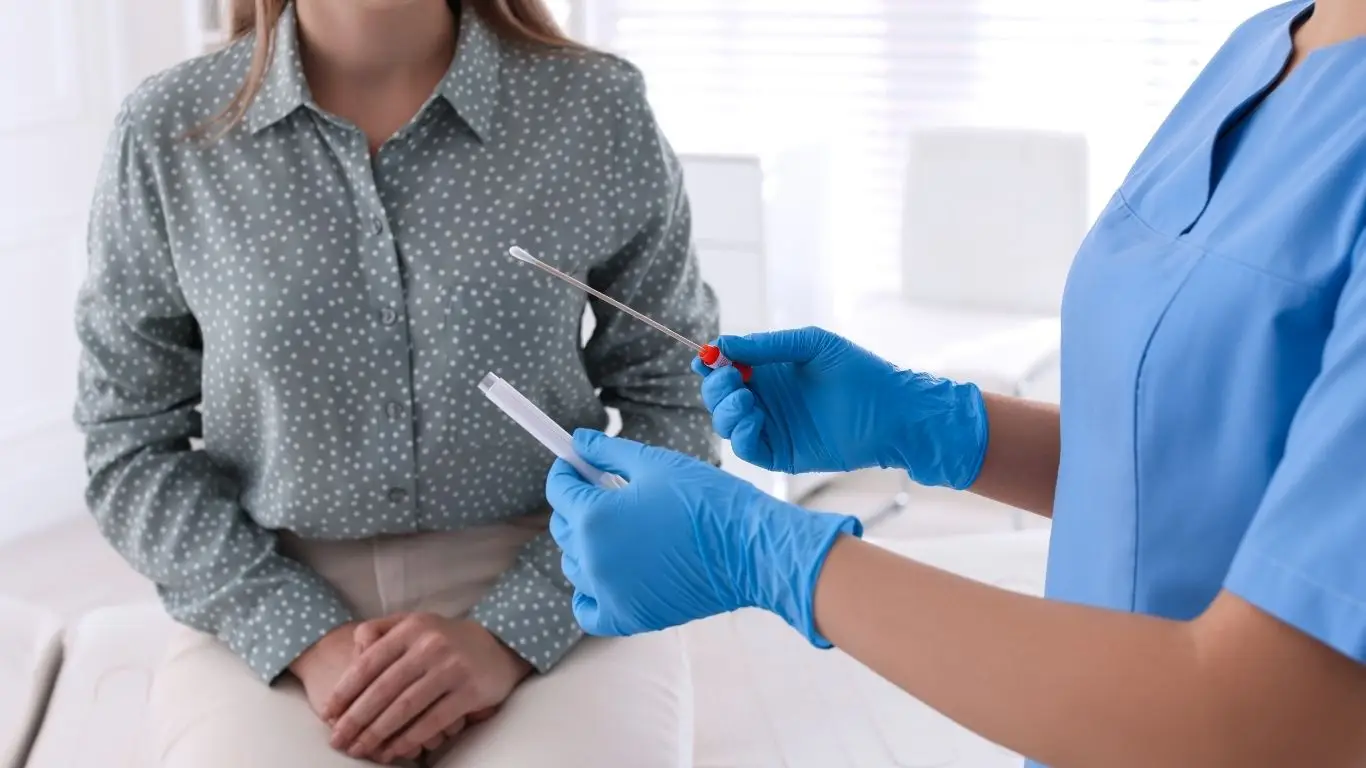
If symptoms persist or worsen, definitely speak to a provider. I ended up doing a stool test and a vaginal swab to rule things out — best decision ever. You shouldn’t have to guess whether it’s gas from pasta or a sign of imbalance.
Where to Go From Here
If this whole topic resonates, you’re not alone. I wish someone had told me earlier that BV could affect more than just the vagina. The bloating, fatigue, weird mood swings — they’re connected. Understanding that changed how I take care of my body.
To go deeper into managing both the physical and emotional toll BV can take, check out this broader breakdown on stopping monthly BV recurrences. If you’re juggling pregnancy and wondering about BV-related bloating, start with the guide on BV treatment during pregnancy.
For the best overall roadmap on everything BV — from types to treatment — I highly recommend this master guide on Bacterial Vaginosis Main Guide.
Also worth exploring: a deeper dive into how gut and vaginal health interconnect in the BV diet pillar article.

Dr. Gwenna Aazee is a board-certified Internal Medicine Physician with a special focus on hypertension management, chronic disease prevention, and patient education. With years of experience in both clinical practice and medical writing, she’s passionate about turning evidence-based medicine into accessible, actionable advice. Through her work at Healthusias.com, Dr. Aazee empowers readers to take charge of their health with confidence and clarity. Off the clock, she enjoys deep dives into nutrition research, long walks with her rescue pup, and simplifying medical jargon one article at a time.