Sleeping Naked May Help Prevent BV Naturally
If you’re like me, someone who’s spent countless hours Googling natural ways to deal with bacterial vaginosis (BV), you’ve probably stumbled across some pretty wild suggestions. But one that genuinely caught my attention—does sleeping naked help with BV? It sounds almost too simple, right? Strip down, fall asleep, and boom—BV-free? As someone who’s struggled with recurring BV and tried just about everything from probiotics to apple cider vinegar, I had to dig deeper.
Understanding the Connection Between Sleep Habits and BV

Let’s be real—when we think about vaginal health, our pajamas usually don’t make the list. But they should. BV is heavily influenced by the vaginal environment. Factors like moisture, pH balance, and airflow all play a role. Wearing tight or synthetic underwear to bed traps heat and moisture, creating a prime environment for bacteria to thrive.
Why Your Choice of Nightwear Matters
When you sleep naked, you’re allowing your skin and intimate area to breathe. That natural airflow reduces sweat buildup and moisture retention—both of which can fuel bacterial growth. It’s not just a comfort thing; it’s a practical one.
- Better ventilation: Sleeping nude allows the area to stay dry.
- Reduces irritation: No seams, no synthetic fabrics—less friction.
- Supports healthy microbiome: A cooler, dryer environment discourages harmful bacteria.
According to NIH research, BV often flares up when the natural balance of bacteria is disrupted. Trapped moisture and friction from sleepwear might just be contributing factors.
My Experience: Going Commando at Night
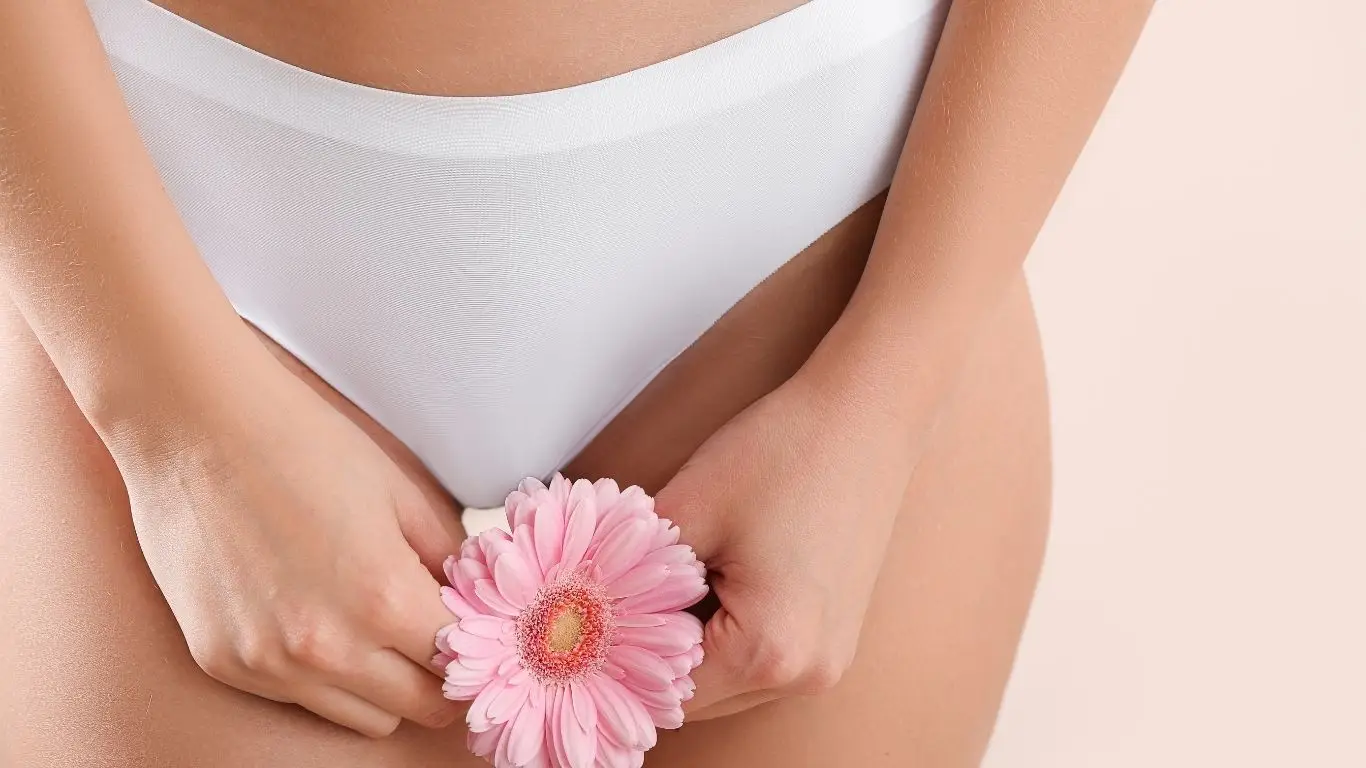
Okay, so here’s my deal: I’ve had BV come and go for years. I’d treat it, it would disappear, and then boom—it’s back, usually after my period or following sex. After trying changing my hygiene habits, probiotics, and even cutting back on sugar, someone in a forum suggested sleeping naked. I was skeptical but curious. Within a week, I noticed less irritation in the mornings. A month in? Fewer symptoms, and honestly, better sleep too.
It wasn’t a magic cure, but it felt like part of the puzzle. Of course, I wasn’t relying solely on it—I’d already improved my hygiene routine, taken prescribed treatments, and was also using probiotics as recommended. Sleeping nude just seemed to tie things together.
Other Benefits of Sleeping Naked for Vaginal Health

So beyond just BV, sleeping without clothes can improve overall vaginal and skin health. And let’s not forget how amazing it feels to kick off the day with fewer disruptions down there. Plus, research from Sleep Foundation shows that better sleep quality—which often comes from cooler body temps—helps regulate immune function. That means your body is more prepared to keep things in balance overnight.
It’s Not for Everyone—Here’s What to Consider
Let’s not pretend sleeping naked is everyone’s vibe. Some of us just feel more comfortable in clothes. If that’s you, go for breathable cotton underwear or loose-fitting sleepwear. But avoid tight shorts or synthetic fabrics that trap heat. The goal is to give your body the space to regulate itself naturally.
Also, if you’re dealing with BV during pregnancy, there may be additional considerations. Read more about treatment options while pregnant and whether certain habits are advisable. Everyone’s body responds differently, so it’s all about finding what works for you.
How Sleeping Naked Fits Into a Holistic BV Prevention Routine

If you’re serious about reducing recurring BV, going commando at night is just one slice of the pie. Here’s how you can build a nighttime routine that actually works with your body, not against it:
- Use a gentle, fragrance-free cleanser (but avoid douching!)
- Always dry the area thoroughly before bed
- Skip the undies or go for loose cotton
- Change sheets regularly—bacteria love dirty linens
You can explore more about these tips in our dedicated BV prevention guide.
When to Reconsider Sleeping Naked
There are a few scenarios where it might not be the best option. If you’re in shared sleeping spaces, or if you’re prone to allergens like dust mites, you might want to wear breathable sleepwear instead. For me, it’s become second nature—and honestly, it’s made a difference not just in my vaginal health but in my confidence too.
If BV keeps coming back despite your efforts, check out what might be going wrong in your treatment plan. Our guide to recurring BV dives deep into hidden triggers.
For a full overview on causes and prevention, visit our BV causes and risk factors page. And if you’re just starting your research, don’t miss the main BV resource page—it’s your go-to hub for everything BV-related.
Can Sleeping Naked Really Make a Long-Term Difference?

Let’s be honest—when you’re dealing with the never-ending cycle of BV, small changes like sleeping naked can feel too minor to matter. I get it, I’ve been there. But just like with diet tweaks or probiotics, it’s not about quick fixes. It’s about creating the kind of environment your body needs to thrive—and for your vagina, that means dry, breathable, and balanced. Sleeping naked helps reduce the friction and humidity that bacteria love, especially after a sweaty day or during your period.
And no, it’s not a solo solution. You’ll still want to support your body in other ways—like understanding how to spot BV symptoms early or knowing when to call your OB/GYN. Sleeping naked won’t cure BV on its own, but when it’s part of a bigger, smarter routine, it definitely earns a spot in the lineup.
What the Science (and Logic) Say
While there’s limited research directly linking nudity and BV improvement, experts agree on the benefits of reducing heat and moisture in the genital area. According to NIH and other reproductive health sources, warm, moist environments are a breeding ground for anaerobic bacteria—the exact kind that causes BV. And if you’ve already read our take on BV and hygiene myths, you know that drying out the area (without overdoing it) is a helpful, preventative move.
Plus, there’s some logic in aligning this with natural body rhythms. Your skin regenerates while you sleep. Letting your body breathe, literally, during those 6–8 hours? That’s an opportunity you don’t want to miss.
What Else You Can Do to Support Vaginal Health at Night

Okay, so you’re cool with ditching the PJs—what next? Pairing this habit with a few nighttime tweaks can make the effects even more noticeable:
- Use breathable cotton sheets and underwear (if you wear any)
- Switch out synthetic detergent and fabric softeners—they can cause irritation
- Skip scented body washes or bubble baths before bed
- Stay hydrated—your vaginal ecosystem thrives when your whole body is balanced
Want to go deeper? Our article on foods that support good bacteria is a solid place to start building that inside-out approach.
Making Naked Sleep Work for You (Even If You’re Not Into It)
Still not convinced to go full birthday suit? That’s okay. I know people who feel uncomfortable or cold without anything on at night—and honestly, it’s about what’s sustainable. In that case, go for loose cotton boxers or oversized sleep shirts. The point is airflow, not total nudity. Even just skipping underwear at night can help a lot. Start small, test what works, and listen to your body.
And if you’re someone who’s constantly waking up with irritation, itching, or an unpleasant odor, those might be signs your nighttime wear is doing more harm than good. Consider pairing this with natural remedies like coconut oil or probiotics to restore balance.
The Emotional Side of Recurring BV (And Why Small Changes Help)

Here’s something not enough people talk about: BV isn’t just physical. It messes with your confidence, your intimacy, and even your sleep. I’ve canceled plans, felt paranoid during dates, and spent way too much time Googling things like “is BV an STD?” (It’s not.) Making small, intentional changes—like ditching tight underwear at night—felt like I was finally taking some power back. It’s not flashy, but it’s empowering.
You’d be surprised how much these changes compound. First you sleep better, then your symptoms are less frequent, then you start trusting your body again. And maybe that’s why something as “minor” as sleeping naked makes such a big difference.
BV Recovery Isn’t a One-Size-Fits-All Process
If you’re still experiencing symptoms even after trying things like antibiotic treatments, hygiene adjustments, and dietary changes, don’t give up. BV can be stubborn and frustrating. But every small change contributes to your body’s ability to restore balance. And if sleeping nude feels good, lowers irritation, and makes you feel a little more in control—then why not?
If you haven’t already, it’s worth reading the full guide on BV treatment options for a broader view of what’s available and how to approach it long-term. You might find combinations that work better than you expected.
Keeping It Real: What I’d Tell a Friend About This

If one of my girlfriends asked me if sleeping naked could help with BV, I’d say this: It won’t hurt, and it might really help. It’s easy, it’s free, and it makes your bed feel like a spa. Pair it with common sense habits—clean linens, good hygiene, solid diet—and you’ve got yourself a smart prevention strategy that actually fits real life.
Start with a few nights. See how your body feels. Then take it from there. You don’t need to change everything overnight—but changing this one thing? Totally worth a shot.
For a full overview of prevention tips that go beyond just sleep, be sure to read our BV prevention tips page. And if you’re just beginning your BV journey or looking for a comprehensive breakdown, visit our main BV resource hub—we’ve got you covered.

Dr. Gwenna Aazee is a board-certified Internal Medicine Physician with a special focus on hypertension management, chronic disease prevention, and patient education. With years of experience in both clinical practice and medical writing, she’s passionate about turning evidence-based medicine into accessible, actionable advice. Through her work at Healthusias.com, Dr. Aazee empowers readers to take charge of their health with confidence and clarity. Off the clock, she enjoys deep dives into nutrition research, long walks with her rescue pup, and simplifying medical jargon one article at a time.