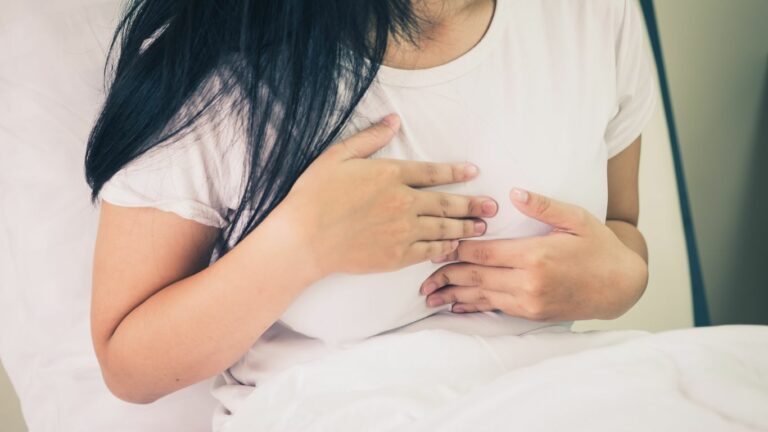
How Long to Wait After BV Treatment to Have Sex Without Risk
Let’s be honest — dealing with BV is already uncomfortable enough. But the moment your treatment ends, another question pops up: “Okay, now how long should I wait before having sex again?” Trust me, I’ve been there. I remember thinking, “If I feel fine, why wait?” But turns out, there’s a little more to it than just how you feel. Timing matters a lot more than we think, and pushing it too soon can send you right back to square one.
Why Post-Treatment Timing Matters More Than You Think

So here’s the deal: even after you’ve finished your antibiotics or used that topical gel, your vagina might still be in healing mode. The bacterial balance doesn’t reset instantly — it’s not like flipping a light switch. What you feel on the outside might not reflect what’s going on internally.
The lining of your vaginal walls could still be slightly inflamed or extra sensitive post-treatment. Any kind of penetration, even with protection, can disrupt this fragile recovery process. I made the mistake of rushing it once, and let’s just say the symptoms came knocking again before the weekend was over.
Typical Medical Advice on Timing
According to CDC guidelines and several OB-GYNs I’ve spoken with, the general rule is to wait at least 7 days after completing your full course of treatment — especially if you’re using metronidazole or clindamycin. These medications need time to fully work their magic and clear up the imbalance.
- Oral metronidazole: Wait 7 days after the last dose.
- Topical treatments: Wait 5–7 days after final application, depending on symptoms.
But here’s the catch: just because 7 days have passed doesn’t always mean you’re good to go. Your own body and symptoms should guide you more than the calendar.
Real Signs Your Body Is Ready

This is where it gets personal — and practical. Start by checking in with your body:
- Is the discharge back to normal?
- No more itching, burning, or odor?
- You feel comfortable and confident?
If all three check out, you might be in the clear. But if there’s still even mild irritation, give it more time. Seriously. Pushing through too early could trigger a relapse, especially if your vaginal flora hasn’t stabilized yet. And don’t assume everything’s fine just because there’s no smell — symptoms of BV without odor are real too.
What About Protected Sex — Is That Safer?

Technically yes, using condoms can lower the risk of reinfection or irritation post-treatment. But — and it’s a big but — even with protection, the friction alone can disturb a still-sensitive vaginal environment. And if you’re using any lingering topical meds like clindamycin cream, condoms can break down (especially latex ones). That’s an awkward mess you don’t want.
It’s also worth noting that semen has a different pH, and that shift can trigger a BV flare-up if your vaginal flora isn’t back to baseline. So if you’re going to get back into it, maybe start with extra foreplay, take it slow, and opt for a high-quality, pH-balanced lube.
When It’s Definitely Too Soon

If you’re still dealing with:
- Thick or discolored discharge
- Persistent fishy odor
- Burning during urination or after sex
Then it’s a clear NO — you’re not ready. One of the biggest mistakes people make is assuming BV is “done” because symptoms ease up a little. I’ve seen this happen with friends who didn’t finish their treatment course or jumped back into sex after three days. Spoiler alert: BV came back worse.
Also, don’t assume that recurrence means the treatment didn’t work. Many times, it’s just that we didn’t wait long enough. This is why articles like why BV keeps coming back get so much attention — because we often rush things without realizing the risks.
Talking to Your Partner About Waiting
This part can feel awkward — but doesn’t have to be. I usually say something like, “I’m just making sure my body fully recovers before we jump back in.” Most partners will get it. If they don’t, you might want to rethink why you’re sleeping with them. Harsh? Maybe. Honest? Yep.
There are tons of creative ways to maintain intimacy that don’t involve penetration. Trust me, this break can actually spark new kinds of connection. Plus, it gives you both peace of mind that you’re not walking right back into another BV episode.
If your partner has ever had symptoms themselves, it might also be worth exploring if they need to be treated, especially if you’ve had repeat episodes. Reinfection is a real thing.
Want to Go Deeper?
If you’re wondering about other post-treatment tips, or long-term protection strategies, check out our full guide on recurring BV prevention. It dives into causes you might not expect, and how to stop getting caught in that cycle.
For a complete understanding of BV — from symptoms to causes and care — our main BV pillar page has you covered. You can also explore the dedicated section on BV prevention tips to help avoid repeat episodes.
What If You Waited… But BV Still Came Back?

So, you followed all the instructions. You waited the recommended time, avoided sex, finished the antibiotics — and yet… here we are again. Ugh, I know the feeling. This happened to me twice before I started digging into the root causes of recurring BV.
The truth is, it’s not always about sex. Sometimes your diet, gut health, even your stress levels can throw things off. There’s a surprisingly strong connection between gut and vaginal microbiome. So if your vaginal flora isn’t getting the backup support it needs, you might be stuck in a frustrating loop.
When to See a Specialist
If BV keeps coming back despite doing everything “right,” it might be time to talk to a provider who really understands vaginal microbiota. Not every gynecologist looks beyond the surface.
You may need to ask about:
- Recurring or chronic BV protocols
- Long-term use of probiotics for BV
- Testing your partner, even if they’re asymptomatic
I personally found relief after switching to a provider who talked about inflammation and immune responses — things my previous OB never even brought up. That changed everything.
How to Support Your Vaginal Flora After Sex

Even after the healing period, there are ways to protect your vaginal balance after sex. You don’t have to overcomplicate it — but a little extra TLC can go a long way.
Simple Things That Help
- Pee right after sex (yes, really — it flushes bacteria)
- Avoid using soap inside the vagina (external only, unscented)
- Use a vaginal probiotic or suppository regularly, especially after sex or periods
- Wear breathable cotton underwear or sleep without any at all
And if you’re wondering about things like boric acid — yes, they can help. But timing and application matter. Here’s more detail on boric acid treatment for BV, if you’re considering it for maintenance.
Foods That Help Maintain Balance
Your diet plays a sneakily important role in how your body maintains vaginal pH. I started cutting down on sugar and upping my fermented foods intake, and the difference was real. Here’s a great breakdown of foods that support good bacteria vs. what to avoid.
Talking to Your Partner About BV — Without Shame

This part is hard for so many women. It’s easy to internalize BV as something “gross” or “dirty,” but that’s total BS. BV isn’t an STD. It’s a bacterial imbalance that anyone can experience — even if they’ve never had sex.
If your partner is supportive, they’ll want to help you stay healthy. And if they’re not, that’s a red flag in itself. Here’s a guide on how to explain BV if you’re not sure where to start.
For me, it was as simple as saying, “This is something I’m treating seriously, and I just need a bit more time to heal so it doesn’t come back.” No dramatics, no overexplaining.
Signs You’re Fully Back to Normal

You’ll know things are finally back to normal when:
- Discharge is clear or milky with no unusual smell
- There’s zero irritation during or after sex
- You feel confident about your body again
It took me a few tries (and a few lessons learned the hard way), but once I got into a routine that supported my microbiome, everything changed. Intimacy became something I looked forward to again — not something I worried might trigger another infection.
Want Long-Term Control?
Building a long-term strategy to keep BV away doesn’t have to be overwhelming. Our full guide on recurring BV prevention is packed with science-backed tips that go beyond surface-level advice.
And for a full understanding of the entire condition, check out the complete breakdown on bacterial vaginosis here. It’s the best place to start if you want to understand symptoms, causes, and how to stay BV-free — for good.

Dr. Gwenna Aazee is a board-certified Internal Medicine Physician with a special focus on hypertension management, chronic disease prevention, and patient education. With years of experience in both clinical practice and medical writing, she’s passionate about turning evidence-based medicine into accessible, actionable advice. Through her work at Healthusias.com, Dr. Aazee empowers readers to take charge of their health with confidence and clarity. Off the clock, she enjoys deep dives into nutrition research, long walks with her rescue pup, and simplifying medical jargon one article at a time.