Effective Ways To Calm Burning Sensation From BV Naturally
If you’ve ever felt that frustrating, relentless burning down there and thought, “Why is this happening to me?” — you’re not alone. I remember a phase when every little thing seemed to trigger that awful sensation. Tight jeans? Instant regret. A new body wash? Huge mistake. Back then, I didn’t even know what Bacterial Vaginosis (BV) was, let alone how to manage its burning aftermath. If you’re here, chances are you’re seeking real solutions on how to calm burning sensation from BV that actually work and don’t feel like another internet copy-paste job. Let’s break this down into practical steps you can start using today.
Why Does BV Cause That Burning Sensation?

BV is notorious for its unpleasant symptoms — odor, discharge, and of course, the notorious burn. The culprit? An imbalance in the vaginal microbiome where harmful bacteria outnumber the good ones. This imbalance can make the vaginal walls sensitive, irritated, and reactive to even minor triggers.
But here’s something I learned the hard way: it’s not just the infection itself that causes burning. Everyday habits can unknowingly aggravate the sensation. That’s why simply taking antibiotics may not always bring immediate relief.
Immediate Relief Tips for Burning Sensation from BV

1. Try a Soothing Sitz Bath
I used to think sitz baths were just for postpartum recovery, but they’re a lifesaver for BV discomfort. Fill a shallow basin with lukewarm water and add a handful of Epsom salts or baking soda. Sit in it for 10-15 minutes. It calms inflammation and offers instant soothing. Just make sure to pat dry gently — no aggressive towel rubbing!
2. Avoid Harsh Soaps and Fragranced Products
This one seems obvious, yet it’s surprising how many feminine washes promise pH balance but are loaded with irritants. Stick to plain, unscented products. Here’s a guide on choosing BV-safe feminine washes that actually support vaginal health.
3. Coconut Oil as a Natural Moisturizer
Virgin coconut oil isn’t a miracle cure, but it can act as a gentle moisturizer to ease external irritation. A small dab applied externally can create a soothing barrier. Learn more about its antimicrobial benefits in our coconut oil for BV guide.
Essential Lifestyle Tweaks to Prevent BV-Triggered Burning

1. Ditch Tight-Fitting Clothes
Yes, I know those yoga pants are cute, but they can trap moisture and heat — a breeding ground for BV bacteria. Opt for breathable, cotton underwear and looser bottoms, especially on warmer days. Here’s how tight clothing influences BV flare-ups.
2. Reevaluate Hygiene Habits
Over-cleaning can backfire. Douching, in particular, is a huge no-no. It disrupts the natural flora and worsens irritation. Read why these douching myths are dangerous and what to do instead.
3. Hydration and Diet
Believe it or not, dehydration can concentrate urine, making bathroom visits a burning ordeal. Aim for at least eight glasses of water daily. Adding probiotics (like yogurt with live cultures) to your diet can also support healthy vaginal flora. Explore how yogurt helps with BV symptoms.
Over-the-Counter Helpers That Make a Difference
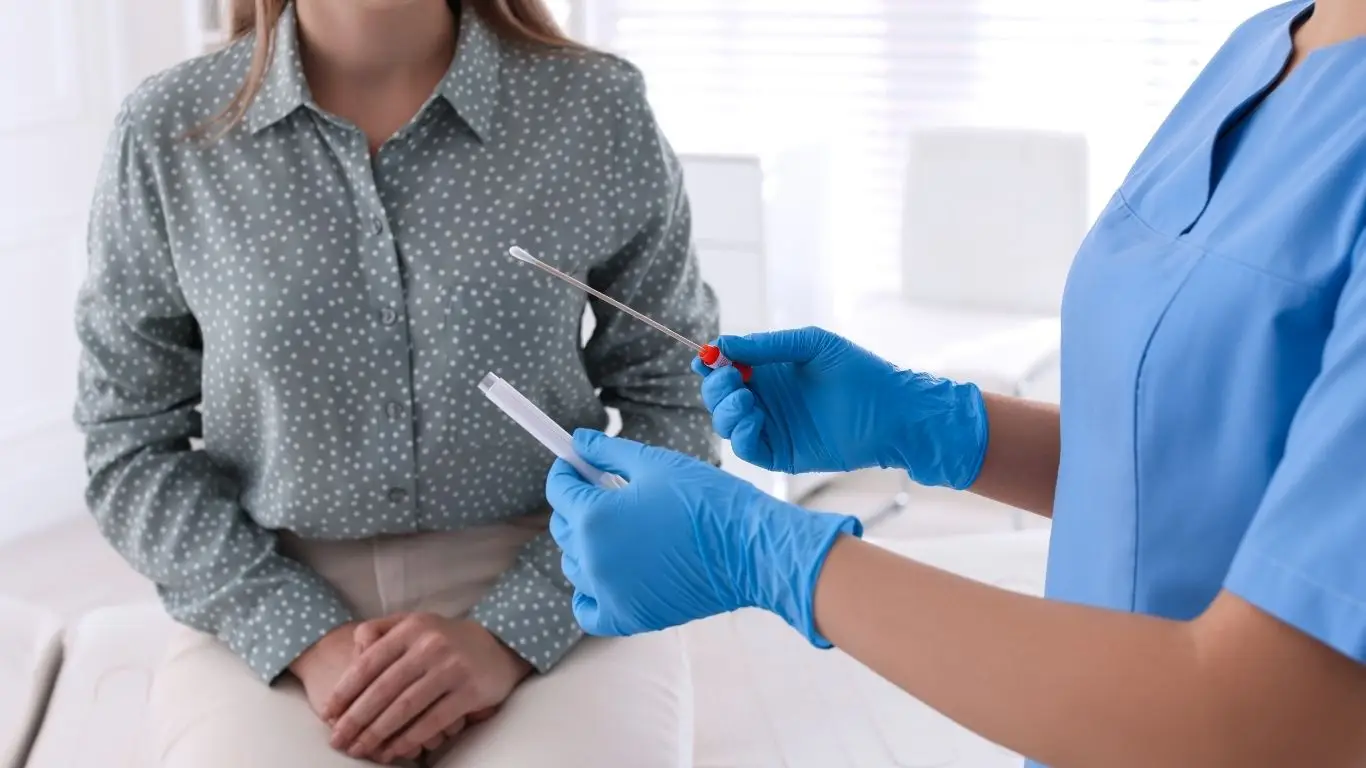
While prescription treatments are crucial for addressing the root infection, OTC products can provide much-needed relief from burning sensations.
- pH balancing gels: These can help restore vaginal acidity, making it less hospitable for bad bacteria.
- Boric Acid Suppositories: A gentle, natural antifungal and antibacterial option that has been a personal go-to during persistent flare-ups. Details on proper usage can be found here.
- Probiotic supplements: Targeted vaginal probiotics help replenish the good bacteria and can be found at most pharmacies.
Make sure to always consult your healthcare provider before trying a new product, especially if the burning is severe or accompanied by other unusual symptoms. Sometimes, what feels like BV could be something else entirely, such as a yeast infection or even trichomoniasis — here’s a quick comparison guide for accurate self-assessment.
When to Seek Professional Help for BV-Related Burning

If you’ve been dealing with recurring BV and persistent burning despite all these measures, it’s time to get a professional opinion. Chronic BV could indicate underlying factors like hormonal imbalances or even gut health issues. Our in-depth article on BV and gut health connection might shed some light on what’s going on.
For a comprehensive guide on BV causes and risk factors, visit our BV Causes Pillar to understand what could be triggering your episodes. And if you’re new to the whole BV journey, here’s the main BV pillar article that explains it all from start to finish.
For more medically-backed advice, trusted sites like CDC and WomensHealth.gov offer credible resources about vaginal health.
Long-Term Strategies to Prevent BV Burning Sensations

Calming the burning sensation from BV isn’t just about quick fixes — it’s about making smart, sustainable changes to stop the flare-ups from happening in the first place. Speaking from personal experience, once I stopped treating BV as a “one-and-done” problem, everything changed. Here are the habits and strategies that worked for me and countless others who’ve been in your shoes.
1. Build a Consistent Vaginal Care Routine
Consistency is key. You can’t expect results if you’re switching products and routines every week. Choose a gentle, pH-balanced intimate wash, avoid any scented products (even those labeled “for sensitive skin”), and keep your hygiene minimal but effective. Here’s how to cleanse without messing up your pH balance.
2. Replenish Good Bacteria with Targeted Probiotics
After countless cycles of antibiotics, I realized my vaginal microbiome was starved for good bacteria. Daily probiotic supplements designed specifically for vaginal health made a significant difference. Not only did the burning subside, but my overall BV episodes reduced drastically. Curious which strains actually work? Dive into our probiotic guide for BV.
3. Rethink Your Diet — It Matters More Than You Think
Another game-changer for me was cutting down on sugar and processed foods. High sugar intake feeds bad bacteria, worsening BV symptoms. Instead, focus on a diet rich in leafy greens, fermented foods, and plenty of water. We’ve compiled a detailed list of foods that nurture good bacteria and those you should avoid.
Managing BV Burning During Pregnancy

If you’re pregnant and struggling with BV-related burning, you’re probably feeling extra cautious — and rightly so. BV during pregnancy isn’t just uncomfortable; it can pose risks like preterm labor if left unmanaged. But that doesn’t mean you’re out of options.
- Stick to gentle, doctor-approved treatments like metronidazole or clindamycin as prescribed.
- Natural remedies like coconut oil or yogurt can be used externally for soothing, but always check with your OB-GYN first.
- Hydration and rest are non-negotiable — your body’s working overtime!
For a deeper dive into pregnancy-specific BV management, refer to our guide on safe BV treatments during pregnancy.
Dealing with Recurrent BV and Persistent Burning

If BV keeps coming back month after month, despite your best efforts, you’re not alone. I went through a phase where it felt like BV was part of my monthly routine — a not-so-welcome guest. The key to breaking this cycle is understanding what triggers your recurrences.
Identify Your Unique Triggers
For some, it’s hormonal changes. For others, it’s certain fabrics or even stress. Keeping a symptom diary helped me spot patterns I would’ve otherwise missed. We’ve created a resource on identifying BV recurrence triggers.
Consider Advanced Treatments
If lifestyle changes and OTC remedies aren’t cutting it, treatments like boric acid maintenance therapy (under medical supervision) might be an option. Learn more about it here.
Explore Gut Health as a Root Cause
Emerging research suggests a link between gut flora imbalances and chronic BV. Incorporating a gut-friendly diet and probiotics can support vaginal health in the long run. For more on this topic, our article on BV and gut health is a must-read.
Myths About BV Burning That Need to Be Busted

- Douching helps clear BV faster — Absolutely false. Douching disrupts your vaginal flora, worsening the condition. Read why this myth persists.
- Only antibiotics can help with burning — While they’re essential for clearing the infection, lifestyle factors play a huge role in managing discomfort.
- BV is a sexually transmitted infection — BV is not classified as an STI, though sexual activity can influence its occurrence. Here’s a clear breakdown on BV vs STI.
Realistic Expectations: How Long Does It Take to Calm BV Burning?

One of the biggest frustrations is expecting overnight results. From my own recovery journey, mild burning can start to subside within 24-48 hours if managed correctly. However, persistent burning from recurrent infections might take a week or more of consistent care.
Factors influencing recovery time include:
- Severity of the infection
- Body’s immune response
- How quickly treatment is initiated
- Underlying health factors like hormonal imbalances or gut issues
If you’re dealing with a stubborn case, this article on why BV keeps recurring is worth reading.
BV Aftercare: Building a Defense Against Future Flare-ups

Once the burning calms down, your focus should shift to maintenance. BV has a sneaky way of returning when you least expect it. Here’s my personal BV aftercare protocol that helped me stay flare-up free for months:
- Weekly boric acid maintenance (consult your doctor first)
- Daily probiotics targeting vaginal flora
- Wearing cotton underwear and avoiding tight synthetic fabrics
- Keeping a balanced diet low in sugar
- Staying hydrated — water is more powerful than you think
For a complete breakdown of BV prevention strategies, explore our detailed prevention pillar article.
If you’re still at the start of your BV education journey or want a deep understanding of the condition’s anatomy and types, our foundational guide here will give you all the insights you need.
Additionally, our Bacterial Vaginosis Main Pillar consolidates everything from causes to treatments — a must-bookmark for anyone serious about beating BV.
For expert medical references, consider consulting credible sources like Mayo Clinic and NHS for updated clinical guidelines.

Dr. Gwenna Aazee is a board-certified Internal Medicine Physician with a special focus on hypertension management, chronic disease prevention, and patient education. With years of experience in both clinical practice and medical writing, she’s passionate about turning evidence-based medicine into accessible, actionable advice. Through her work at Healthusias.com, Dr. Aazee empowers readers to take charge of their health with confidence and clarity. Off the clock, she enjoys deep dives into nutrition research, long walks with her rescue pup, and simplifying medical jargon one article at a time.