How To Prevent BV During Pregnancy And Stay Infection-Free
When I first got pregnant, I thought morning sickness and weird cravings would be my biggest challenges. No one warned me about the risks of bacterial vaginosis (BV) creeping in during pregnancy—and let me tell you, it was a curveball I wasn’t ready for. I had so many questions, and most of the answers online sounded clinical or robotic. What I really needed was real advice—practical, straight-talking guidance. So if you’re pregnant and wondering how to dodge the whole BV situation altogether, you’re in the right place. Let’s talk about what actually works, what to avoid, and what your OB might not mention unless you ask.
Why BV in Pregnancy Is a Bigger Deal Than You Think

First off, bacterial vaginosis isn’t just some annoying infection—it can actually be a pregnancy risk if left unchecked. It’s linked to preterm labor, low birth weight, and even increased risk of miscarriage. Now, that sounds terrifying (and it did scare me when I first read it), but the good news is, **BV is totally preventable** if you know what triggers it and take a few smart steps.
Start With Hygiene—But Don’t Overdo It

One of the first things I did was overhaul my hygiene routine. But here’s the trick—**you can’t go overboard.** In fact, douching can actually make BV worse. I used to think douching meant staying clean down there, but my OB told me it messes with your natural pH and friendly bacteria. Lesson learned.
- Use fragrance-free, pH-balanced soaps only externally
- Skip scented wipes and panty liners
- Let your vagina clean itself—because it literally does
Also, wearing breathable cotton underwear and changing them daily (especially if you’re prone to sweating or discharge) made a world of difference. If you’re curious about how hygiene habits affect BV, check out this deep dive.
Your Diet Might Be More Important Than You Think

I didn’t expect my meals to play a role in preventing BV, but turns out, they do. Foods rich in probiotics and fiber can really help maintain vaginal flora balance. I started adding Greek yogurt, kimchi, and kefir to my snacks—not because I loved them, but because they actually helped.
- Focus on gut-friendly foods like plain yogurt and miso
- Cut back on sugary snacks—sugar can feed bad bacteria
- Stay hydrated—seriously, water is magic for everything in pregnancy
There’s also this awesome guide on foods that help your vaginal microbiome, which I followed religiously after my first BV scare.
Safe Sex Tips Matter More Than You Realize

Let’s get real—**sex during pregnancy is completely fine**, but how you go about it can affect your BV risk. I remember hesitating to bring it up with my OB, but she was clear: semen can alter vaginal pH and make BV more likely, especially when you’re already hormonally sensitive.
We started using condoms more often, even though we were married and monogamous. Also, I always made sure to wash up gently afterward—not scrub, just rinse. It felt like overkill at first, but this article confirmed it was a smart move.
Stress Less (But Seriously, Try)

When I found out stress might be a BV trigger, I laughed. I mean, who isn’t stressed during pregnancy? But after some digging—and testing it myself—it turns out that **stress impacts your immune system and microbiome**. I started journaling at night and doing short breathing exercises in the morning. Nothing fancy. It helped.
There’s an eye-opening read on how stress might contribute to BV that totally changed how I thought about mental health and vaginal health being connected.
Regular Prenatal Checkups = Early Detection

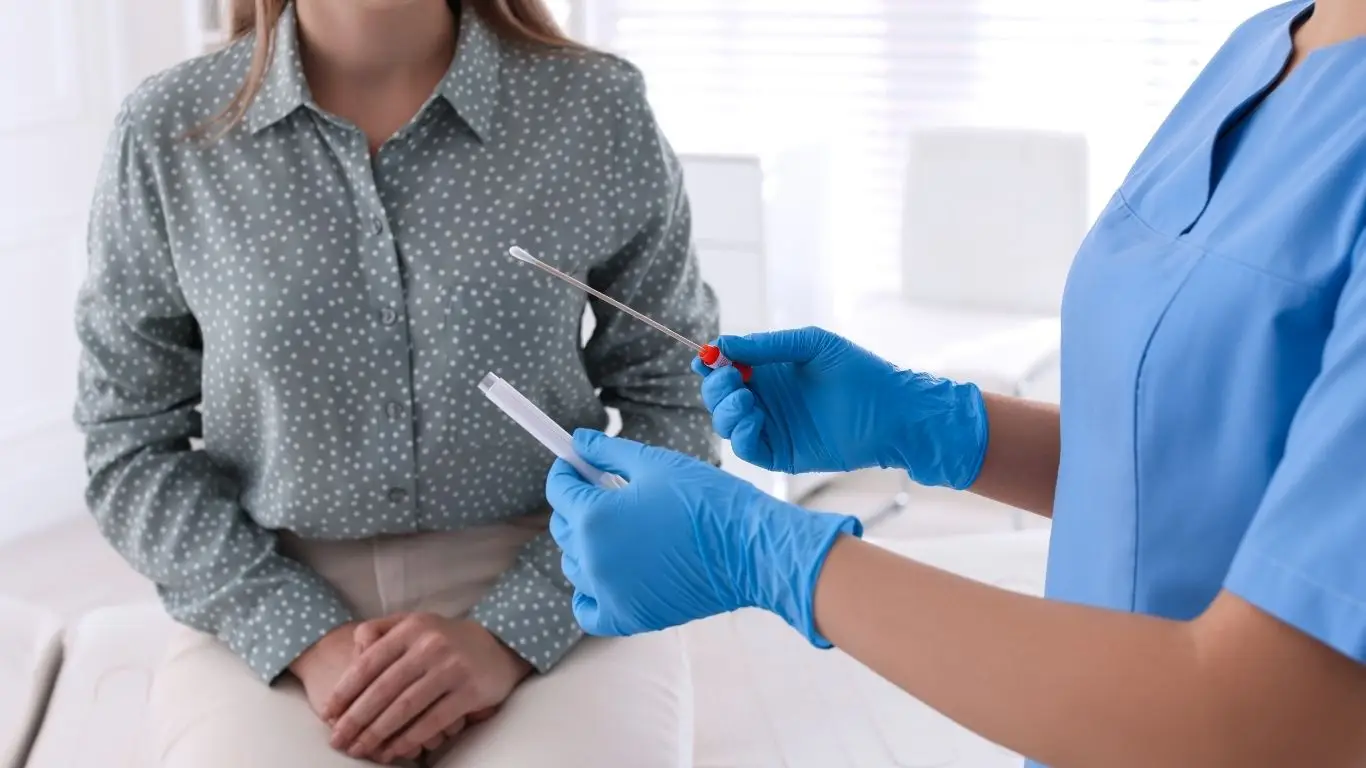
This one’s obvious, but worth repeating: don’t skip your OB appointments. My BV was caught super early at a routine checkup—and because of that, treatment was simple and effective. Some doctors might not test for BV unless you have symptoms, so if something feels off (or even if it doesn’t), **ask for a swab.** Better safe than sorry, right?
You can read more on why self-diagnosing BV isn’t a great idea and what you should expect from your doctor.
Support Your Vaginal Flora With Natural Helpers

Once I realized how much the vaginal ecosystem relies on balance, I started exploring natural support options. **Probiotics were my go-to.** Some women swear by tea tree oil suppositories or apple cider vinegar baths, but honestly, I didn’t mess with those while pregnant. I wanted something gentle and OB-approved.
- Daily probiotic supplement (ask your OB first)
- Eating probiotic-rich foods like sauerkraut, miso, and kombucha
- Keeping things dry and airy “down there”—no tight leggings 24/7
There’s a great summary on how probiotics can help prevent BV, especially during pregnancy when you want to avoid antibiotics if you can.
For more detailed insights on BV causes, triggers, and tips beyond pregnancy, I highly recommend starting with this guide on BV during pregnancy and exploring the full resource on bacterial vaginosis here.
Watch for Recurring BV and Take It Seriously
One of the most frustrating things I’ve seen women deal with is **recurring BV**. You think it’s gone, then bam—it’s back before your next ultrasound. For me, after that first infection, I was paranoid. I kept wondering: *what if it comes back and I miss it?* So I built a little routine around early warning signs.
- If your discharge changes color or smell, call your doctor
- Even mild itching or discomfort shouldn’t be brushed off
- Keep a journal of anything you eat, take, or change before flare-ups
Sometimes it’s not even about hygiene or diet—it’s about **how sensitive your microbiome becomes during pregnancy**. Learn more about the sneaky causes behind chronic flare-ups in this BV relapse article. It helped me ask the right questions at my next prenatal check-in.
Don’t Forget About Your Partner’s Role

This might be an awkward conversation, but it’s important—especially if you keep getting BV after treatment. I’ll admit, I didn’t know that my partner could be reinfecting me. Yes, really. Men can carry BV-related bacteria without symptoms.
There’s no standard recommendation to treat male partners, but depending on your case, your OB might suggest it. After I shared this article with my partner, he actually brought it up at our next appointment—and that changed everything for us.
Use Medication Wisely (Only When Necessary)

If you do get BV during pregnancy, don’t panic. There are **safe medications** available, and most OBs will prescribe Metronidazole or Clindamycin. I was hesitant at first—no one wants to take meds while pregnant—but I learned that **untreated BV is riskier than the treatment itself.**
You can ask your doctor about:
- Metronidazole – Usually oral or vaginal gel, depending on trimester
- Clindamycin – Often used for people who can’t tolerate Metronidazole
If you’re still unsure about meds, ask your OB if a pregnancy-safe alternative like Boric Acid is right for you—but only under medical supervision. BV isn’t something to treat with over-the-counter guesses.
Proactive Habits That Became Part of My Routine

After that first scare, I got serious about staying BV-free. These aren’t miracle cures—just real-life habits that worked for me:
- Switched to loose cotton pajamas at night – Breathability matters more than I thought.
- Wiped front to back religiously – Sounds basic, but super effective.
- Stayed dry – After showers, after the gym, even after swimming.
- Trusted my instincts – If something felt “off,” I didn’t wait around.
These might sound simple, but they kept me BV-free through the rest of my pregnancy. You can also learn more about effective prevention strategies here that don’t involve daily guessing games.
Pregnancy-Specific BV Concerns You Should Know

BV during pregnancy isn’t just about itching or discomfort—it’s about **understanding what’s at stake**. For me, the fear of preterm labor was real. That’s why early education and prevention is everything. I remember being shocked when I read about the correlation between BV and preterm labor risk and realized just how common it is.
If you haven’t yet, read up on how BV connects to:
- Safe treatment approaches in pregnancy
- Possible miscarriage risk and what to do early
These aren’t scare tactics—they’re real facts I wish I’d known in my first trimester. Knowledge is empowering.
Educate Yourself and Ask Better Questions

Here’s one final thing I’ll say: **read more, ask more, advocate for yourself.** I used to feel like a hypochondriac asking about discharge and odor changes. Now? I’m the woman sharing links and educating my pregnant friends.
A great starting point if you’re digging into BV causes and your pregnancy health is the in-depth BV risk factors guide. And if you want the full roadmap on how BV affects your whole pregnancy journey, go straight to this pregnancy-specific BV resource. It’s the one I personally bookmarked.
Everything you do during pregnancy counts—and yes, that includes vaginal health. So keep asking, keep reading, and don’t let BV catch you off guard.
Explore the full guide on bacterial vaginosis here for even more tools to stay one step ahead.

Dr. Gwenna Aazee is a board-certified Internal Medicine Physician with a special focus on hypertension management, chronic disease prevention, and patient education. With years of experience in both clinical practice and medical writing, she’s passionate about turning evidence-based medicine into accessible, actionable advice. Through her work at Healthusias.com, Dr. Aazee empowers readers to take charge of their health with confidence and clarity. Off the clock, she enjoys deep dives into nutrition research, long walks with her rescue pup, and simplifying medical jargon one article at a time.