Is Intermittent Fasting Increasing Your Risk of Bacterial Vaginosis?
I remember a time when I jumped headfirst into the intermittent fasting trend. Everyone was talking about its benefits — weight loss, mental clarity, gut health — it sounded like a miracle. But somewhere along the way, I started noticing something off. A persistent, unpleasant odor, random discharge, and a constant worry in the back of my mind. Could my fasting routine be messing with my vaginal health? Specifically, was intermittent fasting linked to bacterial vaginosis (BV)? I had to dig deep. Here’s what I found.
Understanding BV and Its Sneaky Triggers

Bacterial Vaginosis, or BV, isn’t just another infection. It’s a complex shift in the vaginal microbiome where bad bacteria outnumber the good ones. Many assume it’s solely about hygiene, but the truth is, BV has an annoying habit of being triggered by factors we often overlook — and diet is a big one.
While the connection between sugar and BV flare-ups is well-documented (does sugar make BV worse?), intermittent fasting brings an entirely different angle to the conversation. It’s not about *what* you eat but *when* you eat, and that can mess with your body’s delicate balance.
Intermittent Fasting and Your Vaginal Microbiome: The Missing Link

The gut and vaginal microbiomes are more connected than most realize. Changes in gut bacteria due to fasting schedules can echo down below. Emerging research suggests that prolonged fasting can influence estrogen levels, and guess what? Estrogen plays a key role in maintaining a healthy vaginal pH.
When I switched to a 16:8 fasting plan, I thought I was being disciplined. But within weeks, I noticed my usual discharge changed — more watery, sometimes yellowish. Turns out, I wasn’t alone. Studies from ncbi.nlm.nih.gov hint that caloric restriction and altered eating windows might disrupt hormonal rhythms, which in turn affects the vaginal flora’s stability.
Signs Intermittent Fasting Might Be Affecting Your Vaginal Health

- Noticeable change in vaginal odor (often described as “fishy”)
- Thin, watery discharge that feels different from usual
- Itching or irritation after longer fasting periods
- Recurring BV symptoms right after your fasting cycle starts
These were subtle at first, but trust me, your body whispers before it screams. If you’re wondering whether it’s BV or a yeast infection confusing you, this comparison might help: BV vs Yeast Infection Differences.
Does Fasting Affect Your Vaginal pH Balance?

This was the lightbulb moment for me. Fasting impacts hydration, and with less water intake during long fasting hours, the vaginal environment becomes more susceptible to pH imbalances. A slightly alkaline shift (above 4.5) can allow anaerobic bacteria to thrive — that’s classic BV territory. Curious about how to balance your pH naturally? You might want to check this guide on how to naturally balance vaginal pH after BV.
Intermittent Fasting, Immune Response, and BV Susceptibility

One thing often overlooked in the intermittent fasting community is how it influences immune responses. Short-term fasting might boost autophagy, but long-term or aggressive fasting can temporarily suppress mucosal immunity. This weakened frontline defense makes it easier for opportunistic bacteria to overgrow.
For women prone to recurring BV, fasting may subtly lower their defense mechanisms. It’s essential to not just manage symptoms but understand the root — which is why I dove deep into long-term solutions for BV to adjust my approach.
What Can You Do? Adjusting Your Fasting Routine to Support Vaginal Health

- Stay Hydrated: Even during fasting windows, make water your non-negotiable companion.
- Don’t Skip Probiotics: Incorporate probiotics for BV into your feeding window to support microbial balance.
- Mind Your Nutrient Intake: Ensure you’re getting essential vitamins and minerals within your eating periods to avoid hormonal dips.
- Listen to Your Body: If fasting seems to coincide with BV flare-ups, consider a less aggressive approach like 14:10 or 12:12.
I’ve found that small adjustments, like shifting my fasting window or adding hydrating foods during eating periods, made a noticeable difference. Also, educating myself about what triggers recurrent BV has been a game-changer.
For a deeper dive into understanding how lifestyle, diet, and natural remedies can influence BV, you should explore this comprehensive guide: BV Lifestyle & Diet Remedies. And if you’re just starting on your BV awareness journey, this foundational resource will be invaluable: Bacterial Vaginosis Main Pillar.
Fasting Patterns That May Increase BV Risk

Not all fasting schedules are created equal. Through trial and error (and a few frustrating BV relapses), I discovered that some fasting patterns are more disruptive to vaginal health than others.
- Extended Fasts (24-48 hours): These aggressive fasts can dramatically impact hydration and hormone regulation, which are key for vaginal microbiome balance.
- OMAD (One Meal A Day): While it seems efficient, cramming nutrition into a single meal can lead to deficiencies over time, weakening mucosal defenses.
- Alternate Day Fasting: This pattern introduces extreme fluctuations in caloric intake, potentially destabilizing hormonal rhythms that keep vaginal flora in check.
If you’re noticing BV symptoms creeping in during these fasting patterns, it’s a sign your body’s balance is being pushed too far. You may want to reconsider your approach with a more moderate plan like time-restricted feeding (TRF).
Probiotics and Fasting: The Forgotten Synergy

One thing I wish someone had told me earlier: fasting can reduce your probiotic bacteria load if you’re not intentional about replenishing them. Gut flora diversity dips during caloric restriction, which can cascade down to affect vaginal health. Including targeted probiotics specifically designed for BV-prone women (probiotics for BV) is a crucial step many overlook.
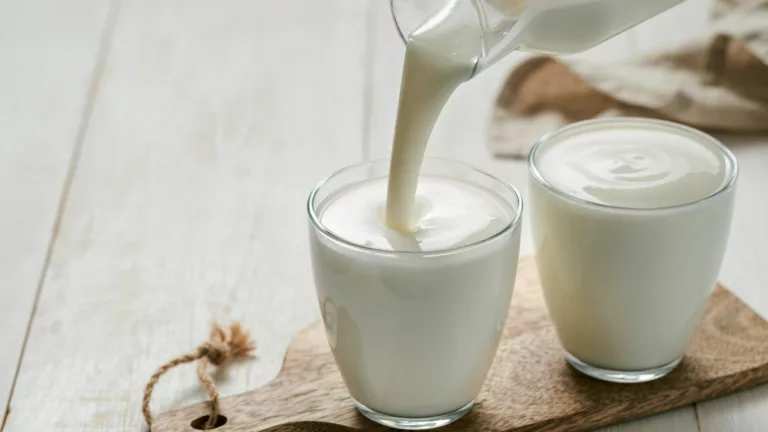
I’ve also started incorporating fermented foods during my eating window — not just for gut health, but as a proactive shield against BV flare-ups. Yogurt, kefir, and even a little kombucha (in moderation) are now my secret weapons. Here’s a practical read on using yogurt for BV treatment that helped me fine-tune my diet.
Hydration Strategies While Fasting to Support Vaginal Health

- Start the Day with Electrolytes: A pinch of sea salt in your water can help maintain mineral balance during longer fasts.
- Room-Temperature Water: I found that sipping room-temperature water instead of cold reduced digestive stress and kept me feeling satiated longer.
- Herbal Teas: Non-caffeinated, non-acidic herbal teas (like chamomile) became my go-to during fasting windows.
Dehydration is a silent contributor to BV. When mucosal tissues dry out, they become more vulnerable to shifts in bacterial populations. These simple hydration hacks can go a long way in keeping your pH levels stable.
Common Myths About Fasting and Vaginal Health

- “Fasting Detoxifies Everything, Including the Vagina” – While fasting may promote autophagy, it doesn’t ‘cleanse’ the vaginal microbiome. In fact, it might destabilize it if not done correctly.
- “BV is Only Caused by Sexual Activity” – I wish I knew sooner how lifestyle factors, including fasting patterns, can silently influence BV risk. If you’re curious, here’s more on BV and sexual activity.
- “Probiotics Aren’t Necessary If You Fast” – Completely false. Fasting doesn’t automatically nurture beneficial bacteria; probiotics are still essential, especially if you’re prone to BV.
Tailoring an Intermittent Fasting Plan That Supports Feminine Health
From my own journey, here are practical adjustments I made to continue fasting without triggering BV:
- Shorten fasting windows — Instead of 16:8, I shifted to 14:10 which felt gentler on my body.
- Pre-Fast Probiotic Loading — A probiotic-rich meal before starting the fast made a difference.
- Strategic Electrolyte Support — Incorporating potassium and magnesium sources during eating windows stabilized hydration.
- Monitoring Discharge Patterns — Keeping a symptom journal helped me catch early BV signs.
By respecting my body’s cues and not blindly following rigid fasting protocols, I found a balance that supports both my metabolic goals and vaginal health.
For a broader perspective on BV causes beyond diet, check this informative guide on BV Causes & Risk Factors. And for an all-encompassing approach to back your lifestyle adjustments, explore the Bacterial Vaginosis Main Pillar resource that ties it all together.

Dr. Gwenna Aazee is a board-certified Internal Medicine Physician with a special focus on hypertension management, chronic disease prevention, and patient education. With years of experience in both clinical practice and medical writing, she’s passionate about turning evidence-based medicine into accessible, actionable advice. Through her work at Healthusias.com, Dr. Aazee empowers readers to take charge of their health with confidence and clarity. Off the clock, she enjoys deep dives into nutrition research, long walks with her rescue pup, and simplifying medical jargon one article at a time.