Lifestyle Changes That Eliminate BV for Good Naturally
Okay, let me just say it—dealing with bacterial vaginosis (BV) more than once is downright frustrating. I’ve been there. One moment you think it’s cleared up, and the next… bam, that not-so-fresh feeling creeps back in. If you’ve been caught in this loop, you’re probably wondering: is there anything you can do *long-term* to break free from the BV cycle? The answer is yes, and it starts with rethinking some everyday habits. Lifestyle changes aren’t just a cute suggestion—they’re the game-changer most people overlook when trying to eliminate BV for good.
Why Lifestyle Habits Play a Bigger Role Than You Think

First things first: BV isn’t a hygiene issue or something you “caught” from being dirty. It’s an imbalance of vaginal bacteria—specifically, the good versus the not-so-good. And trust me, your daily habits can nudge that balance in either direction.
It’s not always enough to pop an antibiotic and call it a day. If your lifestyle is feeding the bacterial imbalance, it’s like putting out a fire while dousing the room in gasoline. What you need instead is a supportive, sustainable shift in your choices.
Start With These Foundational Changes

1. Rethink Your Hygiene Routine
I used to believe that being “extra clean” was the best defense. Turns out, I was doing more harm than good. Over-washing, using scented soaps, and douching? Big no-no. They strip away the healthy bacteria your vagina needs to stay balanced.
- Stick with mild, unscented cleansers
- Clean only the external vulva—never inside
- Say goodbye to feminine sprays, wipes, or anything perfumed
Learn more about the myths around douching and how they can seriously backfire.
2. Change What You Wear Down There
Yep, even your underwear choices matter. I switched from synthetic panties to breathable cotton, and let me tell you—the difference was real.
- Opt for 100% cotton underwear
- Avoid tight, non-breathable fabrics (yes, even yoga pants!)
- Sleep without underwear when possible
This isn’t just comfort advice—it’s prevention strategy. Here’s more on underwear and BV prevention.
Food Isn’t Just Fuel—It’s Vaginal Support

I didn’t connect my eating habits to BV at first, but the gut and vaginal microbiomes are linked. Sugar-heavy diets, processed junk, and excess carbs? They can fuel the overgrowth of unwanted bacteria. When I cleaned up my diet, flare-ups got less frequent.
Top Dietary Tips to Try
- Cut back on sugar – especially refined sugars and sugary drinks
- Load up on fiber – think leafy greens, oats, beans
- Add probiotics – yogurt with live cultures, kefir, or fermented veggies
Wondering if your sugar habit is sabotaging your recovery? This breakdown on how sugar impacts BV is worth the read.
Also, make sure you’re not unknowingly feeding the bad bacteria. Here’s a solid list of foods to avoid if you’re prone to BV.
Rethink Intimacy—And It’s Not Just About Protection

Okay, this one surprised me too—BV can often be triggered or worsened by sexual activity, even if it’s not technically an STI. For me, learning about pH changes after sex and how semen affects vaginal balance was eye-opening.
Smart Moves for Sexual Health
- Use condoms – especially with new or multiple partners
- Urinate and rinse gently after sex to flush out bacteria
- Avoid lubricants with harsh chemicals or glycerin
This guide on BV and sexual activity dives into why sex can be a trigger and what to do about it.
And if you’re unsure whether your symptoms are even BV-related, this self-diagnosis checklist is pretty helpful.
Don’t Underestimate Daily Stress

I didn’t want to believe stress was a factor, but when I tracked my flare-ups, the pattern was obvious. High stress, no sleep, skipped meals… hello, BV.
Chronic stress messes with your hormones, immune function, and yep—your vaginal microbiome. Tackling it head-on became part of my BV-fighting toolkit.
Simple Stress-Reducing Habits
- Daily walks or light movement
- Meditation or journaling before bed
- Limiting social media (trust me, it helps)
Still skeptical? There’s increasing research from sources like ncbi.nlm.nih.gov and webmd.com connecting mental well-being to physical health, including vaginal health.
Ready to Reinforce What You’ve Started?

Making lifestyle changes might feel overwhelming at first. I totally get that. But once you find your groove—choosing the right foods, adjusting your hygiene habits, and tuning into your body—it becomes second nature.
For a broader view on how to prevent BV long-term, don’t miss this comprehensive guide on long-term BV solutions and explore the full breakdown in the prevention tips pillar article.
And if you’re just starting your research journey, the main overview on bacterial vaginosis offers a solid foundation.
Layering in Natural Support That Actually Works

Now that the basics are dialed in, let’s talk about natural options. I used to be skeptical—“can yogurt and essential oils really make a difference?” But when you’re dealing with something as recurring and stubborn as BV, every little bit helps. Think of these as reinforcements to your lifestyle upgrades, not replacements for proper treatment.
Natural Add-Ons to Strengthen Vaginal Health
- Probiotics: Whether through food or capsules, these help restore good bacteria. I found daily use made a noticeable difference.
- Tea Tree Oil: Diluted and used sparingly, it has antimicrobial properties. Always patch test first!
- Yogurt (yes, really): Eating it helps, but some women also use it vaginally with success.
Here’s a deeper look into yogurt’s role in BV treatment and how tea tree oil stacks up in the natural remedy category. Personally, I noticed a lot more stability in my symptoms when I used probiotics consistently. It wasn’t a miracle overnight, but over a few months—big shift.
The Hidden Impact of Your Menstrual and Bathroom Habits
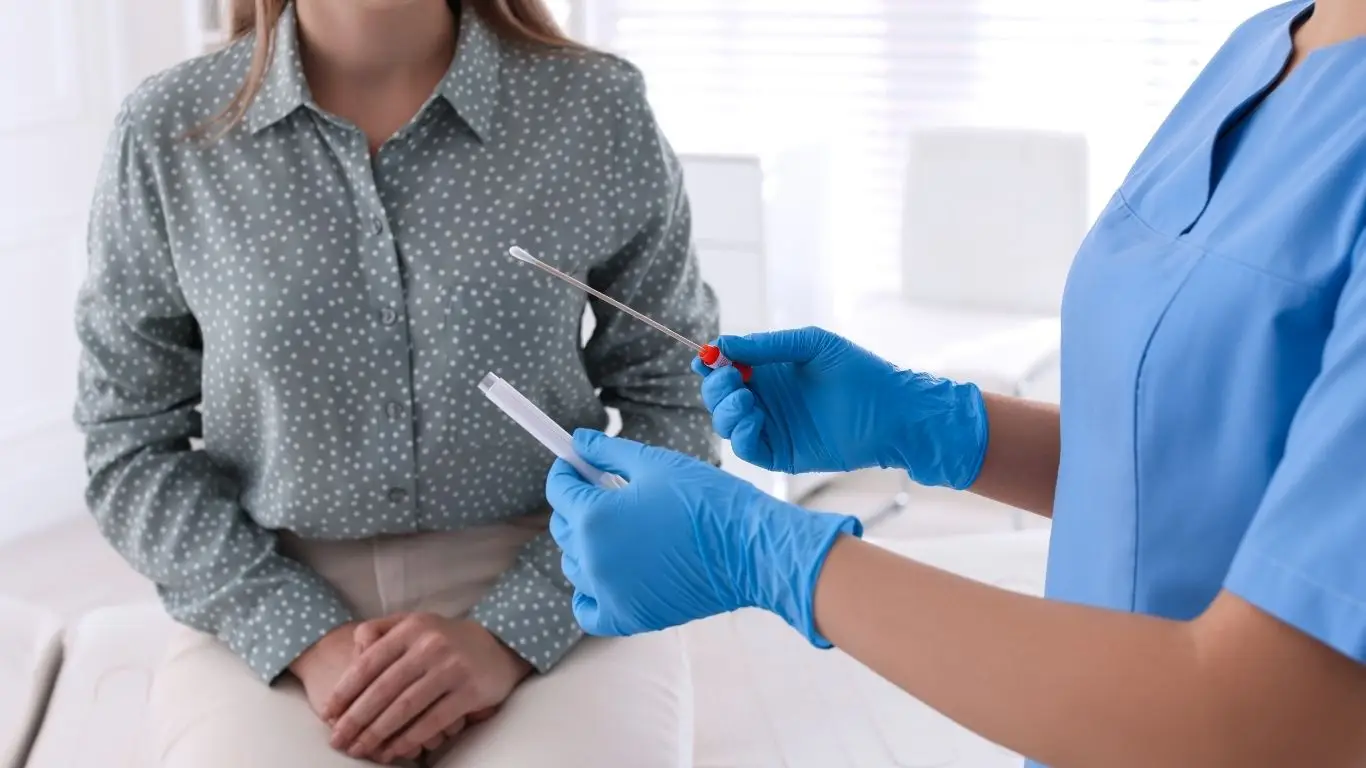
This one isn’t talked about enough. What you use during your period and how you care for yourself afterward matters. I didn’t connect the dots at first, but switching up a few routines made my post-period flare-ups vanish.
Small Adjustments That Make a Big Impact
- Use pads or organic tampons without fragrances or synthetics
- Change products frequently—never stretch wear time
- Wipe front to back every time, always
Post-period BV is more common than you think. I didn’t even know it was a thing until I found this helpful piece on BV after menstruation—which really explained why my symptoms seemed to flare at the same time each month.
Mind-Body Connection: Is Your Nervous System a Missing Link?

Hear me out: chronic stress and anxiety can absolutely wreck your gut, immune response, and hormone levels—three major players in vaginal health. Once I began managing my nervous system (not just my to-do list), everything changed. No exaggeration.
My Go-To Mind-Body Habits
- Breathwork—5-minute box breathing in the morning
- Daily journaling with a focus on gratitude and emotional clarity
- Digital detox evenings (yes, I ignore my phone after 8 p.m.)
It’s easy to brush this off, but don’t. Stress isn’t just in your head—it’s in your hormones and your bacteria balance. There’s a ton of emerging science around the gut-brain-vagina connection on platforms like psychologytoday.com and ncbi.nlm.nih.gov.
The Sleep Factor: Underrated But Powerful

I didn’t take sleep seriously until I had no choice. It turns out that while you sleep, your immune system resets, inflammation reduces, and hormones stabilize—all of which can impact BV recurrence.
Tips That Helped Me Sleep Like a Baby
- Shut off blue light an hour before bed
- Magnesium glycinate became my go-to supplement
- Cool, dark bedroom—think blackout curtains and white noise
This felt like a side issue at first, but my body responded fast once I got consistent with rest. No joke, my flare-ups dropped off when I hit 7–8 hours a night consistently for a few weeks.
Your Environment Matters More Than You Think
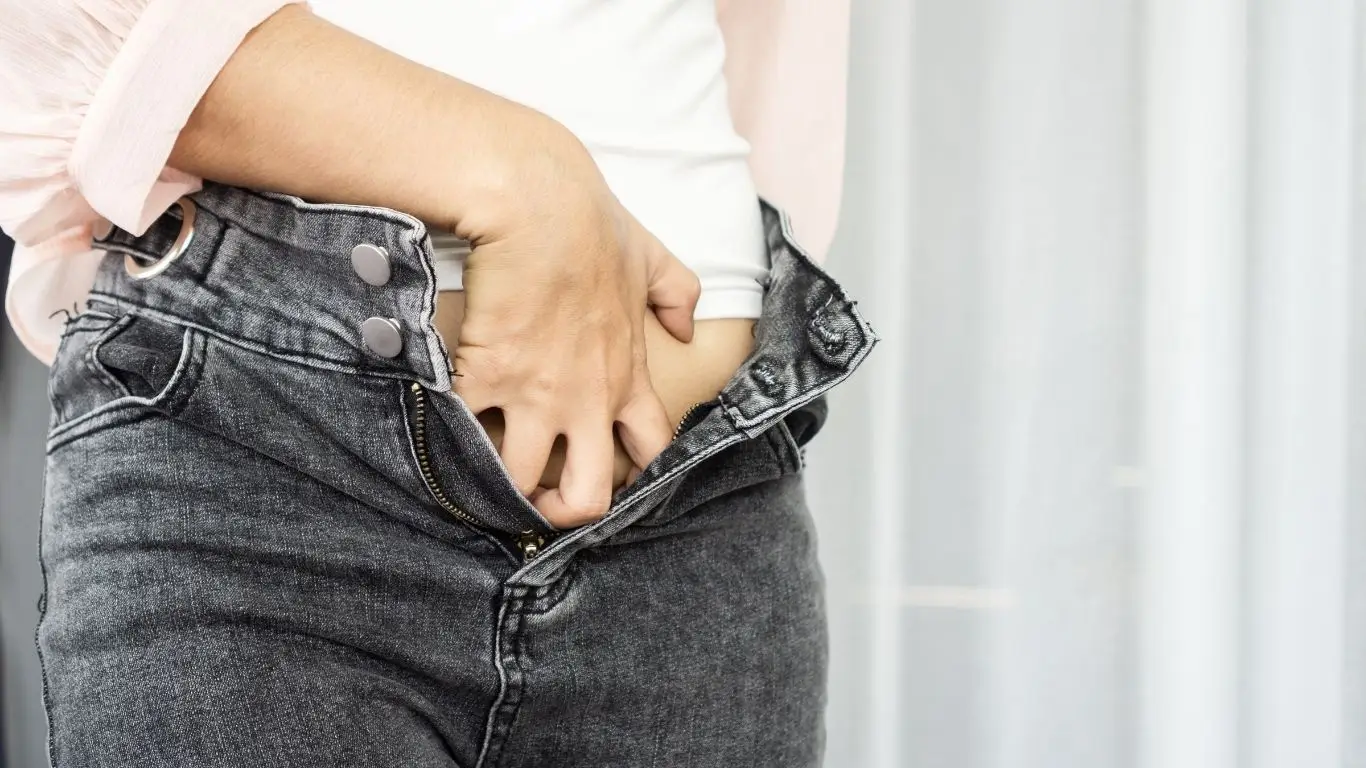
From laundry detergent to bathwater, your surroundings can quietly sabotage your progress. I went through my bathroom shelf and ditched anything with heavy scents, weird chemicals, or questionable ingredients—and saw noticeable changes within weeks.
Easy Environmental Fixes
- Switch to fragrance-free detergents and body washes
- Say goodbye to fabric softeners and chemical-laden dryer sheets
- Use filtered water if possible for bathing
Environmental factors aren’t just skin deep—they affect the sensitive vaginal ecosystem too. This is often missed in standard care, but crucial if you’re serious about breaking the cycle for good.
Consistency Is the Real Secret Weapon

None of these tips are magic bullets on their own. But layered together and done consistently? That’s where the magic happens. I stopped looking for overnight fixes and started building sustainable habits. That’s when I finally got off the merry-go-round of recurring BV.
If you’re still struggling to keep symptoms from coming back, this deeper dive on BV relapses after antibiotics might be the missing puzzle piece. And I can’t recommend enough checking out the root cause article that walks through the real triggers behind recurring BV issues.
Want to make sense of everything in one place? The main resource page on Bacterial Vaginosis has a solid breakdown of all things BV—from causes to lifestyle management to treatments.

Dr. Gwenna Aazee is a board-certified Internal Medicine Physician with a special focus on hypertension management, chronic disease prevention, and patient education. With years of experience in both clinical practice and medical writing, she’s passionate about turning evidence-based medicine into accessible, actionable advice. Through her work at Healthusias.com, Dr. Aazee empowers readers to take charge of their health with confidence and clarity. Off the clock, she enjoys deep dives into nutrition research, long walks with her rescue pup, and simplifying medical jargon one article at a time.