Best Exercises To Increase Eye Fluid Circulation Naturally
When I first noticed little drifting specks clouding parts of my vision, I shrugged it off. “Just tired,” I thought. But they stuck around. And if you’re reading this, maybe you’ve seen them too—those pesky floaters that seem to dance across your line of sight. While most people brush them off or panic-Google symptoms, what many don’t know is how closely floaters are tied to the health of your eye’s internal fluid system. And yes—specific exercises can actually help boost circulation in your eye, improving clarity and long-term eye comfort.
Why Eye Fluid Circulation Matters More Than You Think
Your eyes aren’t just passive organs soaking in light—they’re actively maintained by a fluid exchange system. The vitreous humor, the gel-like substance filling your eye, plays a vital role in cushioning, light transmission, and nutrient exchange. But here’s the thing: with age, dehydration, stress, and lack of motion, that gel gets sluggish. Poor circulation in the eye can slow down nutrient delivery and waste removal, making you more prone to floaters, pressure buildup, and even more serious issues like age-related vitreous changes.
Increasing blood and fluid circulation within the eye can help keep your vision sharp and reduce those annoying visual obstructions. Think of it as stretching your legs after a long car ride—but for your eyes.
How Do Exercises Help Move Eye Fluid?
Unlike other muscles in the body, eye muscles aren’t just about movement—they also influence internal flow. Certain eye movements gently shift the vitreous gel and help stimulate circulation in both the anterior (front) and posterior (back) chambers of the eye.
Let’s Talk Science (Just a Bit)
The ciliary muscles that focus your lenses and the extraocular muscles that move your eyes also massage the surrounding vessels. This stimulation can lead to better fluid exchange and even reduce pressure—a key benefit if you’re worried about floaters, dry eyes, or dehydration-related symptoms.
Exercises to Boost Eye Fluid Circulation
Here are some of the most effective, evidence-supported techniques I’ve personally used and recommended to others—especially if you’re spending hours in front of a screen like I do.
1. The “Figure 8” Eye Movement
- Sit comfortably and imagine a large horizontal figure 8 (or infinity symbol) about 10 feet in front of you.
- Slowly trace that shape with your eyes for 30 seconds, then reverse direction.
- This activates all the extraocular muscles and supports balanced flow.
2. Up-Down / Left-Right Focus Shifts
- Without moving your head, shift your gaze up and down, then left and right.
- Do each direction 10 times slowly, pausing for 2–3 seconds in each extreme.
- It encourages ocular fluid displacement and works deep eye tissues.
3. Near-Far Refocusing
- Hold your thumb a few inches in front of your nose.
- Focus on it for 5 seconds, then quickly shift your focus to an object at least 15 feet away.
- Repeat 10 times. This improves accommodation response and internal fluid dynamics.
4. Eye Rolling (Yes, It’s a Real Thing)
Roll your eyes in a slow, circular motion—first clockwise, then counterclockwise. Do five slow rolls in each direction. It’s surprisingly soothing and really helps in breaking the visual fatigue cycle.
5. Palming with Deep Breathing
- Rub your hands together to warm them, then gently cup them over your closed eyes.
- Inhale deeply through your nose, hold for a few seconds, and exhale slowly.
- Do this for a minute or two. The warmth and darkness ease tension, while deep breathing supports ocular oxygenation.
What About Lifestyle? Movement Isn’t Everything
Exercises are great, but they’re only one piece of the puzzle. Your eye’s fluid circulation is affected by:
- Hydration – Seriously, even mild dehydration messes with vitreous consistency. Sip water throughout the day, especially if you’re getting more floaters lately. Learn more about this in this article on dehydration and floaters.
- Nutrition – I swear by leafy greens and omega-3s. A diet rich in antioxidants and collagen-boosting foods supports healthy ocular tissue. Curious about natural options? Here’s a breakdown of how poor nutrition impacts eye floaters.
- Sleep – A good night’s rest allows your eye cells to regenerate and detox. Floating debris tends to get worse with sleep deprivation, as explained here.
How These Practices Fit into a Bigger Eye Health Strategy
These exercises don’t just target floaters—they strengthen your eye’s natural rhythm. If you’re noticing an increase in floaters or discomfort, that could be a warning. Issues like retinal tears or posterior vitreous detachment often start subtly.
For a deeper dive into symptoms and red flags, check out this guide on how to recognize floaters. And for a solid foundation on the topic, I highly recommend this comprehensive article about eye floaters.
There’s no magic fix—but with small, consistent habits, your eyes can regain clarity, balance, and long-term comfort. Trust me, once you experience that clearer field of vision again, it’s addictive.
Beyond Movement: Advanced Practices That Actually Make a Difference
Alright, so you’ve nailed the basics—eye rolls, figure 8s, hydration, and mindful focus exercises. But if you’re anything like me, you’re probably wondering, “What else can I do to really support this circulation stuff?” That’s where deeper strategies come into play. Think of these as next-level hacks—simple but powerful additions to your daily life that I wish I had learned sooner.
1. Add Gentle Full-Body Movement
What does walking or stretching your neck have to do with your eye fluid? A lot more than you’d think. Movement increases lymphatic flow and vascular tone throughout your body, which includes the microcirculation in your eyes. I personally started doing short yoga flows every morning (even just 10 minutes), and noticed fewer floaters and less eye strain by week two. Consider integrating this simple yoga for eye floaters into your routine.
2. Eye Massage: Safe, Subtle, and Surprisingly Effective
Using your clean fingertips, gently massage the orbital bones around your eyes in small circles. I combine this with a warm compress in the evenings. It helps increase local blood flow and supports drainage pathways like the canal of Schlemm, which influences intraocular pressure. Just don’t apply pressure directly on the eyeball.
3. Breathing Patterns for Ocular Calm
Deep diaphragmatic breathing isn’t just for stress relief. It actually encourages oxygen exchange, which benefits your optic nerve and fluid circulation. Try inhaling for 4 counts, holding for 7, and exhaling for 8. Five rounds of this while doing palming can feel like an eye reset button.
Supplements That Support Eye Fluid Health (Backed by Research)
Let’s talk supplements—not magic pills, but targeted nutrients that can support the structure and clarity of your vitreous gel and retina. Here are some worth considering (always talk to your eye specialist or doctor first):
- Vitamin C – Plays a role in collagen synthesis, which is crucial for vitreous integrity. Some even say it helps dissolve minor floaters, although the science is mixed. Learn more in this article.
- Magnesium – Low levels may contribute to visual disturbances and muscle tension around the eyes. Here’s what happens when you’re deficient.
- Collagen Peptides – Particularly type II collagen, which supports the structure of the vitreous body. These collagen supplements may improve elasticity and reduce visual debris.
- Lutein & Zeaxanthin – These carotenoids act as antioxidants in the retina and may reduce oxidative stress contributing to floater formation.
Need a shortcut? Check this trusted breakdown on the best supplements for floaters to find what actually works versus what’s hype.
How to Monitor Your Progress (And Know If It’s Working)
Improving eye fluid circulation doesn’t always mean the floaters vanish overnight—but there are ways to gauge progress that go beyond wishful thinking.
1. Floaters Journal
I kept a small log in my phone’s notes app. Each evening, I’d rate floater visibility from 1–10. Over three weeks, I noticed a steady dip. Keeping track helps you stay consistent and objective—because we all tend to forget progress when it’s slow and steady.
2. Eye Pressure Checkups
Ask your eye doctor to check your intraocular pressure (IOP). While most floaters aren’t directly caused by high IOP, fluid circulation issues often go hand in hand with pressure irregularities. Don’t wait for symptoms—get proactive with annual exams.
3. Visual Acuity Tests
Simple Snellen chart tests or contrast sensitivity apps can help you monitor clarity over time. If your floaters are improving and your vision stabilizes, it’s a good sign your internal environment is shifting in the right direction.
Eye Floaters: When Circulation Isn’t the Only Problem
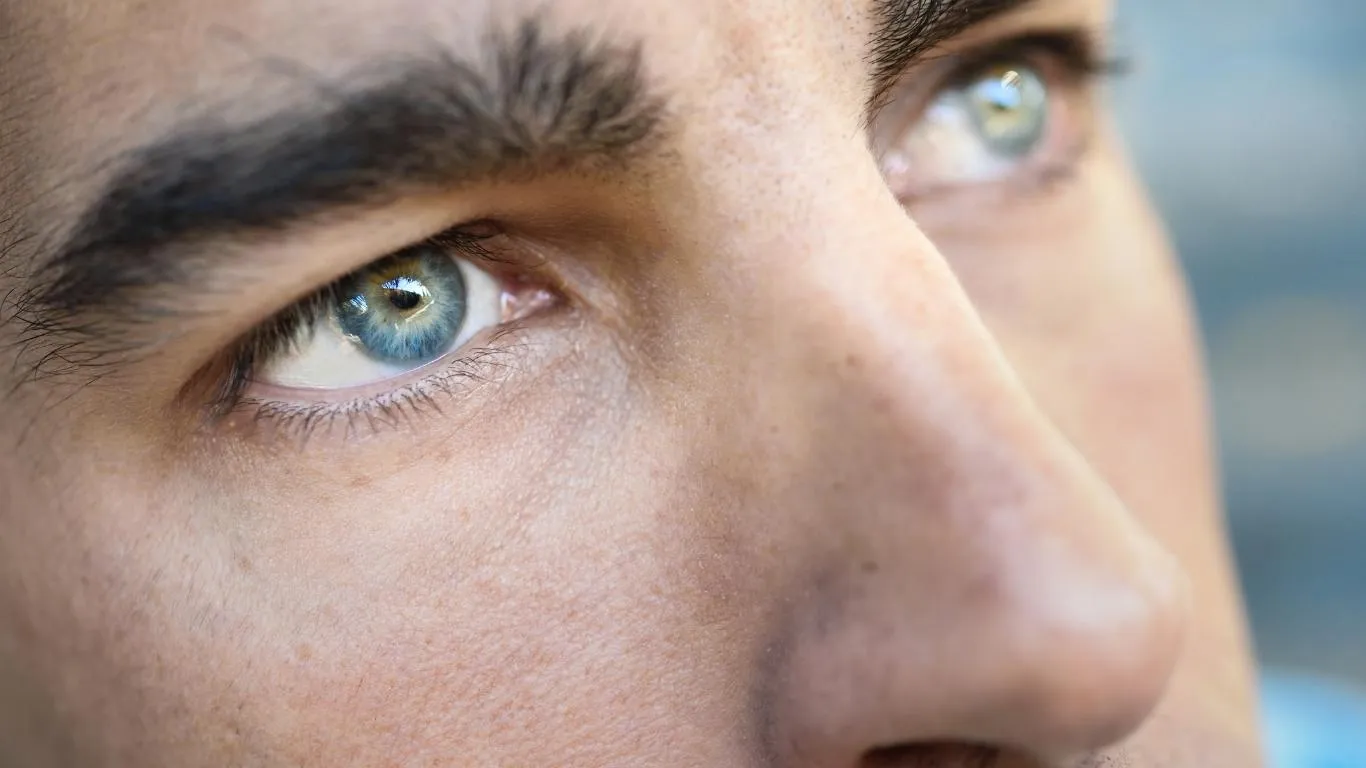
Sometimes, floaters persist—or even worsen—despite your best efforts. That’s not a failure on your part. It could be a sign of something deeper, like a retinal tear or other structural change inside the eye. If you ever see a sudden shower of floaters, flashes of light, or a shadow across your vision, don’t wait. Get examined immediately.
Even something as routine as post-cataract floaters or floaters after vitrectomy can behave unexpectedly. Having a plan in place—and a specialist you trust—makes all the difference.
Putting It All Together: A Personalized Routine
Your eyes are like any other system in your body—they respond to consistency. Here’s a simple flow I use daily that combines movement, nutrition, and mindful habits:
- Wake up: Warm compress + 5 minutes of eye exercises (figure 8s, rolling, palming)
- Mid-morning: Hydration (1 glass water + magnesium supplement)
- Afternoon: Near-far focus drills + posture reset (especially if at screen)
- Evening: Light walk or yoga + collagen-rich dinner + eye massage
- Before bed: Palming + deep breathing (5-7-8 method)
If you’re looking for a deeper guide on identifying symptoms and separating floaters from other visual conditions, check out this helpful overview on eye floaters vs. other eye problems. And for the core foundation of floaters, including causes and treatments, the best place to start is the main floater guide here.
Your eyes do a lot for you. With just a little attention back their way, they can feel sharper, clearer, and far more comfortable—without depending on harsh treatments or panic googling in the dark.

Camellia Wulansari is a dedicated Medical Assistant at a local clinic and a passionate health writer at Healthusias.com. With years of hands-on experience in patient care and a deep interest in preventive medicine, she bridges the gap between clinical knowledge and accessible health information. Camellia specializes in writing about digestive health, chronic conditions like GERD and hypertension, respiratory issues, and autoimmune diseases, aiming to empower readers with practical, easy-to-understand insights. When she’s not assisting patients or writing, you’ll find her enjoying quiet mornings with coffee and a medical journal in hand—or jamming to her favorite metal band, Lamb of God.