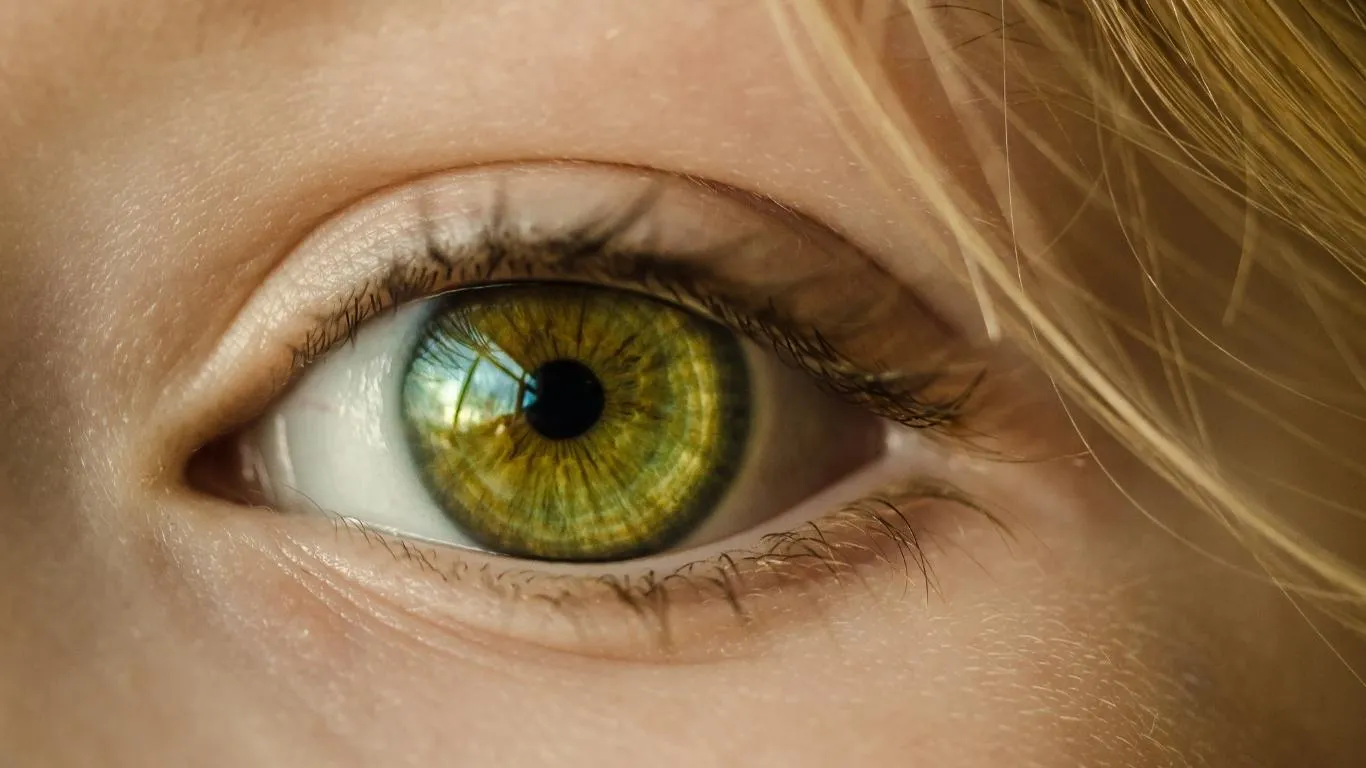
Best Eye Clinic Treatments for Floaters That Actually Work
I still remember squinting at the sky one summer afternoon and thinking there were bugs floating across my vision. But swatting them away did nothing — because, well, they weren’t there. If you’ve ever spotted those odd cobwebs or shadowy specks drifting in and out of sight, chances are you’ve experienced something known as eye floaters. They’re bizarre, annoying, and frankly a little worrying the first time they show up. That’s when I found myself spiraling into research mode — and eventually, into a top eye clinic. Here’s what I learned (and wish I’d known sooner) about the best eye clinic treatments for floaters — and what really works.
What Exactly Are Eye Floaters?
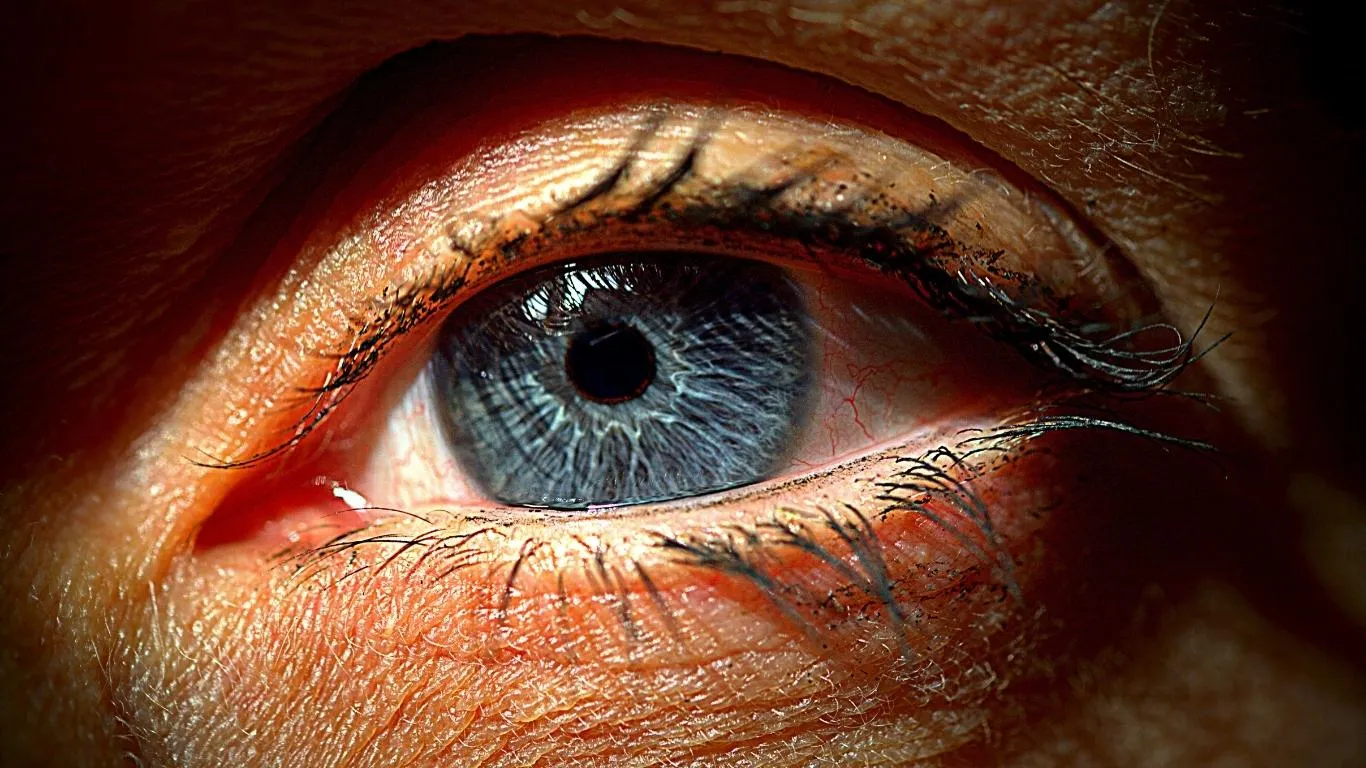
Floaters are those little squiggly threads, dots, or cobweb-like shadows that dart across your field of vision — especially noticeable when staring at bright, uniform backgrounds like a blue sky or white wall. They’re actually bits of collagen or cellular debris drifting through the vitreous — the gel-like substance inside your eye.
While they’re mostly harmless, sometimes they’re a red flag. And yeah, they can drive you nuts. I used to tilt my head trying to “look around them” — doesn’t work.
The good news? There are treatments — real ones — and eye clinics now offer impressive solutions depending on severity, cause, and your own level of annoyance (because let’s face it, some of us are more sensitive than others).
How Do Eye Clinics Diagnose Floaters?
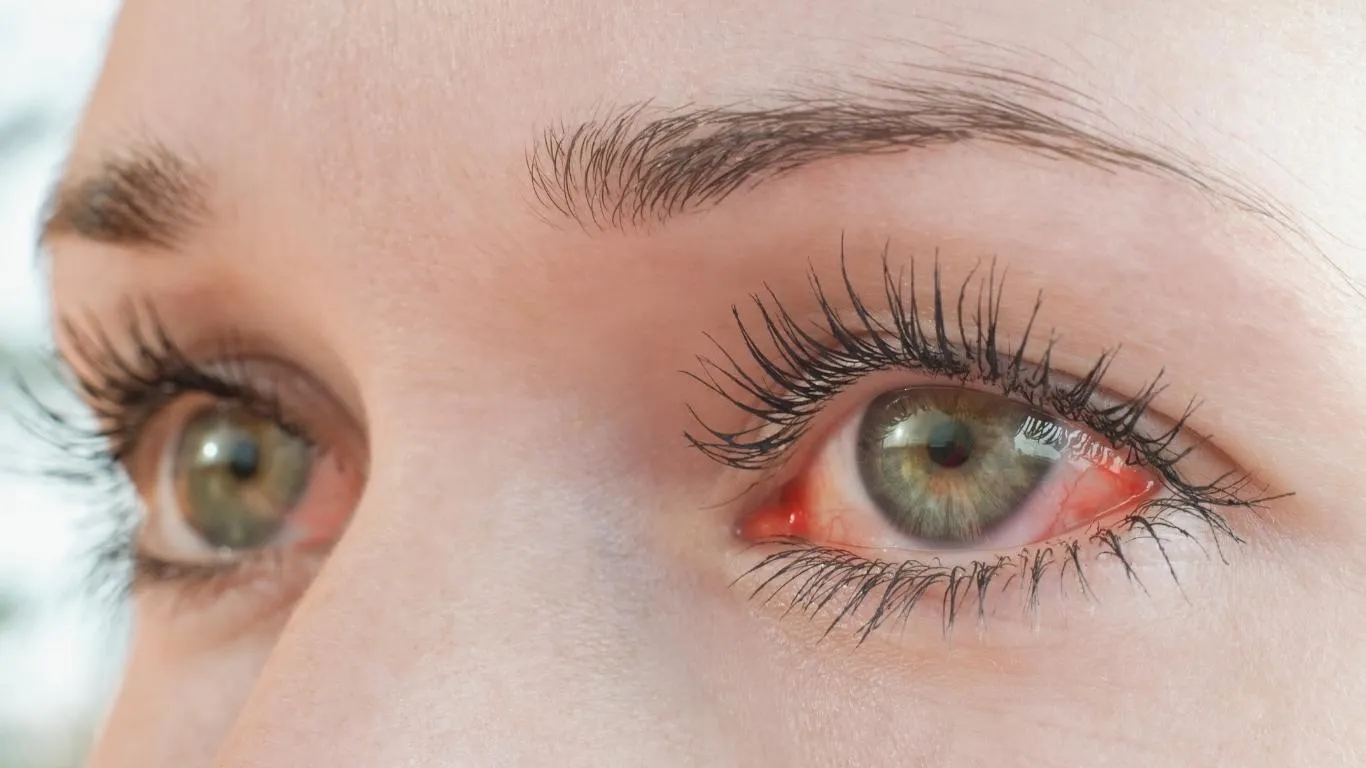
Your journey at a professional eye clinic starts with something more thorough than a basic eye chart. The ophthalmologist uses advanced tools like:
- Slit-lamp examination – Offers a magnified view of your eye’s internal structures.
- Ophthalmoscopy – A deeper look into your vitreous and retina.
- Optical Coherence Tomography (OCT) – High-resolution imaging to detect even subtle retinal issues.
Some floaters are minor, but others may stem from something more serious like retinal tears or inflammation from autoimmune diseases. If you’re seeing a sudden shower of floaters or flashes of light, get checked fast. A good eye clinic will know what to look for.
Treatment Options Eye Clinics Actually Offer
1. Observation – Sometimes Doing Nothing Is the Best Option
Yup, I was surprised too. Many clinics — especially the reputable ones — recommend the “wait and watch” method for benign floaters. Over time, floaters may settle below the line of sight or the brain learns to ignore them. This is especially common in cases triggered by natural aging.
2. YAG Laser Vitreolysis
This outpatient procedure uses a laser to vaporize the floaters. It’s non-invasive, quick, and ideal for floaters located away from the retina and lens. Some people — myself included — find it life-changing. I was hesitant at first, but after the 15-minute session, my worst floaters were gone. Poof.
- Quick recovery time
- Minimal risk when performed by experienced ophthalmologists
- Not suitable for all types of floaters
One of the leading articles at Healthusias explains more about this procedure in detail, breaking down risks and expectations.
3. Pars Plana Vitrectomy (PPV)
This is the “last resort” — a full surgical removal of the vitreous gel and its floaters. It’s effective, no doubt, but it’s also invasive and carries risk. Most clinics will avoid this unless floaters are impacting your quality of life severely or threatening vision due to retinal complications.
- Best for severe, dense floaters
- Requires recovery time
- Risk of cataracts and retinal detachment
If your floaters stem from something serious like uveitis or complications post-surgery, PPV might be your only option. But again, only if conservative methods fail.
Who’s Most Likely to Need Treatment?

Here’s where it gets personal. I started noticing floaters in my late 30s, right around when I was also burning the candle at both ends (hello, screen time). But some folks are more at risk than others:
- People over 40 — due to age-related vitreous shrinkage
- High myopia sufferers
- Those with past eye trauma or surgery
- Diabetics or people with inflammation-related conditions
In many clinics, they now personalize your floater treatment path based on this context. That’s a level of care that sets apart the best from the rest.
What to Expect at a High-Quality Eye Clinic
It’s not just about the lasers or tools. The best clinics also offer guidance on lifestyle changes, monitoring strategies, and follow-up care. A few things to look for:
- Board-certified retina specialists on staff
- Access to the latest imaging technology
- Clear info about side effects and outcomes — no sugarcoating
- Support staff who take the time to explain your options
Floaters might not always need treatment — but when they do, choosing the right clinic makes all the difference. If you want to understand how floaters compare to other eye conditions, this eye floater vs eye problems guide is spot-on.
For a deeper dive into the causes, symptoms, and treatment philosophy, you can check out the comprehensive main floater resource here.
Can Natural or At-Home Options Really Help?
I’ll be honest — before visiting the clinic, I fell down the rabbit hole of “natural remedies” for floaters. Some were… let’s say, hopeful at best. But that doesn’t mean all home-based approaches are useless. Some eye specialists even support them — as supplements to clinical treatments, not replacements.
Popular Options People Try
- Antioxidant-rich diets — leafy greens, citrus, and oily fish can support overall eye health
- Hydration — seems simple, but chronic dehydration is known to worsen floater perception (more here)
- Eye-friendly vitamins — Lutein, Zeaxanthin, and Vitamin C
- Blue light filters — especially helpful if screen time is triggering your symptoms
One of the better pieces I came across that digs deeper into this route is this breakdown of natural floater remedies. It doesn’t overpromise, which I appreciated.
Are Supplements Worth the Hype?
Some eye clinics now offer supplement guidance as part of their treatment packages — not because they magically eliminate floaters, but because they may help prevent progression. I’ve personally been on a lutein + bilberry combo for a while. Can’t say it “fixed” anything, but I do feel more at ease knowing I’m supporting my eyes.
Some respected research (check sources like ncbi.nlm.nih.gov or aao.org) supports the use of antioxidants and omega-3s for long-term ocular health.
When Are Floaters a Sign of Something More Serious?
Here’s what most people — myself included — don’t realize: sometimes floaters are more than just annoying visual debris. They can signal serious underlying issues, including:
If you ever notice these changes, get seen fast:
- Sudden increase in floaters
- Accompanying flashes of light
- Loss of peripheral vision
- Floaters paired with eye pain or redness
A thorough guide on when to worry can be found in this Healthusias article.
How to Choose the Right Eye Clinic
Not all clinics are created equal. The truth? Some push treatments just because they can bill for them. Others walk you through your options, respect your budget and lifestyle, and explain risks clearly.
Look for Clinics That Offer:
- Customized treatment based on floater type and severity
- Non-invasive options first, surgery only when necessary
- Board-certified retinal specialists
- Post-treatment care, including follow-ups and vision support
If you’re in that overwhelmed Google phase, start with clinics that outline their treatment philosophy clearly — and don’t be afraid to ask questions during consults. The pillar article on common floater causes can also help you map out your risk level before heading to the doctor.
Are Floaters Ever Totally Gone?
This was my big question — and the answer isn’t black-and-white. For some, especially those who undergo laser or vitrectomy, the floaters are 90% gone. For others, they’re still there but much less noticeable.
I’m in the “mostly gone” camp after laser therapy. But what made the biggest difference was working with a clinic that understood me — not just the condition. It’s the human element that made all the difference. I no longer panic at tiny specks in my sightline. And trust me, that peace of mind is worth every visit.
Curious about how these symptoms differ from other conditions? This guide on eye floaters vs. other eye issues breaks it down well — helpful if you’re second-guessing your diagnosis.
For the most up-to-date overview on what causes floaters and what each treatment really involves, you’ll want to check out this comprehensive resource on the topic. It’s the one I still refer people to whenever the “floaters” convo comes up.

Camellia Wulansari is a dedicated Medical Assistant at a local clinic and a passionate health writer at Healthusias.com. With years of hands-on experience in patient care and a deep interest in preventive medicine, she bridges the gap between clinical knowledge and accessible health information. Camellia specializes in writing about digestive health, chronic conditions like GERD and hypertension, respiratory issues, and autoimmune diseases, aiming to empower readers with practical, easy-to-understand insights. When she’s not assisting patients or writing, you’ll find her enjoying quiet mornings with coffee and a medical journal in hand—or jamming to her favorite metal band, Lamb of God.