Best Natural Teas To Calm Anxiety That Actually Work
I’ll admit it—I never expected something as simple as tea to help with my anxiety. I used to scoff at the idea. Tea? Really? But after trying every over-the-counter option, side-effect-ridden prescription, and yes, even late-night doom-scrolling for miracle solutions, I gave in and tried what my grandmother always swore by. And guess what? She was right. Turns out, a warm cup of natural tea can be a small ritual that brings real calm—without making you feel foggy or dependent. Let’s talk about the best natural teas that actually help reduce anxiety, based on both real-world use and what science is finally starting to back up.
Chamomile Tea: The Gentle Calmer

Chamomile has been used for centuries as a natural relaxant. Personally, this was my entry point into the herbal tea world. A cup before bed helped me fall asleep faster and feel less wound-up after a long, overstimulating day. Its main anxiety-fighting ingredient is apigenin, a flavonoid that binds to benzodiazepine receptors in the brain, mimicking the calming effect of medication—without the side effects.
- Great for evening routines
- Mild taste, pairs well with honey or lemon
- Backed by research from ncbi.nlm.nih.gov
Chamomile is also a popular suggestion in many herbal remedies for anxiety guides, and for good reason.
Lemon Balm Tea: Light, Lemony, and Surprisingly Powerful

If chamomile is a gentle pat on the back, lemon balm is like that friend who talks you off the ledge during a panic spiral. It’s part of the mint family, which means it’s not only refreshing but also packed with rosmarinic acid, which boosts GABA (a calming neurotransmitter). I’ve personally used lemon balm tea before big meetings or presentations—it helps quiet the mental chatter without sedating me.
- Can be used during the day without drowsiness
- Shown to improve mood and cognitive performance
- Common ingredient in social anxiety support approaches
You can also find lemon balm blended in many anxiety-supporting teas and nutritional approaches.
Passionflower Tea: The One That Caught Me Off Guard

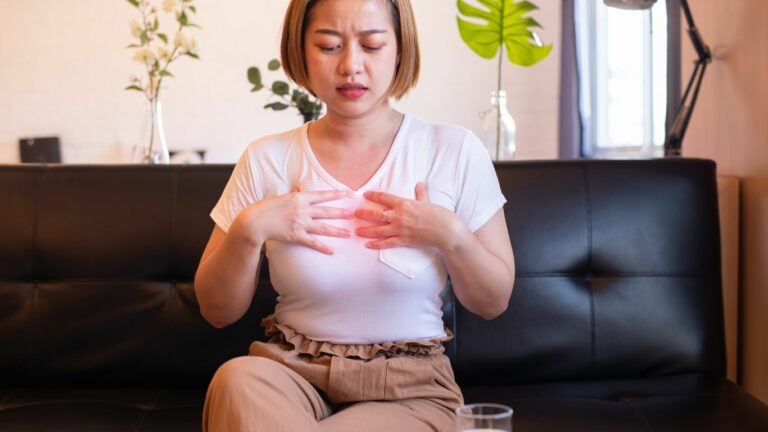
I’ll be honest—I avoided passionflower tea at first just because the name sounded too dramatic. But it turned out to be the most effective one for those high-stress, can’t-sit-still days. Passionflower boosts GABA just like lemon balm, but it feels a little more grounding. I use it when I feel a wave of anxiety coming—like that tight chest, can’t-think-straight kind of anxious.
It’s even been studied as a natural alternative to some prescription anti-anxiety meds, without the mental fog or addictive risk. According to studies referenced by ncbi.nlm.nih.gov, passionflower significantly improves subjective anxiety symptoms during high-pressure situations.
One of the more compelling things I read was in therapy-aligned anxiety treatments, where herbal support is encouraged as a complement to emotional care.
Lavender Tea: The Aromatherapy in a Mug

Lavender tea doesn’t just calm the nerves—it calms the entire experience. I discovered this after using lavender oil in a diffuser for sleep, and eventually tried steeping the flowers as tea. The scent alone has a direct pathway to the brain’s limbic system, which controls emotion. The taste? Slightly floral and bitter, but smooth with a little honey.
Lavender has been shown in clinical studies to reduce anxiety levels, even in people with diagnosed Generalized Anxiety Disorder (GAD coping strategies often include it).
Quick Note from Experience:
If you’re sensitive to strong scents, go easy at first. I steep it lightly and sometimes combine with chamomile to mellow the flavor. Works like a charm after a stressful commute or before awkward family dinners.
Green Tea (Decaf): A Balanced Ally

Surprised? I was too. Green tea is usually known for its caffeine, but a decaf version gives you the benefits without the heart-racing side effects. The secret weapon here is L-theanine, an amino acid that promotes calm, centered focus. I reach for this one mid-afternoon when I need a mental reset without the crash.
It’s also something I recommend to friends who have that specific type of anxiety triggered by caffeine but still crave that warm cup of something “productive.”
- Promotes alert relaxation
- Pairs well with breathing exercises like those in this guide
Why These Teas Work So Well Together
Sometimes I mix and match based on how I’m feeling. A blend of lemon balm and chamomile for when I’m spiraling. Passionflower solo for days when my heart won’t stop pounding. Lavender for sensory overload. Each one serves its own purpose—and no, it’s not just placebo. These plants contain real compounds that interact with your body’s systems.
If you’re just starting out, check out the lifestyle self-help options for anxiety to see how natural methods can pair with your daily rhythm.
It’s also helpful to understand the bigger picture of how anxiety can show up quietly in daily routines, which this main pillar article breaks down beautifully.
Rooibos Tea: The Caffeine-Free Stress Soother

Rooibos was a late addition to my anxiety tea cabinet. I’d seen it at the store but didn’t really know what it was. After a particularly bad month (thanks, life), I tried it on a whim. It’s naturally caffeine-free and loaded with antioxidants that help reduce cortisol—the stress hormone that basically messes with everything.
What I love most about rooibos is that it tastes full-bodied and slightly sweet, almost like a red tea, but without the stimulant edge. According to ncbi.nlm.nih.gov, rooibos contains two key flavonoids—aspalathin and nothofagin—that may help reduce oxidative stress and inflammation, which can play a role in anxiety symptoms.
It’s also a nice option for those with sensitive stomachs who find stronger herbal blends a bit harsh. For more info on teas that pair well with gut health and anxiety, check out this probiotic and gut-anxiety connection article.
Holy Basil (Tulsi) Tea: The Adaptogenic Ally

I wasn’t prepared for how much I’d enjoy tulsi tea. An Ayurvedic favorite, holy basil is what’s known as an adaptogen—meaning it helps your body adapt to stress, rather than just mask it. I drink it in the mornings when I know I’m heading into a chaos-heavy day (looking at you, dentist appointments and traffic).
Holy basil has been studied for its ability to regulate cortisol and support brain function under stress. It doesn’t sedate you—instead, it gently pulls down the inner alarm system without dulling your clarity. A solid option for high-functioning anxiety, which I know all too well.
More people are starting to explore herbal adaptogens for anxiety relief as part of lifestyle changes. It pairs well with alternative anxiety-support techniques too.
Valerian Root Tea: For When You Can’t Sleep

I only use valerian root tea when my anxiety turns into insomnia. It’s strong—earthy in taste and calming in effect. This isn’t your daytime buddy; it’s more like a nighttime secret weapon. Valerian root works similarly to benzodiazepines by increasing GABA, but the difference is you won’t wake up feeling hungover.
Studies suggest it can reduce the time it takes to fall asleep and improve sleep quality—especially when anxiety is the root cause of restlessness. If you want to understand how anxiety disrupts sleep and what helps, this article breaks it down perfectly.
Heads up: The taste is intense. I usually mix it with chamomile or lavender to mellow it out.
Skullcap Tea: The Underrated Hero

Skullcap doesn’t get the spotlight, but it should. It’s a mild sedative that’s especially effective for racing thoughts. I stumbled onto this during a particularly anxious period where nothing could quiet my mind enough to relax or sleep—even meditation felt like a chore. Skullcap changed that.
It’s often used by herbalists for panic disorders and social anxiety symptoms, and it’s gaining attention for its neuroprotective properties. If you’ve never tried it, I’d recommend starting with a light brew and sipping it slowly, especially in the evening.
For a broader look at natural remedies that address anxiety’s more intense effects, this guide to treatment options has some helpful comparisons.
How to Create Your Own Anti-Anxiety Tea Ritual

One of the most effective things I did wasn’t just drinking tea—it was turning the process into a moment of peace. Instead of rushing through it, I made it a ritual: lighting a candle, setting my phone on airplane mode, and sipping slowly with a journal beside me. It sounds cliché, but that pause matters.
Try building a simple habit like this:
- Pick one or two teas that match your anxiety type (e.g., passionflower for panic, green tea for focus)
- Steep with intention—slow your breath while you wait
- Create a calm environment: soft lighting, calming playlist, no screens
- Pair with mindfulness, journaling, or light stretching
Even 10 minutes of mindful tea time can lower your stress levels and help you reconnect with your body and breath. For more help creating an environment that supports this, this lifestyle guide offers realistic and effective tweaks anyone can implement.
Are Natural Teas Enough?

Here’s the thing—tea isn’t a miracle cure. But it’s a genuine, supportive tool that works best when it’s part of a bigger picture. If you’re doing therapy, journaling, setting boundaries, or addressing past trauma, tea becomes a calming sidekick that reinforces your healing work.
In fact, a good place to start learning about that bigger picture is the hidden causes of anxiety disorders article—it helped me realize my tea wasn’t treating the symptoms; it was supporting the healing process.
And when you’re ready to go deeper, understanding how anxiety slowly shapes your daily decisions without you even noticing is something the main pillar on silent anxiety impact explains better than anything else I’ve read.
So yes, teas can calm anxiety. But the real power is in how you use them—and how you give yourself permission to pause.

Camellia Wulansari is a dedicated Medical Assistant at a local clinic and a passionate health writer at Healthusias.com. With years of hands-on experience in patient care and a deep interest in preventive medicine, she bridges the gap between clinical knowledge and accessible health information. Camellia specializes in writing about digestive health, chronic conditions like GERD and hypertension, respiratory issues, and autoimmune diseases, aiming to empower readers with practical, easy-to-understand insights. When she’s not assisting patients or writing, you’ll find her enjoying quiet mornings with coffee and a medical journal in hand—or jamming to her favorite metal band, Lamb of God.