How Breathing Patterns During Anxiety Attacks Can Make Or Break Your Calm
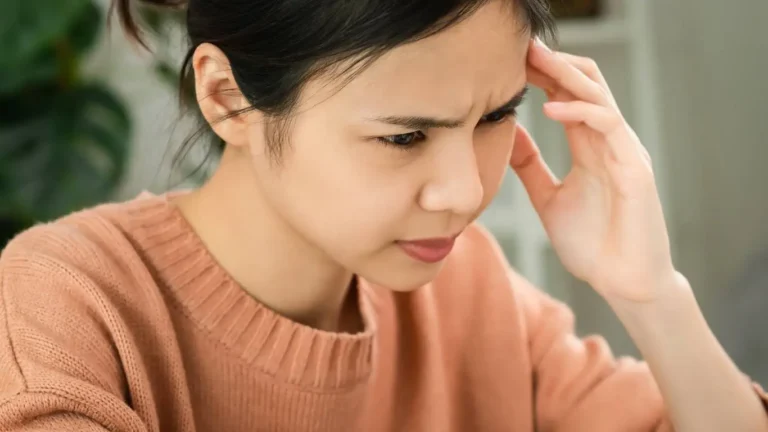
If you’ve ever found yourself gasping for air during an anxiety attack, trust me, you’re not alone. I’ve been there more times than I’d like to admit — sitting at my desk, feeling my chest tighten, my breath shallow, and that overwhelming sensation that I’m not getting enough oxygen. It’s terrifying, but here’s the surprising truth: it’s not about the lack of oxygen, it’s about how you’re breathing. Understanding breathing patterns during anxiety attacks could change the way you handle those sudden surges of panic.
How Anxiety Hijacks Your Breathing Patterns
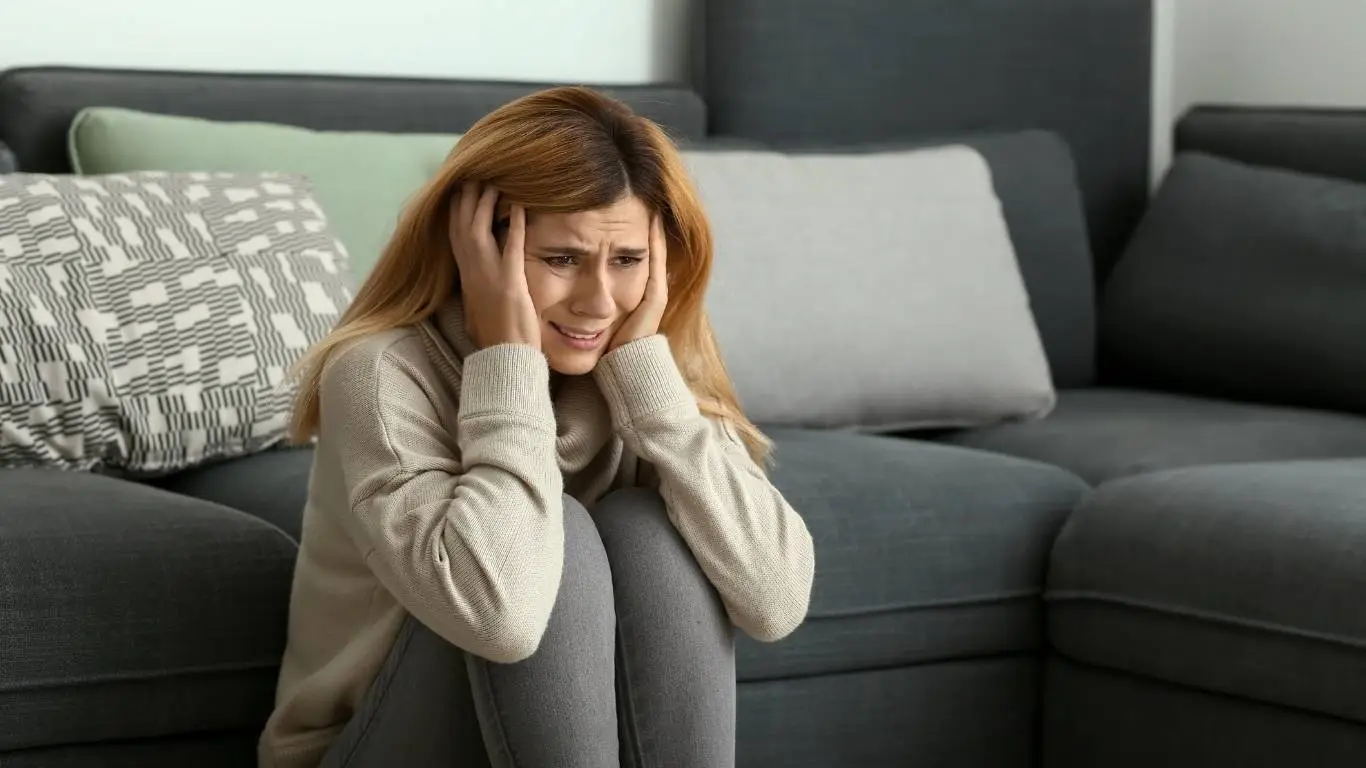
When anxiety strikes, your body flips a switch into survival mode — also known as the fight or flight response. One of the first things to go haywire? Your breathing. It becomes rapid, shallow, and moves up into your chest. This type of breathing, called thoracic breathing, sends confusing signals to your brain, making you feel even more panicked.
Most people don’t realize that improper breathing not only intensifies anxiety symptoms but can also trigger them. If you’re feeling dizzy, lightheaded, or your heart is racing, your breathing pattern is likely the culprit.
Why Shallow Breathing Feels So Suffocating
Shallow breathing limits the amount of oxygen exchange in your body. You’re inhaling quickly but not deeply, leading to a buildup of carbon dioxide. This imbalance tricks your body into thinking something’s wrong, amplifying physical symptoms like chest tightness and that dreaded feeling of suffocation.
It’s a vicious cycle: you breathe fast because you’re anxious, but breathing fast makes you feel even more anxious.
Recognizing Faulty Breathing Habits Before Anxiety Takes Over
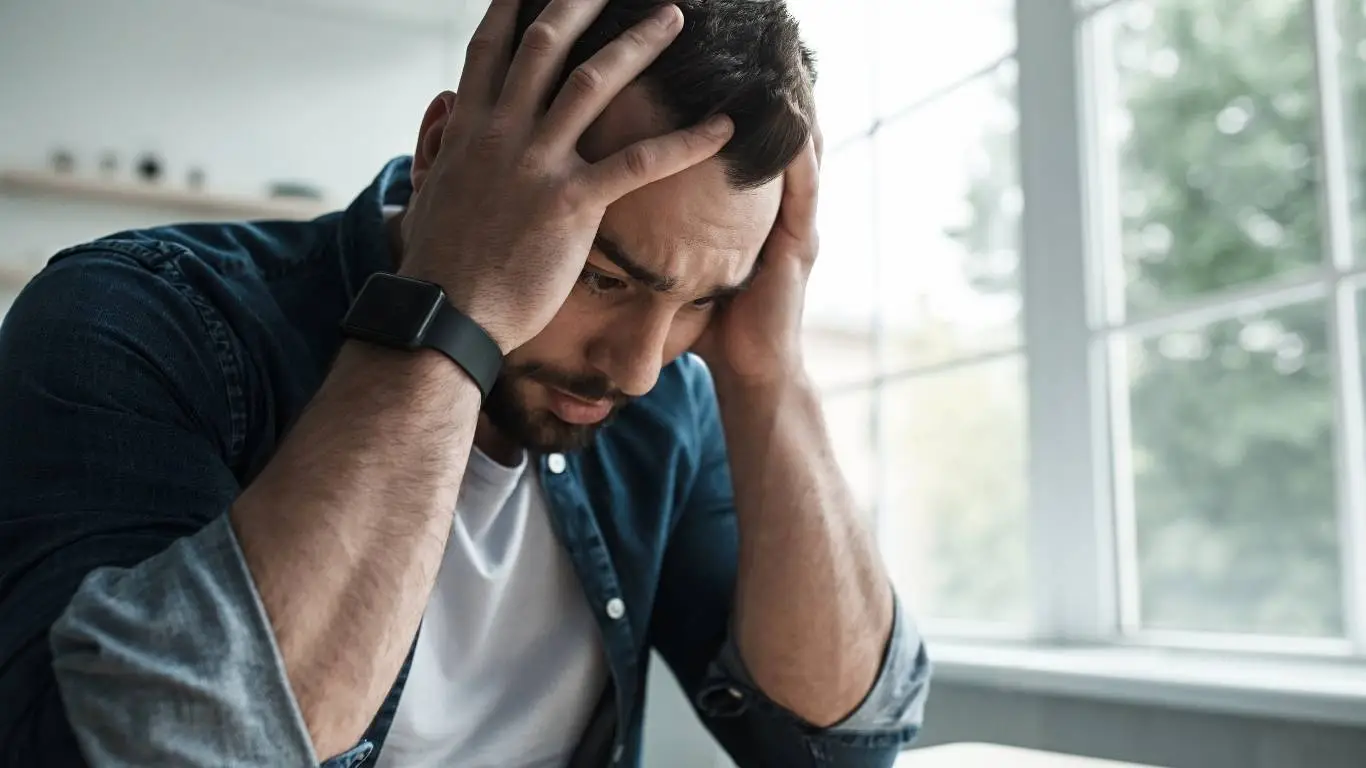
Most of us don’t pay attention to our breathing until it feels out of control. But if you often find yourself chest-breathing or holding your breath when stressed, you’re unintentionally training your body for anxiety spikes. Learning to notice these patterns early is key.
- Chest Breathing: Breathing where your shoulders rise and fall instead of your belly expanding.
- Breath Holding: Pausing or freezing your breath during stressful thoughts.
- Over-Breathing: Taking rapid, shallow breaths even when at rest.
If you’re unsure whether your breathing is fueling your anxiety, a simple self-check is to place a hand on your chest and another on your belly. During calm, deep breathing, your belly hand should rise more than your chest hand.
Breathing Techniques That Actually Help During Anxiety Attacks
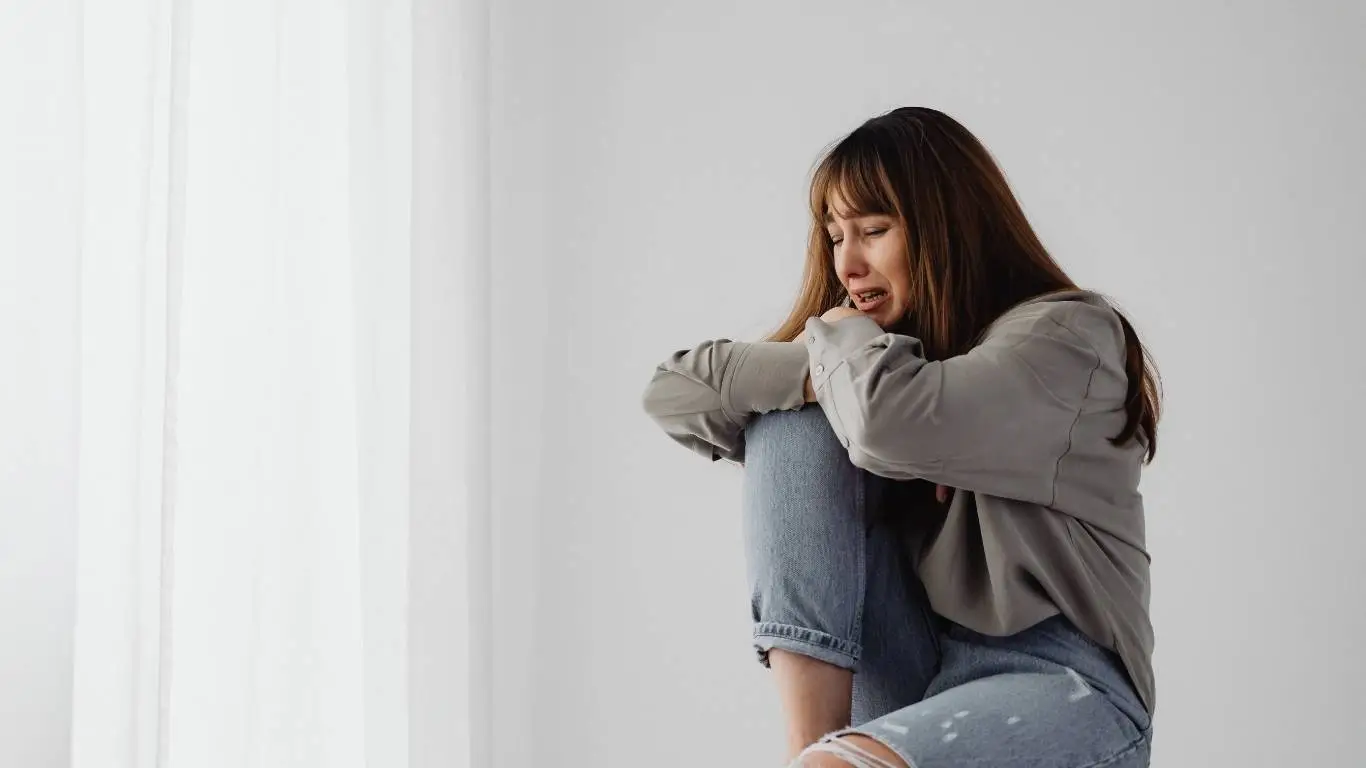
I’ve tried countless breathing techniques, but let me tell you, not all of them work in the heat of the moment. These are the ones that genuinely helped me ride out the storm during an anxiety attack:
- Box Breathing: Inhale for 4 seconds, hold for 4, exhale for 4, and hold again for 4. Repeat this square pattern to reset your nervous system.
- Diaphragmatic Breathing: Breathe in through your nose, expanding your belly (not your chest), and exhale slowly through pursed lips. This signals your body to switch off the fight or flight response.
- 4-7-8 Technique: Inhale for 4 seconds, hold for 7, exhale slowly for 8. It feels awkward at first but becomes a powerful grounding tool.
If you need a more structured approach, I highly recommend checking out these breathing exercises for anxiety relief which dive deeper into techniques that genuinely calm your nervous system.
Link Between Poor Breathing and Physical Anxiety Symptoms
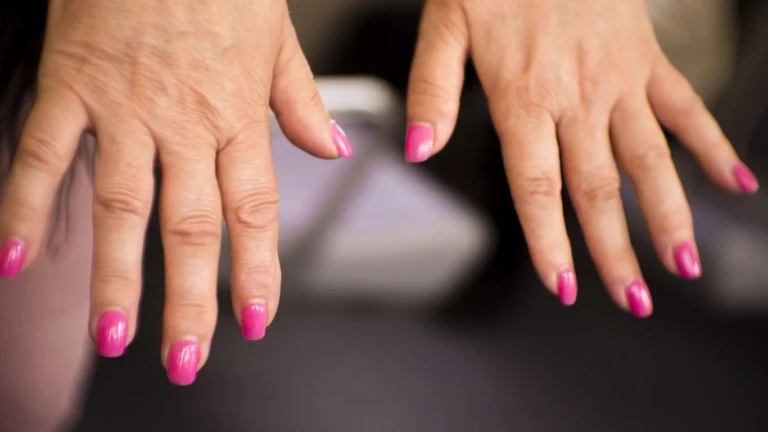
One thing I wish someone had told me earlier is how dizziness during anxiety attacks isn’t always from the anxiety itself but often from hyperventilation. Breathing too quickly can mess with your oxygen-carbon dioxide balance, leading to lightheadedness and even numbness in your fingers or lips.
It’s also why chest pain feels so convincing during a panic attack. Many confuse it with a heart problem, which only adds fuel to the anxiety fire. For clarity on this, see the difference between panic disorder vs. heart attack.
Training Your Body to Default to Calm Breathing

The key to mastering your breathing patterns isn’t just about what you do during an anxiety attack — it’s about what you practice daily. I’ve made it a habit to start my mornings with a simple 5-minute breathing routine. Over time, it has rewired my body to stay calmer under stress.
If you’re looking for a holistic approach, combining breathing exercises with techniques like progressive muscle relaxation can enhance the calming effect significantly. Also, this comprehensive guide on lifestyle self-help strategies for anxiety disorders is a fantastic resource that helped me create an everyday routine centered around calmness.
Want a broader understanding of how anxiety silently shapes your day-to-day life? You can explore more in-depth insights in this main article about anxiety’s hidden impact.
Real-Life Triggers That Disrupt Your Breathing Patterns

One thing I’ve noticed in my own life — and I bet you’ve felt this too — is how seemingly innocent daily stressors can hijack your breathing without you realizing. For example, replying to a flood of emails, running late for an appointment, or even scrolling through overwhelming news feeds. These are sneaky triggers that shift you into shallow, fast breathing.
It’s not always the big anxiety-inducing moments; sometimes it’s the constant micro-stresses that keep your body in a semi-panicked state. Recognizing these patterns is half the battle. You’ll be amazed how just catching yourself and taking three mindful belly breaths can stop an anxiety spiral before it starts.
For anyone struggling with social media-induced anxiety, you’ll know what I mean. Mindless scrolling may feel relaxing, but it often silently disrupts your natural breathing rhythms.
Breathing Tools and Apps That Genuinely Help (Tested & Approved)

Honestly, I was skeptical about apps that promise to “fix” your breathing. But after a few overwhelming work weeks, I caved and tried a few. The difference they made in retraining my breathing patterns was surprising.
- Calm — Their “Breathe” feature is a lifesaver during high-anxiety moments. A simple on-screen visual guides you to slow your breath naturally.
- Breethe — What I love here is the customizable breathing reminders. It’s easy to set gentle nudges to pause and breathe throughout the day.
- Breathwrk — This app focuses on performance and calming breathing patterns, offering tailored exercises for anxiety attacks.
For a deeper dive into practical tools, check out this guide on the best mobile apps for anxiety management. You’ll find options that go beyond basic meditation apps.
When Breathing Exercises Aren’t Enough
Let’s be real — breathing techniques are incredibly helpful, but they’re not a magic fix. There were times when no matter how many deep breaths I took, the anxiety just wouldn’t budge. That’s when I realized my approach needed to be more holistic.
Integrating breathing practices with Cognitive Behavioral Therapy (CBT) made a world of difference. CBT helped me identify thought patterns that were triggering my physical anxiety responses, including my chaotic breathing.
For those who want a comprehensive toolkit, this breakdown of psychotherapy and counseling for anxiety disorders is a must-read. It gives a clear view of therapy options that complement breathing strategies beautifully.
Daily Habits That Subtly Rewire Your Breathing Response

Here’s something I learned the hard way — if you wait until you’re in full-blown anxiety mode to start fixing your breathing, you’re always playing catch-up. The secret lies in daily, proactive habits that train your body to default to calm breathing even under stress.
- Morning Breathwork Ritual: Starting the day with a 5-minute breathing session sets a calm baseline for your nervous system.
- Mindful Movement: Activities like yoga or tai chi naturally align your breath with movement, grounding your mind-body connection.
- Breath Pauses: I set hourly reminders to pause for three deep belly breaths, especially on high-pressure workdays.
Combining these habits with nutritional tweaks (like reducing caffeine intake) amplified the results. There’s a helpful article on diet and nutrition strategies for anxiety disorders that I often refer back to when I feel my anxiety creeping in through the back door.
The Link Between Breathing, Mindfulness, and Long-Term Anxiety Management
One thing that completely shifted my relationship with anxiety was integrating mindfulness into my breathing practices. Mindfulness isn’t about emptying your mind; it’s about staying present with your breath, even when anxiety tries to hijack your thoughts.
It’s not a quick fix — it takes consistency. But pairing breathing exercises with mindful awareness has been scientifically proven to reduce the intensity and frequency of anxiety attacks. Even resources like mindfulness meditation for anxiety emphasize how vital breath awareness is for regaining a sense of control.
If anxiety often disrupts your daily flow, you’ll find this guide on how anxiety silently disrupts daily routines particularly insightful. It explains how small adjustments in breathing and mindfulness can protect your mental clarity throughout the day.

Camellia Wulansari is a dedicated Medical Assistant at a local clinic and a passionate health writer at Healthusias.com. With years of hands-on experience in patient care and a deep interest in preventive medicine, she bridges the gap between clinical knowledge and accessible health information. Camellia specializes in writing about digestive health, chronic conditions like GERD and hypertension, respiratory issues, and autoimmune diseases, aiming to empower readers with practical, easy-to-understand insights. When she’s not assisting patients or writing, you’ll find her enjoying quiet mornings with coffee and a medical journal in hand—or jamming to her favorite metal band, Lamb of God.