Why Eye Floaters Are Often Mistaken For Dust And What To Do
If you’ve ever caught yourself blinking hard or rubbing your eyes, thinking there’s a speck of dust that just won’t go away—yeah, you’re not alone. I’ve been there. A few months back, I was working late under a bright desk lamp, and I kept swearing something was floating across my line of sight. I even wiped my monitor thinking it was dirty. Turns out, it wasn’t dust at all—it was an eye floater. But here’s the kicker: floaters and dust can feel practically identical when you’re not sure what you’re looking at. And that’s where this whole confusion starts.
Understanding What Eye Floaters Really Are

So, let’s break this down. Eye floaters are actually tiny clumps of collagen that form inside the vitreous—the gel-like substance that fills your eyeball. Over time (or sometimes suddenly), these bits start floating around and casting shadows on your retina. That’s what you’re seeing when a floater drifts into your vision.
The trickiest part? They can absolutely resemble tiny specks of dust, hair, or fuzz—especially when you’re looking at a white wall or the sky. I’ve had them follow my gaze, hover just out of focus, and disappear when I try to pinpoint them. Dust doesn’t do that. Eye floaters do.
How to Tell the Difference Between Floaters and Dust

1. Movement Patterns
Floaters move with your eye. Look left, and they swoop with you. Then lag a bit and settle slowly. Dust? It stays put—on your lens, screen, or lashes. Try moving your eyes rapidly; if the speck follows then floats back down, it’s probably a floater.
2. Persistence
Here’s another giveaway: Dust can be wiped away. Floaters can’t. No matter how many times I cleaned my glasses or blinked, mine didn’t budge. If it sticks around and doesn’t smear, smear, or brush off—it’s likely inside your eye.
3. Visibility Conditions
Floaters tend to show up best when you’re staring at something bright and uniform—like a white page, clear blue sky, or your phone screen in direct sunlight. Dust is easier to see on surfaces or through reflections. Honestly, the visual triggers can fool even the sharpest eyes.
Why This Confusion Matters

It might sound like a small thing, but not knowing whether you’re dealing with a floater or some lint could delay you from catching an eye issue early. And trust me, some floaters are more than just a visual nuisance—they can signal bigger problems like retinal tears or inflammation. That’s why posterior vitreous detachment should be on your radar.
In my case, it was just age-related (sigh), but for others, floaters can be the first warning sign of something more serious.
Common Situations Where Mistaking Floaters for Dust Happens
- Reading under bright light – The high contrast makes floaters super visible.
- Working on a digital screen – Especially with white or light gray backgrounds.
- Driving during daylight – I remember squinting at my windshield, trying to wipe away what I later realized was in my own eye.
- Outdoor activities – Sky + sun = prime floater visibility.
Turns out, eye rubbing and fatigue can even make them more noticeable. That’s right—rubbing your eyes might actually shift the vitreous slightly and make floaters more prominent for a bit. Who knew?
Are Eye Floaters a Sign of Something Serious?
Sometimes yes, sometimes no. If you’re only seeing a few, and they haven’t changed in weeks or months, you’re probably okay. But if you see a sudden shower of floaters, or what looks like “dust” raining down, accompanied by flashes of light? That’s not just annoying—it could be a retinal warning sign. You should get it checked right away.
One of the best breakdowns of floater types and risks I’ve found is this detailed eye floater comparison guide. It’s worth bookmarking.
What You Can Do If You Think It’s a Floater
- Don’t panic. Floaters are super common, especially as we age.
- Try to track changes—if they’re increasing in number or size, book an eye exam.
- Stay hydrated and maintain a healthy diet—some research from AAO suggests nutrition might help keep your eyes healthier longer.
- Learn more in this solid overview on what causes floaters and what to expect.
To dive even deeper into floaters—especially how they form and why some of us see them more than others—check out the main pillar guide and the article on floater vs. other vision problems. Trust me, it cleared up a lot of my questions—no pun intended.
When to See a Specialist About “Dust-Like” Floaters
Let me be real for a second—when I first started seeing these specks, I brushed it off for weeks. Figured it was dry air or maybe my monitor needed a wipe-down. But floaters don’t always stay innocent. If those dusty-looking spots suddenly increase, or start dancing with light flashes, that’s your cue to act.
And I’m not talking about waiting for your annual check-up. Get a dilated eye exam. A good specialist can check if it’s a vitreous issue or retinal complication. Trust me, I was relieved when mine turned out to be harmless—but it’s always better to know than to guess.
Key Red Flags That Deserve Immediate Attention
- Floaters suddenly look like a curtain of dust—this could signal a retinal tear.
- You’re seeing flashes of light along with the dust-like specks.
- The floater is stationary and doesn’t move with your eyes (that’s not typical).
- You have a recent history of eye injury, head trauma, or major surgery.
If you check any of these boxes, call your eye doctor—not Google. And avoid dismissing it as just more dust floating around your workspace.
What Makes Floaters Seem Like Dust in the First Place?
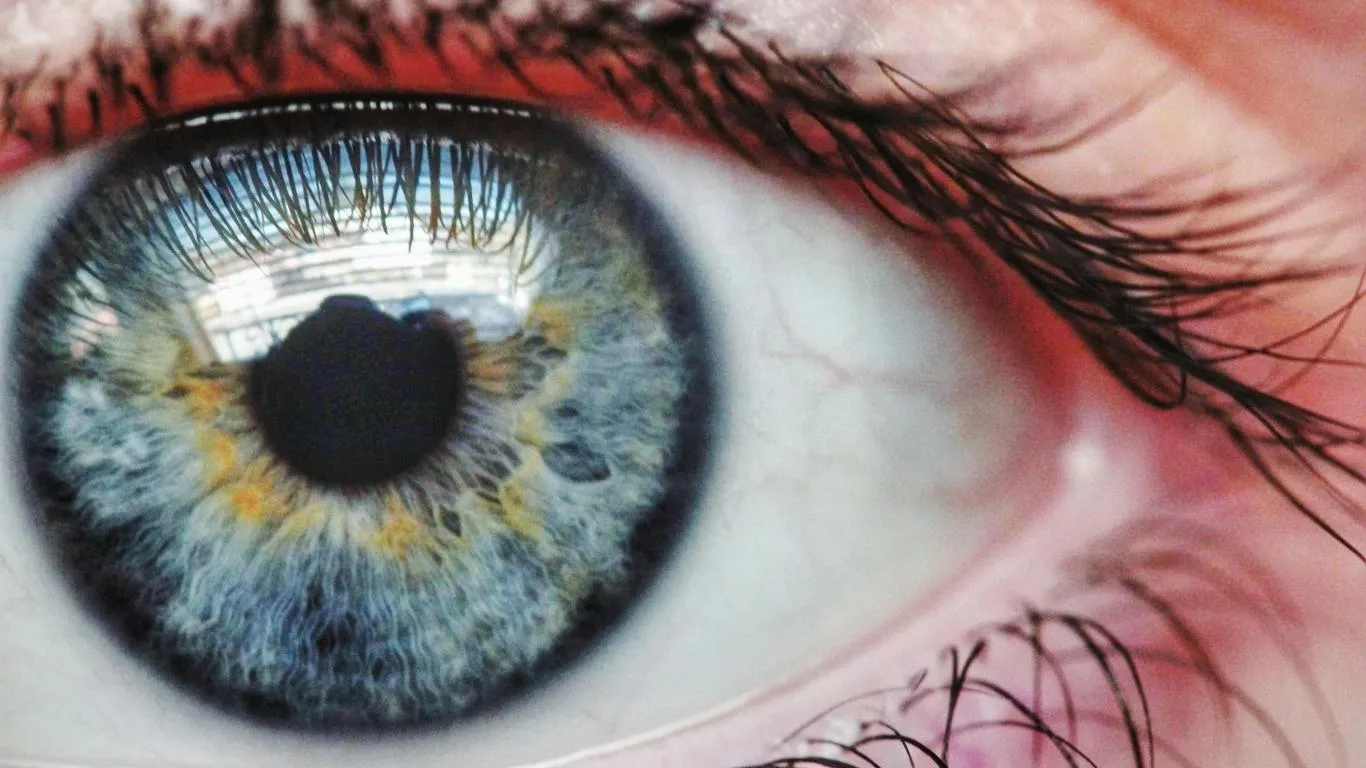
From my own experience and what I’ve learned from chatting with ophthalmologists, it boils down to perception. Our eyes are wired to filter out irrelevant background noise, but the retina isn’t great at pinpointing the depth of transparent floaters. They end up looking like something on the surface of our eye—hence, the dust confusion.
Combine that with modern life—bright LED lights, phone screens, long work hours—and you’ve got the perfect storm for floaters to stand out, especially against light-colored backgrounds. That’s also why white walls or glowing monitors make them more annoying.
Can Floaters Be Managed or Reduced?
Let’s keep it real—there’s no miracle cure (yet) for floaters. But that doesn’t mean you’re powerless. Over time, your brain does something incredible: it starts ignoring them. This adaptation process is called “neuro-adaptation,” and it works for most people. Still, if you’re someone who notices them every day, there are ways to make life a little easier:
- Lighting matters – Dim your screens, use warm light bulbs, and avoid direct sunlight glare.
- Hydration – While not a cure, being dehydrated may make floaters more noticeable.
- Eye supplements – Some users report minor relief with lutein, zeaxanthin, or omega-3. See NIH studies on eye health supplements.
- Blue light filters – These can reduce visual contrast that makes floaters pop out. I use one on all my screens now.
When Surgery Might Be Considered
Let me just preface this by saying: surgery isn’t for everyone. But for people whose floaters seriously impact their quality of life, options do exist. The main one is a vitrectomy—a procedure where the vitreous (and those pesky floaters) are removed and replaced with a saline solution.
It’s effective, but not without risks. Retinal detachment, infection, and cataract formation are potential side effects. That’s why it’s usually reserved for severe cases where floaters are persistent, large, and disabling. Learn more from this surgical treatment guide—it’s incredibly comprehensive.
Alternative: Laser Vitreolysis
This less invasive option uses laser pulses to break floaters into smaller, less noticeable fragments. While it’s not universally available and not always effective, it’s something to ask your doctor about if you’re not keen on full surgery.
How to Prevent the Confusion in the Future

Now that I’ve been through this whole “dust or floater?” thing, I’ve picked up a few hacks that help me sort them out fast. When you notice something floating in your field of vision:
- Move your eyes quickly left to right – Floaters lag slightly.
- Close one eye, then the other – If it disappears with both closed, it’s likely inside the eye.
- Use a clean screen or mirror to double-check – If the spot shows up there too, it’s external.
Still unsure? Keep a journal. Jot down when, where, and how the specks show up. Over time, patterns emerge. That’s how I figured out mine showed up most often in bright conference rooms with white walls. Now I know what to expect, and more importantly, when to seek help.
Get to Know Your Eyes Better
Understanding your eye’s quirks is kind of empowering. Instead of guessing or panicking every time a spot floats by, you’ll have the tools to decode it. And if you’re still on the fence about whether you’re seeing a floater or just a rogue speck of dust, check out this visual explainer that compares floater symptoms with other eye issues in detail.
You can also dive into this comprehensive pillar article on what causes eye floaters, and how to recognize the different types—from benign specks to warning signs.
There’s a whole spectrum between harmless and serious. Once you know where yours fall, you’ll never mistake a floater for dust again.

Camellia Wulansari is a dedicated Medical Assistant at a local clinic and a passionate health writer at Healthusias.com. With years of hands-on experience in patient care and a deep interest in preventive medicine, she bridges the gap between clinical knowledge and accessible health information. Camellia specializes in writing about digestive health, chronic conditions like GERD and hypertension, respiratory issues, and autoimmune diseases, aiming to empower readers with practical, easy-to-understand insights. When she’s not assisting patients or writing, you’ll find her enjoying quiet mornings with coffee and a medical journal in hand—or jamming to her favorite metal band, Lamb of God.