Can Floaters Indicate High Blood Pressure or Something Worse
So, a couple of months ago, I was sitting at my desk, going over emails, when out of nowhere, I noticed these tiny squiggly shapes drifting across my vision. At first, I thought it was just fatigue or maybe I had rubbed my eyes too hard. But they didn’t go away. A quick search later, I stumbled across the term: eye floaters. That was the start of my deep dive into what they are—and more surprisingly, what they might signal about your health, particularly blood pressure.
Understanding Eye Floaters: More Than Just Annoying Shadows
Eye floaters are tiny spots, lines, or cobweb-like shapes that drift across your visual field. They’re usually more noticeable when you’re staring at a bright background—like a clear sky or a white screen. Floaters are caused by changes in the vitreous, the gel-like substance in the back of your eye. As we age, this gel becomes more liquid, and microscopic fibers within it can clump together and cast shadows on the retina.
But here’s the thing: floaters aren’t always just a harmless quirk of aging or mild vitreous degeneration. In some cases, they could be a red flag. And yes, this includes potentially indicating high blood pressure.
Can Floaters Indicate High Blood Pressure?
This was the question that kept popping up during my research. After reading through several studies and speaking with a couple of eye care professionals, I learned that while high blood pressure doesn’t directly cause floaters in every case, it can contribute to the conditions that make floaters more likely.
Hypertension can affect the small blood vessels in your eyes, especially the retina, in a condition known as hypertensive retinopathy. When these vessels are damaged or start leaking, the resulting changes in the eye—such as retinal hemorrhages or swelling—can create floaters.
What the Science Says
According to the American Academy of Ophthalmology, high blood pressure can lead to blood vessel damage, increased risk of retinal detachment, and even bleeding within the eye—all of which can cause floaters or make them worse.
- Hypertensive Retinopathy: Damage to retinal vessels from sustained high blood pressure.
- Vitreous Hemorrhage: Bleeding into the vitreous can produce sudden, dense floaters.
- Retinal Vein Occlusion: Blockages in veins behind the eye may lead to floaters and blurred vision.
Early Floaters Could Be a Warning
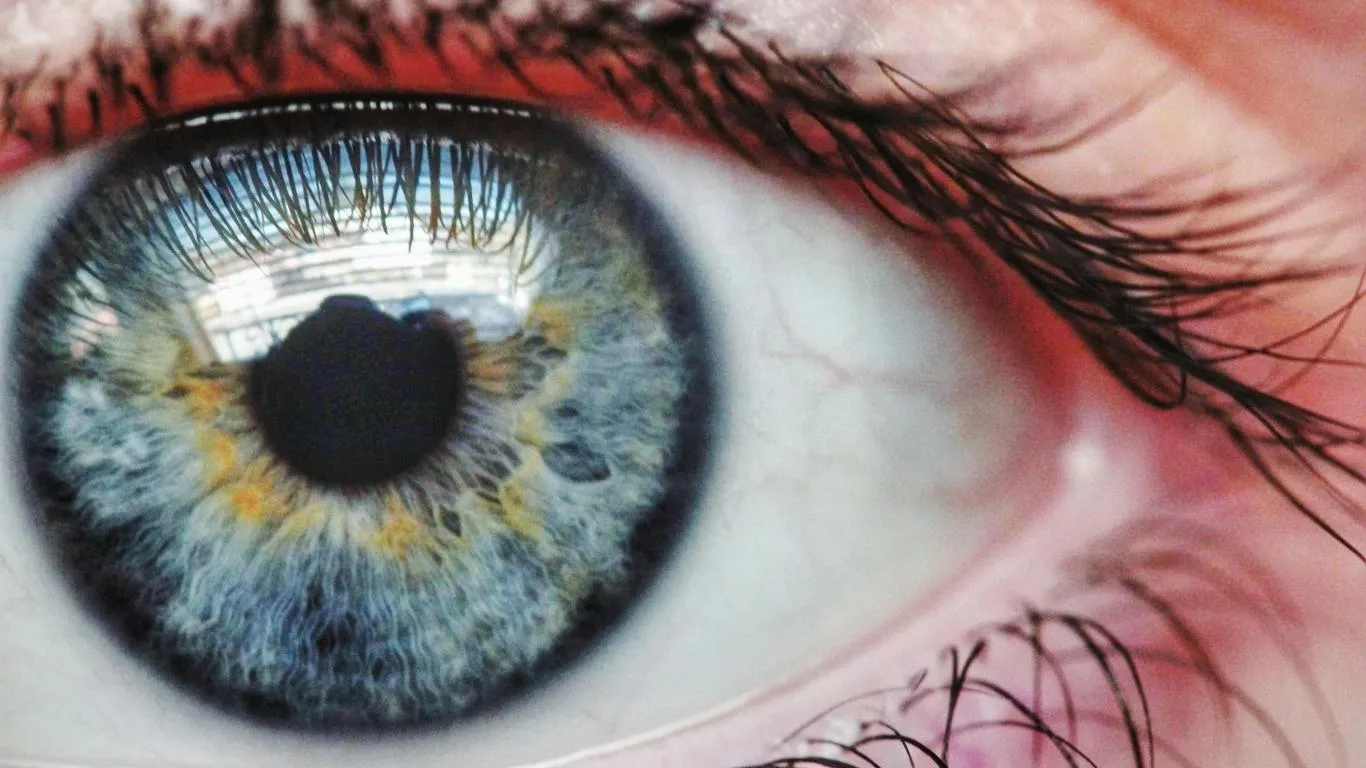
My own eye doctor mentioned that people with chronically high blood pressure are more likely to experience microvascular damage in the eyes. That may not sound too dramatic at first, but over time, these tiny damages can accumulate—and floaters are just one potential visual clue.
When I shared my own story in an online forum, it surprised me how many others had similar experiences: a sudden increase in floaters, followed by a trip to the doctor that revealed elevated blood pressure. That got me thinking—how many of us are ignoring these subtle signs because they don’t seem serious at first glance?
Symptoms That Shouldn’t Be Ignored
If you’re experiencing new floaters along with any of the following, it’s time to see both an eye specialist and a general physician:
- Sudden increase in floaters
- Flashes of light or vision loss
- Blurry or distorted vision
- Eye pain or pressure
These symptoms could signal a more serious underlying condition, such as retinal tear or detachment, especially when combined with vascular issues like hypertension.
Blood Pressure and Your Eyes: The Hidden Connection
High blood pressure doesn’t just stress your heart—it affects your entire vascular system, including the delicate vessels in your eyes. Over time, it can lead to conditions that go beyond floaters, such as:
- Retinal Artery Occlusion – a rare but severe condition that can cause sudden vision loss
- Macular Edema – swelling that distorts central vision
- Posterior Vitreous Detachment – a common cause of floaters in people over 40, but more abrupt with high BP
You can learn more about these conditions in our comprehensive article on common causes of eye floaters, especially those linked with systemic health issues.
Also, our main floaters guide dives deeper into the science of what causes them, who’s most at risk, and how they connect to wider health signals.
So, Can High Blood Pressure Cause Floaters or Not?
The answer isn’t black and white. Floaters can be associated with high blood pressure—especially when your BP has gone untreated or is poorly managed. They might not always be the first sign, but they can certainly be a symptom worth paying attention to.
If you’ve been noticing more floaters than usual, and you’re over 40 or have a history of hypertension, don’t just brush it off. Your eyes could be trying to tell you something.
Want to know how to protect your eyes and manage floaters better? It all starts with being aware of how systemic conditions like high blood pressure show up in unexpected ways. Keep reading…
What You Can Do If You Suspect Your Floaters Are Linked to High Blood Pressure
Alright, so if you’re like me, once the thought crossed your mind that these little drifting specks might mean more than just “aging eyes,” you probably wondered—what now?
The first step is simple but vital: get your blood pressure checked. Whether that’s at your doctor’s office, your local pharmacy, or with a home monitor, knowing your numbers is essential. Hypertension can sneak up on you. I didn’t feel off or dizzy, but turns out my BP was teetering on the edge. No headaches, no red flags—just floaters.
See the Right Specialists
If you notice floaters and have a history of high blood pressure (or even borderline hypertension), it’s worth seeing both an ophthalmologist and your general practitioner. Together, they can assess whether your symptoms are ocular or vascular—or both.
- Eye exams can detect subtle signs of hypertensive retinopathy.
- Blood pressure control can reduce the likelihood of further floaters or damage.
- In some cases, early intervention can prevent vision loss.
In fact, ophthalmologists are often the first to detect vascular issues just by looking inside your eye. The retina’s blood vessels offer a sneak peek into your circulatory system—and floaters could be your early warning system.
Lifestyle Changes That Help Both Your Eyes and Your Blood Pressure
Let’s be honest—some of us (yes, guilty here) wait until we’re dealing with a problem before we change our habits. But it doesn’t have to be dramatic. Here’s what helped me:
- Hydration: Drinking more water surprisingly reduced how often I noticed my floaters.
- Lower Sodium: I started paying attention to salt. It wasn’t easy (bye chips), but worth it.
- Exercise: Just 30 minutes of brisk walking a few times a week. Nothing fancy.
- Regular Eye Breaks: Especially from screens. I didn’t realize how much strain contributes to eye irritation and awareness of floaters.
There’s even a link between dehydration and worsened floaters. So those eight glasses of water a day? Totally not overrated.
When Floaters Mean More: Red Flags You Shouldn’t Ignore
Some floaters come and go with minimal concern. Others? Not so much. Floaters accompanied by the following symptoms need urgent attention:
- Flashes of light in your peripheral vision
- Sudden curtain-like shadow over your visual field
- Sharp eye pain or pressure
- Sudden and severe loss of vision
These signs can point to a serious retinal condition, and if you have high blood pressure, your risk may be increased. Cases of retinal hemorrhage or diabetic retinopathy (especially if you’re hypertensive and diabetic) can escalate fast if ignored.
What’s Normal, What’s Not?
In my case, the floaters eventually calmed down after getting my BP under control. But I still check in with my eye doctor twice a year now. That reassurance? Worth every penny. If the floaters change in shape, frequency, or come with other symptoms—don’t play guessing games.
Want to better understand how to separate harmless floaters from dangerous ones? This article on warning signs lays it out clearly without the jargon.
Natural vs. Medical Treatments: What Works, What’s a Waste
There’s a lot of chatter online about natural remedies for floaters. I’ve tried a few—some helped, some were pure hype. Here’s what I found:
- Supplements: Omega-3s, lutein, and zinc helped reduce eye fatigue, but didn’t erase floaters.
- Dietary changes: Adding leafy greens and cutting sugar (a hard one!) made a small but noticeable difference.
- Eye exercises: Didn’t make floaters disappear but helped with focus and reduced distraction.
If you’re curious, our write-up on natural ways to manage floaters breaks it all down. What’s worth trying, and what’s snake oil.
On the medical side, treatments like laser vitreolysis and vitrectomy exist, but they’re generally reserved for severe or visually disruptive floaters. If floaters are affecting your quality of life, don’t hesitate to discuss these with your eye specialist.
Protect Your Eyes Before It Becomes a Problem
Most people don’t connect floaters with systemic conditions. And while not every case of floaters points to hypertension, when combined with other risk factors, they become a valuable piece of the health puzzle.
If I had ignored mine, I might have missed that early warning sign. Thankfully, it nudged me to take my blood pressure more seriously. And now? I’m not just managing floaters—I’m managing my health smarter overall.
Eye floaters might seem like a nuisance, but they can be a nudge from your body to check what’s going on inside. For anyone wondering, yes, they can be tied to more than just blood pressure too.
For a broader look at what causes floaters, who’s at risk, and the full spectrum of treatment options, check out our detailed guide to floaters.

Camellia Wulansari is a dedicated Medical Assistant at a local clinic and a passionate health writer at Healthusias.com. With years of hands-on experience in patient care and a deep interest in preventive medicine, she bridges the gap between clinical knowledge and accessible health information. Camellia specializes in writing about digestive health, chronic conditions like GERD and hypertension, respiratory issues, and autoimmune diseases, aiming to empower readers with practical, easy-to-understand insights. When she’s not assisting patients or writing, you’ll find her enjoying quiet mornings with coffee and a medical journal in hand—or jamming to her favorite metal band, Lamb of God.