
Can Low Blood Sugar Trigger Floaters or Make Them Worse?
One morning, I was midway through a workout when I suddenly noticed dark spots drifting across my vision. I blinked. Rubbed my eyes. Still there. Having dealt with migraines before, I thought maybe it was just a weird symptom—until it kept happening, especially on days I skipped meals or had a blood sugar crash. Turns out, I wasn’t alone. If you’ve ever wondered, can low blood sugar trigger floaters? You’re not the only one asking.
Can Low Blood Sugar Really Cause Eye Floaters?
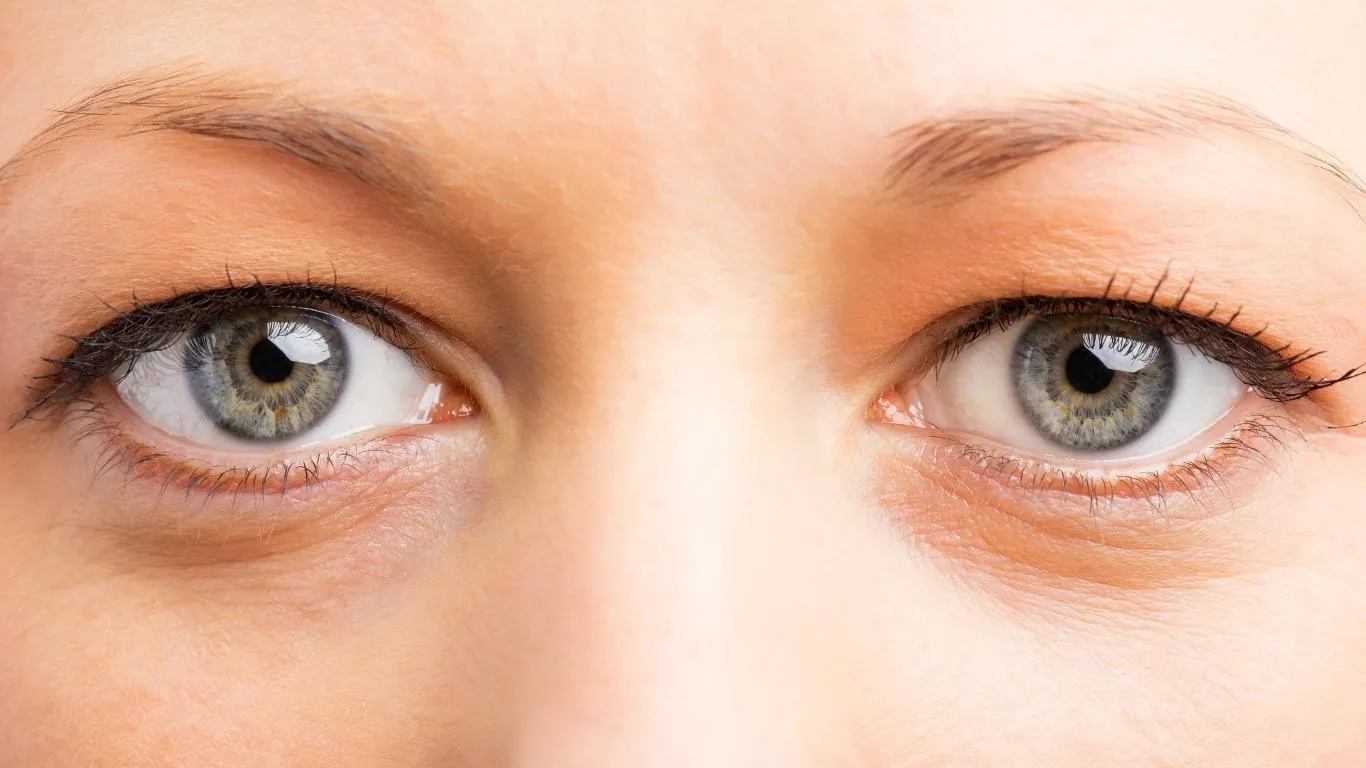
Floaters, those tiny squiggles or cobweb-like spots that drift through your field of vision, are typically associated with aging or changes in the vitreous gel in the eye. But when you dig deeper, there’s a surprising link between your blood sugar levels and your vision clarity.
In a hypoglycemic state, your body lacks the glucose necessary to fuel the brain and eye tissues. This metabolic stress can lead to temporary visual disturbances. While not the *direct* cause of floaters like a torn retina might be, low blood sugar can certainly amplify your perception of existing floaters or bring about symptoms that feel strikingly similar.
What Happens to the Eyes During Hypoglycemia?
When your glucose drops too low, several things can happen in the visual system:
- Ocular fatigue: The eyes may strain harder to focus, making floaters more noticeable.
- Vitreous contraction: Sudden blood sugar changes might affect the hydration and viscosity of the vitreous body.
- Reduced circulation: Less fuel to the retina can cause flickering or blurred vision, often mistaken for floaters.
For those dealing with diabetes or reactive hypoglycemia, floaters after a sugar dip can be especially persistent. I’ve personally found that skipping meals, especially after intense cardio, can instantly lead to that “dust in my eye” sensation.
Who’s at Risk of Floaters from Low Blood Sugar?
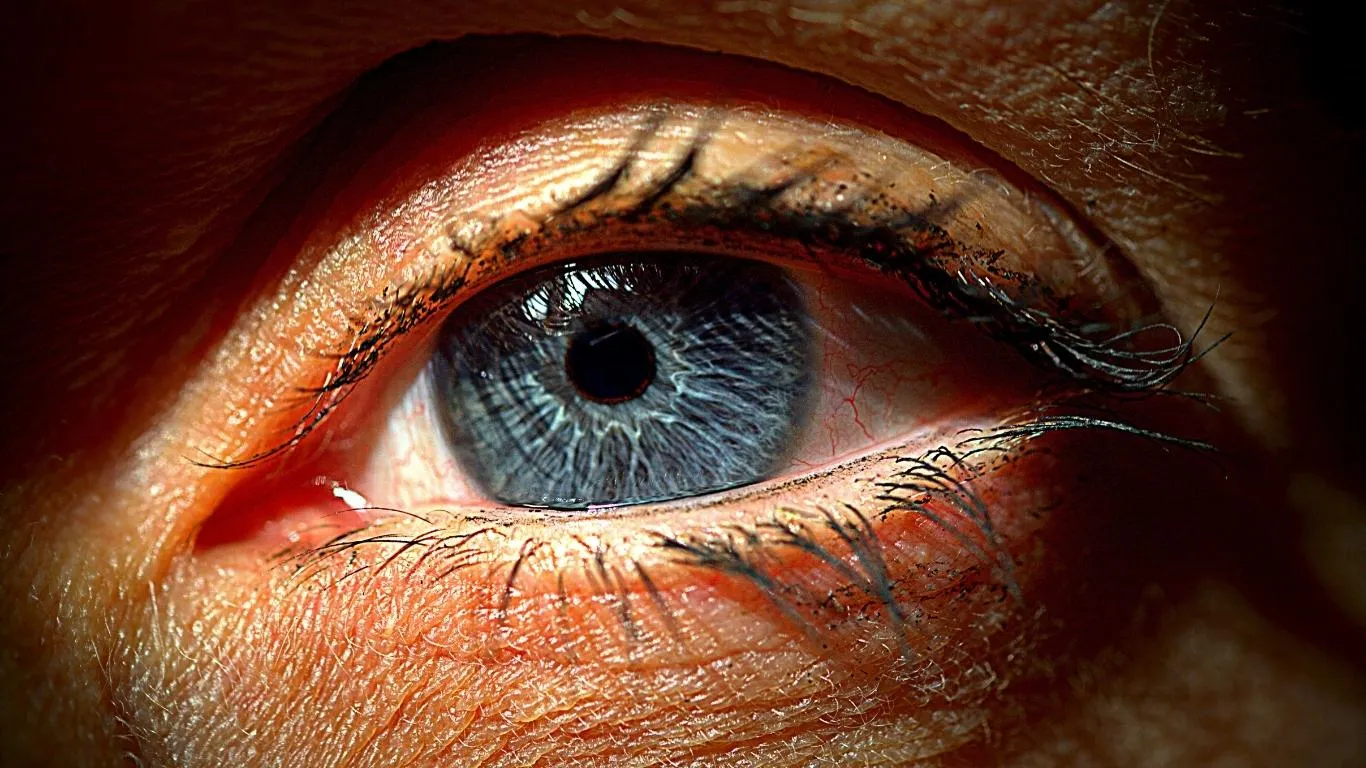
If you’ve ever experienced a dizzy spell or blurry vision after skipping lunch, this might sound familiar. But certain groups are more prone to experiencing floaters linked with blood sugar imbalances:
- Type 1 & Type 2 Diabetics: Blood sugar swings are a daily challenge, and prolonged poor glucose control can affect the eyes.
- Fitness enthusiasts on restrictive diets: Low-carb or fasting-focused plans can lead to dips in glucose, especially if combined with intense workouts.
- People with reactive hypoglycemia: Sudden drops post-meal can surprise the system and disrupt eye function temporarily.
Even if you’re healthy, skipping meals or running on caffeine alone can tip your balance enough to make floaters show up.
How Blood Sugar Fluctuations Affect the Vitreous

The vitreous is a jelly-like substance that fills most of your eye. As you age, or due to oxidative stress, this gel starts to shrink and pull away from the retina—a common cause of floaters. But here’s where low blood sugar comes in: blood glucose fluctuations may affect the hydration of the vitreous.
When your glucose drops, your body goes into preservation mode. Electrolyte imbalances, dehydration, and metabolic stress can slightly change the consistency of the vitreous, making existing floaters appear more prominent or triggering new ones to form.
In some cases, poor glucose control has been linked to early-onset vitreous abnormalities. While not as extreme as a full-blown diabetic eye disease, the subtle disruptions are enough to impact how clearly we see.
Other Visual Symptoms of Low Blood Sugar
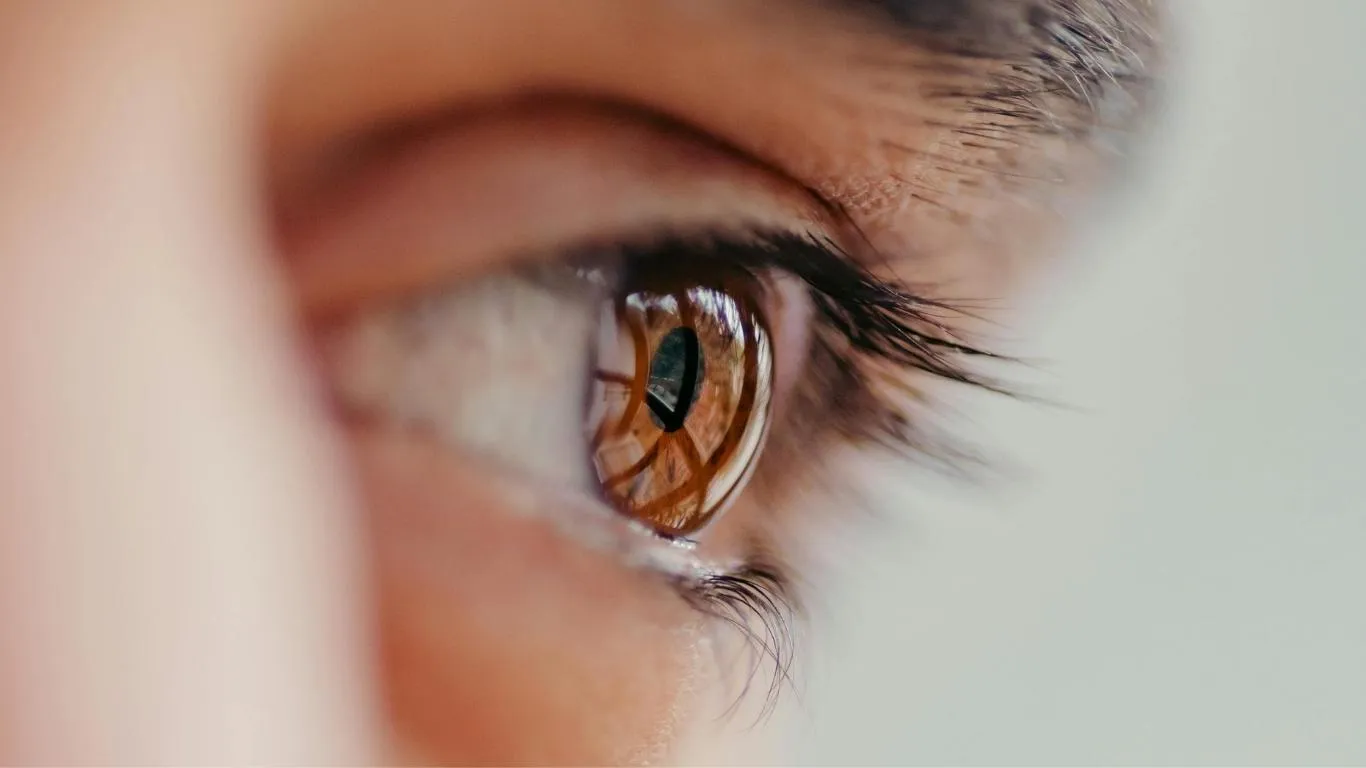
Not everything you see during a hypoglycemic episode is a floater. Some symptoms just mimic them:
- Blurred vision
- Double vision
- Visual flickers
- Light sensitivity
If you’re seeing shadows or shapes that disappear when you blink or refocus, it’s worth considering whether your glucose level is the culprit. But if those spots stay and move with your eye, you may want to explore how to distinguish floaters from other eye issues.
How I Noticed the Pattern
This one’s personal. I used to chalk up my “visual noise” to screen time—hours of editing, writing, and binging Netflix. But after tracking my floaters with a simple food-and-vision journal, I realized they spiked after I skipped breakfast or ate something too sugary without protein. Every. Single. Time.
It wasn’t just coincidence. And when I started keeping my blood sugar stable with a few practical tweaks, my episodes reduced drastically. More on that in Part 2.
Quick Tips That Helped Me
- Never skip breakfast—especially protein-based meals
- Kept almonds or a protein bar in my bag at all times
- Cut back on sugary drinks that lead to a crash
- Hydration was a game changer—dehydration makes floaters worse
If you’re battling persistent floaters, especially during blood sugar drops, you might want to read more on the common causes of floaters and how to tell if yours need medical attention.
For a deeper dive into all causes, symptoms, and long-term management strategies, check out our main eye floaters guide here.
#LNF

Camellia Wulansari is a dedicated Medical Assistant at a local clinic and a passionate health writer at Healthusias.com. With years of hands-on experience in patient care and a deep interest in preventive medicine, she bridges the gap between clinical knowledge and accessible health information. Camellia specializes in writing about digestive health, chronic conditions like GERD and hypertension, respiratory issues, and autoimmune diseases, aiming to empower readers with practical, easy-to-understand insights. When she’s not assisting patients or writing, you’ll find her enjoying quiet mornings with coffee and a medical journal in hand—or jamming to her favorite metal band, Lamb of God.