
Why Cervical Retraction Relieves Thoracic Pressure Fast
You know, for the longest time, I thought my upper back tightness was just “part of life” — another consequence of hours at the desk, slouching on the couch, or looking down at my phone way too much. But everything shifted when a physical therapist introduced me to something called cervical retraction. It’s a small, subtle movement — but wow, it’s a game changer. Especially when it comes to thoracic unloading — easing that annoying pressure and stiffness in the middle and upper back. If you’re someone who feels like their back’s always “loaded” with invisible weight, keep reading.
What Exactly Is Cervical Retraction?

Imagine gently pulling your chin straight back — not down, not up, just back — as if trying to make a double chin (yes, it looks a bit silly at first). That’s cervical retraction. It’s a movement that aligns the head over the shoulders, reducing excessive strain on the neck and upper spine.
Why does this matter? Because most of us spend our days with our heads way too far forward. Think texting, typing, driving — all of it contributes to what’s called “forward head posture.” And that posture? It compresses the thoracic spine like crazy. Cervical retraction undoes that.
More importantly, cervical retraction isn’t just about neck posture. It’s a legit strategy to unload the thoracic spine — meaning less pressure, less fatigue, less pain between those shoulder blades that always feel glued together.
How Forward Head Posture Wrecks Thoracic Mechanics

Ever heard of “tech neck”? It’s not just a buzzword — it’s a literal shift in spinal mechanics caused by our modern lifestyles. When your head sits forward, your upper back (thoracic spine) compensates by rounding, which stacks unnecessary pressure on your ribs, shoulders, and mid-spine joints.
Here’s what typically happens:
- Thoracic extensors get overstretched and weak
- Anterior chest muscles tighten
- Scapulae wing out or freeze up
- Breathing gets shallow
This domino effect can make thoracic pain chronic, even resistant to common treatments like massage or stretching. But once I incorporated intentional cervical retraction into my routine, the mid-back tightness began to release — and my posture finally started correcting itself from the top down.
There’s actually solid research showing that improving cervical positioning can significantly reduce strain in the thoracic region, even when thoracic pain is the primary complaint.
The Thoracic Unloading You Didn’t Know You Needed

Let’s be honest, most people don’t walk into physical therapy asking for thoracic unloading. They say things like “My back is killing me,” or “I can’t breathe fully anymore,” or “I’ve got this nagging pressure behind my shoulder blades.” That’s your thoracic spine crying for help.
When you realign the cervical spine — even by a few millimeters — it dramatically shifts the force load off your thoracic vertebrae. Think of it like realigning a stack of blocks; if the top block is off, the rest are forced to compensate. Cervical retraction puts that top block back in place.
My Go-To Micro Adjustments for Instant Relief
- Desk check-ins: Every 30 minutes, I pull my chin straight back and hold for 5 seconds.
- Driving posture reset: Rear-view mirror slightly adjusted to encourage upright neck position.
- Pillow audits: Swapped high fluffy pillow for a thinner one with cervical support.
These tiny tweaks changed my day-to-day comfort level more than any foam rolling session ever did. And if you’re curious about related back pain triggers, check out this helpful breakdown on how poor posture can lead to chronic back pain.
When Thoracic Pressure Builds Into Something Worse

Ignoring thoracic strain can escalate things. I’ve had clients report symptoms that started with tight upper back muscles and evolved into:
- Recurring shoulder impingements
- Tension headaches
- Breathing issues during exercise
- Even referred pain that mimics sciatica
Thoracic unloading through cervical retraction isn’t just about pain relief — it’s about reclaiming spinal efficiency. And it starts by understanding how posture from the top of the spine controls what happens below.
Other Overlooked Contributors You Should Know
Want to dive deeper into the anatomy behind this? Here’s a detailed resource on back pain types and anatomy that helped me connect the dots when I was still figuring out where all this pain was really coming from.
Simple Cervical Retraction Exercises to Get Started

You don’t need a gym, equipment, or even a yoga mat to get started. These simple movements are subtle but powerful:
- Chin tucks against a wall: Stand with your back flat against the wall and slowly glide your head backward until it touches. Hold 5–10 seconds.
- Seated retraction drills: While sitting upright, pull your chin back and lengthen the back of your neck. Hold, breathe, repeat.
- Paired with thoracic extensions: Combine with slight backward bends over a foam roller or rolled towel for extra relief.
These were a lifesaver for me during long workdays. And if you’re someone who sits a lot, you’ll want to check out why back pain from prolonged sitting is more dangerous than it seems.
There’s also an excellent overview of holistic ways to manage posture-driven pain through exercise, rehab, and ergonomics — definitely worth diving into if you’re serious about long-term spinal health.
And if you’re looking to explore broader topics on back pain relief and understanding root causes, the main back pain pillar page is an incredible hub of trusted information.
Why Thoracic Unloading Is Often Missed in Treatment

Most people (and honestly, even some professionals) get so focused on where the pain is that they ignore where it starts. I’ve been to clinics where the therapist immediately targets the thoracic spine with massage or dry needling. Feels great — for about 20 minutes. But if that forward head carriage isn’t corrected, the pressure just builds up again.
Here’s the thing — thoracic unloading is subtle. It’s not flashy. It doesn’t come with the same dramatic pop as a chiropractic crack. But it works long-term. It’s the quiet hero of spine relief that actually addresses load distribution, not just muscle tightness.
If your treatment plan skips cervical posture retraining, you’re only getting half the solution. And honestly? That’s probably why your symptoms keep creeping back after every massage or adjustment.
The Neurological Side You Shouldn’t Ignore
Here’s something wild: forward head posture doesn’t just mess with your joints. It messes with your nervous system. When the cervical spine is misaligned, it creates chronic tension in the suboccipital muscles — those tiny guys at the base of your skull. That affects blood flow, nerve signaling, even your sense of balance.
In fact, studies from PubMed suggest that cervical alignment directly influences thoracic nerve function — especially in individuals with upper back pain that seems “unexplained.” It’s not unexplained. It’s just not being traced upstream.
So when someone experiences mysterious upper back fatigue, numbness, or pressure that radiates without clear injury, it’s worth digging into nerve root involvement or fascial tension stemming from cervical misalignment.
Postural Reeducation: It’s Not About Sitting Up Straight

Let me just say it: “sit up straight” is garbage advice. What most people do when they hear that is arch their low back, raise their chest, and pull their shoulders back unnaturally. That’s not neutral. That’s military posture. And it increases thoracic compression.
What helped me (and my clients) was learning what stacked posture really means. It’s where:
- Your ears align with your shoulders (via cervical retraction)
- Your ribcage sits gently over the pelvis — not flaring forward
- Your shoulder blades slide naturally with breath, not braced like armor
Once the neck retracts, the rest can follow. That’s why cervical retraction is often the first domino in full-body postural change. It’s subtle, but it creates space in the thoracic spine — which means better breathing, better circulation, and way less tension.
If you’re feeling compressed mid-back when standing too long, it might be worth exploring if your pelvis or lower back is also out of sync.
Breath + Retraction = Magic for Thoracic Release

Here’s something I didn’t realize until way later: your breathing is directly connected to your thoracic spine. When your head is forward and your upper back is rounded, your ribs can’t expand laterally. You end up breathing with your shoulders, not your diaphragm. And that creates a low-key panic in your system — all day long.
Pairing cervical retraction with deep diaphragmatic breathing is like unlocking a back door to thoracic decompression. I’ll sometimes sit quietly, retract my head slightly, close my eyes, and just breathe. Within five minutes, the pressure between my shoulder blades loosens up. No equipment. Just awareness and air.
Try This Combo Drill (I Use It Daily):
- Seated or standing, retract your chin gently
- Inhale through the nose, expanding ribs laterally
- Hold the breath for 3 seconds while maintaining retraction
- Exhale slowly through the mouth, letting shoulders drop
- Repeat for 5–7 rounds
This one drill has helped me more than any expensive gadget or passive therapy ever could.
When to Level Up to Guided Support
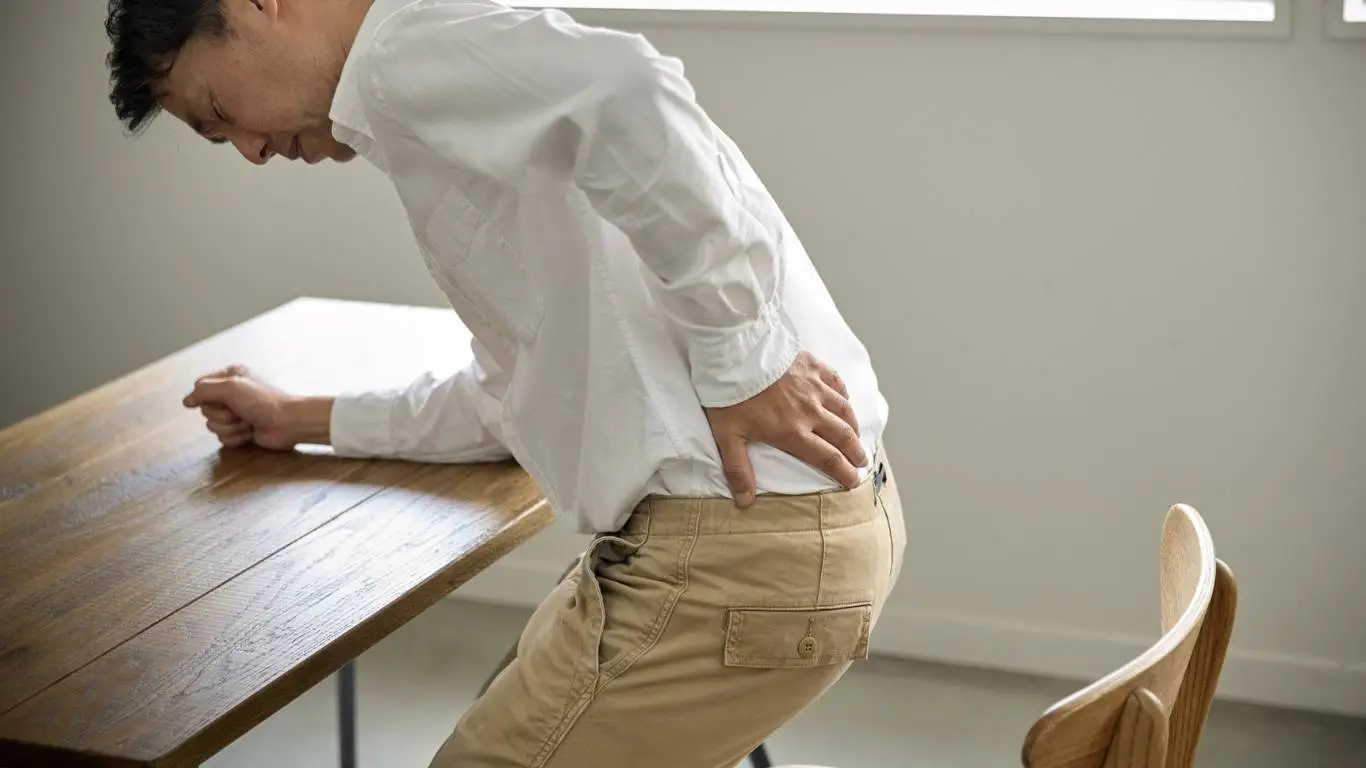
Now, if you’re trying cervical retraction and still experiencing severe thoracic pressure or tingling in your arms or upper chest, it might be time to seek personalized help. I always recommend starting with a PT who specializes in spinal mechanics — someone who understands that the neck and thoracic spine are a system, not separate problems.
In cases where things like facet joint dysfunction or scapular instability are in play, guided rehab may include things like biofeedback, scapular motor control drills, or neuromuscular retraining.
Also worth considering: cervical alignment can sometimes affect balance and proprioception. If you’ve been dealing with dizziness or visual strain, it could tie back to your spine. Yes, seriously.
Tools That Help (But Don’t Replace the Work)

There are a few tools I’ve come to love — not as fixes, but as supportive reminders:
- Cervical nodding pillows: Encourage gentle neck alignment during rest
- Wall mirrors: Visual feedback for neck positioning while working
- Ergonomic monitor risers: Keeps your eyes level and head neutral
I’ll also throw in the occasional use of foam rollers for thoracic mobility, but it only works long-term if your cervical posture supports it.
And if you’re in an office job, you’ll want to read about ergonomic seating strategies — because no posture cue works if your chair fights you all day.
Where to Go From Here

The best part of this journey? It’s doable. You don’t need fancy gear, surgery, or even hours of time. Just a few moments a day to reconnect with your spine and remember how your body was designed to move.
Explore more on natural back pain relief methods if you’re looking to layer in other gentle, effective solutions.
And don’t miss the full guide on back pain causes, symptoms, and personalized strategies — it’s the most complete resource I’ve found that actually helps you understand your back from a whole-body perspective.

Camellia Wulansari is a dedicated Medical Assistant at a local clinic and a passionate health writer at Healthusias.com. With years of hands-on experience in patient care and a deep interest in preventive medicine, she bridges the gap between clinical knowledge and accessible health information. Camellia specializes in writing about digestive health, chronic conditions like GERD and hypertension, respiratory issues, and autoimmune diseases, aiming to empower readers with practical, easy-to-understand insights. When she’s not assisting patients or writing, you’ll find her enjoying quiet mornings with coffee and a medical journal in hand—or jamming to her favorite metal band, Lamb of God.