
Cervical Spine Stiffness Can Worsen Back Strain Over Time
If you’ve ever rolled your shoulders after a long day, only to realize your upper back still feels like it’s carrying bricks, you’re not alone. I first noticed something wasn’t right when even simple things—like looking over my shoulder while driving—started to feel tight and uncomfortable. What I dismissed as bad posture or “just getting older” turned out to be something more specific: cervical spine stiffness. It creeps in quietly, but before you know it, it’s throwing off your entire back. If you’ve felt that persistent upper tension or an annoying strain traveling down your back, it might be time to look a little closer at what your neck is really doing.
How Cervical Spine Stiffness Develops and Why It Matters

The cervical spine—those seven small vertebrae at the top of your spinal column—might seem minor in size, but they’re responsible for a huge range of motion. And when stiffness sets in, the effects ripple down. It’s not just a “neck issue.” This stiffness can cause compensations in the thoracic and even lumbar spine, leading to chronic strain between the shoulder blades and lower back fatigue over time.
Why Is the Cervical Spine Prone to Stiffness?
Modern lifestyle is a big culprit. Think about how often your head is tilted forward—looking at your phone, laptop, or even when slouched on the couch. This forward head posture puts ongoing tension on the cervical muscles and joints, limiting their mobility. Over time, the neck becomes less adaptable, and stiffness sets in.
- Poor posture habits from screen time and desk work
- Inadequate movement—we rarely rotate or stretch the neck throughout the day
- Previous injuries like whiplash or sports trauma
- Stress and anxiety—they show up physically as tension in the neck and shoulders
Eventually, your thoracic spine starts overcompensating. That’s when I noticed my upper back was constantly tight, especially after driving or working long hours.
The Chain Reaction: From Neck Stiffness to Back Strain
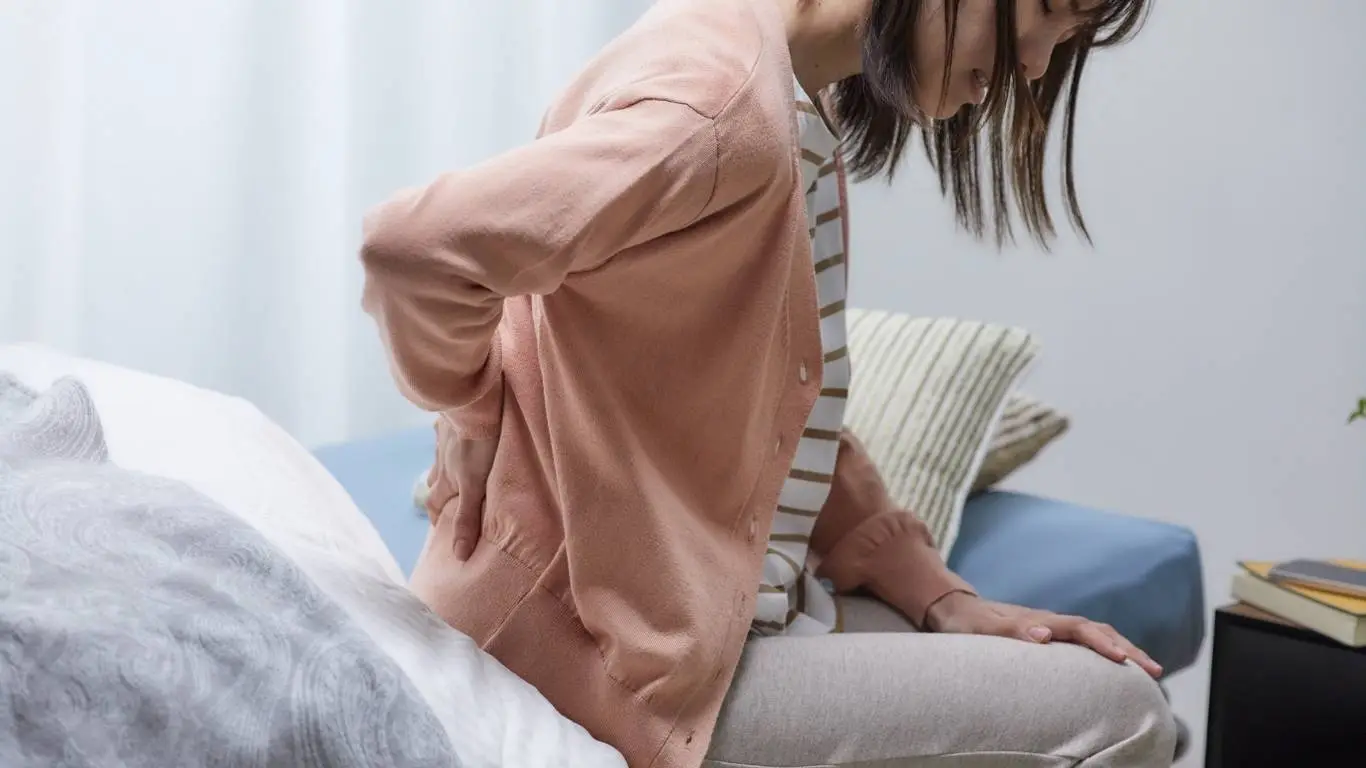
The human body is great at adapting—but not always in a good way. When the cervical spine loses flexibility, it forces nearby areas to pick up the slack. Your shoulder blades tighten. Your thoracic spine starts to lock. Eventually, your lumbar spine might begin to ache due to the altered posture.
Key Signs That Your Neck Is Hurting Your Back
- Persistent upper back tightness even after stretching
- Mid-back pain that flares up after long sitting or standing
- Reduced head-turning ability—difficulty looking over your shoulder
- Frequent headaches or tension behind the eyes
- One-sided shoulder or scapular tightness
If any of these symptoms sound familiar, you’re probably dealing with a compensatory strain pattern rooted in cervical stiffness. This is one reason middle back pain is often misdiagnosed—it’s not always the middle back’s fault. Learn more about red flags for middle back discomfort if your symptoms are unusual or worsening.
Breaking the Cycle: How to Loosen the Cervical Spine Naturally

Improving cervical mobility doesn’t mean hours of stretching or painful cracking. A few consistent practices can go a long way. I started with just five minutes in the morning and evening, and it made a world of difference.
Simple Daily Movements That Help
- Chin tucks (gentle): Slide your head back without tilting up or down to reset posture
- Neck rotations: Slowly turn your head side to side, pausing at the edge
- Side bends: Ear to shoulder—keep your shoulders relaxed
- Upper trapezius and levator scapulae stretches: Focused relief for muscle tightness
Be sure to incorporate yoga for back and neck flexibility when you have more time—it’s incredibly effective for unlocking long-standing tension.
Desk Hacks to Prevent Daily Stiffness
Most of the tension comes from what we do all day, not just what we forget to stretch. Here are a few things I started doing at work:
- Raising my monitor to eye level to stop craning my neck
- Using a standing desk periodically
- Setting hourly reminders to do neck rolls
- Switching to an ergonomic chair with lumbar support
When It’s More Than Just Stiffness

If you’re trying everything and still feel like your neck is cement, it might be time to dig deeper. Cervical disc degeneration, nerve compression, or postural syndromes like upper crossed syndrome could be in play. Getting evaluated by a physical therapist or spine specialist helps rule out structural problems.
Some cases of stiffness progress into more severe patterns, like spondylolisthesis or spinal instability. These conditions need more targeted interventions, often combining rehab and posture correction with lifestyle changes.
Next Steps and Resources

Understanding the root cause is the first step. And when that cause starts at the top of your spine, working from the neck downward can change everything. I learned this the hard way—after chasing mid-back pain treatments for months, the real fix came from restoring cervical movement and retraining my daily habits.
To dive deeper into holistic treatments for cervical-related back pain, visit our Exercise, Rehab & Ergonomics Pillar and explore the broader Back Pain Guide to understand the full body connection. You’ll find expert-backed info that goes beyond generic tips and into what actually works.
For more in-depth insights, check trusted sources like Mayo Clinic, Spine-health, and NCBI for current research on cervical mobility and musculoskeletal health.
Real-Life Cervical Stiffness Cases and What We Can Learn

One of my clients—let’s call her Sarah—came in complaining of dull mid-back pain that just wouldn’t quit. She thought it was from her desk chair or maybe her mattress. Turns out, her cervical spine barely moved. Her neck had locked up so subtly over the years that she didn’t even notice she’d stopped turning her head when backing out of a parking space. Within three weeks of daily cervical mobility drills and posture correction, her mid-back pain began to disappear.
Another story? Me. I’ve been that person who cracks their neck to feel better, not realizing I was making it worse. Once I stopped forcing it and started retraining natural mobility with mindful movement, I could actually sit longer without that awful shoulder blade burn creeping in.
Lessons from Real Experiences
- Neck stiffness rarely hurts “just the neck.” It’s a system-wide disruptor.
- Staying still is the enemy. Motion—even gentle—is medicine for stiff spines.
- Quick fixes like massages or cracking can be helpful, but only when paired with mobility work.
- Mindful posture beats forced straightness. No need to walk like a robot to feel aligned.
These cases aren’t outliers. If your mid-back tension or lumbar pain has been nagging for months with no clear reason, don’t overlook your neck as the hidden culprit.
Exercises That Truly Work (and What to Avoid)
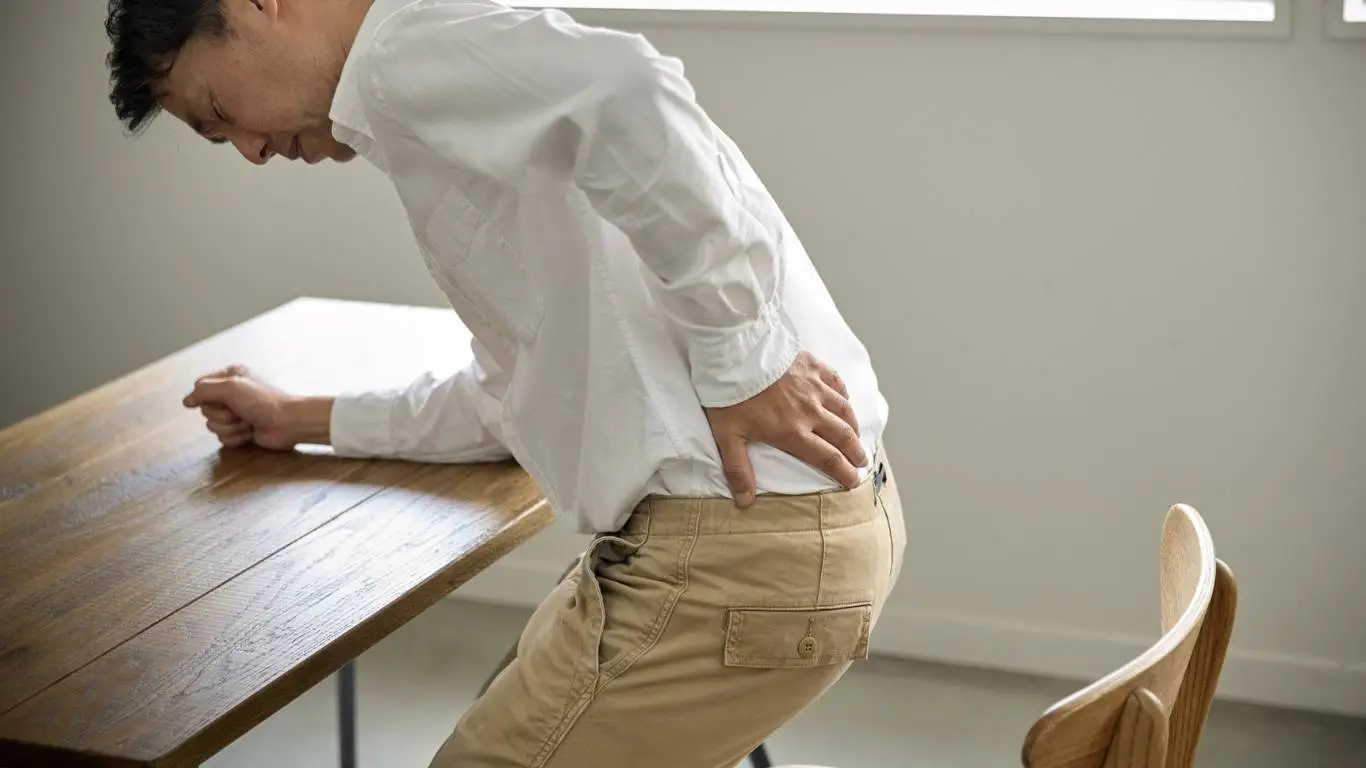
I’ve tested a lot of routines—some made things worse, some were total game-changers. Here’s what’s consistently worked for both myself and my clients:
Best Movements for Cervical Stiffness Relief
- Wall neck glides: Stand with your back to the wall and gently glide your head back and forth. Feels weird at first—works like magic over time.
- Thread the needle: Opens up thoracic mobility which feeds into neck freedom.
- Neck isometrics: Gentle resistance in all directions helps strengthen and support better posture.
- Cat-Cow flows with chin tucks: Promotes fluid spine motion from cervical to lumbar.
Movements to Be Careful With
- Forced neck rolls (especially fast ones)—can aggravate joints and compress nerves
- Neck bridges or extreme backbends—not necessary for mobility and often harmful
- Heavy overhead lifts during stiffness flare-ups—can drive compensation into your lower back
Consistency is more important than intensity. Gentle daily movement—done right—trumps aggressive workouts. For those who want a more structured plan, our Conservative Treatments guide goes deep into non-invasive options that work long-term.
How Ergonomics and Habits Play a Bigger Role Than We Think

When my stiffness was at its worst, I blamed my workouts. But honestly? It wasn’t the gym—it was how I sat for 8 hours. Ergonomics isn’t just corporate speak. Your workspace might be sabotaging your spine.
Small Adjustments, Big Wins
- Raise your screen to eye level—neck should stay neutral
- Keep feet flat on the ground or footrest
- Adjust your chair so hips are slightly higher than knees
- Use lumbar and cervical support—rolled-up towels work in a pinch
I’ve personally had great results with standing desks, but only when I mix sitting and standing throughout the day. Going full-standing without breaks can actually make things worse. For more ergonomic insights, this chair guide breaks down what truly matters in spinal support.
When to Seek Help—and What Kind

DIY is powerful—but only to a point. If your symptoms include nerve pain, weakness, numbness, or worsening function, it’s time to consult a spine professional. MRI scans or a physical therapist’s assessment can reveal underlying issues like disc herniation or nerve impingement.
MRIs often reveal what posture hides, especially if your neck looks fine on the outside but feels locked up inside. And if nerves are involved, targeted therapy like nerve conduction studies or epidural options might be part of the solution.
In more stubborn cases, treatments like chiropractic adjustments, acupuncture, or even radiofrequency ablation may help reset the system when conservative methods plateau.
Supporting Cervical and Back Health Long-Term

The goal isn’t perfect posture or a totally pain-free back (though that’s great when it happens). The goal is resilience—having a spine that moves freely, recovers quickly, and doesn’t punish you for living your life.
My Daily Routine That Keeps Stiffness Away
- 5-minute mobility in the morning—mostly chin tucks and scapular slides
- Midday walk or movement snack
- Evening yoga flow—light, nothing fancy
- Ergonomic tweaks and standing breaks
- Limit doom-scrolling with head tilted down (still working on this one!)
And if I slack off? I feel it in a day. That’s how tightly my back and neck are linked. But with practice, it’s easy to catch early signs and adjust before things spiral.
For a full breakdown on daily habits that support spinal health naturally, visit our comprehensive Lifestyle & Natural Remedies Pillar and explore other insights from our core Back Pain hub.
Additional expert resources are available at Cleveland Clinic, Johns Hopkins Medicine, and NINDS for more advanced cervical spine management.

Camellia Wulansari is a dedicated Medical Assistant at a local clinic and a passionate health writer at Healthusias.com. With years of hands-on experience in patient care and a deep interest in preventive medicine, she bridges the gap between clinical knowledge and accessible health information. Camellia specializes in writing about digestive health, chronic conditions like GERD and hypertension, respiratory issues, and autoimmune diseases, aiming to empower readers with practical, easy-to-understand insights. When she’s not assisting patients or writing, you’ll find her enjoying quiet mornings with coffee and a medical journal in hand—or jamming to her favorite metal band, Lamb of God.