Common Myths About Treating Floaters That May Harm Your Vision
When I first started seeing little squiggly shadows dart across my vision, I’ll be honest—I panicked. I had no idea what eye floaters were, let alone what caused them. But what really shocked me was how many myths are floating (no pun intended) around about how to treat them. And trust me, I’ve tried more than a few “miracle” solutions that left my wallet lighter and my vision unchanged. So if you’re here trying to separate fact from fiction, especially about the *common myths about treating floaters*, you’re in the right place.
Myth #1: Eye Floaters Can Be Flushed Out by Drinking More Water
This one gets thrown around a lot—and I fell for it, too. The idea is that because our bodies are mostly water, increasing fluid intake will somehow “cleanse” the floaters from your eyes. Sounds logical, right?
But here’s the reality: eye floaters are caused by changes in the *vitreous humor*—a gel-like substance inside your eye. Drinking water doesn’t reach or affect this part of your eye in a meaningful way. Hydration is great for overall health, sure, but it won’t dissolve floaters. There’s no internal eye “rinse” button, no matter how much water you guzzle.
Instead of chasing hydration myths, understanding what really impacts floaters—like aging or trauma to the eye—is more productive. One of the best comprehensive breakdowns on what actually causes floaters is worth your time.
Myth #2: Eye Drops Can Make Floaters Disappear
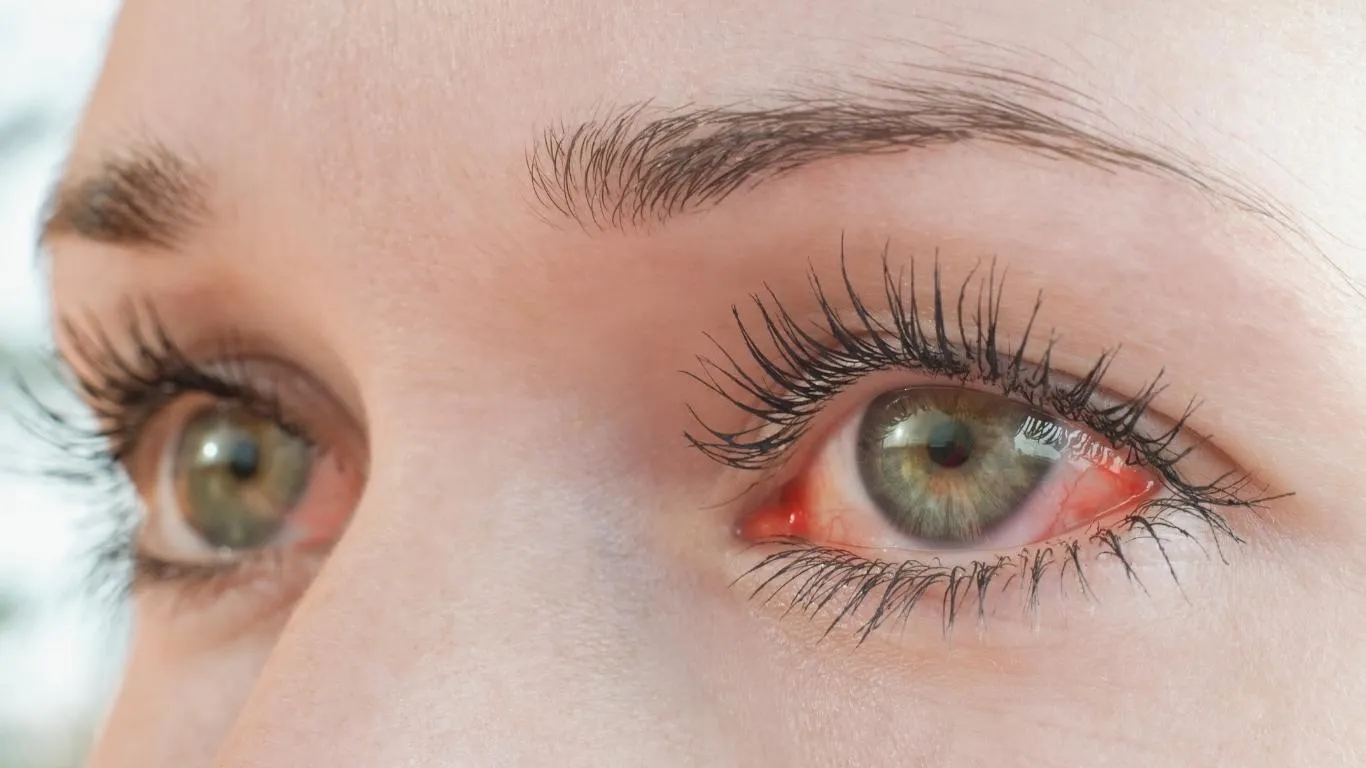
Eye drops seem like an easy fix, right? They’re great for dryness or allergies, so why not floaters? Unfortunately, that’s not how floaters work.
Floaters don’t float *on* your eye—they float *inside* your eye. That makes topical solutions like drops completely ineffective. I wasted a good month trying different “vitreous support drops” some influencer swore by. Zero results.
Some over-the-counter drops may help if your floaters are worsened by dry eyes or eye strain, but they won’t reduce the floaters themselves. This is one of those myths that’s been around for ages, and even some well-meaning eye care practitioners have offered misleading advice on this.
And it turns out, certain medications—including steroid eye drops—can even contribute to floaters in some individuals. So always ask your ophthalmologist before experimenting.
Myth #3: You Can Blink Them Away
This one drove me nuts. I’d sit there blinking like crazy, thinking maybe, just maybe, that next blink would “clear the screen.” But floaters don’t work like specks on your glasses or surface irritation. Since they’re embedded in the vitreous, blinking doesn’t move them.
In fact, excessive blinking can strain your eyes, especially if you’re doing it on purpose for relief. It may even make floaters feel more noticeable.
And here’s an interesting connection—if your floaters worsen after screen time, you’re not alone. There’s a great resource on floaters and screen time that breaks this down.
Myth #4: Only Surgery Can Fix Floaters
Now here’s a myth with a kernel of truth. Yes, surgery—specifically *vitrectomy*—can eliminate floaters. But it’s not always the go-to solution, and in many cases, it shouldn’t be.
Vitrectomy is invasive and comes with risks like retinal detachment, cataracts, or infection. I actually considered it at one point, and I’m glad my retina specialist talked me out of rushing into it. He explained that floaters, though annoying, often settle or become less noticeable over time. And he pointed me to this helpful read: eye floater treatment options that don’t immediately jump to surgery.
There’s also another emerging treatment called YAG laser vitreolysis. It’s less invasive than vitrectomy, but still not without risks. More research is being done to determine its long-term safety and effectiveness.
Myth #5: Floaters Are Always Harmless
This one can be dangerous. Yes, in most cases, floaters are benign. But if you suddenly notice a shower of new floaters, flashes of light, or a curtain-like shadow in your vision, that could indicate a *retinal tear* or *detachment*—both of which are medical emergencies.
Sadly, I ignored that “shower” once and waited a few days before seeing my doctor. It turned out to be a posterior vitreous detachment—fortunately not a full retinal tear, but it was close. Ever since, I’ve made it a point to stay informed. You should, too. Start with this excellent breakdown of when floaters are dangerous.
And if you’re over 40 or have conditions like diabetes or high blood pressure, don’t brush off new floaters. They may be your body’s early warning system. Articles like this one highlight why you should never dismiss sudden visual changes.
Myth #6: Natural Supplements Completely Eliminate Floaters
Ah, supplements. I’ve probably spent a small fortune trying “anti-floater” vitamins. Don’t get me wrong—certain nutrients like vitamin C, omega-3s, and lutein support overall eye health. But they won’t erase floaters overnight.
Many of these supplements are more about prevention or slowing degeneration. They’re not magic pills. There’s a fine article about which supplements help and which ones are just hype.
Want credible info backed by both research and expert input? I highly recommend diving into the main pillar article on eye floaters for a full breakdown of causes, symptoms, and treatment routes. You can also explore more about common causes of floaters here.
Don’t let myths cloud your judgment—or your vision. Trust me, navigating floaters becomes a lot easier when you start with facts instead of fantasy.
Myth #7: Eye Exercises Can Make Floaters Disappear
This one’s popular in wellness circles, and I admit—I gave it a shot. There are dozens of YouTube videos claiming that rolling your eyes or doing tracking drills can somehow “reposition” floaters out of your line of sight. While that idea sounds appealing, it’s mostly wishful thinking.
Eye exercises do help improve focus and reduce digital eye strain, but they can’t magically reabsorb or dissolve floaters. What I did notice, however, is that relaxing my eyes and taking frequent breaks made floaters less *annoying*. That’s not a cure, but it’s something.
If you’re curious, this article does a good job of highlighting exercises that may help manage symptoms, not eliminate the floaters themselves.
Myth #8: Avoiding Bright Light Will Prevent Floaters
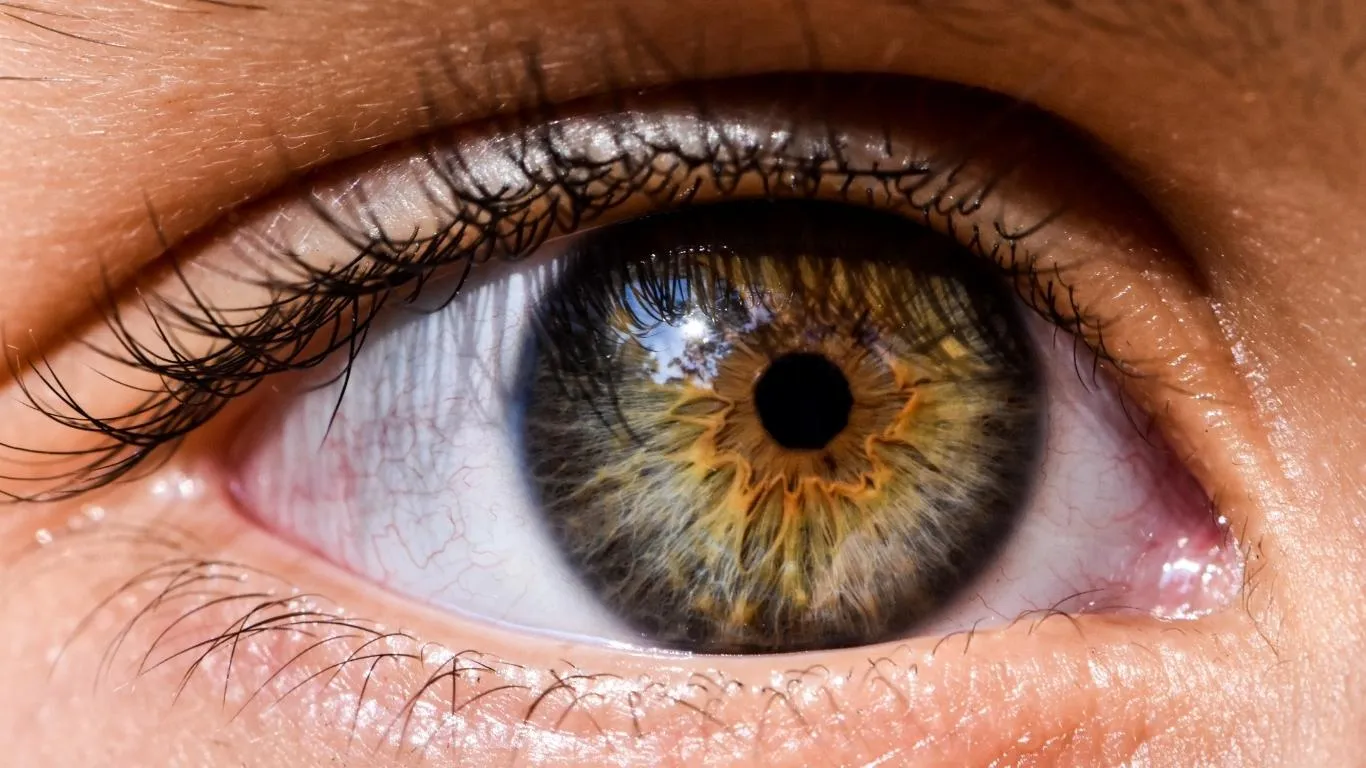
I used to dread walking outside on sunny days. Floaters seemed to pop out like they were dancing on my cornea. It made me think the sun was *causing* more floaters—but that’s not how it works.
Bright backgrounds like the sky or white walls simply make floaters *more visible*. They’re always there; your brain just ignores them when the background is complex or dark. I still wear sunglasses when I go out, but not because I think it’ll cure floaters—just to make them less noticeable.
If you’ve ever felt like floaters get worse outdoors, you’re not imagining things. There’s some great insight on why floaters appear more outside and how to handle it.
Myth #9: If You Ignore Floaters, They’ll Eventually Go Away
While many floaters do fade or become less noticeable over time, that’s not always the case. I had one stubborn dark spot that hovered right in my central vision for months. I kept hoping it would go away on its own—it didn’t.
The tricky part is that every case is different. Some people adapt. Some people develop more floaters. And some, like me, find that certain floaters *persist*. That doesn’t mean it’s hopeless, though.
You may want to track any new floaters over time, especially if they appear suddenly. Here’s a great guide on tracking floaters before they become something more serious.
Myth #10: Any Eye Specialist Can Treat Floaters
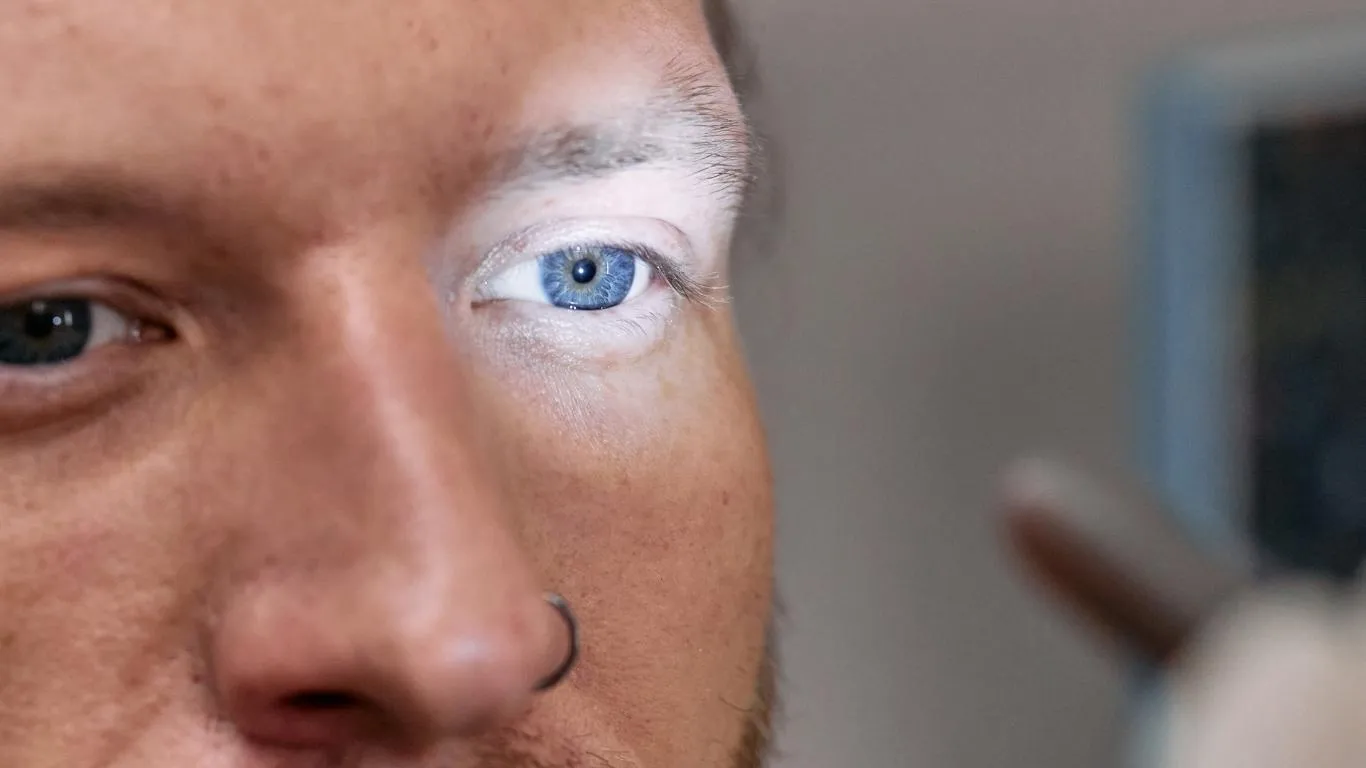
I made the mistake early on of seeing a general optometrist about my floaters. While they gave a basic eye exam, they didn’t have the tools to assess vitreous changes thoroughly. I later learned that I needed to see a retinal specialist or ophthalmologist—especially when symptoms suddenly increased.
Floaters aren’t a one-size-fits-all issue, and not all eye doctors handle them the same way. If you’re seeing new or worsening floaters, especially after surgery or trauma, it’s worth seeking a second opinion from a specialist familiar with post-surgical floater complications.
Myth #11: There’s Nothing You Can Do But Learn to Live With It
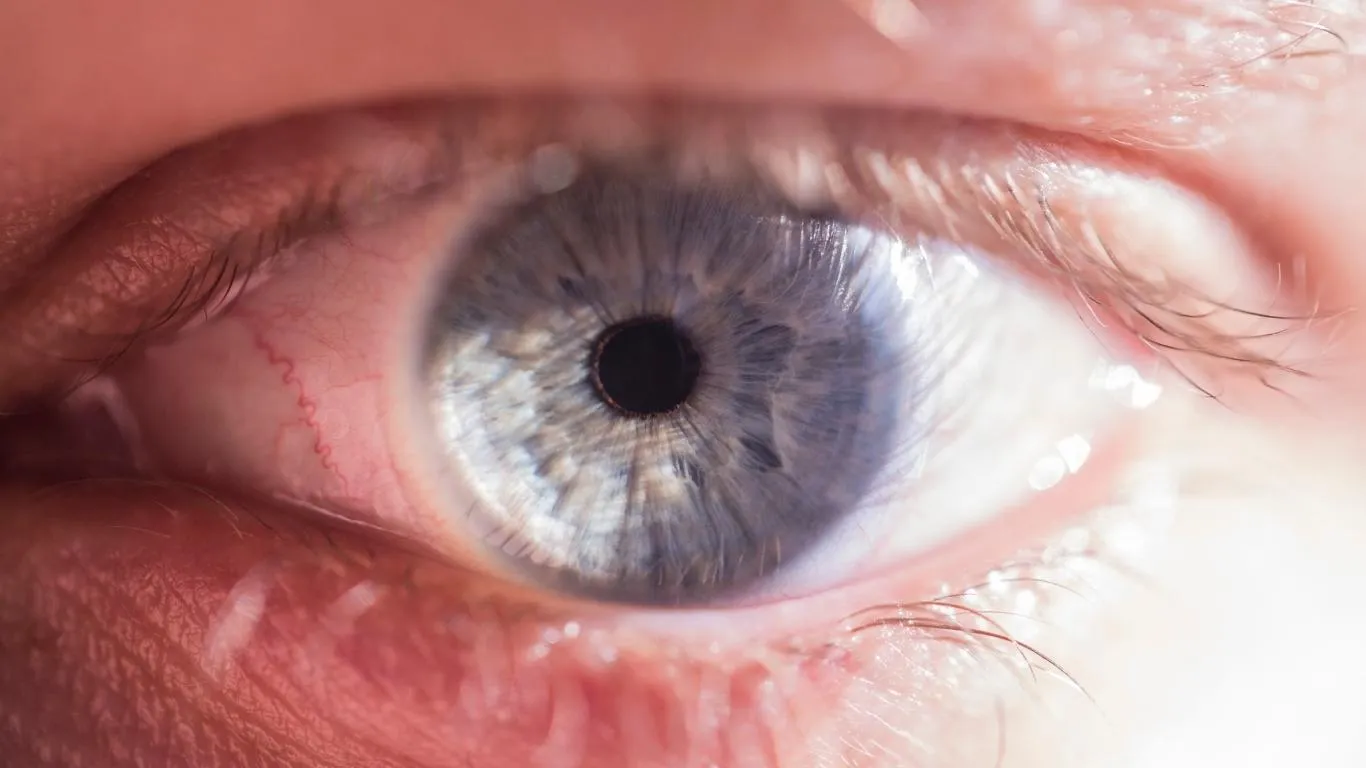
One of the most frustrating things I heard from doctors was, “Just get used to it.” While I get that floaters aren’t always dangerous, being dismissed like that didn’t help. It felt like I was stuck with this fuzzy mess across my vision, and nobody cared.
But I started digging deeper and realized there *are* ways to manage floaters—not all of them perfect, but better than helpless acceptance. Lifestyle adjustments, stress reduction, reducing screen time, and dietary improvements have made a real difference for me. And yes, in rare cases where floaters are unbearable, procedures like laser vitreolysis may be appropriate—under the right guidance.
Here’s a good read that covers the emotional toll and what options actually *do* exist: how persistent floaters affect mental health.
Myth #12: All Floaters Are the Same
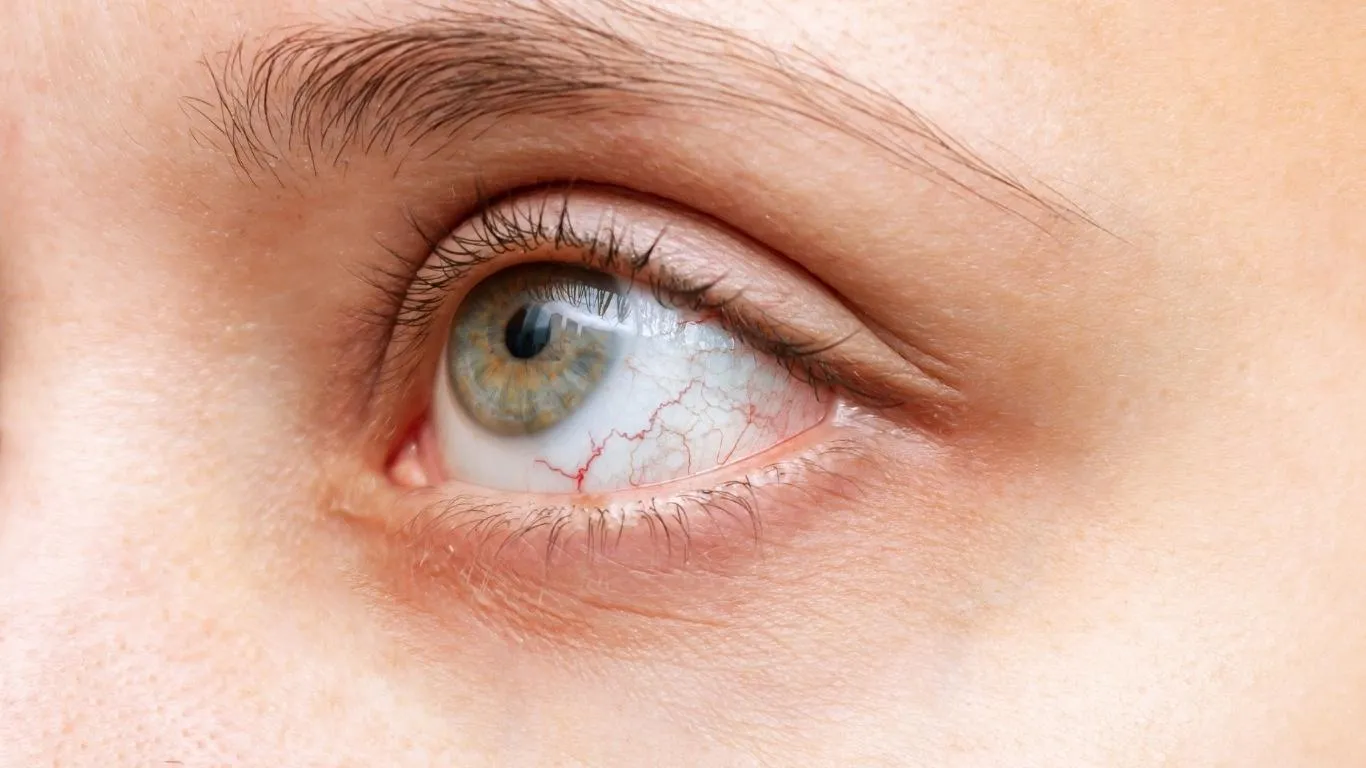
This myth surprised me. I assumed all floaters were caused by the same thing—turns out, they’re not. Floaters can result from aging, inflammation, trauma, eye surgeries, and even systemic health conditions like diabetes or autoimmune disorders.
Understanding what’s *causing* your floaters is key to deciding how to deal with them. Floaters from aging might just be a nuisance. But floaters from something like uveitis could point to a larger issue requiring treatment.
If you’re not sure what triggered yours, start with this useful primer on the most common floater causes.
Myth #13: Surgery is Always the Last Resort

While many doctors avoid surgery unless floaters are severely impairing vision, for some people, surgical treatment *is* the best option—even early on. It all depends on the quality of life impact. I met someone who was a professional photographer and couldn’t afford to have floaters distort their shots—surgery was the right call for them.
It’s not about “last resort.” It’s about informed choice, risk assessment, and quality of life. There’s a smart read on how to weigh floater treatment options that breaks this down really well.
Myth #14: There’s a Universal Cure—It’s Just Not Available Yet
This one’s a bit of a heartbreaker. Many people are hanging onto the belief that there’s a miracle cure just around the corner—some magic eyedrop or injection. And while research is promising, especially into enzymatic vitreolysis and new laser tech, there’s nothing yet proven to be 100% safe, effective, and risk-free.
Hope is great. But so is managing expectations and taking action now with what we do know. We’re getting closer, but we’re not there yet. Until then, stay informed, be proactive, and consult specialists who take your vision concerns seriously.
To keep tabs on everything from research to risk signs, make sure to bookmark the main guide on floaters and the more specific look at available treatments.

Camellia Wulansari is a dedicated Medical Assistant at a local clinic and a passionate health writer at Healthusias.com. With years of hands-on experience in patient care and a deep interest in preventive medicine, she bridges the gap between clinical knowledge and accessible health information. Camellia specializes in writing about digestive health, chronic conditions like GERD and hypertension, respiratory issues, and autoimmune diseases, aiming to empower readers with practical, easy-to-understand insights. When she’s not assisting patients or writing, you’ll find her enjoying quiet mornings with coffee and a medical journal in hand—or jamming to her favorite metal band, Lamb of God.