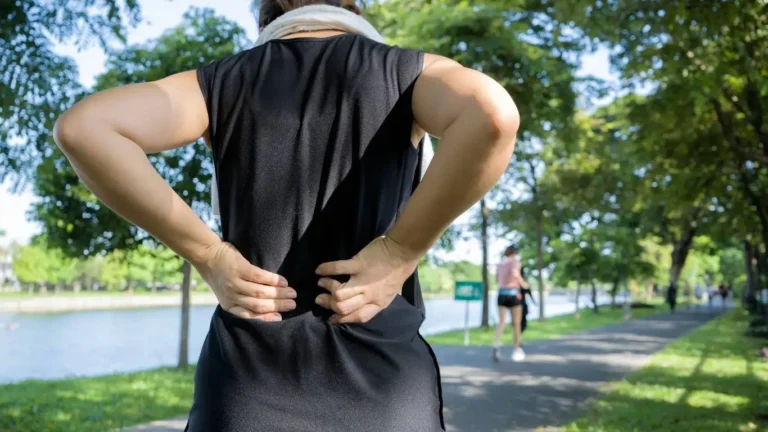
Why Coping With Anxiety When Living Alone Feels Overwhelming
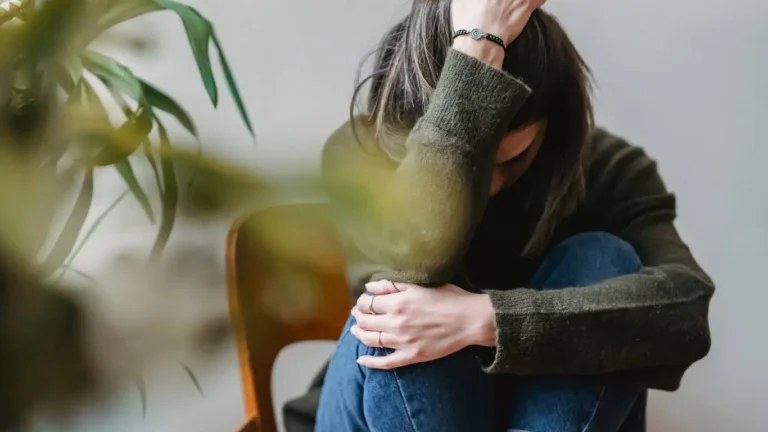
Living alone has its perks — you get to control your space, binge whatever you want on Netflix, and no one judges your midnight cereal run. But if you’re someone who struggles with anxiety, solitude can also feel like both a blessing and a psychological battleground. I remember moving into my own apartment for the first time — the freedom was intoxicating, but so was the quiet. Too quiet. That’s when I learned that coping with anxiety when living alone isn’t just about mindset — it’s about strategy, structure, and self-awareness.
Why Living Alone Can Amplify Anxiety
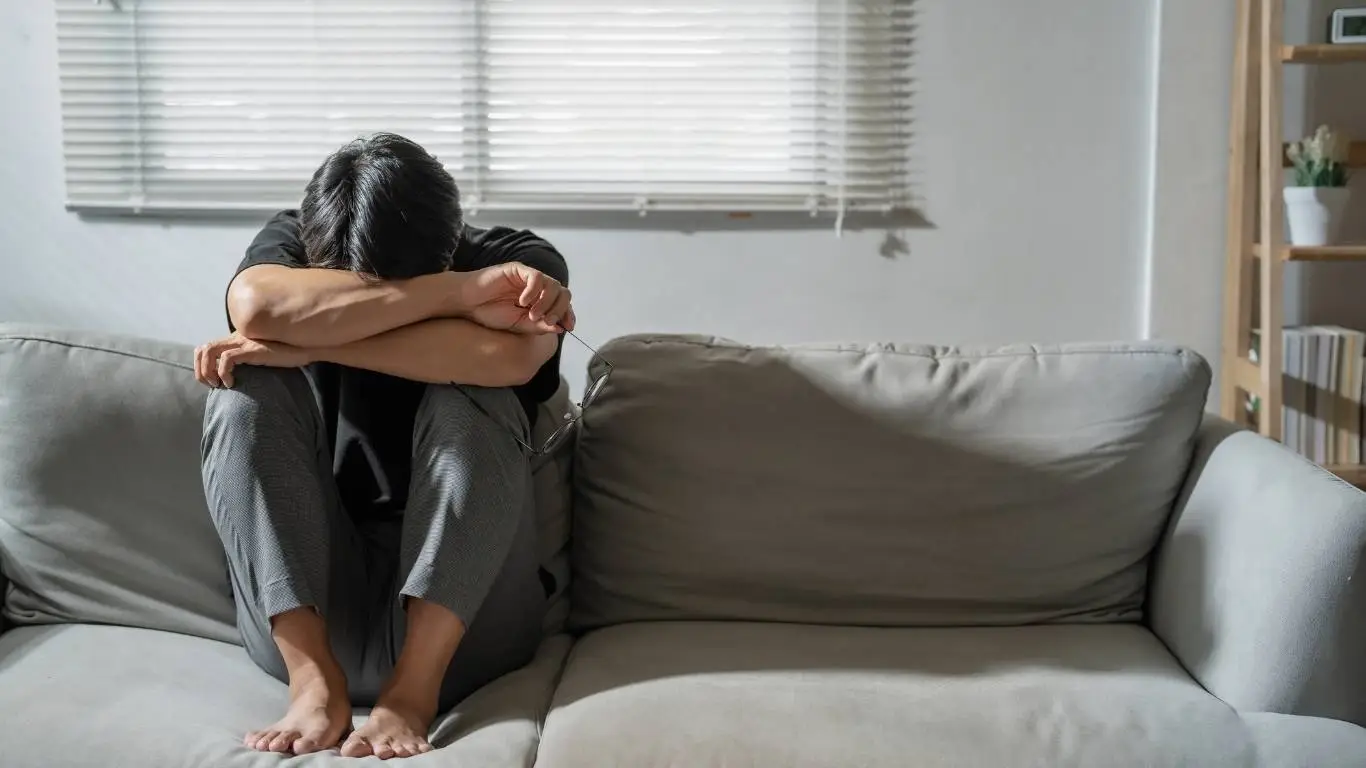
When there’s no one around to check in, distract you, or simply be there, your mind can become a bit… loud. Without external stimulation, anxious thoughts tend to spiral. You might notice more physical symptoms like chest tightness or shallow breathing — and no one’s around to tell you it’s just anxiety and not something worse.
The Isolation Loop
Living solo often means fewer interruptions, which can be a dream — or a trap. The more time you spend alone, the more your anxious brain tells you it’s safer that way. Over time, it can lead to social withdrawal and a sense of detachment that actually fuels the very anxiety you’re trying to escape.
Establishing a Grounding Routine That Actually Works

I underestimated how powerful a simple routine could be until I hit a 3-week stretch of insomnia and doomscrolling. Building a routine gave my days structure and a sense of control — two things anxiety absolutely hates to mess with.
Morning Anchors
- Wake up at the same time daily (even weekends — yes, really)
- Get sunlight within 30 minutes of waking
- Hydrate before caffeine
- Light stretching or a short walk
This type of structure is especially helpful if you’re also experiencing sleep disturbances linked to anxiety. You can learn more about why that happens in the anxiety symptoms guide.
Nighttime Boundaries
Phones off 1 hour before bed, warm shower, and reading something light. When I stick to this, I sleep. When I don’t, my 2am brain thinks it’s time to solve climate change and my entire life plan.
The Power of Ambient Noise and Intentional Sound
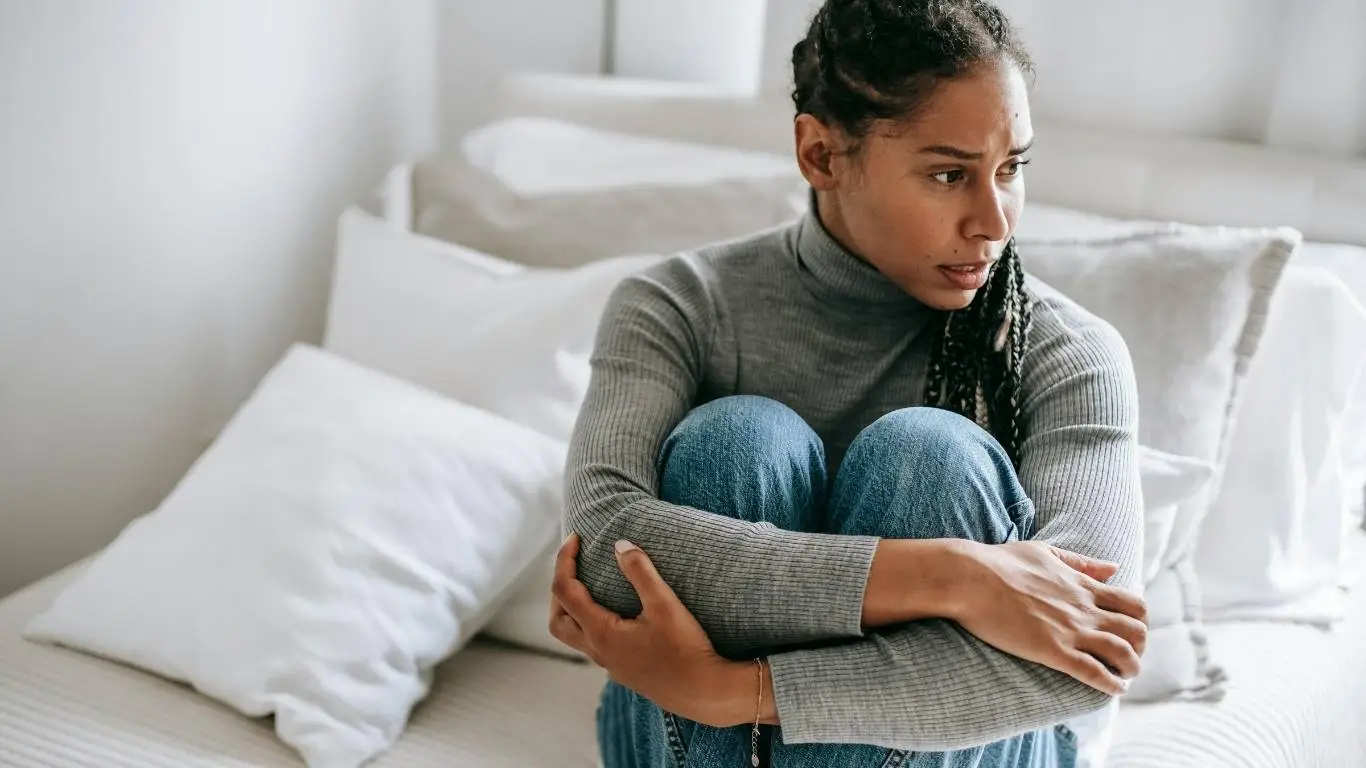
The silence of living alone can feel deafening when you’re anxious. I discovered this the hard way during a long, anxiety-fueled weekend. What helped? Introducing consistent, intentional soundscapes.
- Brown Noise or Ocean Waves – Helps reduce internal chatter.
- Soft Lo-Fi Beats – Ideal background for working without overstimulating.
- Nature Sounds – Birds, rain, forest ambience — trust me, it works.
More people are turning to relaxation music for anxiety relief, and for good reason. It’s like a gentle nudge to your nervous system that you’re safe.
What You Eat (and Forget to Eat) Matters

Living alone can mean eating sporadically or skipping meals altogether — especially when anxiety hits hard. But blood sugar crashes are practically an invitation for panic. My worst anxiety episodes used to hit me when I skipped breakfast and loaded up on caffeine. Now, I’m religious about including foods that support my mental game.
What Helped Me Most
- Magnesium-rich foods – Like spinach, dark chocolate, and pumpkin seeds (here’s why they work).
- Complex carbs – They stabilize mood far better than that afternoon donut.
- Limiting caffeine – It sucks, I know. But it’s worth exploring if caffeine is making your anxiety worse.
Let’s Talk: You’re Not as Alone as You Think
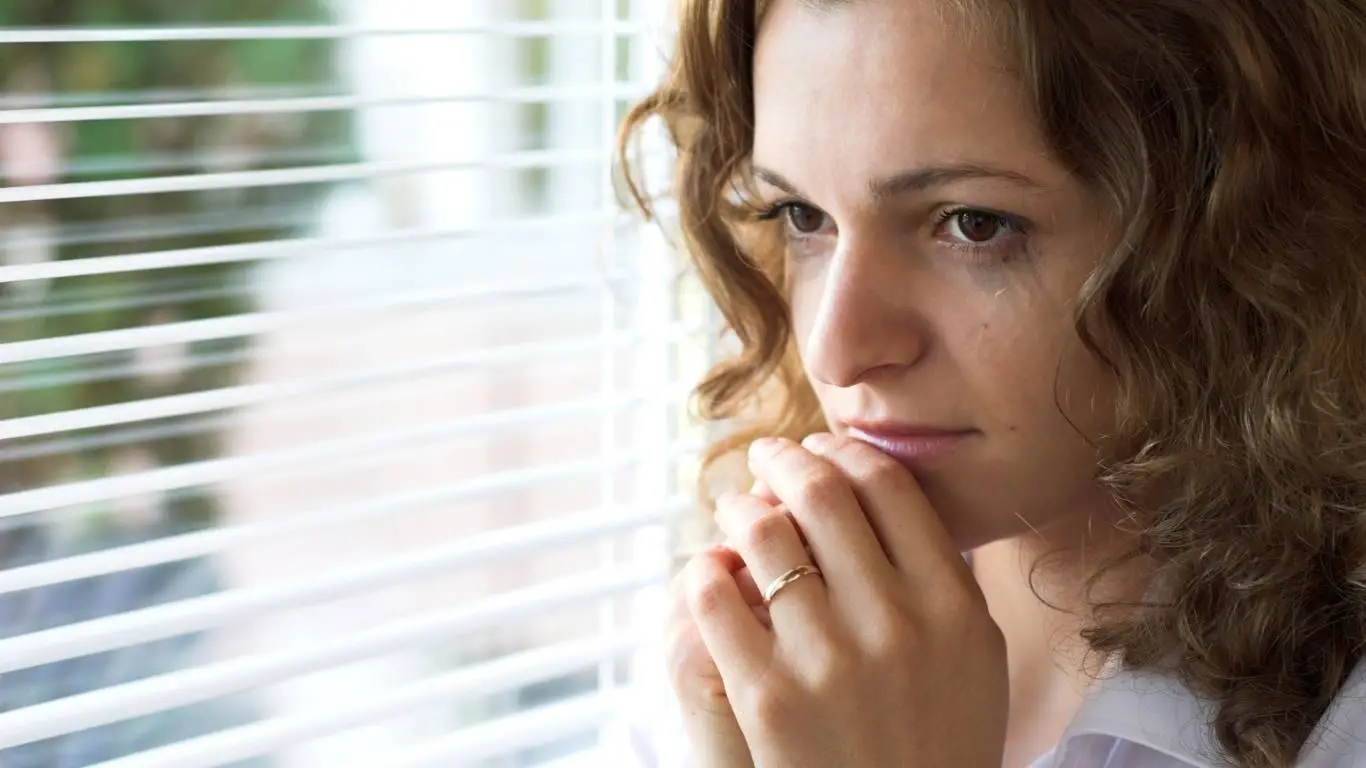
This was hard for me to admit, but I needed to talk to someone. Not just friends, but a professional who understood anxiety from more than a casual standpoint. Virtual therapy became my anchor — even 30-minute check-ins made a huge difference.
Therapies like CBT and ACT are not just buzzwords — they’re real tools that help reframe anxious thought patterns. If you’re curious about how a full anxiety assessment works, check out the diagnostic overview here.
Also, this guide on how anxiety quietly disrupts daily life is a good starting point if you feel like your entire day is being hijacked by overthinking. And if you’re specifically trying to understand how it builds over time, explore the hidden causes here.
Movement That Doesn’t Feel Like Exercise

Truthfully? I hated the idea of working out when my anxiety was high. But what changed everything was reframing it: I wasn’t “exercising.” I was moving my body to tell my brain it’s safe. Something as simple as putting on music and dancing around my kitchen shifted my whole mood. If dancing isn’t your thing, even a short walk or a few rounds of progressive muscle relaxation works wonders.
More intense anxiety might call for deeper strategies. This resource on psychotherapy for anxiety disorders dives into a broader range of options when you feel stuck and need more than just lifestyle tweaks.
And in case you’re wondering what all the types of anxiety look like — and if yours is “normal” — take a look at this breakdown of different types.
Creating Connection Without Leaving Home
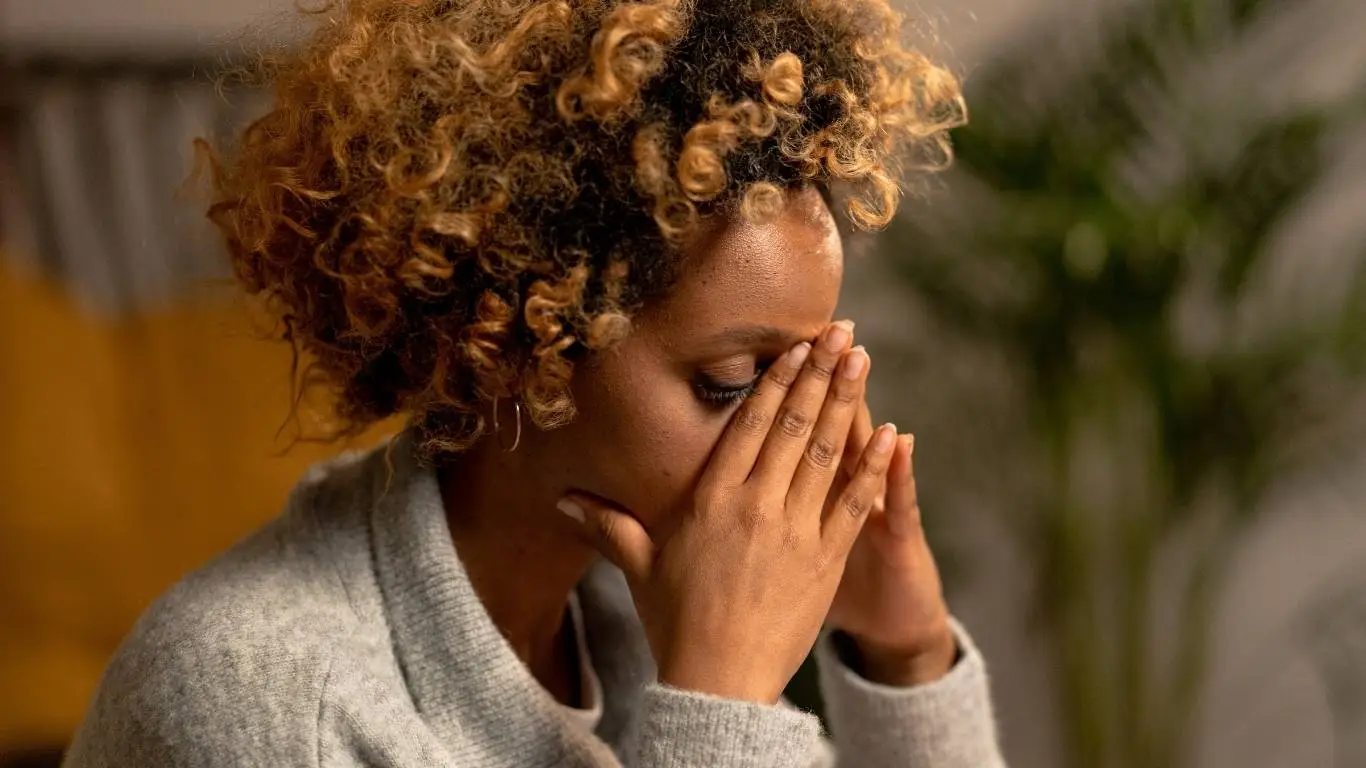
One of the hardest parts of living alone while dealing with anxiety is the quiet disconnection from others. I used to convince myself that I was just “recharging” by staying in. But what I was really doing was isolating — and that isolation wasn’t doing my mental health any favors.
Ways to Stay Connected From Home
- Join a virtual support group – Talking to others going through similar things can help normalize your experience. This guide on anxiety support groups helped me find one that didn’t feel awkward or forced.
- Use audio messages instead of texts with friends. It feels more human, and takes less effort than a call.
- Facetime a family member while making dinner. You’d be surprised how calming it is to just cook and chat like someone’s there.
Even subtle connections make a difference. I now keep a weekly video coffee date with an old friend — not to talk about anxiety, just to be human with someone who gets me. That one habit alone lowered my stress levels more than I ever expected.
When Anxiety Hits — Practical Soothing Techniques That Work
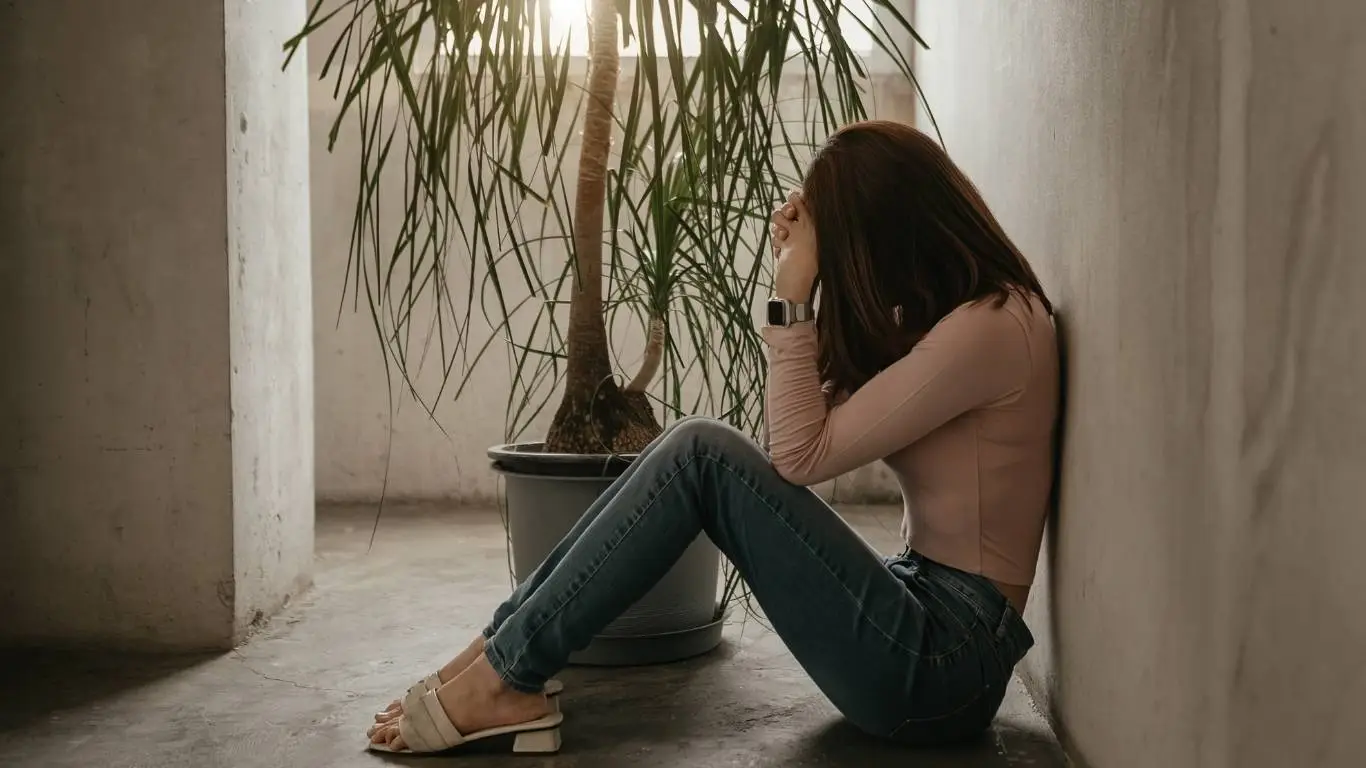
There are moments when anxiety just… hits. Out of nowhere. You’re standing in your kitchen, heart racing, breath shallow, and your brain’s spinning worst-case scenarios like a playlist on repeat. I’ve been there more times than I can count.
Things That Helped Me Immediately
- Box breathing – inhale for 4, hold for 4, exhale for 4, hold for 4. Do that for just 2 minutes and tell me your nervous system doesn’t calm down a notch.
- Progressive muscle relaxation – Tense and release muscle groups slowly. It tricks the brain into noticing the body again.
- Journaling – Not the pretty kind. Just open a doc or notebook and dump your thoughts like you’re talking to a friend. Let it be messy.
These tools don’t fix everything, but they do interrupt the loop. They remind your brain that you’re not in danger — even if your anxiety is screaming otherwise.
Turning Your Space Into a Calming Zone
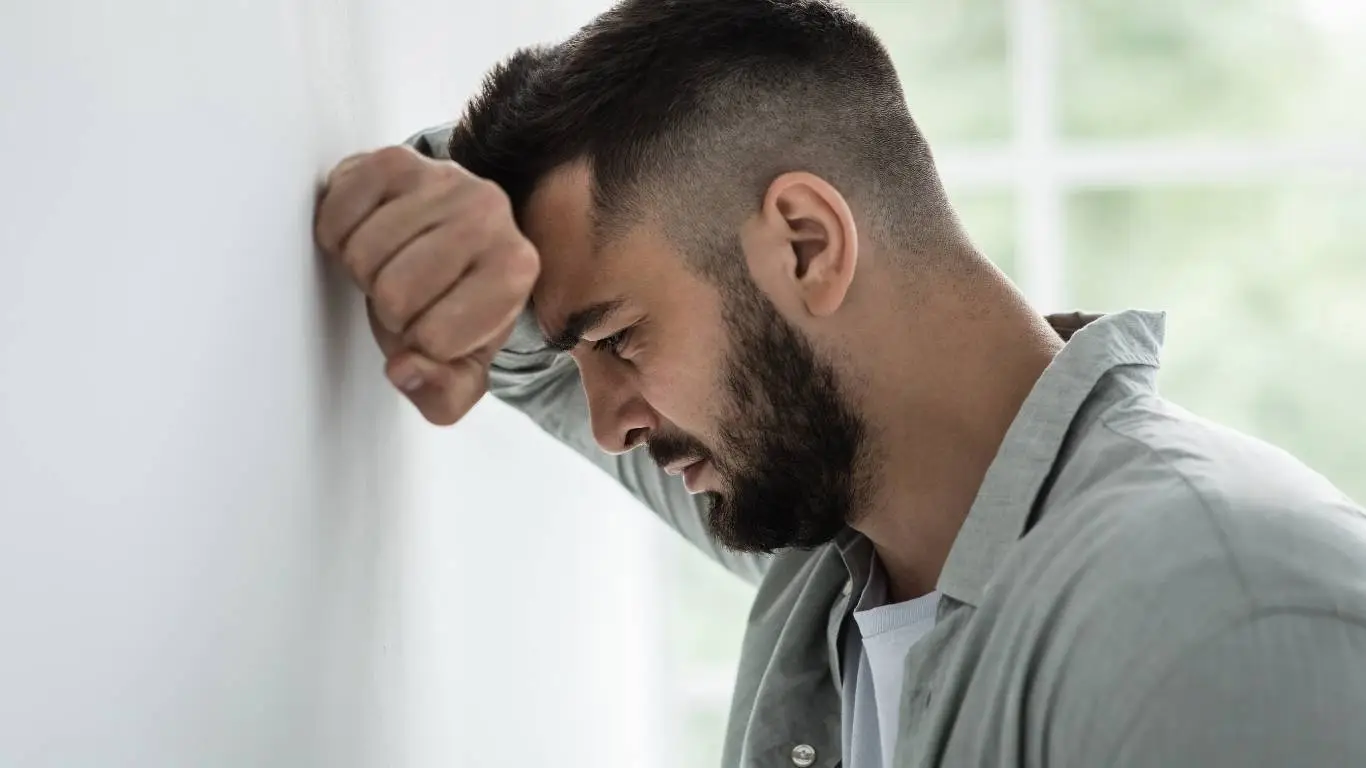
When you live alone, your environment becomes an extension of your inner world. A cluttered space? Hello, racing thoughts. Lighting too harsh? Instant tension. Creating a sanctuary isn’t about perfection — it’s about intentional cues of safety.
Simple Things That Made a Huge Difference
- Warm lighting instead of overhead fluorescents
- Aromatherapy – I swore it was placebo until I tried lavender oil before bed (it actually helps)
- A “calm corner” – One chair, a soft throw, a candle, and zero screens. My go-to reset zone.
Your home can either help you heal or add to your stress. Little tweaks — like limiting harsh sounds or reducing clutter — go a long way. This resource on lifestyle changes for anxiety dives deeper into how your daily environment plays a bigger role than most people realize.
Explore Alternative Supports That Actually Work
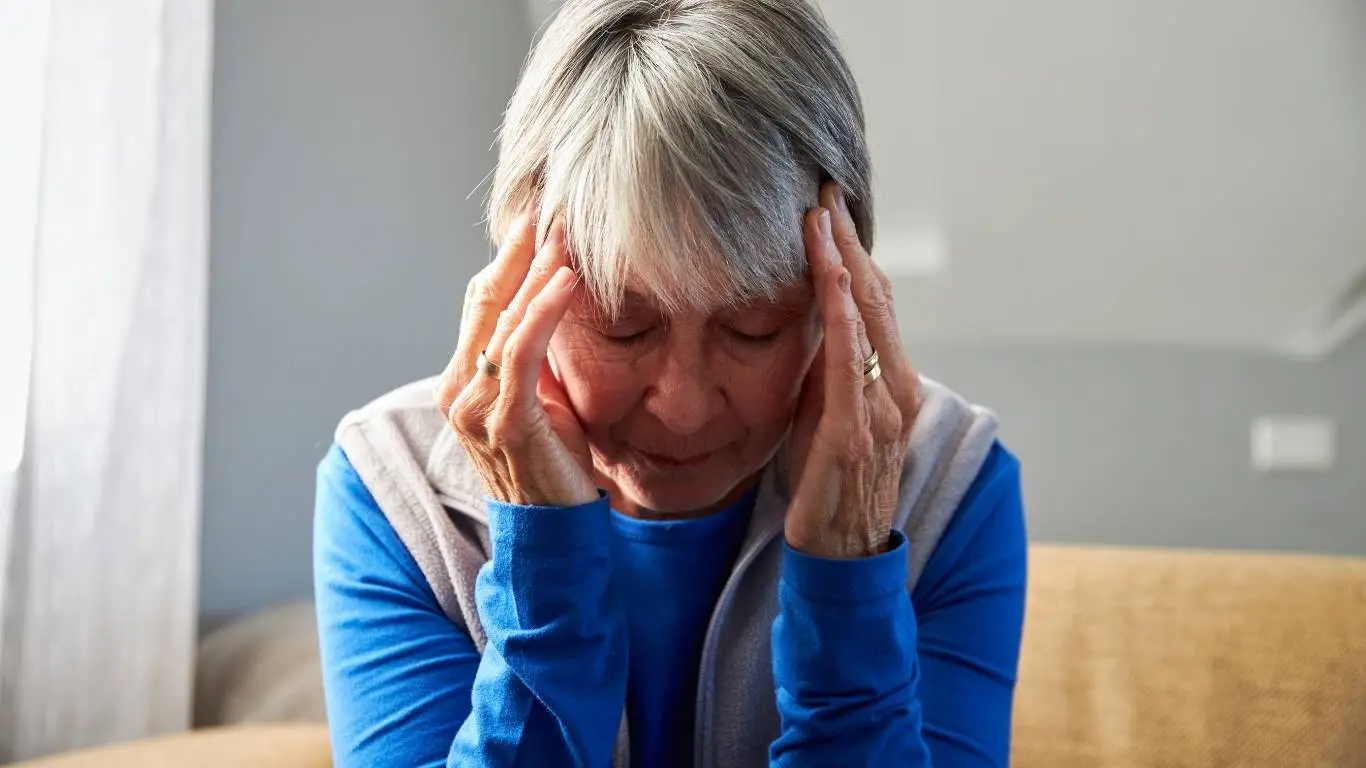
If you’re like me, the standard therapy-medication combo isn’t the whole answer. I needed options that felt less clinical and more integrated into my daily rhythm. That’s when I started exploring alternatives — with a healthy dose of skepticism at first.
Alternatives That Helped Me Cope Alone
- Acupuncture – Surprisingly grounding, especially after high-stress weeks.
- Yoga for anxiety – Not the sweaty, high-paced kind. Slow, breath-based flows that literally tell your body, “you’re safe.”
- CBD oil – Start small and research thoroughly. Not a cure, but helpful in my toolkit.
Some people also benefit from practices like mindfulness meditation, but I found that starting small — like 3-minute breathing exercises — was way more sustainable when anxiety had me feeling overwhelmed.
Recognize the Signs Before They Snowball

When you’re the only one in your living space, you have to be your own check-in partner. I used to brush off things like constant restlessness or trouble concentrating until they blew up into full-on anxiety attacks.
Now, I pay attention early. If I start struggling to focus or my shoulders feel like bricks, I pause. Early awareness gives you a chance to respond rather than react — and that’s everything.
Tracking patterns, using simple tools like the GAD-7 questionnaire, or even journaling your symptoms helps you catch trends. That way, you can tweak routines or seek help before the anxiety snowballs.
You’re Not Broken — This Is More Common Than You Think

I used to think that living alone and struggling with anxiety meant something was wrong with me — like I was failing at being an independent adult. But over time, I realized that this is more common than we talk about. People who live alone aren’t weak for feeling overwhelmed. We’re just navigating more internal space without distraction — and that requires real tools.
If you’re feeling stuck or overwhelmed, don’t wait for things to spiral. Check out the full guide on how anxiety controls daily life for deeper insights. You might also want to dive into practical self-help approaches that complement everything you’re already doing.
And if today was tough? That’s okay. The fact that you’re even looking for ways to feel better — that matters. That’s progress. That’s strength. You’re not in this alone, even if your apartment is quiet tonight.

Camellia Wulansari is a dedicated Medical Assistant at a local clinic and a passionate health writer at Healthusias.com. With years of hands-on experience in patient care and a deep interest in preventive medicine, she bridges the gap between clinical knowledge and accessible health information. Camellia specializes in writing about digestive health, chronic conditions like GERD and hypertension, respiratory issues, and autoimmune diseases, aiming to empower readers with practical, easy-to-understand insights. When she’s not assisting patients or writing, you’ll find her enjoying quiet mornings with coffee and a medical journal in hand—or jamming to her favorite metal band, Lamb of God.