Poor Spinal Positioning Can Ruin Your CPAP Compliance
Getting used to a CPAP machine can feel like sleeping with a small robot strapped to your face. I remember the first week I tried one—I was convinced I’d never sleep again. But over time, I figured out that CPAP compliance isn’t just about getting used to the mask. One of the most underrated factors? Spinal positioning. The way your spine aligns while sleeping with a CPAP can either support your success or sabotage your progress. Let’s talk about how your posture affects your sleep quality, breathing, and pain—especially in the back and neck.
Why CPAP Compliance is More Than Just Wearing the Mask
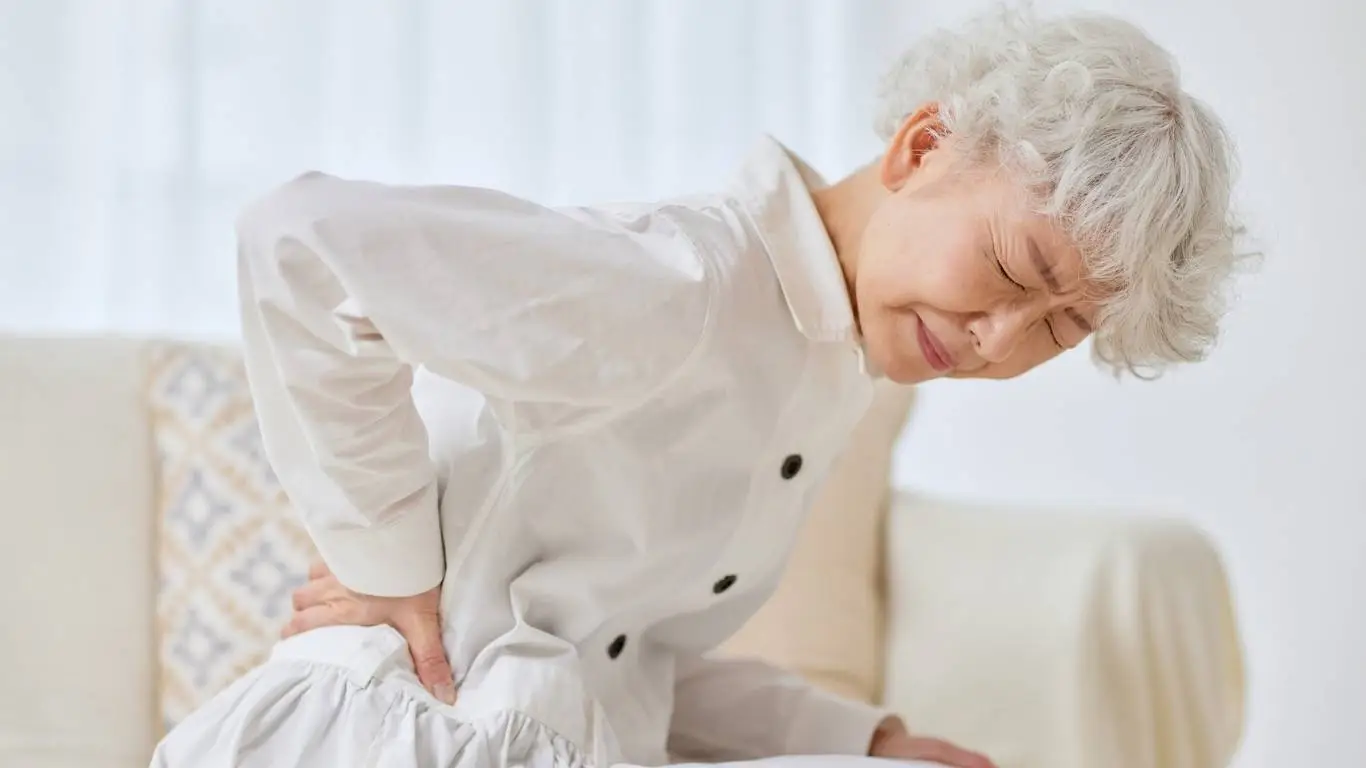
CPAP machines are the gold standard for treating sleep apnea, but many people give up too soon. Discomfort, air leaks, or simply poor sleep continue even with consistent use. One major reason? Misalignment of the spine while you sleep. When your neck, back, or hips are out of line, it puts pressure on your airway and nerves. That subtle misalignment can reduce the effectiveness of the CPAP and even cause or worsen back pain.
Proper spinal alignment isn’t just a comfort issue—it’s critical to keeping your airway open during the night. Poor posture, like sleeping on a saggy mattress or in a twisted position, could be sabotaging your therapy without you realizing it.
How Poor Spinal Positioning Can Affect Your CPAP Therapy

The Neck Connection
The position of your cervical spine (neck) is directly related to your airway. If you’re using too many pillows or your head is tilted downward, your airway may narrow even with a CPAP machine. I learned this the hard way when I kept waking up with a stiff neck and still felt tired despite wearing my CPAP all night.
Turns out, prolonged poor posture during the day carries over into the night, especially in the neck and upper back. Over time, this posture imbalance adds up and can reduce CPAP effectiveness.
Lower Back Matters More Than You Think
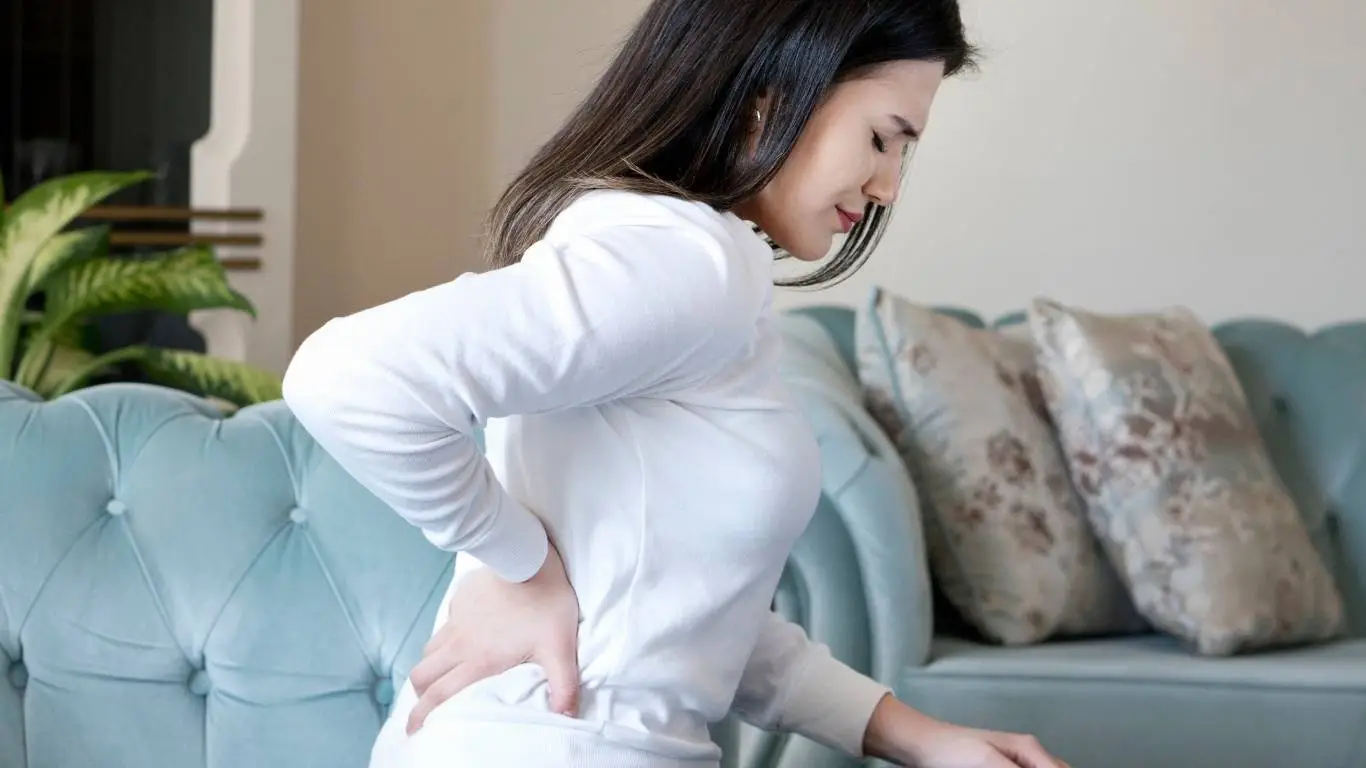
People rarely connect lumbar pain to sleep apnea therapy, but there’s a huge connection. If your pelvis is tilted or your lumbar spine is curved awkwardly due to an old mattress or poor side-sleeping habits, it can trigger pain and impact your sleep. Your brain never fully rests when you’re in pain, which means your CPAP therapy won’t be as restorative as it should be.
Shoulder and Mid-Back Tension
If you’re a side sleeper using CPAP (which many of us are), compressed shoulders or twisted mid-back posture can create torque in the spine. This disrupts nerve signaling and breathing rhythm. Chronic tension in the thoracic spine also affects how well your rib cage can expand, something many people with sleep apnea overlook entirely.
Best Sleeping Positions to Support Both CPAP Use and Spinal Health
- Side sleeping: Best for CPAP use, especially if done with a pillow that supports the neck’s natural curve and keeps the spine aligned.
- Back sleeping: Fine for CPAP, but only if you’re using a lumbar support cushion to maintain neutral alignment.
- Avoid stomach sleeping: It puts strain on your neck, misaligns your spine, and makes CPAP mask fitting harder.
I personally found relief when I switched to a firm pillow with a slight cervical dip—kind of like a neck cradle. That one change drastically reduced my morning stiffness and helped me stay on CPAP throughout the night without adjustments.
Mattresses and Pillows: Your Secret CPAP Allies

A surprising number of CPAP users never question their mattress or pillow. But spinal positioning depends heavily on your sleep surface. If your hips sink too far into the mattress or your shoulders can’t relax, your entire spine goes out of whack—CPAP mask or not.
- Use a medium-firm mattress that supports both shoulders and hips evenly.
- Try a pillow with neck contour support. Not memory foam bricks—something breathable and adjustable works best.
- Use a pillow between the knees when side sleeping to reduce lumbar torque.
Switching to a better mattress improved not only my posture but also my ability to stay asleep through the night with CPAP. You’ll be surprised how much your compliance improves when you’re not tossing around all night due to aches and pressure points.
How Spinal Positioning Affects Daytime Pain and CPAP Success
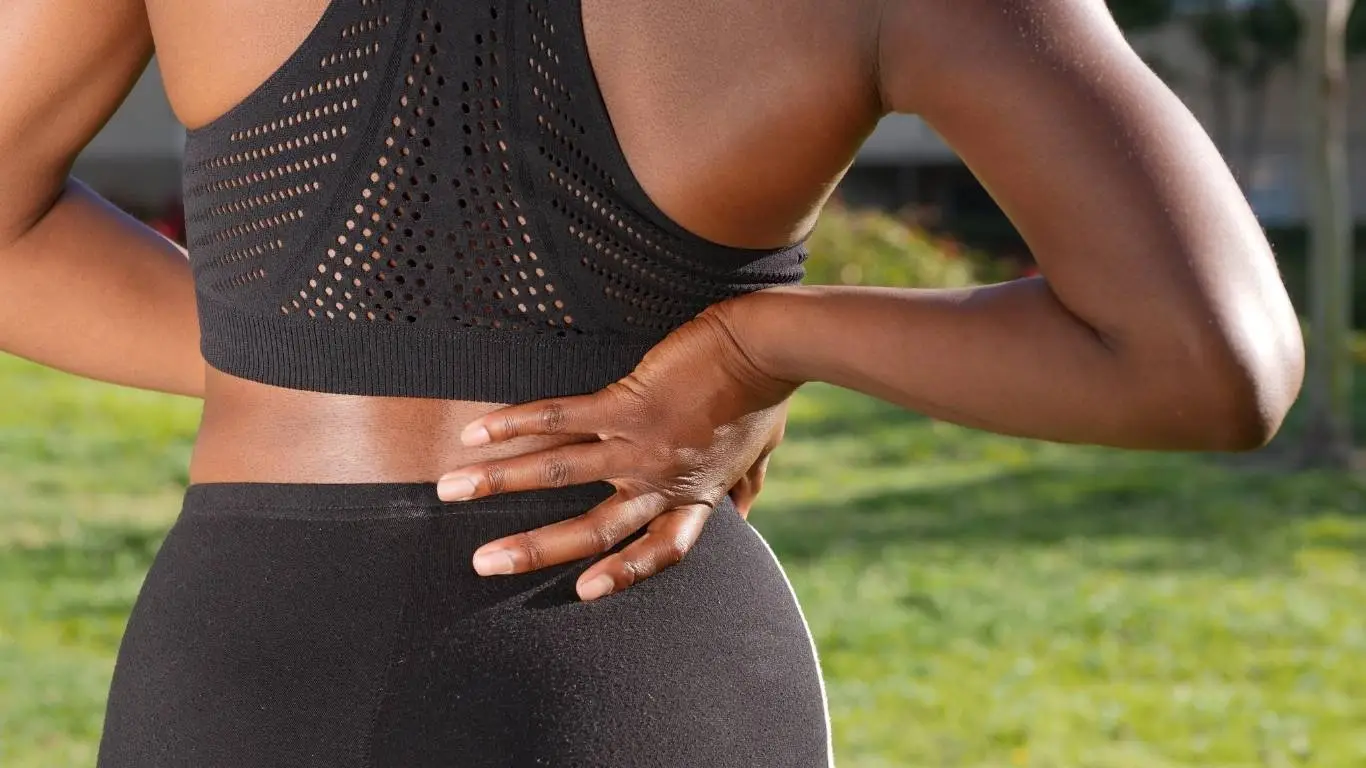
When you wake up sore, your brain starts to resist the CPAP because it associates it with discomfort—even subconsciously. This leads to compensatory movement patterns during the day that reinforce pain. Over time, you may even start skipping CPAP sessions. That’s where everything snowballs—poor sleep leads to fatigue, which worsens posture, which further damages your spine and sleep quality.
Optimizing your spinal alignment not only helps the therapy itself but also improves your day-to-day function. I used to wake up feeling like I did a deadlift marathon in my sleep. Now? I actually feel rested, and my mornings don’t start with a bottle of muscle rub.
To dive deeper into how posture and anatomy connect to sleep-related issues, check out this full guide on spinal types and pain patterns. For a broader understanding of how back pain can sabotage wellness from multiple angles, the main back pain page lays it out beautifully.
And if you want to geek out further, organizations like Sleep Foundation and NCBI have excellent science-backed articles on spinal alignment and sleep apnea management.
Micro-Adjustments That Boost CPAP Comfort Through Spinal Alignment

Once I got serious about CPAP compliance and spinal positioning, the little tweaks made the biggest difference. I’m talking about the micro-adjustments you can do before bed, during sleep, and even when waking up stiff. These subtle shifts in posture can eliminate pressure points, stop mask leaks, and help you breathe easier.
Head and Neck Support Check
Before you drift off, double-check your pillow height and placement. Your nose should line up with the ceiling, not tilt up or down. This keeps your cervical spine neutral and prevents the CPAP hose from tugging at awkward angles. I learned this after a week of waking up with neck kinks and air leaks. A small change in pillow height fixed both problems.
Mask Fit vs. Spine Angle
It’s not just about how tight your mask is—it’s about how your spine sets up that tension. If your chin tilts forward or your upper back rounds, it puts extra tension on the mask strap. Try elevating your chest slightly with a rolled towel or wedge if you sleep on your back. For side sleepers, a supportive pillow that keeps your spine straight works wonders.
Check out how fluid retention and bloating can worsen positioning and cause mask leaks, especially in early CPAP use.
Tools That Help Realign Your Spine—Effortlessly

You don’t need a complete bedroom overhaul to sleep better. I started with just a wedge pillow, then moved to a knee pillow, and eventually added a lumbar bolster. Here are some spine-friendly tools that support CPAP compliance:
- Knee spacer pillows: Keeps hips aligned while side sleeping.
- Cervical neck rolls: Maintains natural neck curve.
- Wedge pillows: Helps reduce snoring and reflux while supporting lumbar spine in back sleepers.
- Adjustable bases: If budget allows, raising the upper body a few inches with an adjustable bed can help reduce nighttime back pain and enhance airway flow.
Many of these tools helped me reduce the need to shift positions in the middle of the night, which meant fewer interruptions—and more time in deep sleep while the CPAP did its job.
How Your Daytime Habits Sabotage Nighttime Spine Alignment

Even if your nighttime setup is perfect, what you do during the day impacts your spinal alignment at night. Slouching at a desk, carrying bags on one shoulder, or even standing with locked knees can twist your spine into patterns it keeps during sleep.
The Sitting Trap
If you’re like me and sit most of the day, chances are your hip flexors tighten and your lower back starts to curve forward. This “sitting posture” doesn’t magically reset at bedtime. It rolls into sleep, compressing your lower spine and making side sleeping uncomfortable. Over time, this can disrupt CPAP usage because the discomfort keeps you tossing and turning.
That’s where targeted daytime stretches help. Especially for those of us dealing with muscle imbalances, just five minutes of hip-opening stretches before bed can make your spinal alignment feel natural again in bed.
Breathing and Posture: The Surprising Link
One thing that blew my mind was learning that how you breathe impacts your spine. Chest breathing (which is common in people with sleep apnea) encourages shoulder elevation and mid-back tension. Diaphragmatic breathing, on the other hand, engages your core and helps support spinal stability naturally.
Practicing diaphragmatic breathing for just five minutes before bed can set a relaxed tone and prime your body for proper spinal alignment with the CPAP.
Spinal Support for CPAP Success Across All Sleep Styles
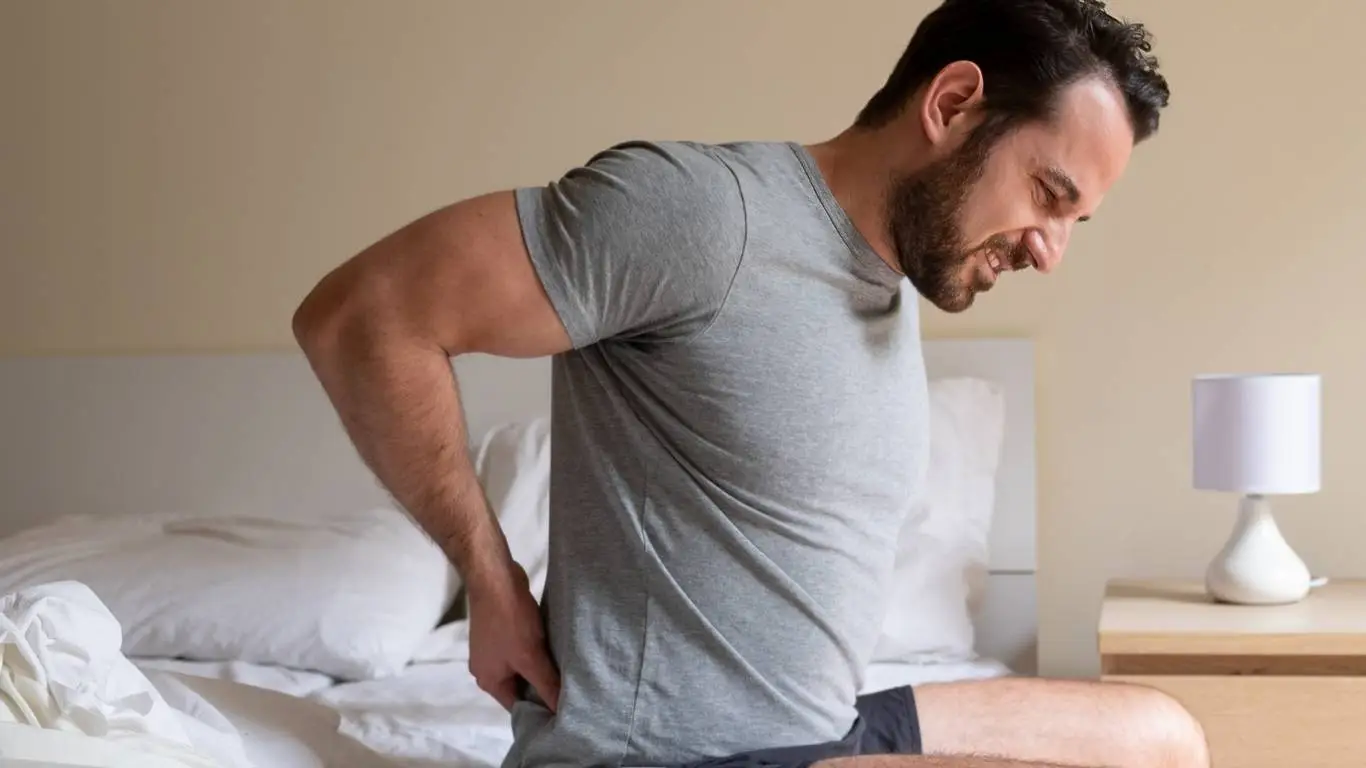
Every sleep position has pros and cons for both spinal alignment and CPAP use. You don’t need to force yourself to sleep a certain way—you just need to optimize the position you naturally prefer.
If You Sleep on Your Back
- Use a wedge to elevate the upper body slightly (no more than 30 degrees).
- Add a small pillow under your knees to reduce lumbar pressure.
- Keep neck aligned with a flat but supportive pillow—not too thick.
If You Sleep on Your Side
- Place a pillow between your knees to keep hips neutral.
- Ensure your head and neck are level with your spine.
- Adjust mask hose direction to avoid pulling when turning.
If You Move Around a Lot
I fall into this category. I’d start on my side, wake up on my back, and occasionally find myself curled up awkwardly at the foot of the bed. A body pillow helped stabilize my posture more than I expected. It anchored my spine and kept me from over-rotating while shifting during the night.
Let Your Spine and CPAP Work Together, Not Against Each Other

When I finally aligned my sleep posture with my CPAP routine, I didn’t just sleep better—I felt stronger, clearer, and more energized during the day. If your therapy still feels off, don’t just look at the machine. Look at your spine. You might be surprised how much your body is quietly asking for support.
To explore more personalized strategies for posture, flexibility, and spinal function, this deep dive on rehab and ergonomics is packed with actionable insights. For even broader insights across causes, treatments, and prevention methods, don’t miss the comprehensive overview at healthusias.com/back-pain.
For science-backed resources, see info from sleepapnea.org or the latest findings via CDC. The more informed your spine health decisions are, the more effective your CPAP therapy becomes.

Camellia Wulansari is a dedicated Medical Assistant at a local clinic and a passionate health writer at Healthusias.com. With years of hands-on experience in patient care and a deep interest in preventive medicine, she bridges the gap between clinical knowledge and accessible health information. Camellia specializes in writing about digestive health, chronic conditions like GERD and hypertension, respiratory issues, and autoimmune diseases, aiming to empower readers with practical, easy-to-understand insights. When she’s not assisting patients or writing, you’ll find her enjoying quiet mornings with coffee and a medical journal in hand—or jamming to her favorite metal band, Lamb of God.