Why Cross-Leg Sitting Might Be Wrecking Your Spinal Alignment
Sitting cross-legged feels natural to many of us—whether it’s while relaxing at home, sitting on the floor with friends, or even during meditation. I used to think it was a harmless habit too, until I noticed an annoying ache that started creeping into my lower back and hips after long sessions. Turns out, that cozy position might be quietly wrecking your posture. And no, this isn’t just about comfort—it’s about long-term spinal health. Let’s break down what’s really going on with cross-leg sitting and spinal misalignment, and why you might want to rethink how you sit.
How Sitting Cross-Legged Affects Spinal Alignment

When you sit cross-legged, especially on the floor or in an unsupportive chair, your pelvis tilts and your spine adapts to an unnatural curve. The twist in your hips causes a chain reaction: the lumbar spine shifts, your shoulders try to compensate, and your neck eventually pays the price.
I noticed this personally after transitioning to a floor desk setup. It felt great at first—more grounded, more mindful—but over time, I began experiencing a deep ache in my sacrum and stiffness in my thoracic spine. After talking to a physiotherapist, I learned that frequent cross-leg sitting can trigger:
- Asymmetrical pelvic positioning
- Muscle imbalances between the left and right sides
- Increased pressure on lumbar discs
- Altered spinal curvature over time
And it’s not just anecdotal—clinical research from ncbi.nlm.nih.gov supports this. They’ve found long-term postural adaptations from habitual asymmetrical sitting.
What Happens to Your Pelvis and Hips

Cross-legged sitting places your hips in external rotation. If you favor one leg over the other (most people do), it can cause the pelvis to rotate and become misaligned. That means one hip may sit higher than the other, pulling your spine off center.
This can lead to a condition called pelvic obliquity. The imbalance forces your lumbar spine to twist, often resulting in lower back discomfort or even sciatica-like symptoms. In fact, I found this resource extremely helpful: sciatica vs back pain differences—worth a read if you’re experiencing nerve-like pain.
Signs Your Pelvis Might Be Misaligned
- One pant leg always seems longer
- You lean more to one side when walking or sitting
- Frequent lower back or hip tightness
Does Cross-Leg Sitting Cause Long-Term Damage?

Yes, it can—especially if you’re doing it for hours every day. Chronic spinal misalignment doesn’t just cause discomfort. It affects your mobility, increases your risk for disc degeneration, and even contributes to postural scoliosis in some cases.
It’s not just your spine, either. Cross-leg sitting can contribute to tight hamstrings and weakened glutes—two key players in lower back health. There’s a deeper dive into this in the article on tight hamstrings and back pain, which hits home for many of us who sit all day.
Posture is cumulative. It’s not about one hour of cross-legged sitting—it’s the daily repetition over months and years. That’s why early intervention is so crucial.
Alternatives to Cross-Leg Sitting That Support Spinal Health

I’m not here to tell you never to sit cross-legged again—just don’t make it your default. There are plenty of spine-friendly alternatives that are just as comfortable:
- Use lumbar-supported chairs: Especially with adjustable height and depth.
- Try kneeling chairs: These promote an upright posture without stress on the lower back.
- Sit with both feet flat: Your hips and knees should form 90-degree angles.
Also, switch positions often. Standing desks can be a great tool—check out this guide on why standing desks improve back health.
Daily Habits to Realign Your Spine
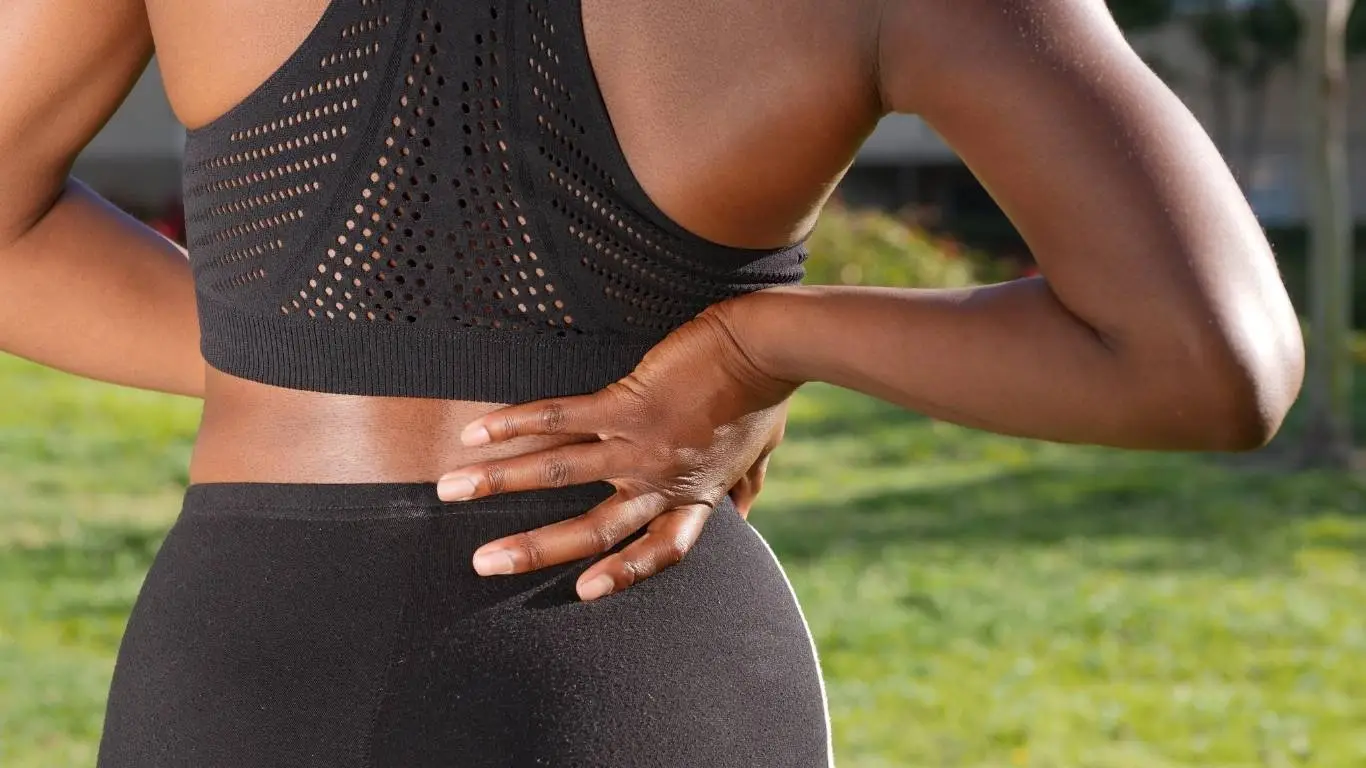
If you’ve already developed spinal misalignment from sitting cross-legged, don’t panic. I managed to reverse most of my own issues with consistent habits like:
- Stretching the hip flexors and glutes daily
- Doing core stability work 3–4x a week
- Seeing a chiropractor or osteopath for adjustments
- Switching to ergonomic office gear—a game-changer for me
For exercises, this pillar article is golden: Exercise, Rehabilitation, and Ergonomics. And don’t underestimate how much poor posture can escalate if ignored—more on that in the main back pain overview.
There’s no one-size-fits-all approach, but awareness is your best first step. Listen to your body, make small changes, and your spine will thank you.
How Muscle Imbalances from Cross-Leg Sitting Affect You
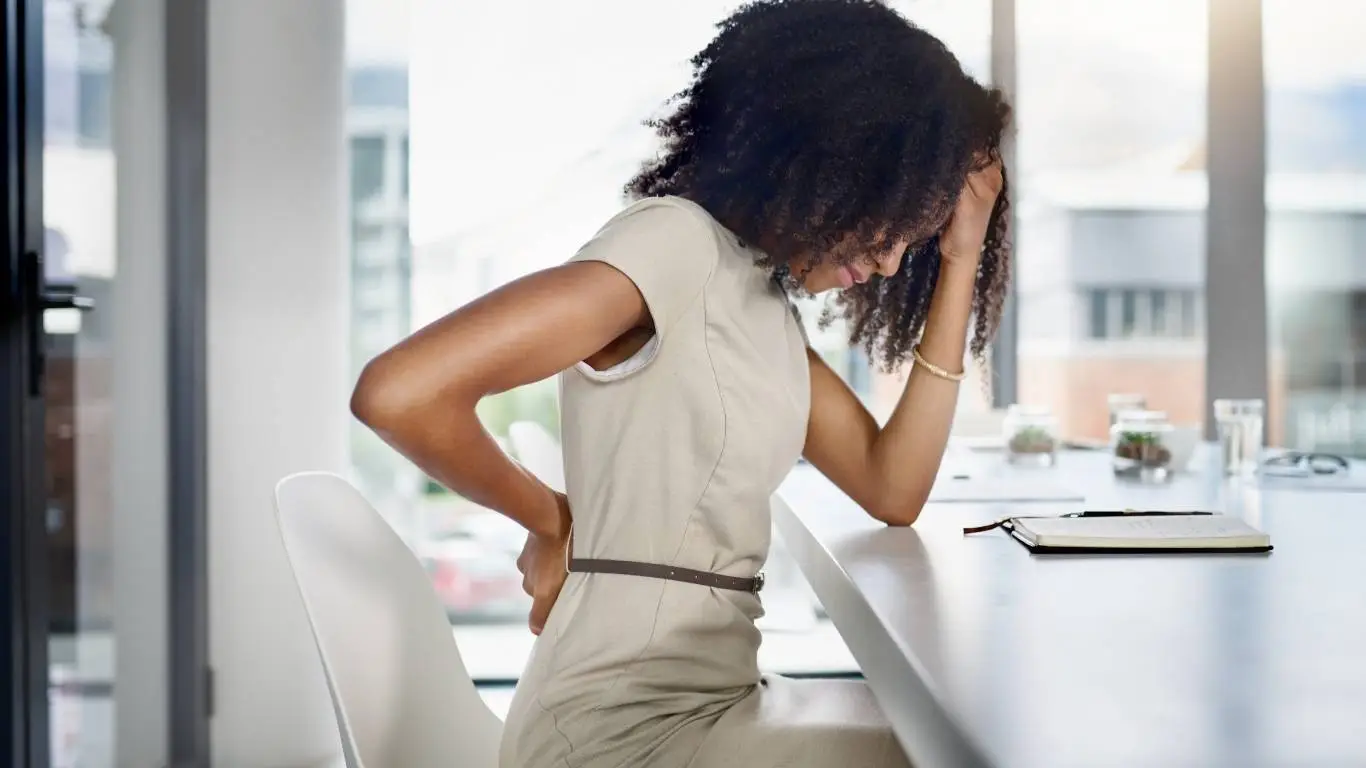
One thing I didn’t realize until speaking with a movement therapist is just how much cross-leg sitting messes with muscular balance. The body adapts to whatever position you put it in most often—so if one hip is consistently elevated and externally rotated, the muscles around that area begin to tighten and shorten. Meanwhile, opposing muscle groups on the other side weaken or become overstretched.
This leads to:
- Overactive hip flexors and underactive glutes
- Tight adductors and strained abductors
- Rotational compensation in the thoracic spine
All of these changes pull your spine out of its natural alignment and set you up for chronic pain. There’s a great explanation in this article on muscle imbalances causing back pain—well worth reading if you’re starting to feel “off” in your body symmetry.
Fixing the Imbalance Starts with Awareness
Most of us have no idea we’re favoring one leg when we sit. Try switching which leg crosses over the other—you’ll probably feel how strange it is. That’s your body telling you one side’s been overused.
I started incorporating targeted mobility work and noticed within a couple of weeks that my gait was smoother and my hips didn’t ache at night. Nothing fancy—just some foam rolling and daily lunges.
Is Cross-Leg Sitting Ever Safe?

Short answer: it depends. If your hips are mobile and your spine is well-aligned, short sessions of cross-legged sitting on a soft surface may not be harmful. But for the majority of adults—especially if you sit for work or have existing back pain—it’s not ideal for long durations.
If you really love sitting this way, try placing a small pillow or rolled towel under your sit bones. This raises the pelvis slightly and reduces the posterior tilt. You can also sit against a wall for added lumbar support.
For a detailed breakdown of safer sitting postures, this article on ergonomic office chairs gives solid, actionable tips you can apply right away.
Watch Out for Warning Signs
- Back pain after sitting cross-legged for more than 20 minutes
- Numbness or tingling in your legs or feet
- Hip stiffness that lasts after you stand
If you’re seeing any of these patterns, it’s time to mix up your sitting habits.
Spinal Health Is an Everyday Practice

Back when I worked a 9-to-5 in a poorly designed home office, I didn’t think much about posture beyond getting a better chair. But spinal health is more than furniture. It’s the daily choices—how you sit, stand, walk, even how you sleep.
Cross-leg sitting might feel natural, especially if you grew up doing it culturally or for relaxation. But that comfort comes with a cost if you do it too often. Luckily, your spine is adaptable. With a few small shifts and consistent habits, you can undo a lot of the damage.
I found relief by combining three main things:
- Strengthening my glutes and core muscles
- Stretching my hip rotators and hamstrings
- Changing my default seated position throughout the day
If you’re interested in an all-encompassing guide that ties together lifestyle habits, diet, and spinal support, I highly recommend the Lifestyle, Diet & Natural Remedies Pillar article. It gives a more holistic view of how posture is influenced by everything from hydration to inflammation.
And for an overview of how cross-leg sitting fits into the bigger picture of spine stress and overall back care, don’t miss the main pillar content here: Back Pain Main Guide. It’s one of the most comprehensive resources I’ve come across—useful whether you’re dealing with chronic discomfort or just trying to build better habits before issues arise.
Posture is something we live in. Not something we fix once and forget. Start small—how you sit is a powerful place to begin.

Camellia Wulansari is a dedicated Medical Assistant at a local clinic and a passionate health writer at Healthusias.com. With years of hands-on experience in patient care and a deep interest in preventive medicine, she bridges the gap between clinical knowledge and accessible health information. Camellia specializes in writing about digestive health, chronic conditions like GERD and hypertension, respiratory issues, and autoimmune diseases, aiming to empower readers with practical, easy-to-understand insights. When she’s not assisting patients or writing, you’ll find her enjoying quiet mornings with coffee and a medical journal in hand—or jamming to her favorite metal band, Lamb of God.