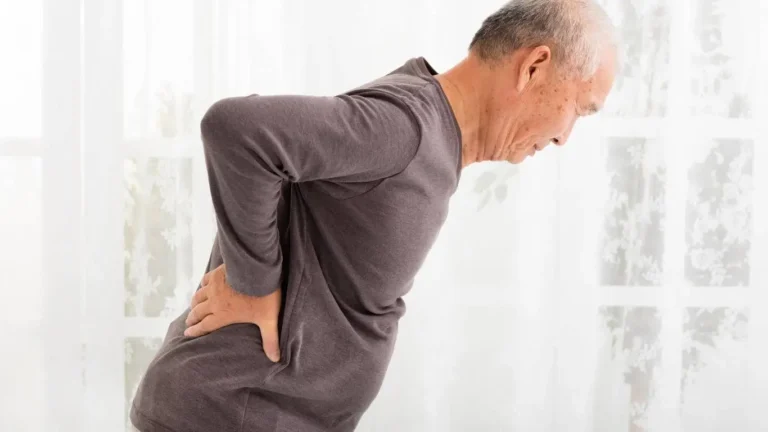
How Cycling Posture Causes Thoracic Compression and Back Pain
Last year, I finally got back on my bike after a long hiatus. I was feeling good, energized—and then out of nowhere, this persistent tightness in my upper back started creeping in. Sound familiar? If you’re a cyclist or even just ride for recreation, poor cycling posture and thoracic compression can turn a great ride into chronic discomfort real fast. And most of us don’t even realize we’re doing it wrong until pain shows up knocking. So, let’s talk about what’s really happening to your spine when you’re clocking miles on the saddle.
Understanding the Thoracic Spine in Cyclists

Your thoracic spine, that middle part of your back between your neck and lower back, takes a surprising beating when you’re bent over handlebars. Most cycling positions naturally force your body into a prolonged flexion—a sort of hunched position. Over time, this can compress the thoracic vertebrae, stiffen surrounding muscles, and limit your mobility.
When you combine poor posture, long durations, and lack of post-ride recovery, you’re basically setting up your upper back for muscle imbalances, joint dysfunction, and even rib-related pain. That dull ache you feel between your shoulder blades after a ride? It’s not just soreness—it might be thoracic compression starting to brew.
Common Signs You’re Riding with Bad Posture
- Rounded shoulders that stay hunched even after dismounting
- A noticeable “hump” at the base of your neck after rides
- Sharp or radiating pain between your shoulder blades
- Restricted deep breathing due to rib compression
Honestly, one of the things that clued me in was how hard it became to sit upright comfortably after long weekend rides. I’d even start getting tension headaches that traced back to my upper spine.
Biomechanics Behind Thoracic Compression

Here’s the deal—your thoracic spine is built for stability and rotation, not prolonged flexion. When you tuck into aggressive cycling posture, especially on road bikes, your upper spine often holds that position for hours. That static pressure compresses intervertebral discs, tightens your intercostal muscles, and reduces your thoracic extension capacity.
In simple terms? You’re squeezing and locking up the part of your spine that’s meant to help you move freely and breathe deeply. Over time, it becomes less about flexibility and more about surviving the pain until you finally admit: something’s off.
Other Factors That Exacerbate Thoracic Issues
- Bike Fit: A poor bike fit can cause you to overstretch or round your back unnaturally.
- Core Weakness: Without strong abdominals, your thoracic spine picks up the slack.
- Handlebar Position: Low handlebars force a deeper lean, increasing spinal flexion.
- Training Volume: More hours, more compression—it’s simple wear and tear math.
If you’ve ever wondered why pain between your shoulder blades flares up on climbs or after long sessions, your thoracic spine is probably waving a red flag.
Prevention Through Better Posture and Habits

Let’s be honest: you’re not going to ditch your bike. But adjusting how you ride can make a night-and-day difference. Start with posture awareness. One of the best things I ever did was record a video of my riding form—it was eye-opening. I looked like a question mark on wheels.
Quick Fixes That Actually Work
- Lift your chest slightly while keeping your shoulders relaxed.
- Check your head position—don’t let it dangle or crane forward.
- Reset your posture every 10–15 minutes during long rides.
Another game changer? A solid warm-up and cool-down routine. I now do these thoracic stretches religiously after each ride. Not only does it prevent that next-day stiffness, but it’s also helped me unlock better shoulder range of motion on the bike.
Thoracic Mobility and Core Strength Training

Recovery alone isn’t enough—you’ve got to train your thoracic spine to move better. I’ve seen major improvements through basic foam rolling, targeted yoga poses, and core stability work.
Try These Mobility Moves
- Thoracic extensions on foam roller: Opens up the mid-back.
- Thread-the-needle stretch: Loosens thoracic rotation and shoulders.
- Cat-cow variation focused on the upper back for controlled mobility.
Pairing that with planks and dead bugs for core stability reduces the load on your spine during rides. You don’t need an elite gym membership—just consistency and proper technique. For more structure, check out this pillar article on exercise, rehab, and ergonomics that lays out a full framework for back-friendly movement patterns.
One thing that helped me was understanding how Pilates targets the often-neglected stabilizers that cycling ignores. It’s not just yoga vibes and stretchy pants—it’s spinal insurance.
When Thoracic Compression Becomes a Bigger Problem

If you’ve been ignoring tightness for months and just powering through, that compression might not just go away on its own. I learned the hard way—it started affecting my sleep, and I couldn’t twist comfortably to check traffic behind me. That’s when I knew it was more than just “tight muscles.”
In some cases, thoracic compression can lead to facet joint dysfunction, or even contribute to referred pain in the neck and lower back. And if your ribs get involved, deep breathing can become painful—trust me, it’s miserable.
This is where seeing a physical therapist or a trained sports rehab pro can really turn things around. A good therapist can spot subtle posture faults and help you correct them before they evolve into something bigger.
Need a comprehensive view of what your spine might be dealing with? This pillar article on types and anatomy of back pain breaks it down in a way that makes total sense—even if you’ve never touched a medical book.
And for a broad perspective on chronic pain patterns and prevention, here’s the main back pain resource hub that ties all of it together.
Corrective Strategies for Long-Term Thoracic Relief

Let’s face it—there’s no magic fix for thoracic compression caused by cycling posture. But there *is* a strategy. If you’re anything like me, the realization that your posture is doing long-term damage can be a wake-up call. The good news? With a few intentional changes, you can ride pain-free and even improve your performance in the process.
I started with simple, low-effort corrections—stuff that didn’t require overhauling my whole setup. Over time, those tweaks added up. Here’s what worked and what most pros swear by.
Refining Your Bike Fit for Better Thoracic Health
- Saddle position: If it’s tilted downward too much, you’ll hunch forward more aggressively. Keep it neutral.
- Handlebar height: Raising your bars even slightly can reduce thoracic flexion significantly.
- Reach length: If your handlebars are too far forward, your back will arch unnaturally for balance.
I worked with a certified bike fitter once, and it was worth every penny. Turns out my reach was 2cm too long, forcing my thoracic spine into constant strain. The adjustment was tiny, but the relief was immediate.
Still not sure if your setup’s hurting your back? This guide on cycling ergonomics and posture breaks down how poor alignment impacts different areas of the spine.
Daily Habits That Support Spinal Recovery

Riding posture isn’t the only factor. How you recover off the bike matters just as much. I made a few lifestyle changes that really reinforced my thoracic recovery between rides. You don’t need a spa day—just smart habits.
Top Habits That Reduced My Back Tension
- Posture breaks: I set a 45-minute timer during desk work to reset my shoulders and open my chest.
- Mid-back foam rolling: Not just after rides—every morning and before bed.
- Deep diaphragmatic breathing: Helps decompress the thoracic region and releases tension between ribs.
It sounds basic, but adding that last one—deep breathing—was transformative. I didn’t realize how much shallow breathing I’d developed as a result of compression. After some digging, I found this deep-dive on back pain at night, which helped me link my symptoms to posture and breathing patterns.
Training Smarter, Not Just Harder

Back when I used to ignore strength training, I thought more mileage equaled better results. That mentality wrecked my posture. Now I spend two to three days a week strengthening the muscles that actually keep my thoracic spine in check.
Focus areas:
- Rhomboids and middle trapezius – combat rounded shoulders
- Serratus anterior – crucial for scapular movement and thoracic alignment
- Core stabilizers – to shift pressure off the upper spine during rides
I started with just bodyweight moves—scapular wall slides, prone Y-T-I raises, and band pull-aparts. Within weeks, I could feel a noticeable reduction in that midday slump pain. Pairing that with targeted upper back recovery tips turned it into a long-term fix, not just short-term relief.
Key Tip:
Train horizontal pulling more than pushing. Too many push-ups and chest presses can actually reinforce the same imbalances caused by cycling.
Recovery Tools That Actually Help

I’ve spent way too much money on gadgets promising “spinal nirvana.” But a few actually delivered. Here’s what stayed in my kit bag:
- Foam roller: My go-to for opening up tight thoracic segments post-ride.
- Peanut massage ball: Fits right along the spine, great for muscle release.
- Massage gun: Targeted trigger point relief between shoulder blades.
One overlooked gem? A lumbar support cushion. Using it in my office chair helped undo hours of hunching. I came across it in this piece on back support cushions, and it’s been part of my daily routine since.
Addressing the Mind-Body Connection

Here’s something most riders won’t tell you: chronic thoracic tension can affect your mood. I noticed that as the discomfort grew, so did my irritability and fatigue. It’s not just about muscles and joints—your nervous system is involved too.
Mindfulness, breathwork, and simple awareness techniques have helped me reset mid-ride and even get better sleep. This guide to mindfulness for pain was a turning point in how I approach recovery—not just physically, but mentally too.
That emotional link between stress and spinal tightness? It’s real. The more I focused on *how* I moved and *how* I felt, the more sustainable my rides became.
When to Seek Professional Help

Sometimes, no matter how many stretches you do or how dialed-in your bike is, pain persists. And that’s okay—it just means it’s time for a deeper dive. When thoracic compression becomes chronic or starts affecting your mobility, breathing, or sleep, don’t just push through.
Seeing a physical therapist or sports medicine doc can uncover underlying issues like joint fixation, rib dysfunction, or postural anomalies that need targeted intervention. Trust me—getting help *early* is a lot easier (and cheaper) than waiting for a full-blown injury.
Want to explore what might really be going on with your spine? This thorough guide on back pain symptoms and diagnosis breaks down red flags, when to act, and how to get proper evaluation.
And if you’re still trying to connect all the dots between cycling, posture, and back health, don’t skip this cornerstone resource on managing back pain overall.

Camellia Wulansari is a dedicated Medical Assistant at a local clinic and a passionate health writer at Healthusias.com. With years of hands-on experience in patient care and a deep interest in preventive medicine, she bridges the gap between clinical knowledge and accessible health information. Camellia specializes in writing about digestive health, chronic conditions like GERD and hypertension, respiratory issues, and autoimmune diseases, aiming to empower readers with practical, easy-to-understand insights. When she’s not assisting patients or writing, you’ll find her enjoying quiet mornings with coffee and a medical journal in hand—or jamming to her favorite metal band, Lamb of God.