
Why Dealing With Anxiety After Online Harassment Feels Overwhelming
If you’ve ever felt your heart race after reading a cruel comment online or spiraled into worry after someone targeted you on social media, you’re far from alone. I’ve been there too. What started as a passive scroll turned into nights of overthinking, chest tightness, and even fear of checking notifications. Dealing with anxiety after online harassment isn’t just about “brushing it off.” It can leave deep mental imprints, often affecting daily life in ways that most don’t realize—unless they’ve lived it.
Why Online Harassment Hits Harder Than We Expect
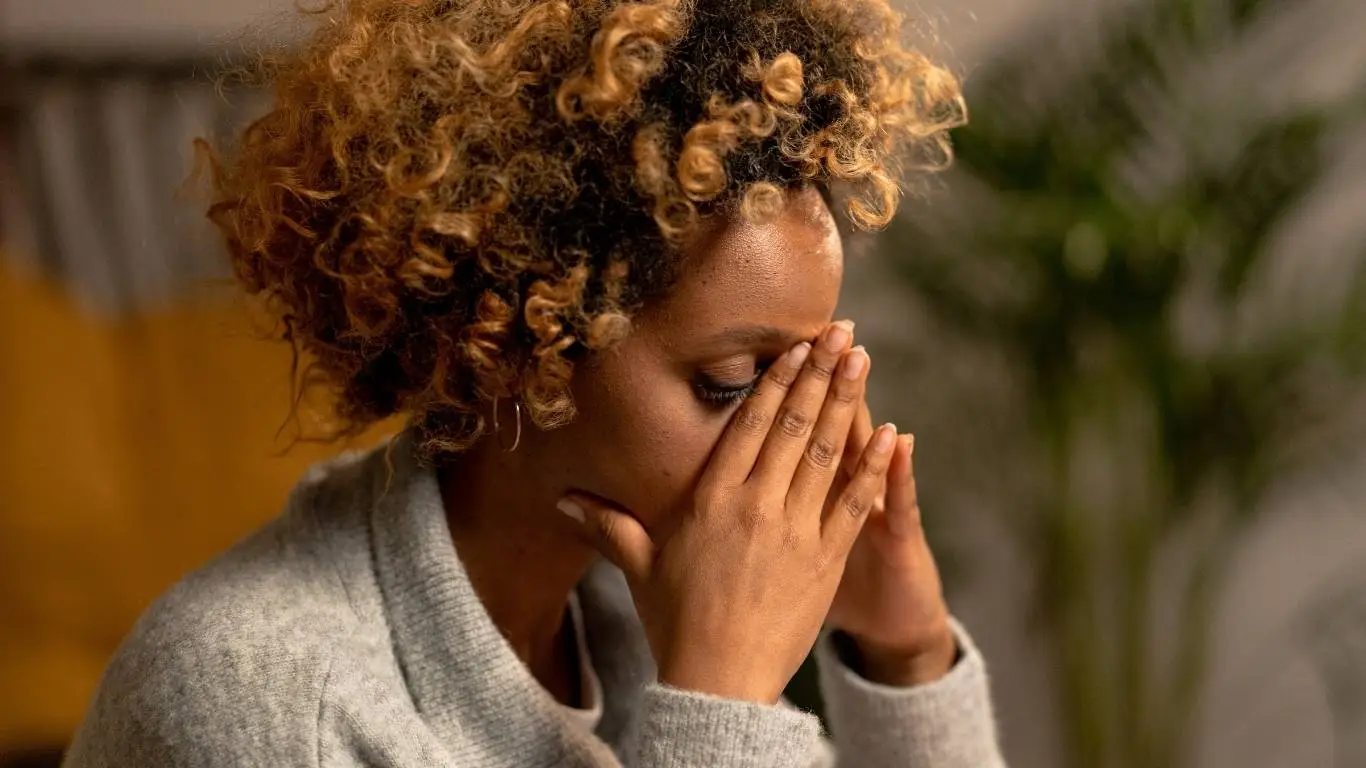
Online spaces were once where many of us went to relax, connect, and maybe even escape. But when these spaces become hostile, the effects ripple far beyond the screen. Unlike in-person insults, digital harassment often lingers: screenshots, public posts, DMs. It’s not just about the moment—it’s about the permanence.
Persistent Exposure to Threats and Insults
Scrolling back through hateful messages or seeing them reshared multiplies the emotional toll. It’s hard to heal when your trauma is searchable. I once had to uninstall an app for a week just to feel normal again. And that’s when I knew this wasn’t just stress—it was anxiety creeping into my daily routine.
Public Shaming and the Fear of Being Watched
There’s a unique anxiety that comes from knowing others have seen something negative about you. Even if you did nothing wrong, your brain convinces you everyone’s judging. That constant internal dialogue—“What if they believe it?”, “Should I respond or stay silent?”—is exhausting and affects self-esteem deeply.
How Anxiety Manifests After Online Harassment

Not all anxiety shows up the same way. But after online harassment, specific patterns tend to emerge. You may notice a heightened sense of alertness—or worse, a heavy, internal shutdown.
Emotional and Physical Symptoms to Watch For
- Racing heart, especially after notifications pop up
- Sudden bursts of fear or dread without clear triggers
- Avoidance of apps or messaging platforms altogether
- Feeling shaky or nauseated before checking your phone
- Difficulty sleeping, obsessing over “what they said”
This isn’t just “drama fatigue.” It’s your nervous system reacting to perceived danger. Many people underestimate this until it affects their job performance, relationships, or ability to focus. If you’re wondering whether this is common—you’re not alone. Anxiety’s impact on work and focus is a growing issue in the digital era.
Building Resilience in a Hyperconnected World

I’ll be honest—at first, I thought taking a “social media break” would fix it. It helped for a while. But true recovery came when I rebuilt the way I interacted with technology and people online. Resilience isn’t about ignoring what happened—it’s about reclaiming control, slowly and intentionally.
Reclaiming Digital Boundaries
- Mute and Block Without Guilt: Your mental health is more important than being polite to strangers. Use that block button.
- Curate Your Feeds: Follow accounts that uplift. Unfollow those that spike your anxiety—even if it’s people you know.
- Limit Notification Access: Don’t let every buzz derail your calm. Schedule time to check messages.
There’s no shame in choosing peace. It’s one of the simplest forms of self-care in a world that’s always on. This piece on building mental resilience helped shift my perspective in a powerful way.
Healing Starts Offline—And With Support

One surprising thing that worked for me? Journaling. I didn’t write anything profound—just little rants and thoughts. And over time, that act of “getting it out” made the weight lighter. Research supports that expressive writing helps manage anxiety symptoms and provides clarity.
Other Grounding Practices That Work
- Journaling for anxiety relief
- Breathwork exercises to reset your nervous system
- Progressive muscle relaxation to release tension
- Therapy—especially CBT or ACT—when self-tools aren’t enough
Therapies like Acceptance and Commitment Therapy (ACT) have shown promising results in addressing social and digital anxiety triggers. Don’t underestimate the power of professional guidance—even one session can change your path.
For those still unsure if it’s anxiety they’re feeling, here’s a closer look at the symptoms of anxiety disorders—often overlooked but very real. If your experience starts creeping into physical health or daily function, it’s time to take it seriously.
And to understand how anxiety can quietly hijack your day-to-day life without you realizing, the main guide on anxiety’s hidden control breaks it down in a way that’s eye-opening and validating.
When Online Harassment Leaves Lasting Emotional Scars
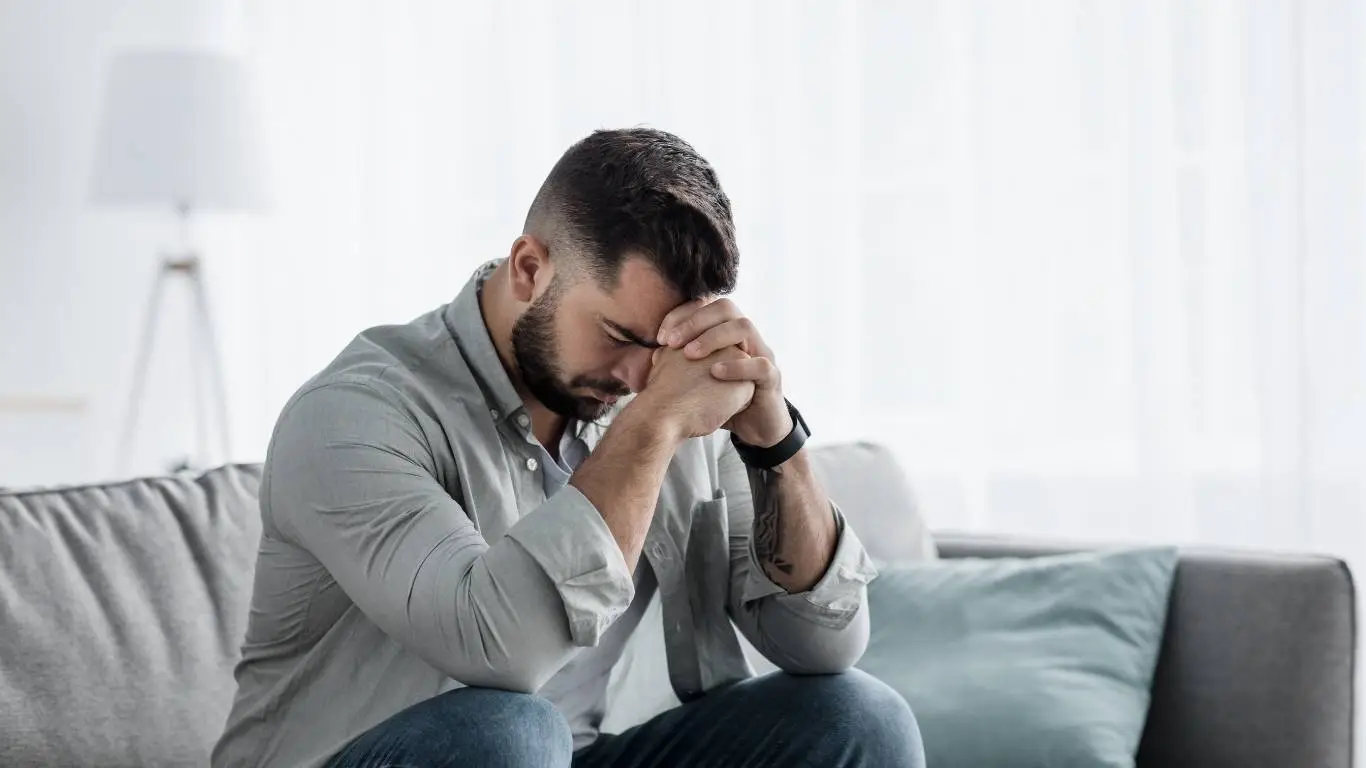
What most people don’t understand is that the impact doesn’t always stop when the harassment ends. For me, the anxiety stuck around long after the last DM was deleted. I’d still flinch when I heard that notification ping. My sleep suffered, I second-guessed every post I made, and social media stopped feeling “social.” It’s not just about the event—it’s the aftermath that stays with you.
PTSD-like Symptoms After Online Trauma
Yes, digital trauma is real. Research from Psychology Today highlights how persistent online abuse can trigger symptoms similar to PTSD, especially in vulnerable individuals. These may include:
- Flashbacks or intrusive thoughts when revisiting certain platforms
- Emotional numbing or detachment from others
- Hypervigilance, especially while engaging online
- Chronic insomnia or nightmares about the harassment
Many don’t realize their anxiety is connected to digital interactions until someone points it out. If that’s ringing a bell, you’re not imagining things—and it’s more common than you’d think.
Rewiring Your Brain After Trauma

Let’s talk recovery. For me, getting past the panic took more than “taking a break.” It required actively rebuilding trust in myself—and that meant rewiring my habits, not just my feeds. Neuroscience shows that our brain’s response to stress can be changed over time through conscious effort. That’s where techniques like mindfulness meditation and exposure therapy come in.
Small Habits That Help Restore Safety
- Start your day offline: Give yourself 30–60 minutes of peace before scrolling. It helps anchor your mind before the chaos begins.
- Use calming anchors: I used to keep a grounding object nearby (like a smooth stone or worry ring). It’s simple, but it helped shift focus when anxiety flared.
- Challenge negative internal scripts: Online harassment can rewire your self-talk. Cognitive reframing helped me start reclaiming my voice.
Want a deeper dive into retraining your thoughts? The guide on cognitive distortions and anxiety breaks down common traps and how to counter them—without getting too clinical.
Finding a Community That Gets It

One of the most underrated tools in healing from this kind of anxiety is finding people who understand—really understand. For me, that came through support groups. Both in-person and virtual groups helped me feel seen without needing to explain everything from scratch.
Support groups for anxiety sufferers aren’t just about venting; they’re about learning from each other’s coping strategies and progress. And it turns out, simply being heard without judgment is one of the most healing experiences out there.
Where to Look for Support
- Ask your therapist for group referrals
- Search for reputable online anxiety communities or forums
- Look into community mental health centers or virtual meetups
Connecting with others who’ve faced digital trauma can lessen that isolating feeling and remind you that your experiences are valid—and manageable.
Professional Tools That Go Beyond Talk

Sometimes, personal strategies aren’t enough—and that’s okay. What helped me most was being open to trying different types of therapy until I found what clicked. Not everyone vibes with traditional talk therapy. That’s why approaches like EMDR therapy or DBT are gaining ground, especially for trauma-related anxiety.
Need clarity on how anxiety is showing up in your body? Tools like the Beck Anxiety Inventory can offer a surprisingly accurate picture of your symptoms—especially if you’re not sure whether what you’re feeling is “serious enough.” Spoiler: if it’s affecting your life, it is.
For a broader understanding of diagnosis and available therapies, the detailed guide on diagnosing anxiety disorders is packed with professional insights and clear, actionable info.
Don’t Let Silence Shape Your Story

What helped me heal wasn’t pretending it didn’t happen. It was talking about it, writing about it, and slowly reconnecting with the parts of me that the harassment tried to shut down. If you’re reading this, chances are you’re already doing the work—even if it doesn’t feel like it yet.
Healing from online harassment-related anxiety isn’t linear. There are good days and rough ones. But with the right support, tools, and mindset, it becomes something you navigate—not something that controls you. If you’re ready to dive deeper into a full strategy, this comprehensive article on how anxiety disorders subtly affect your daily life is a must-read that ties everything together.
And to better understand how different forms of anxiety affect you silently, explore the full breakdown in this detailed guide on anxiety types.

Camellia Wulansari is a dedicated Medical Assistant at a local clinic and a passionate health writer at Healthusias.com. With years of hands-on experience in patient care and a deep interest in preventive medicine, she bridges the gap between clinical knowledge and accessible health information. Camellia specializes in writing about digestive health, chronic conditions like GERD and hypertension, respiratory issues, and autoimmune diseases, aiming to empower readers with practical, easy-to-understand insights. When she’s not assisting patients or writing, you’ll find her enjoying quiet mornings with coffee and a medical journal in hand—or jamming to her favorite metal band, Lamb of God.