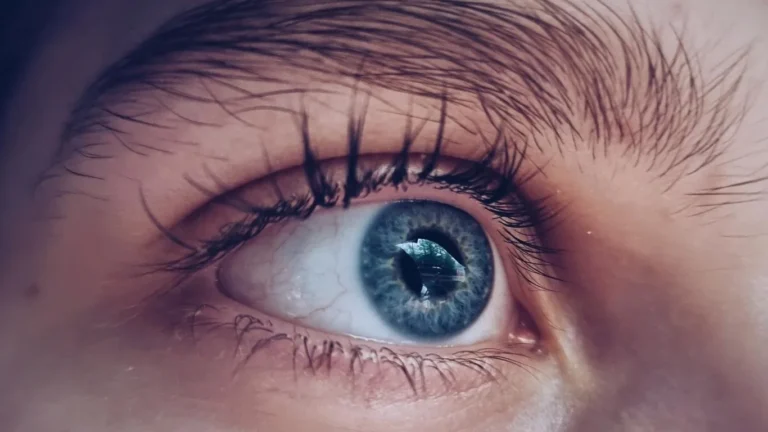
Dehydration Can Make Eye Floaters Worse If You Ignore It
There was a time I chalked up the weird floaty specks in my vision to lack of sleep or too much screen time. You know, those squiggly shadows that drift across your sight like tiny jellyfish? But after a hot summer hike left me dizzy, parched, and squinting through a barrage of new floaters, I realized dehydration might have more to do with it than I thought.
Can Dehydration Really Affect Your Eye Floaters?
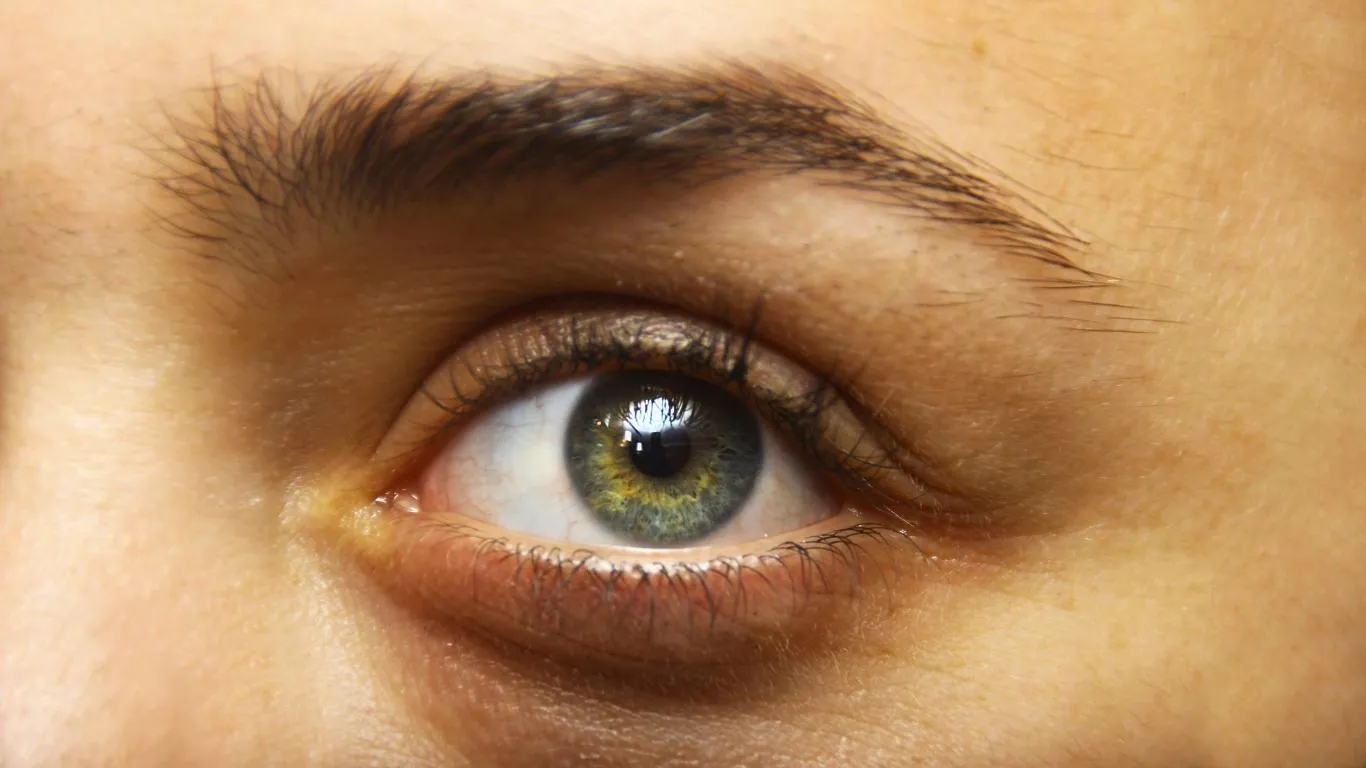
Short answer? Absolutely. Most people associate dehydration with dry skin, fatigue, or a pounding headache, but the effects go deeper—literally. Your eyes depend heavily on fluid balance to function properly, especially the vitreous humor, the gel-like substance that makes up around 80% of your eyeball.
When your body loses fluids—whether through sweat, illness, or just not drinking enough water—your eyes aren’t immune to the consequences. And if you’ve ever noticed more floaters on days you’re dehydrated or after a long, boozy night, you’re not imagining things.
Understanding Eye Floaters First
Floaters are those shadowy specks or threads that drift across your vision, particularly noticeable when you stare at a blank wall or bright sky. They’re usually caused by changes or clumping in the vitreous—sometimes collagen fibers breaking down as you age, or as the vitreous starts pulling away from the retina. They’re super common, especially after 40. Eye floaters in your 40s are basically a rite of passage.
So, What Happens to the Eye When You’re Dehydrated?
When you’re low on water, your body tries to conserve what little it has left. This includes reducing the amount of fluid in non-critical areas—like your eyes. The vitreous gel can shrink slightly or lose its uniformity, which may increase the perception of floaters. It’s like watching the inside of your eye turn from clear gelatin to a murky lava lamp.
Here’s What Dehydration Might Do:
- Make existing floaters more noticeable due to changes in light refraction inside the eye.
- Trigger new floaters by affecting the consistency of the vitreous gel.
- Increase eye strain, especially if dehydration is paired with screen time or poor sleep.
- Cause dry eyes, which doesn’t create floaters directly but can worsen visual discomfort overall.
In fact, there’s growing chatter among ophthalmologists that dehydration might exacerbate floaters in those already prone to them, especially in combination with other risk factors like aging, stress, or visual fatigue.
How to Know If Your Floaters Are Dehydration-Related
Here’s where things get a little personal. The first time I really noticed the connection was after a five-hour road trip in the middle of July with barely any water in my system. I ended up with a cluster of floaters that weren’t there the day before.
But how can you be sure it’s dehydration? Look for these signs:
- Floaters seem more pronounced after sweating a lot or drinking little.
- You feel sluggish, dizzy, or your mouth is dry—classic dehydration symptoms.
- Your vision clears slightly after rehydrating.
- Other floaters-related causes are ruled out (no trauma, infection, etc.).
If those check out, it’s likely your floaters could be worsened by dehydration—especially if you also deal with dry eye syndrome or long hours on digital screens.
How Much Water Should You Drink for Eye Health?
There’s no one-size-fits-all answer, but the typical “8 cups a day” advice is a decent place to start. Athletes or those in hot climates will need more, of course. I’ve noticed on days I hit 2.5 to 3 liters, my floaters are less distracting, and my eyes don’t feel as tired. Coincidence? Maybe. But worth trying? Definitely.
Also, Watch What You’re Drinking
Not all fluids are created equal. Coffee, alcohol, and sugary drinks can have a diuretic effect, which means they may actually dehydrate you more.
- Alcohol: Commonly linked to worsening floaters.
- Caffeine: Still up for debate, but moderation is key.
- Hydration-friendly picks: Water, electrolyte drinks, and even watermelon are great.
When to Worry and See a Doctor
Not every increase in floaters is benign. If you suddenly see a shower of floaters, flashes of light, or a dark curtain over part of your vision, don’t wait. That could mean a retinal tear or detachment. Floaters before a retinal tear are not something to brush off.
It’s a good idea to also explore how to manage floaters holistically. One of the most useful resources I found was this detailed guide on natural ways to manage floaters which breaks down what actually works and what’s hype.
If you want to go even deeper into how floaters form, causes, risks, and treatment options, the main pillar guide on eye floaters is the place to start.
Other Hidden Factors That Make Dehydration and Floaters Worse
Here’s the kicker: dehydration rarely acts alone. It often teams up with other lifestyle culprits that quietly sabotage your vision. Think stress, eye strain, sleep deprivation—all of which mess with your body’s hydration levels and your eye’s internal balance.
1. Chronic Stress
Stress triggers cortisol, which in high levels can affect collagen structures in your body—including your eyes. Couple that with dehydration, and your vitreous is taking a double hit. There’s a reason stress is linked to floaters.
2. Screen Time Burnout
Most of us stare at screens way longer than we should. It dries out your eyes and leads to something I’ve personally battled: forgetting to blink. Combine that with low hydration, and floaters feel like they’re multiplying. You’re not alone—screen-related floaters are becoming way too common.
3. Late Nights & Poor Sleep
Lack of quality sleep can lead to poor fluid regulation in the body. On days after a bad night, I often wake up with more visible floaters. Add that to a low water intake and—yep—you’ll notice it.
What Can You Do Today to Hydrate for Your Eyes?
Here’s the good news: you don’t need fancy eye drops or expensive supplements to start seeing improvements. Staying hydrated consistently is one of the simplest (and cheapest) ways to support your eyes—especially if you’re prone to floaters.
Simple Eye-Friendly Hydration Habits:
- Start your day with water before coffee. It sets your hydration baseline right away.
- Set an hourly hydration reminder—even a small sip helps.
- Eat your water: cucumbers, oranges, melons, and leafy greens do wonders.
- Cut back on diuretics like alcohol, soda, and even too much coffee.
- Balance electrolytes—especially if you sweat a lot or work out.
Many people also explore supplements for floaters, and while hydration should always be your foundation, a few vision-specific nutrients can support overall eye health.
Do Floaters From Dehydration Go Away?
This is probably one of the most common questions I get when people hear I’ve been writing about floaters: “Will they go away if I rehydrate?” The answer isn’t always straightforward, but in some cases—yes.
If the floaters were caused by temporary shifts in the vitreous due to dehydration, restoring fluid balance can sometimes help them fade or become less noticeable. But floaters caused by structural changes (like age-related vitreous degeneration) won’t just vanish with a glass of water. That said, hydration can make a big difference in comfort, visibility, and severity.
What If They Don’t Go Away?
Sometimes, floaters linger. If you’ve upped your water intake, adjusted your lifestyle, and you’re still struggling, it might be time to consider treatment options. These range from simply monitoring (yes, doing nothing is still a plan) to procedures like laser vitreolysis or vitrectomy in more serious cases.
A solid starting point is checking out available treatments for floaters. It’s always better to know your options than to ignore something that’s messing with your quality of life.
What Eye Experts Say About Hydration and Vision
According to optometrists and ophthalmologists, hydration plays a much bigger role in visual clarity than most patients realize. There’s plenty of anecdotal and emerging clinical evidence that links systemic hydration with floaters, particularly in patients who experience sudden onset after illness or exertion.
Drinking enough water is now considered one of the easiest and most accessible ways to manage floaters—especially for people with dry eye tendencies or high screen time.
And if you’re like me—someone who once dismissed floaters as a minor annoyance—it’s worth rethinking how seriously hydration impacts your eyes.
Takeaways That Stick
- Floaters can become more visible or increase due to dehydration, especially when paired with screen strain, stress, or aging.
- Simple hydration habits—like starting your day with water—can noticeably reduce the intensity of floaters for some people.
- If floaters persist or change suddenly, always seek medical evaluation to rule out retinal issues.
- Managing floaters isn’t always about invasive treatments. It often starts with lifestyle tweaks that actually stick.
Want to explore deeper into the potential causes of your eye floaters beyond just hydration? Dive into the full guide on common causes of eye floaters and how they evolve across different ages and health conditions.

Camellia Wulansari is a dedicated Medical Assistant at a local clinic and a passionate health writer at Healthusias.com. With years of hands-on experience in patient care and a deep interest in preventive medicine, she bridges the gap between clinical knowledge and accessible health information. Camellia specializes in writing about digestive health, chronic conditions like GERD and hypertension, respiratory issues, and autoimmune diseases, aiming to empower readers with practical, easy-to-understand insights. When she’s not assisting patients or writing, you’ll find her enjoying quiet mornings with coffee and a medical journal in hand—or jamming to her favorite metal band, Lamb of God.