Key Differences Between Anxiety And Stress Disorder You Must Know
If you’ve ever found yourself lying awake at night wondering whether what you’re feeling is anxiety or stress, you’re not alone. I remember sitting in my car after a particularly exhausting workday, heart racing, palms sweaty, thinking, “Is this just stress… or something more?” It’s a question many of us wrestle with, especially when the physical and emotional symptoms seem to blur together. The truth is, while anxiety and stress can feel similar, they have distinct characteristics that matter — both for understanding your mental health and for finding the right approach to manage it.
Understanding the Core Differences
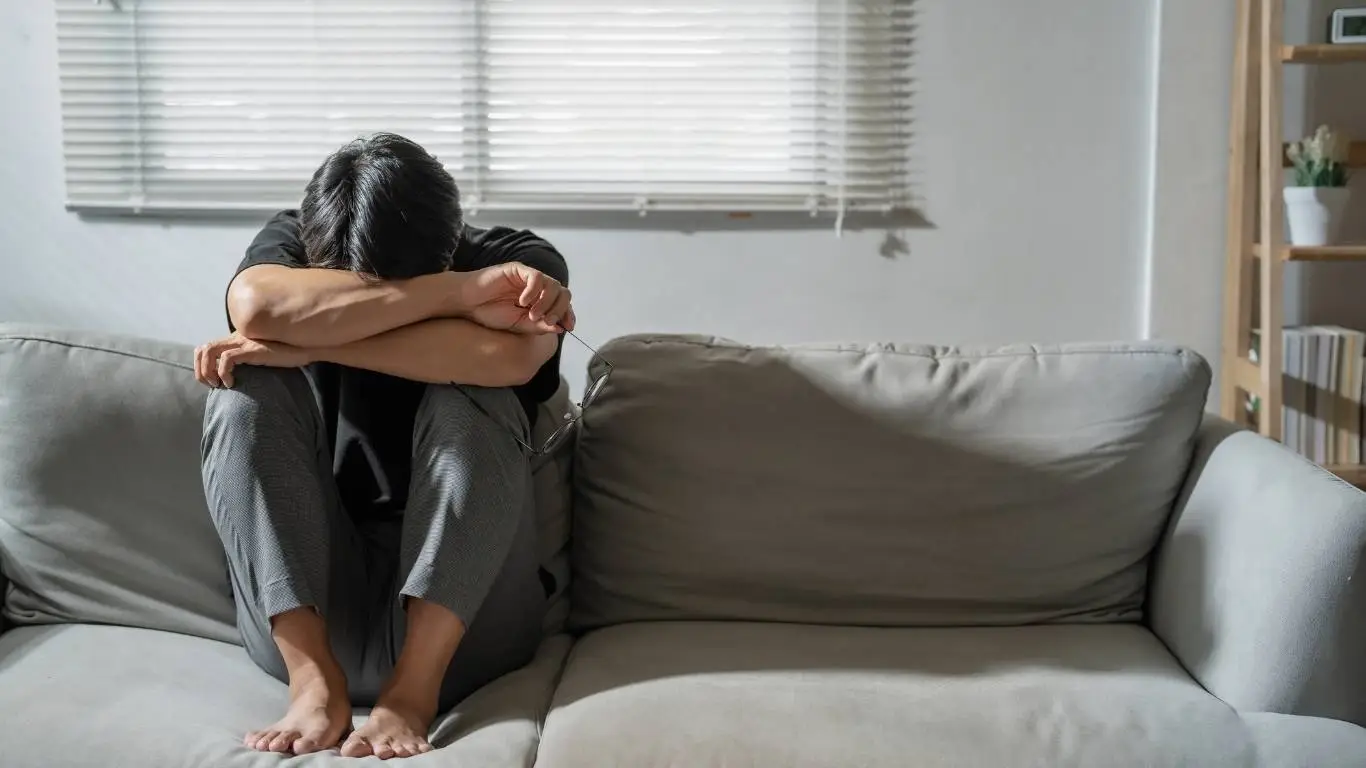
Stress is typically your body’s response to an external demand. It’s like the mental and physical rev-up before a big presentation or when you’re under a tight deadline. Anxiety, on the other hand, is more persistent and doesn’t always have a clear trigger. It’s that ongoing sense of dread or worry that sticks around even when the “cause” is gone.
One psychologist I once spoke with compared it this way: stress is the spark, anxiety is the lingering smoke that keeps making your eyes water. Stress often disappears once the stressful situation is resolved. Anxiety can hang around, and sometimes it grows even when nothing obvious is happening.
Key Distinctions You Should Know
- Duration: Stress tends to be short-term and tied to a specific situation. Anxiety can be chronic and extend beyond a single event.
- Triggers: Stress has a clear cause; anxiety might not have one you can pinpoint.
- Symptoms: Stress can cause irritability, headaches, or tense muscles. Anxiety often includes excessive worry, restlessness, and intrusive thoughts.
- Resolution: Removing the stressor often eases stress. Anxiety may persist even after stressors are removed.
Physical Symptoms: How Your Body Signals the Difference

Stress and anxiety can both cause a racing heart, sweating, and tense muscles — which makes telling them apart tricky. But I’ve noticed in myself and others that anxiety often adds layers: stomach knots that last for days, difficulty sleeping even when you’re bone-tired, or a feeling like you’re always “on edge.”
Studies from NIH have shown that anxiety can even alter breathing patterns, which is why breathing exercises are often recommended as part of managing it. Stress might leave you exhausted at the end of the day, but anxiety can keep you in a state of hypervigilance — like your body won’t turn off the alarm system.
Typical Physical Reactions
- Stress: Muscle tension, headaches, temporary insomnia, elevated heart rate during specific events.
- Anxiety: Persistent restlessness, gastrointestinal issues, trembling, chronic sleep disturbances.
Emotional and Cognitive Impact
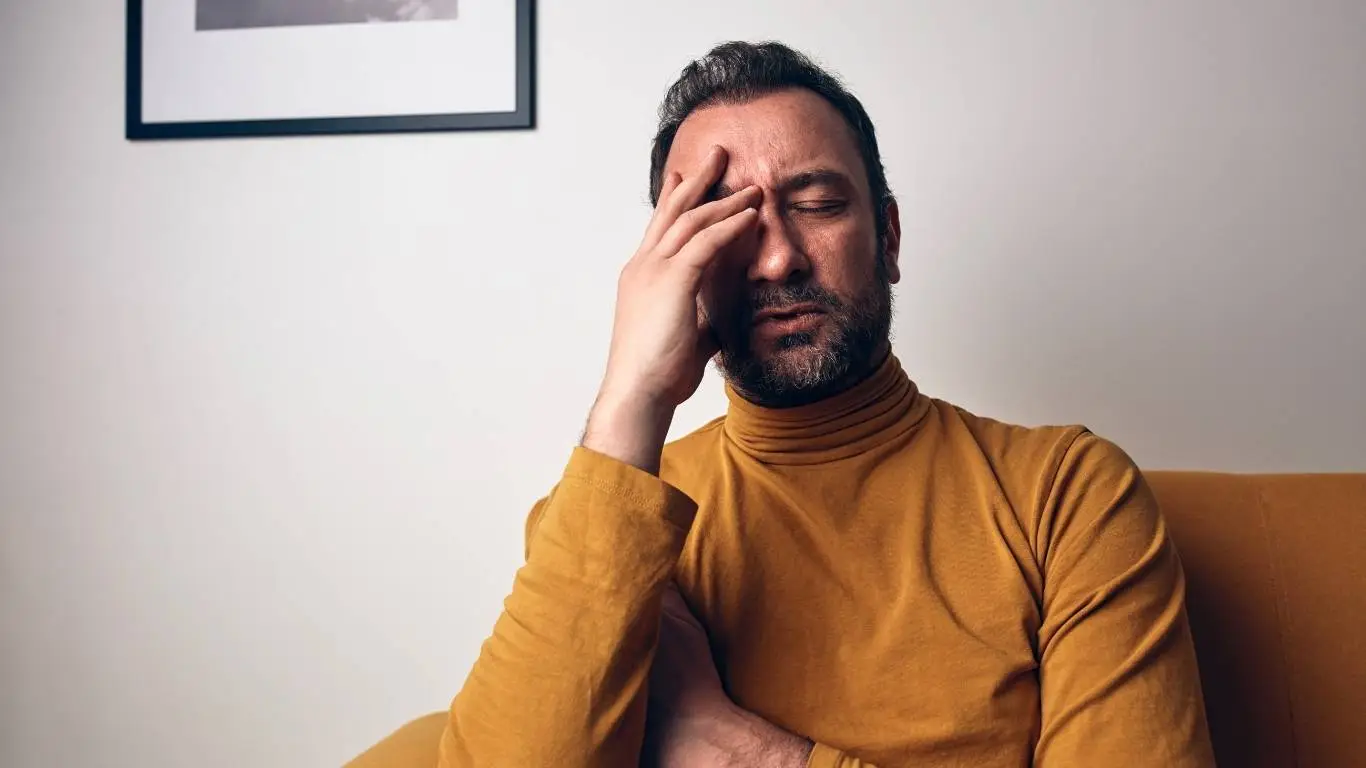
When I’m stressed, I usually know why. It’s the looming deadline, the overbooked calendar, the traffic jam making me late. Anxiety feels different — it’s like my brain runs “what if” scenarios on a loop, even when life is calm. I’ve had mornings where everything is fine on paper, but my mind is spinning with irrational fears about things that might never happen.
Stress can make you snappy, impatient, or forgetful in the short term. Anxiety can cloud your judgment for weeks or months, sometimes leading to avoidance behaviors or obsessive thought patterns. This is one reason why cognitive distortions are more closely linked with anxiety than stress.
Signs to Watch For
- Stress: Clear irritability, racing thoughts about the task at hand, temporary dips in focus.
- Anxiety: Ongoing worry, catastrophic thinking, feeling unsafe even in safe environments.
When Stress Turns Into Anxiety

Here’s where things get complicated: prolonged stress can develop into an anxiety disorder. I learned this firsthand when a busy season at work didn’t just fade after the projects ended. Instead, I found myself avoiding social plans, having trouble sleeping, and feeling a constant undercurrent of worry. According to Mental Health Foundation, chronic stress can rewire your body’s stress response, making it easier for anxiety to take hold.
Recognizing this shift is crucial. If you’ve been under stress for weeks or months and symptoms persist or intensify, it might be time to explore whether anxiety is part of the picture. That’s when tools like the GAD-7 questionnaire can help give clarity.
How Professionals Diagnose the Difference
Mental health professionals don’t just rely on a list of symptoms. They consider your medical history, the timeline of your experiences, and how symptoms affect your daily life. In my own experience with therapy, my counselor asked about patterns — whether I could link feelings to specific events or if they seemed to appear “out of the blue.”
If anxiety is suspected, they might recommend an assessment that goes beyond surface symptoms. Stress-related diagnoses, on the other hand, often connect directly to situational triggers and tend to have more straightforward treatment paths.
For anyone curious about deeper causes, the hidden causes of anxiety can offer insights into why certain people are more prone to it — even when life seems “fine” on the outside.
Why Getting It Right Matters

Labeling your experience accurately isn’t just about semantics. Stress and anxiety can require different strategies. Stress often benefits from time management changes, lifestyle adjustments, and removing or reducing stressors. Anxiety may need additional interventions, such as therapy, medication, or targeted self-help techniques.
On a personal note, realizing I was dealing with anxiety rather than just “being stressed” made me more proactive. I sought out resources like psychotherapy and began practicing specific coping methods rather than waiting for life to “calm down.”
For a comprehensive overview of types, causes, and approaches, the types of anxiety disorders guide and main overview are excellent resources to start with.
Practical Ways to Manage Both Anxiety and Stress
Once you understand whether you’re dealing with anxiety, stress, or a mix of both, the next step is finding strategies that actually work for your lifestyle. I used to think that just “powering through” was the solution — until I hit a wall. Now I know that having a toolkit of coping techniques makes all the difference.
For stress, tackling the root cause often works wonders. With anxiety, the approach is usually a mix of symptom management and addressing underlying patterns. The good news? Many techniques overlap and can help you feel more grounded either way.
Daily Habits That Help
- Mindful breathing: Simple but powerful. Try breathwork exercises to reset your nervous system in minutes.
- Physical activity: A brisk walk or yoga session can burn off stress hormones and calm anxious energy.
- Structured downtime: Scheduling rest like you would a meeting keeps it from being pushed aside.
- Balanced nutrition: A diet rich in whole foods and magnesium-rich foods supports both mental and physical health.
Therapeutic Interventions Worth Considering

Sometimes lifestyle changes aren’t enough, especially if your symptoms are intense or long-lasting. That’s when professional help can become a game-changer. I remember the first time I tried cognitive behavioral therapy — it was like finally getting the manual for how my thoughts and feelings were wired.
Therapists might recommend:
- CBT: Helps you identify and reframe unhelpful thought patterns.
- Mindfulness-based therapy: Teaches you to stay present and reduce reactivity.
- Exposure therapy: Gradually reduces fear by safely confronting triggers.
- Group therapy: Offers support from others who understand your experience.
Medication can also be part of the plan for some people. Options like SSRIs or beta-blockers may be suggested after careful evaluation. If you’re curious, this breakdown on SSRIs can help you weigh the pros and cons with your doctor.
Self-Help Tools That Actually Work

One thing I’ve learned is that self-help tools can be just as effective as formal treatment when used consistently. During a particularly rough patch, I kept a journal to track symptoms, triggers, and small wins — something that kept me from feeling overwhelmed by the big picture.
- Journaling: Try guided prompts to process emotions and spot patterns.
- Relaxation techniques: From progressive muscle relaxation to soothing music, these can be quick resets.
- Limiting stimulants: Cutting back on caffeine can ease jitteriness and racing thoughts.
- Sleep hygiene: Consistent sleep schedules and a calm bedtime routine can improve both anxiety and stress.
When to Seek Professional Help Immediately

If you ever find that your symptoms are interfering with your ability to work, maintain relationships, or enjoy life, it’s time to get help. Some red flags include panic attacks, persistent feelings of dread, or physical symptoms that disrupt daily activities. In these cases, a professional diagnosis and tailored treatment plan are essential.
For a closer look at the diagnostic process, you can explore diagnostic test options and see how they might apply to your situation.
Building Long-Term Resilience

Long-term resilience isn’t about never feeling stress or anxiety again — it’s about bouncing back faster and keeping symptoms manageable. Personally, I’ve found that combining therapy with lifestyle changes creates the most lasting results. It’s like tending to both the roots and the leaves of a plant: you need to nurture the system as a whole.
Some of the best resilience-builders include:
- Maintaining social connections — even when you feel like isolating.
- Regularly revisiting coping strategies to adapt as life changes.
- Staying informed about mental health through trusted sources like APA.
Taking the First Step
Whether you start with a simple breathing exercise, reach out to a therapist, or just take a moment to recognize what you’re feeling, that first step matters. Every small action builds momentum. And the more you understand the key differences between stress and anxiety, the better equipped you’ll be to manage them before they take control.

Camellia Wulansari is a dedicated Medical Assistant at a local clinic and a passionate health writer at Healthusias.com. With years of hands-on experience in patient care and a deep interest in preventive medicine, she bridges the gap between clinical knowledge and accessible health information. Camellia specializes in writing about digestive health, chronic conditions like GERD and hypertension, respiratory issues, and autoimmune diseases, aiming to empower readers with practical, easy-to-understand insights. When she’s not assisting patients or writing, you’ll find her enjoying quiet mornings with coffee and a medical journal in hand—or jamming to her favorite metal band, Lamb of God.