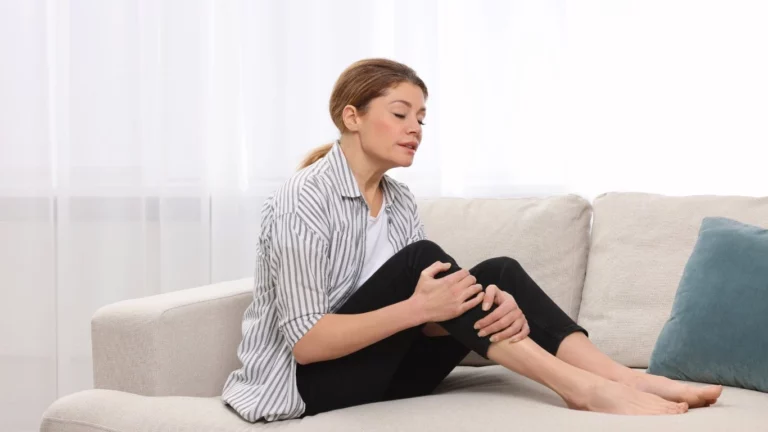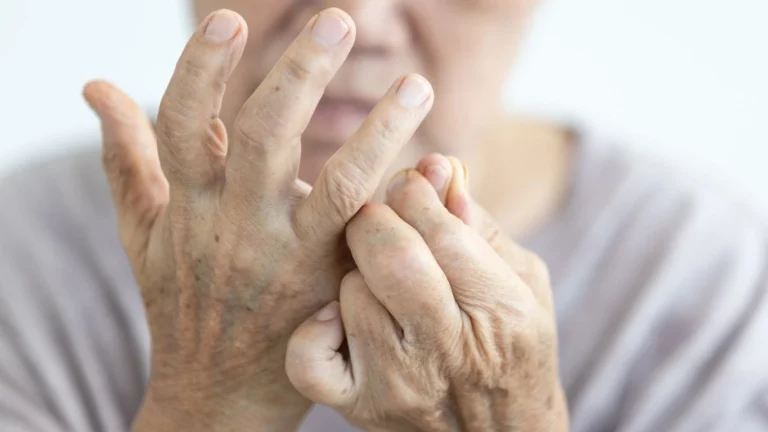
Key Differences Between Axial and Radicular Back Pain Explained
You know, for the longest time, I thought all back pain was created equal. If my lower back was aching or sending some strange signals down my leg, I’d just blame it on bad posture or maybe that one awkward twist I did in yoga. But it turns out, there’s an important difference between what doctors call axial back pain and radicular back pain—and understanding that can completely change how you treat it. Knowing the distinction not only saved me from wasting time on the wrong therapies but also helped me explain my pain better to my doctor.
Understanding the Difference Between Axial and Radicular Back Pain

Back pain is one of those things nearly everyone experiences, but surprisingly few people know what type of pain they’re actually dealing with. That’s why a lot of treatments fail—they’re not targeting the right kind of discomfort. Let’s break it down in plain language.
What Is Axial Back Pain?
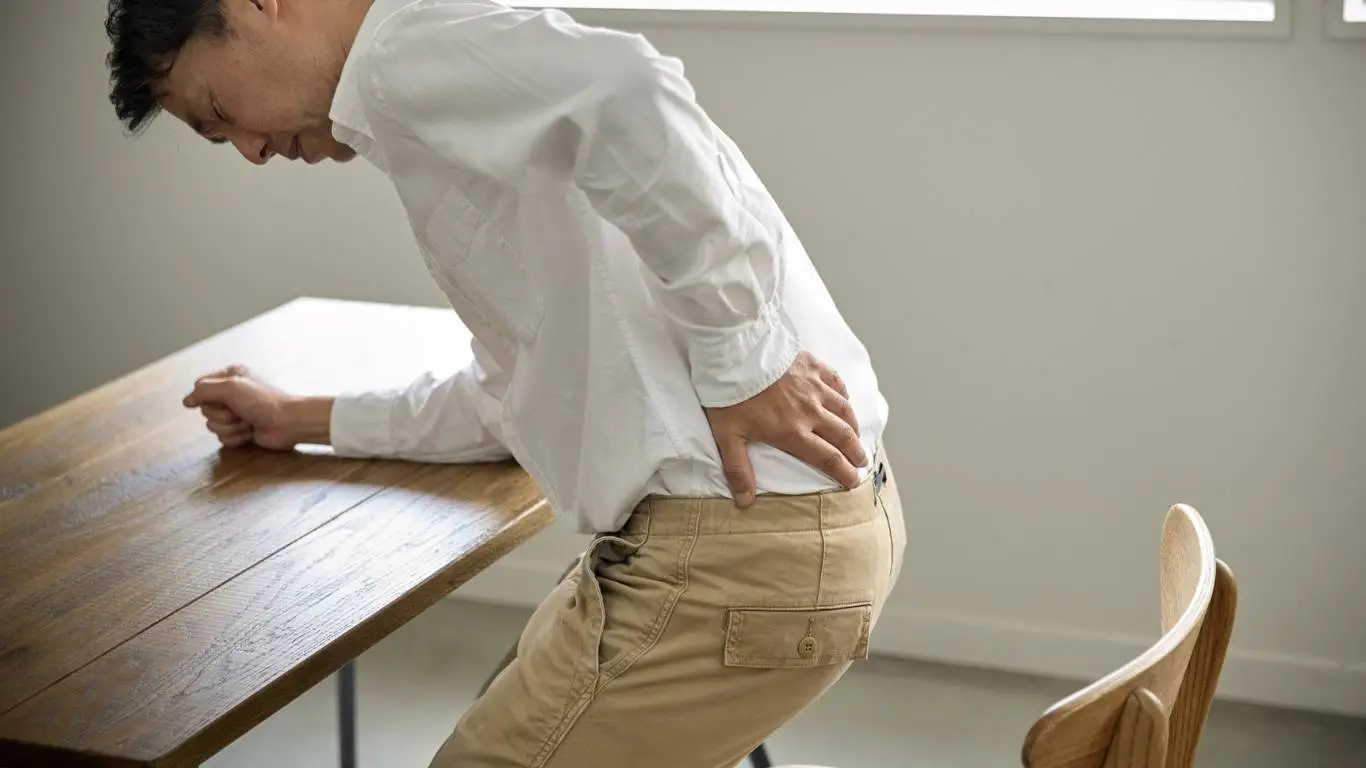
Axial back pain, sometimes called mechanical back pain, is localized. That means the pain stays put—usually right in the lower back, upper back, or sometimes the neck. It doesn’t shoot down your arms or legs. It’s just… there. Deep, nagging, sometimes sharp, often dull. In my case, I used to feel it like a knot in my lower spine after long hours at my desk. No radiating pain, just a persistent throb that made standing up a production.
- Origin: Comes from muscles, joints, discs, or ligaments in the spine
- Location: Centralized pain—doesn’t travel
- Symptoms: Dull ache, stiffness, sore to touch
This kind of pain is usually related to movement or posture, and it’s often triggered by things like:
- Poor desk ergonomics
- Improper lifting techniques
- Sudden physical exertion without warm-up
For more on how bad posture contributes to chronic back pain, Healthusias has a detailed article that dives into posture traps I didn’t even know I was falling into.
What About Radicular Back Pain?
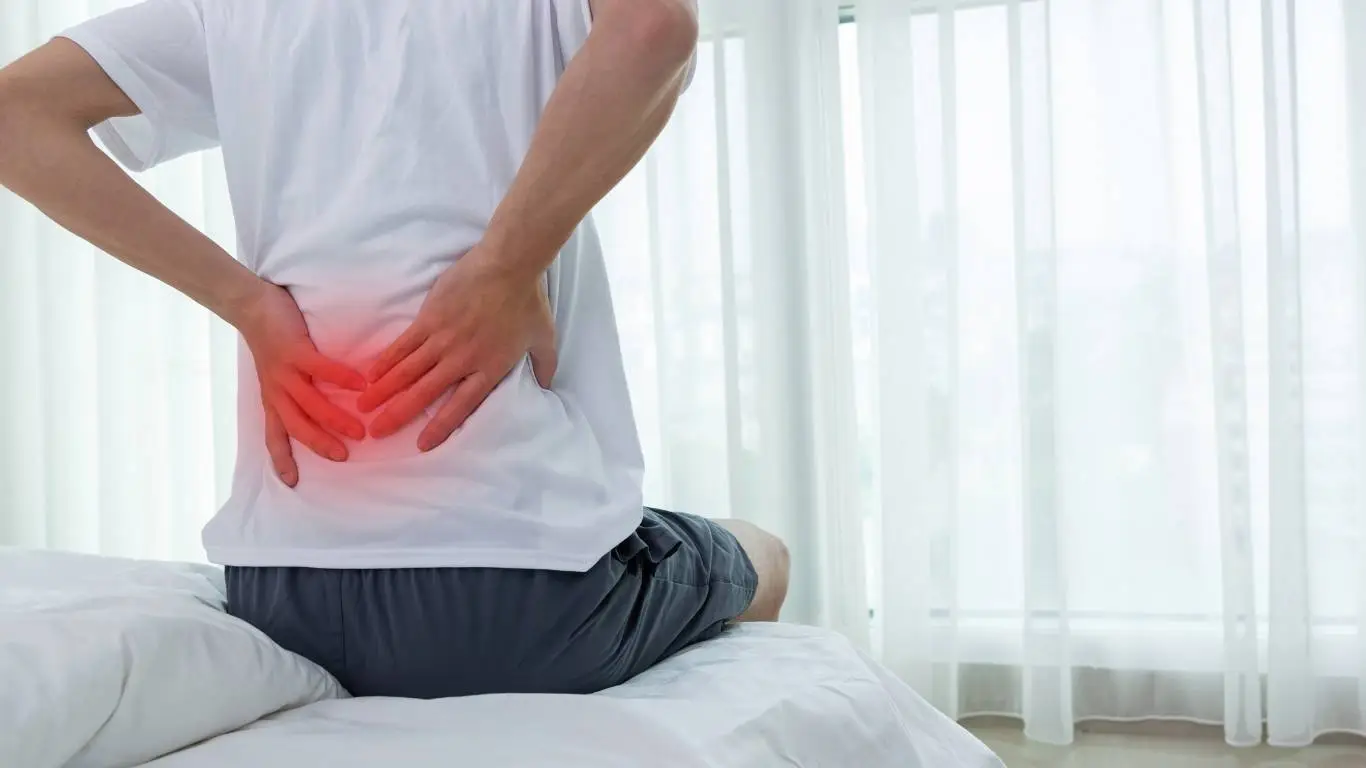
Now, this one’s a whole different beast. Radicular pain is radiating pain. The keyword here is nerve. It’s caused when a spinal nerve root gets compressed, irritated, or inflamed. The result? Pain that travels down a nerve pathway. Think: sciatica. That zinging, electric jolt that shoots from your lower back through your glutes and down your leg? Classic radicular pain.

- Origin: Spinal nerve roots (compressed or inflamed)
- Location: Radiates from back to limbs
- Symptoms: Tingling, numbness, burning, weakness
There was a point where I couldn’t sit for more than 10 minutes without that deep, burning nerve pain crawling down my thigh. Turns out, I had a disc bulging onto my L5 nerve root. If that sounds familiar, this guide on bulging disc management is an absolute must-read.
How Doctors Tell Them Apart

Here’s where it gets a bit medical—but still simple enough for the rest of us. When you walk into a clinic with back pain, your physician isn’t just poking around randomly. They’re checking whether your pain is local or radiating. They’ll ask about the pattern of the pain, what triggers it, and how far it goes. In some cases, imaging like an MRI can confirm if there’s nerve compression involved, like with a herniated disc.
Knowing the type of pain helps guide treatment. Radicular pain? You’re probably looking at anti-inflammatories, physical therapy, or epidural steroid injections in some cases. Axial pain? Might be core strengthening, posture correction, or even massage therapy like this breakdown of proven massage techniques.
Common Causes of Each Type
Axial Pain Triggers
- Muscle strains (often from overuse or bad form)
- Facet joint arthritis
- Degenerative disc disease
- Poor posture and sedentary behavior
Here’s a deep dive on how degenerative disc disease affects daily life, which I wish I’d read a year ago when I kept brushing off that stiffness as “normal aging.”
Radicular Pain Culprits
- Herniated discs pressing on nerves
- Spinal stenosis
- Spondylolisthesis
- Nerve root inflammation
If your back pain is radiating, chances are you’ll find this article on spinal stenosis and its impact on mobility particularly helpful.
Which One Are You Dealing With?
It’s not always clear-cut. Some folks have both types at the same time (lucky us). But knowing what to look for and being able to describe your pain more accurately gives you a serious edge in getting the right diagnosis and treatment.
More importantly, it helps you avoid making it worse. I remember thinking stretches would fix everything, but certain stretches actually aggravated my radicular pain because they tugged on already compressed nerves.
So next time your back acts up, ask yourself: Is the pain staying put, or is it traveling down your leg or arm? That one question can steer you toward a better solution.
To explore all the subcategories of back pain—especially how nerve roots, discs, joints, and muscles interplay—check out this comprehensive guide on back pain symptoms and diagnosis and the broader back pain hub that ties it all together.
For professional insights, you can also consult Mayo Clinic or Spine-health for deeper clinical explanations.
Managing Axial and Radicular Back Pain Differently

Once I understood what kind of back pain I was dealing with, my recovery became way more focused—and surprisingly faster. Treating axial pain is a whole different ballgame from managing radicular symptoms. Trying to use one-size-fits-all methods? That was my first mistake. Let’s talk treatment strategies that actually make sense for each type.
Best Ways to Treat Axial Back Pain
Most of the time, axial pain responds well to conservative, non-invasive strategies. Honestly, for me, switching to a more supportive chair and adding a daily 10-minute core routine changed everything. Sometimes it’s the little things.
- Postural correction: Focus on alignment and mobility. A good ergonomic chair can do more than painkillers ever will.
- Massage and manual therapy: Soft tissue release, cupping, and deep tissue massage help relieve muscle knots and tension.
- Targeted stretches: I swear by these proven stretches for axial relief that loosen things up without causing nerve flare-ups.
- Strengthening the core: If your back is doing all the work, it’s time to delegate. Core-focused rehab is crucial for stability.
Don’t underestimate the value of a well-designed exercise and rehab program. It’s not just for athletes—it’s literally what keeps your spine upright and functional.
What Works for Radicular Pain
When we’re talking nerve pain, the approach needs to be much more cautious and calculated. If you’ve ever felt that electric jolt in your leg while tying your shoes, you already know you can’t just “stretch it out.” Been there, regretted that.
- Inflammation control: This is usually step one. Ice, rest, and short-term NSAIDs help take the edge off.
- Physical therapy: Focused on decompression, mobility, and avoiding provocative positions. I had success with nerve glides and modified Pilates.
- Injections and interventional treatments: Like epidural steroid injections that reduce inflammation around compressed nerve roots.
- In severe cases: When nerve damage risk is high or mobility is affected, surgery options like microdiscectomy may be discussed.
And please—stop doing movements that aggravate your symptoms. I used to stretch my hamstrings daily, thinking it would help. Instead, I was pulling directly on my sciatic nerve and worsening the pain. A physical therapist literally told me: “You’re stretching your nerve, not your muscle.” Oops.
Daily Life Adjustments That Support Long-Term Relief

It’s not just what happens on the treatment table that matters. Your daily habits either heal or hurt your spine. I used to think treatment was a one-hour event. The truth? It’s a 24-hour lifestyle. Here’s what helped me stop the pain from coming back:
- Sleep positioning: Sleeping in the wrong position wrecked my mornings. Check out these sleep positions that actually help.
- Standing breaks: I now use a timer every 45 minutes to stand, stretch, or walk. It made a massive difference in both pain levels and focus.
- Footwear: Shoes with poor support mess with your spine. Here’s how the wrong shoes affect back health.
- Workstation setup: Elevate screens, support your lumbar, keep feet flat. Simple changes, serious impact.
Psychological and Emotional Aspects

What no one tells you is that back pain doesn’t just affect your body. It messes with your mind. The constant discomfort wore me down emotionally. I was more irritable, anxious, and honestly, sometimes depressed. Turns out, that’s extremely common.
There’s a growing body of research connecting chronic pain and mental health. And addressing that side of the equation was a huge breakthrough for me. I found unexpected relief from strategies like:
These aren’t fluff—they work because they change how your brain processes pain. That’s real science, backed by organizations like NIH and NCBI.
When to See a Specialist

If your symptoms last more than a few weeks, worsen with time, or include things like numbness, weakness, or bladder/bowel changes—stop Googling and start dialing your provider. I waited too long, thinking I was just being dramatic. Not worth it.
In those situations, it’s crucial to visit a spine specialist who understands the specific nuances of your condition. Whether you’re an athlete, desk worker, or busy parent, your treatment should reflect your lifestyle.
Start here: healthusias.com/back-pain for the main resource hub and bookmark the deeper dive on diagnosis and symptoms. The difference between axial and radicular back pain isn’t just medical jargon—it’s the key to getting your life back.

Camellia Wulansari is a dedicated Medical Assistant at a local clinic and a passionate health writer at Healthusias.com. With years of hands-on experience in patient care and a deep interest in preventive medicine, she bridges the gap between clinical knowledge and accessible health information. Camellia specializes in writing about digestive health, chronic conditions like GERD and hypertension, respiratory issues, and autoimmune diseases, aiming to empower readers with practical, easy-to-understand insights. When she’s not assisting patients or writing, you’ll find her enjoying quiet mornings with coffee and a medical journal in hand—or jamming to her favorite metal band, Lamb of God.