
Serious Difference Between Floaters And Retinal Tears You Shouldn’t Ignore
Last summer, I was sitting on my porch enjoying a bright afternoon when I suddenly noticed tiny dark specks drifting across my vision. At first, I shrugged it off—thinking maybe I just needed more sleep. But the next day, there was a sudden flash of light in my peripheral vision, like a camera going off. That’s when I started digging deeper into what was going on with my eyes, and honestly, I wish I’d known the difference between floaters and retinal tears sooner.
What Are Eye Floaters, Really?
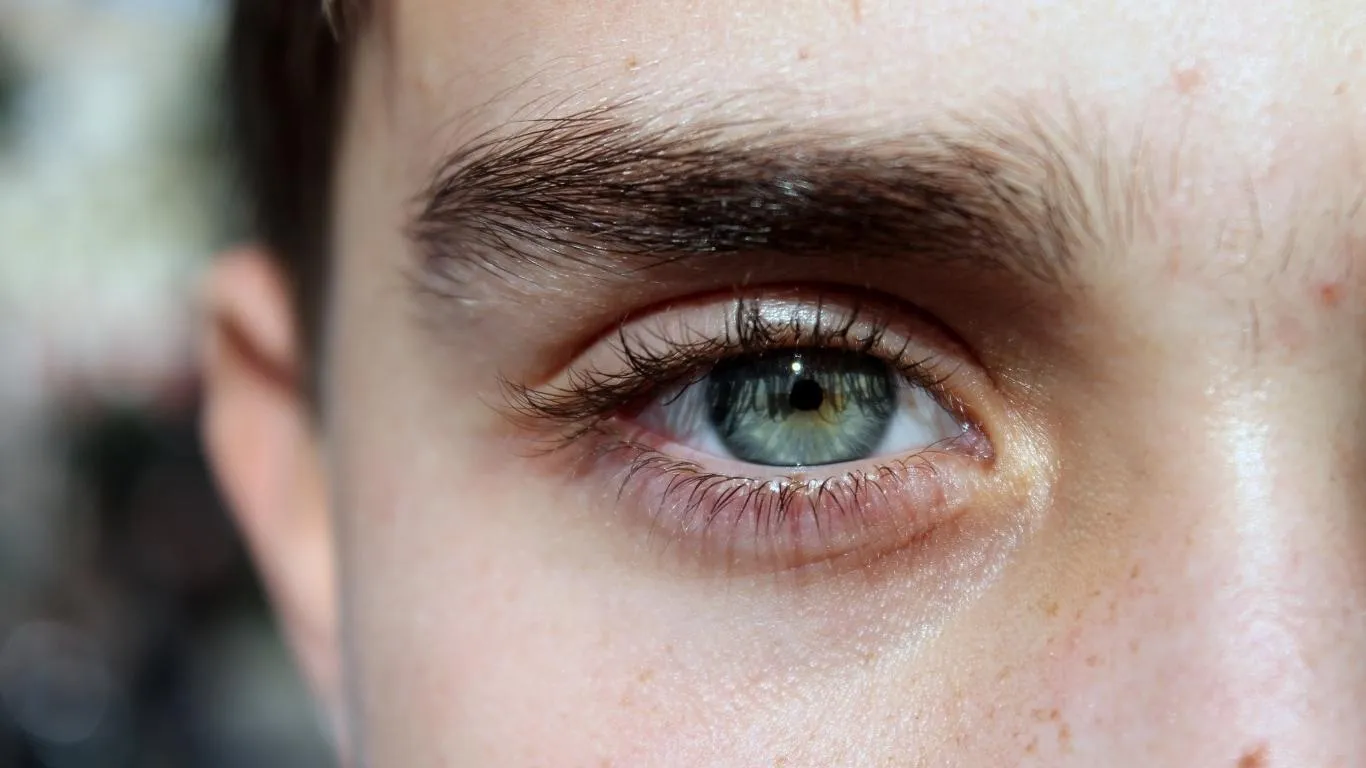
Floaters are those little squiggly shadows or dots that drift around when you’re staring at a plain background—like a blue sky or white wall. Most of the time, they’re nothing to panic over. They’re a natural part of aging and are usually caused by changes in the vitreous, the gel-like substance that fills your eyeball.
How Floaters Form
The gel inside our eyes starts to shrink as we get older, and it becomes a bit stringy. These strands cast shadows on the retina, and that’s what we see as floaters. It’s basically your eye’s version of static noise. Kind of annoying, but mostly harmless.
When Floaters Might Signal Trouble
Although floaters are usually benign, a sudden increase—especially if combined with light flashes—might signal a bigger issue. That’s how I discovered what I had wasn’t just “normal aging.” One of the key red flags I ignored at first was a sudden burst of floaters. Lesson learned.
So, What’s a Retinal Tear?

A retinal tear is far more serious than just floaters. It’s when the retina—the thin layer of tissue lining the back of the eye—literally tears. That sounds as bad as it is. And unlike floaters, which you can usually live with, retinal tears can lead to permanent vision loss if not treated promptly.
What Causes Retinal Tears?
- Age-related vitreous detachment pulling on the retina
- High myopia (nearsightedness)
- Eye trauma—like a punch or sports injury
- Previous eye surgeries
- Genetic predispositions
Even something as simple as an eye injury from sports can be the trigger. It’s not always dramatic—sometimes, it creeps up without much warning.
Symptoms You Shouldn’t Ignore
- Sudden appearance of dozens of floaters
- Flashes of light in your peripheral vision
- Blurred vision or a curtain-like shadow
- Loss of side vision
In my case, the curtain effect didn’t show up until it was almost too late. If I hadn’t stumbled across an article about retinal holes, I probably wouldn’t have seen a specialist when I did.
Floaters vs. Retinal Tears: Spot the Key Differences
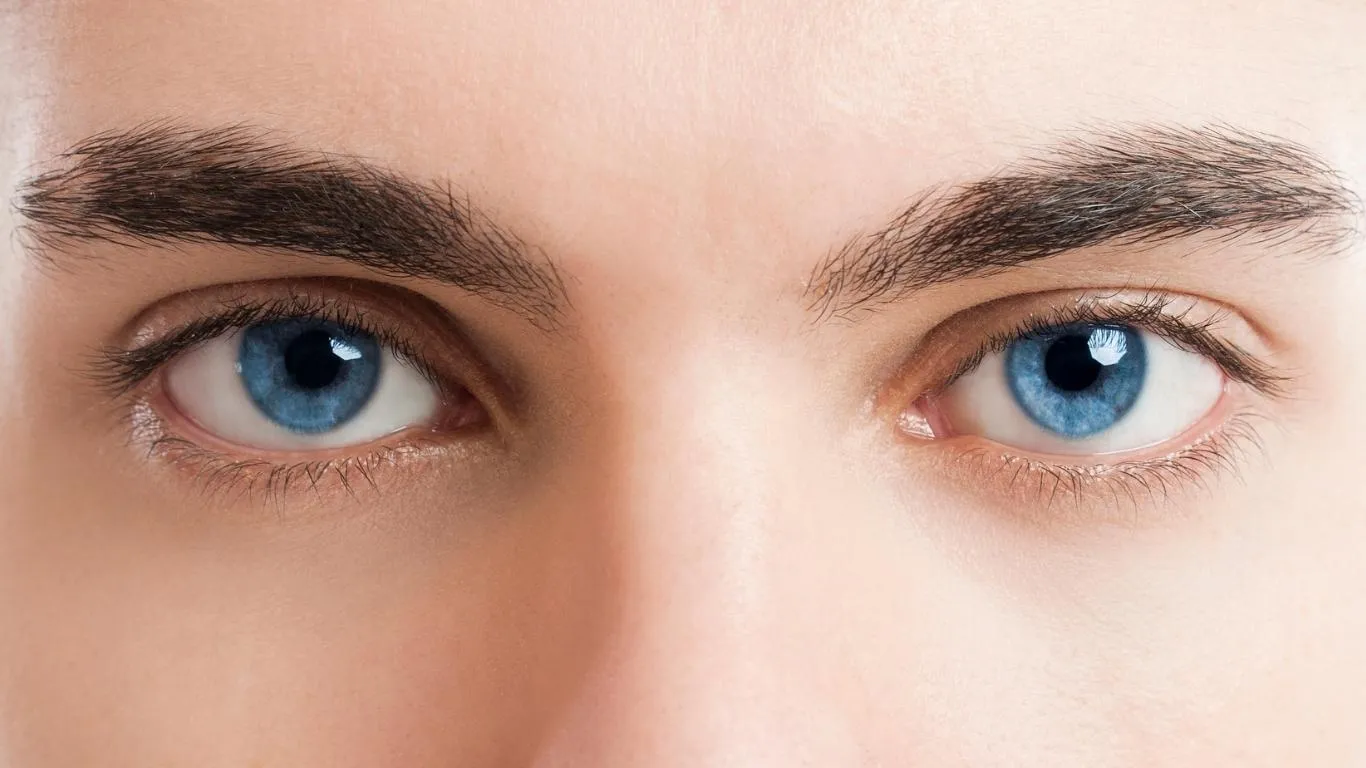
Here’s a Simple Breakdown:
| Feature | Floaters | Retinal Tear |
|---|---|---|
| Visual Signs | Specks, threads, cobwebs | Sudden burst of floaters, flashes, shadow curtain |
| Pain | None | Usually none, but serious consequences |
| Progression | Gradual with age | Sudden onset |
| Risk Factor | Aging, nearsightedness | High myopia, trauma, PVD |
| Requires Surgery? | Rarely | Often yes, to prevent detachment |
Honestly, if someone had explained this to me earlier—clearly and without jargon—I might have acted faster. There’s a clear difference between floaters and retinal detachment too, but it all starts with understanding the tear.
Don’t Wait to Get Checked
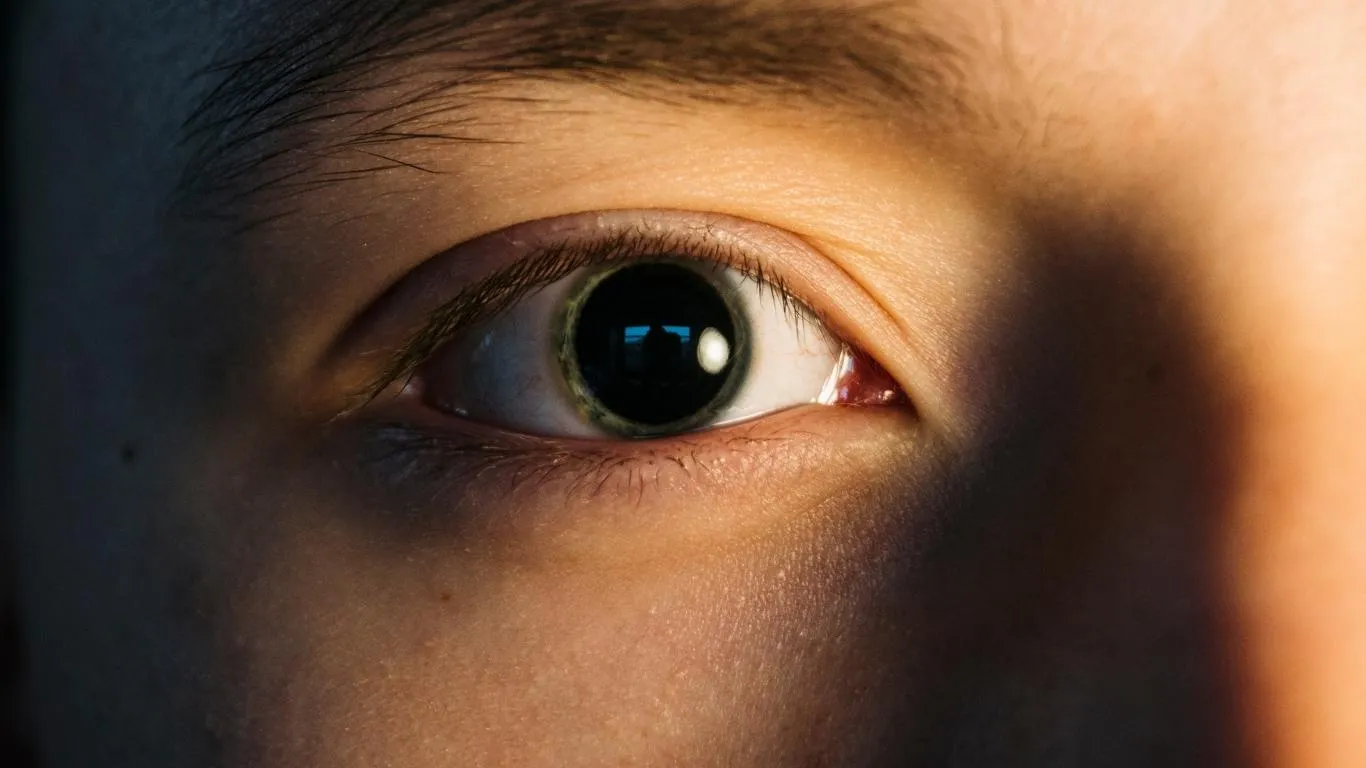
Even though most floaters are harmless, it doesn’t hurt to be cautious. When floaters come with flashes or blurred vision, it’s time to book an appointment—like, yesterday. That hesitation could cost you more than your comfort; it could cost you your sight.
To better understand if your symptoms are common or dangerous, check out this deep-dive into when floaters become a red flag.
And if you want the full breakdown on what causes them, signs to watch for, and what treatments are actually worth your time, the main resource on eye floaters is a must-read. You can also go further into common causes in this excellent supporting guide.
Authoritative insights are also provided by American Academy of Ophthalmology and Cleveland Clinic for up-to-date diagnostics and treatment options.
How Retinal Tears Lead to Bigger Problems
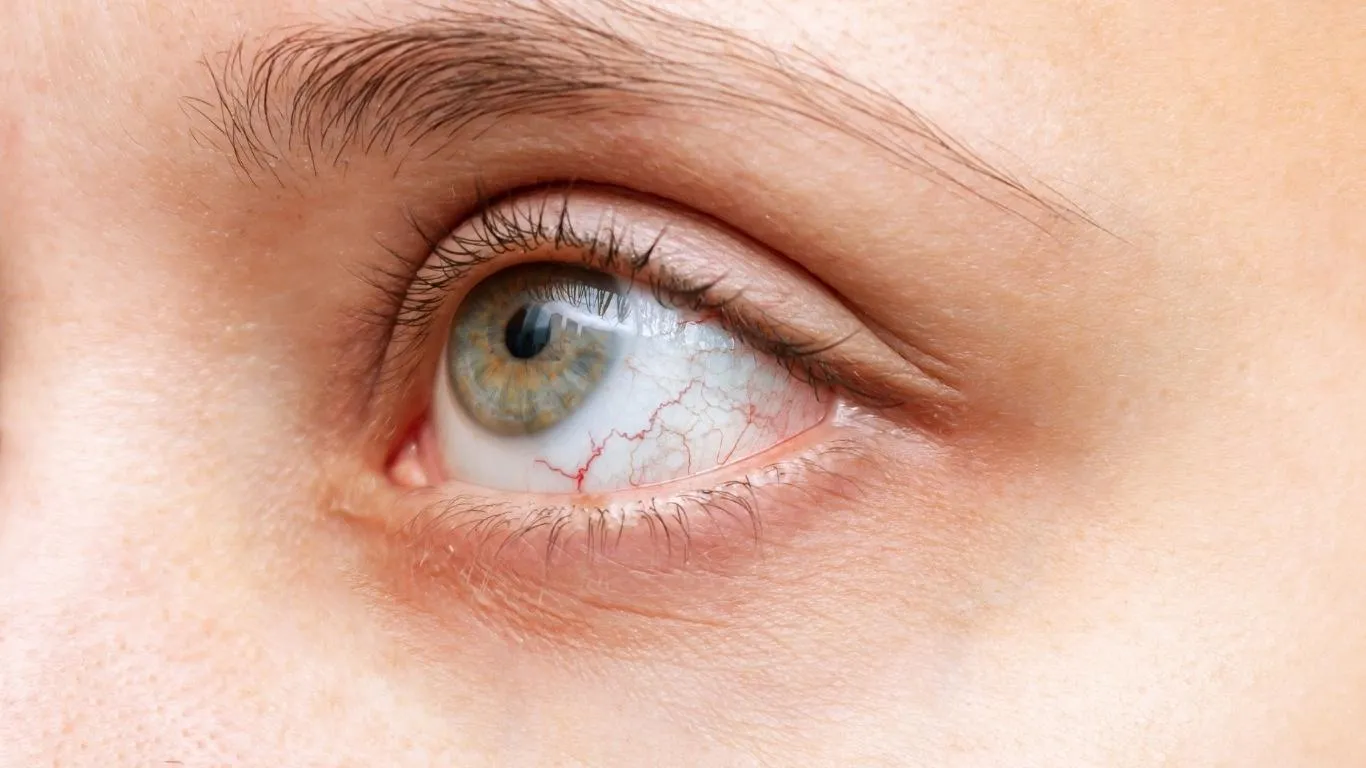
Here’s the scary part—retinal tears don’t just stay put. If left untreated, fluid from the vitreous can seep through the tear and lift the retina off the back of the eye. That’s what’s known as a retinal detachment, and it’s a full-blown emergency. We’re talking potential permanent vision loss in a matter of days or even hours.
I remember reading an article on posterior vitreous detachment (PVD) while nervously waiting at my ophthalmologist’s office. Turns out, PVD is one of the biggest culprits behind retinal tears, and it’s way more common than most people realize, especially if you’re over 50 or have high myopia.
Signs a Tear May Have Turned into Detachment
- Rapid loss of peripheral vision—like a curtain closing from the sides
- Sudden surge in floaters that won’t go away
- Vision that seems wavy or distorted
- A noticeable dark spot that spreads quickly
If you experience any of these, forget waiting it out—go to an ER or eye specialist immediately. The faster you act, the better your chances of preserving your vision.
Modern Treatments That Actually Work
The good news? Retinal tears, when caught early, can be treated pretty effectively. I was surprised to learn just how advanced and painless some of these treatments are. The catch? You have to catch it in time.
Here’s What Doctors May Recommend:
- Laser Photocoagulation: A laser is used to seal the retinal tear and stop fluid from getting underneath. It’s quick and done in-office.
- Cryopexy: Uses freezing to create scar tissue that prevents retinal detachment. It’s a bit old-school but still effective.
- Vitrectomy: For severe cases or when floaters are interfering with vision, the vitreous gel is removed and replaced. This is more invasive and used when simpler treatments aren’t enough.
If floaters are your only concern and there’s no tear, you might consider safer alternatives. There’s a great breakdown of floater treatment options here that helped me make an informed decision about managing mine.
Is There a Way to Prevent Retinal Tears?
Prevention isn’t always guaranteed, but knowing your risks makes a massive difference. For instance, people with high blood pressure or diabetes are more likely to experience retinal complications. Regular eye exams go a long way.
Tips That Helped Me Stay Ahead:
- Don’t ignore new floaters or light flashes. Ever.
- Wear eye protection during sports or risky activities.
- Maintain healthy blood sugar and blood pressure levels.
- Don’t skip annual dilated eye exams—even if your vision seems fine.
I personally started scheduling eye checks every six months once I passed 40, and honestly, it’s been a game-changer. That’s how we caught my retinal tear early.
When to See a Specialist Immediately
Not to sound dramatic, but waiting even 24 hours can make a difference when it comes to your retina. If you’re seeing flashes, a sudden storm of floaters, or have blurry peripheral vision—get checked now. Even if it’s after hours, many eye clinics have emergency lines or on-call ophthalmologists.
Take it from someone who almost waited too long—these things rarely get better on their own. And even if they do, it’s not worth the gamble. For additional insight, this guide on retinal tears from trauma lays out the early symptoms I wish I had taken more seriously.
What Recovery Looks Like After a Retinal Tear
After laser treatment, I expected weeks of discomfort—but it was surprisingly manageable. My doctor told me to take it easy for a few days, avoid heavy lifting, and skip flying or high-altitude travel. Within a week, my vision was stable again. Not perfect, but stable.
Some floaters lingered, but they were minor compared to what could’ve happened. If you’re curious about the healing process, this article on post-treatment floaters is spot on.
For me, the key was understanding what I was dealing with. The difference between a harmless floater and something that could rob me of vision wasn’t obvious at first—but once you know what to watch for, it’s hard to unsee the signs.
If you’re still unsure or want to cover all your bases, the full breakdown of symptoms, causes, and treatments is detailed in this comprehensive eye floaters guide. It’s worth bookmarking if you’re serious about protecting your sight.
And if you’re looking to understand whether your floaters are run-of-the-mill or warning signs of something deeper, don’t miss this deep dive into eye floaters vs. other eye conditions. Knowing where your symptoms fit in could literally save your vision.
For trustworthy medical info straight from the source, check out the Mayo Clinic or National Eye Institute—both have excellent breakdowns of retinal and vitreous issues with practical advice.

Camellia Wulansari is a dedicated Medical Assistant at a local clinic and a passionate health writer at Healthusias.com. With years of hands-on experience in patient care and a deep interest in preventive medicine, she bridges the gap between clinical knowledge and accessible health information. Camellia specializes in writing about digestive health, chronic conditions like GERD and hypertension, respiratory issues, and autoimmune diseases, aiming to empower readers with practical, easy-to-understand insights. When she’s not assisting patients or writing, you’ll find her enjoying quiet mornings with coffee and a medical journal in hand—or jamming to her favorite metal band, Lamb of God.