Why Digital Twin Models Transform Back Rehab for Better Results
When I first heard about using digital twin models for back rehab, I imagined it was some sci-fi tech only hospitals with NASA-level budgets could afford. Turns out, it’s more practical—and much more useful—than I expected. If you’ve been struggling to find a treatment plan that feels like it’s made for *you*, this might just be the breakthrough you didn’t know you needed. Think of it as a smarter way to approach recovery, not a one-size-fits-all protocol that forgets you have a real life, with real needs, and real limitations.
What Are Digital Twin Models in Rehab, Really?

Let’s break it down without the jargon. A digital twin is a virtual replica of something physical—in this case, your spine and back-related biomechanics. That model evolves with you. It’s not just a snapshot; it’s a living, learning simulation of how your back behaves under various circumstances—sitting, lifting, stretching, recovering from a strain, or even doing something seemingly harmless like bending down to pick up socks.
The beauty is in the personalization. It takes into account your posture patterns, history of injury, activity levels, and even your unique muscle engagement. That data can then predict how your back would respond to different types of therapy—before you commit to them. No more guessing whether physical therapy will aggravate your lumbar strain or if yoga will help your sciatica or make it worse.
Why Your Rehab Strategy Might Be Failing (And What a Digital Twin Can Fix)

Generic Programs Don’t Work for Everyone
If you’ve ever followed a printed rehab routine that seemed to be written for a robot, you’re not alone. Traditional plans rarely consider how interconnected your spine is with everything from your glutes to your hamstrings to your core activation sequence. Digital twins simulate those movements with anatomical accuracy—adjusting and optimizing based on your specific dysfunctions, even subtle ones like pelvic tilt.
Reinjury Risk is Often Overlooked
One of the reasons I hit a plateau in my own recovery was because I kept pushing through exercises that, frankly, my spine wasn’t ready for. Digital twin systems flag potential overloads before they happen. It’s like having a rehab expert whispering, “Hey, maybe don’t deadlift with a rotated pelvis today.” That level of insight can dramatically reduce the recurrence of repetitive strain injuries.
How It Works: From Scan to Simulation
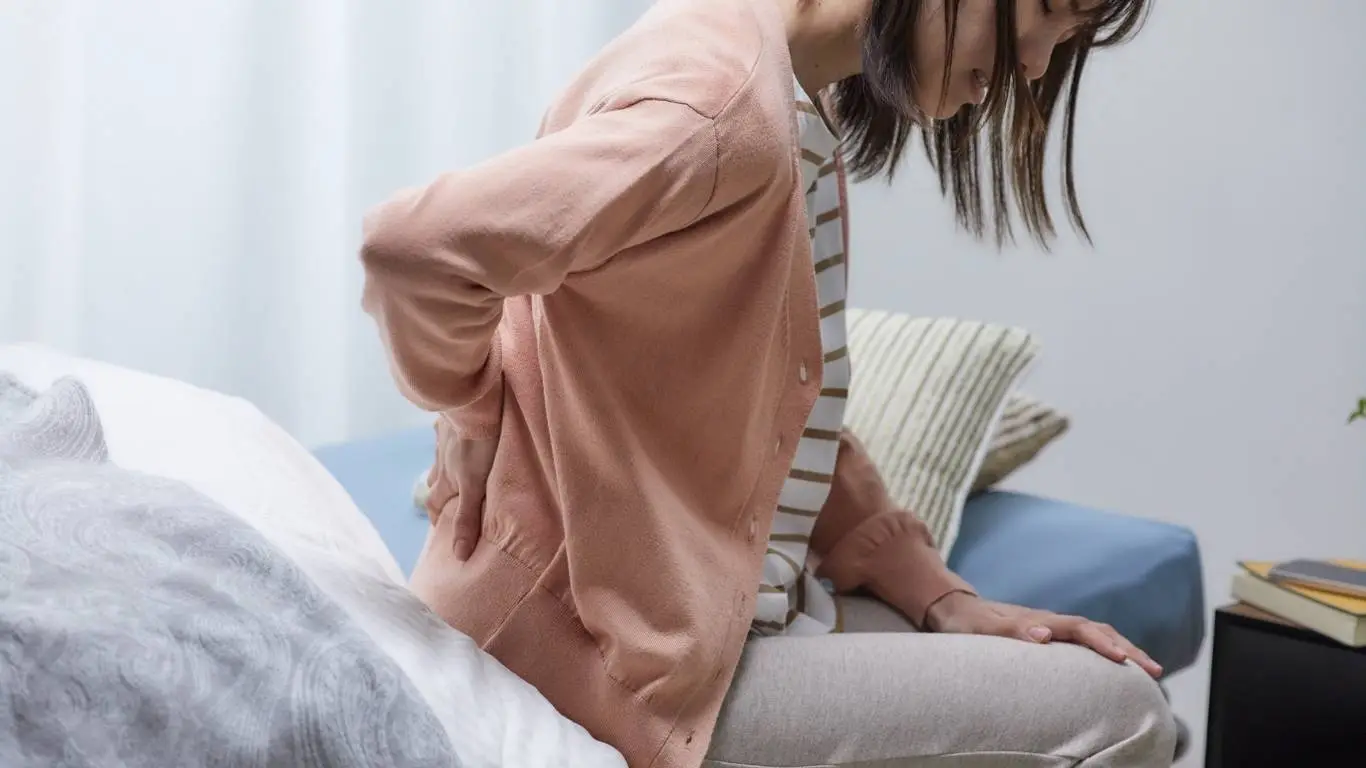
Setting up a digital twin starts with comprehensive imaging—think MRI, motion tracking, and sometimes wearable sensor data. From there, algorithms build a spine-specific model. This isn’t just a 3D image—it’s a biomechanical simulation that calculates stress points, alignment issues, and tissue resilience in real time. The model updates as you rehab, giving feedback that’s actually usable.
- Step 1: Baseline scan and movement screening
- Step 2: Simulation of current movement patterns
- Step 3: Rehab plan adaptation based on predicted outcomes
- Step 4: Ongoing updates and course correction
It’s not just about diagnostics. It’s a way to intervene before failure—a huge leap forward from “let’s see how it goes” models of rehab.
Benefits That Go Beyond the Clinic
You Stay Motivated Because It Feels Personalized
Motivation matters. I used to hate rehab exercises until I could see real-time changes and predicted gains. When your back model tells you, “Hey, your L4 isn’t as stressed today—keep up those glute bridges,” it’s hard not to feel a little proud. Motivation is built into the process.
Better Outcomes Without Guesswork
Digital twin tech removes the trial-and-error nature of traditional rehab. It’s aligned with clinical insights and biomechanical data, not guesswork. That’s a game-changer for chronic pain sufferers, especially those who’ve tried everything from chiropractic adjustments to Pilates without lasting results.
Accessible Rehab at Home
Some platforms even allow you to sync the model to home exercise apps. This means your digital twin tracks and adjusts as you recover from your living room. Combine that with a standing desk or the right ergonomic chair, and you’re no longer stuck relying on in-person sessions only.
Who’s Using It—and Why It’s Not Just for Elite Athletes
Hospitals and research institutions were the first adopters, sure, but more clinics are bringing this technology into their daily workflows. Even fitness professionals are starting to use basic twin models to prevent injuries. It’s filtering down fast, especially for those dealing with mechanical back pain or post-surgical recovery.
And no, you don’t need a degree in biomedical engineering to benefit. Platforms are becoming more user-friendly, with data that’s easy to understand and act on. Whether you’re recovering from a herniated disc or just looking to avoid back strain from sitting all day, this tech gives you options that finally make sense.
For a deeper understanding of treatment strategies that complement this tech-forward approach, check out our guide to exercise and rehab strategies—or browse the main back pain resource hub for evidence-based solutions that work.
How Digital Twins Help Avoid Overtraining and Rehab Burnout

One of the least talked about dangers in recovery is doing *too much, too soon*. I’ve been there—feeling good after a few pain-free days and pushing hard, only to wake up the next morning with a firestorm in my lower back. What digital twin models do so well is detect those early indicators of stress buildup, helping you back off before it becomes a setback.
It’s not just about pain—it’s about fatigue patterns, subtle changes in movement, and muscle imbalances that might slip past a human eye. This is especially useful for people with chronic or recurring back issues, who often walk a tightrope between progress and reinjury.
Fatigue Mapping: The Underrated Game Changer
Digital twins can simulate and anticipate when your spinal muscles are fatiguing faster than expected. Maybe your glutes aren’t activating properly, or your lower traps are failing to stabilize the thoracic spine. Instead of finding this out weeks later in a clinic, you get data in real time, helping you pivot your program safely.
From Prevention to Prediction: A Smarter Way Forward

What makes this tech more than just “fancy data” is its predictive ability. Not only does it help rehab, it helps prevent the injury in the first place. If you work a job that involves physical labor or spend hours at a desk, digital twins can model long-term spinal wear and tear under those specific conditions.
This is huge for people with degenerative disc conditions or those with a history of herniated discs. You’re not just reacting to pain—you’re staying one step ahead of it. Imagine being able to adjust your workout, posture, or even mattress choice based on predictive tension data. That’s where we’re heading, and it’s no longer reserved for high-performance athletes.
More Than Just Data: Human Insight Still Matters
Let’s be real—no model, no matter how smart, can replace an experienced therapist or a good ortho specialist. But what it can do is enhance that care. Think of the digital twin as your personal assistant—tracking the boring but important stuff so your rehab team can focus on strategy, not guesswork.
For instance, your twin might flag a movement inefficiency, like one hip consistently bearing more load. You and your PT can then dive into why that’s happening—maybe you’ve got leg length asymmetry or residual weakness from an old injury. It adds another layer to the conversation, not a replacement for it.
Creating a Loop Between You and Your Clinician
Some platforms even allow you to share your digital twin’s progress dashboard with your therapist or physician. That way, everyone’s on the same page—even if you’re doing most of your rehab from home. This is especially helpful in long-term programs for conditions like spondylolisthesis or spinal stenosis.
Future of Back Rehab: Not Just Wearables, But Whole-Body Intelligence
While the current focus is mostly spinal modeling, digital twin systems are rapidly expanding. Some now include ankle mobility, shoulder function, and even foot strike mechanics—which is a big deal when you realize how much your back compensates for weak links elsewhere.
In my case, it turned out that years of flat feet were overloading my lower back more than I ever imagined. The model showed clear evidence of compensation patterns every time I walked. Once I added arch support and realigned my gait, my back pain dropped faster than expected. It’s about whole-body awareness, not isolated symptoms.
Who’s This Really For? (Hint: Probably You)

- Office workers dealing with desk-related tension
- Parents recovering from postpartum lower back pain
- Older adults managing age-related degeneration
- Athletes with complex movement patterns
- Manual laborers with daily repetitive strain
Basically, if you have a spine and you’ve felt it act up—even once—this tech is for you. Especially if you’re tired of cookie-cutter rehab plans that leave you wondering if it’s even working.
Where to Dive Deeper Into Recovery That Works
Want to make this even more actionable? Don’t just stop with modeling—complement your insights with practical changes in your daily environment. Start by exploring our lifestyle and natural back pain remedies section. You’ll find strategies that pair perfectly with your digital twin analysis—like anti-inflammatory diets and mobility-enhancing habits.
Or head to our main back pain hub for a full breakdown of solutions that actually make a difference, whether you’re at the start of your journey or somewhere deep in the middle of it.
External insights from Mayo Clinic, NIH, and Cleveland Clinic offer additional clinical backing for how this approach is gaining traction in real-world care. Science and strategy are finally coming together—and that’s exactly what we’ve been needing.

Camellia Wulansari is a dedicated Medical Assistant at a local clinic and a passionate health writer at Healthusias.com. With years of hands-on experience in patient care and a deep interest in preventive medicine, she bridges the gap between clinical knowledge and accessible health information. Camellia specializes in writing about digestive health, chronic conditions like GERD and hypertension, respiratory issues, and autoimmune diseases, aiming to empower readers with practical, easy-to-understand insights. When she’s not assisting patients or writing, you’ll find her enjoying quiet mornings with coffee and a medical journal in hand—or jamming to her favorite metal band, Lamb of God.