How Eye Floaters Can Disrupt Eye Tracking and Daily Focus
Ever find yourself struggling to keep your eyes focused on a moving object—like trying to follow a fast tennis ball or your cursor zipping across the screen—only to realize something’s just… off? That strange, almost imperceptible interference might be coming from those little specks floating in your vision. You know, the ones that dance around like cobwebs or squiggly lines when you glance at the sky or a white wall. Yeah, those are eye floaters. But here’s something most people don’t talk about: do floaters affect eye tracking ability? Spoiler alert—they might, especially in ways that sneak up on you when you least expect it.
What Are Eye Floaters and Why They Matter More Than You Think
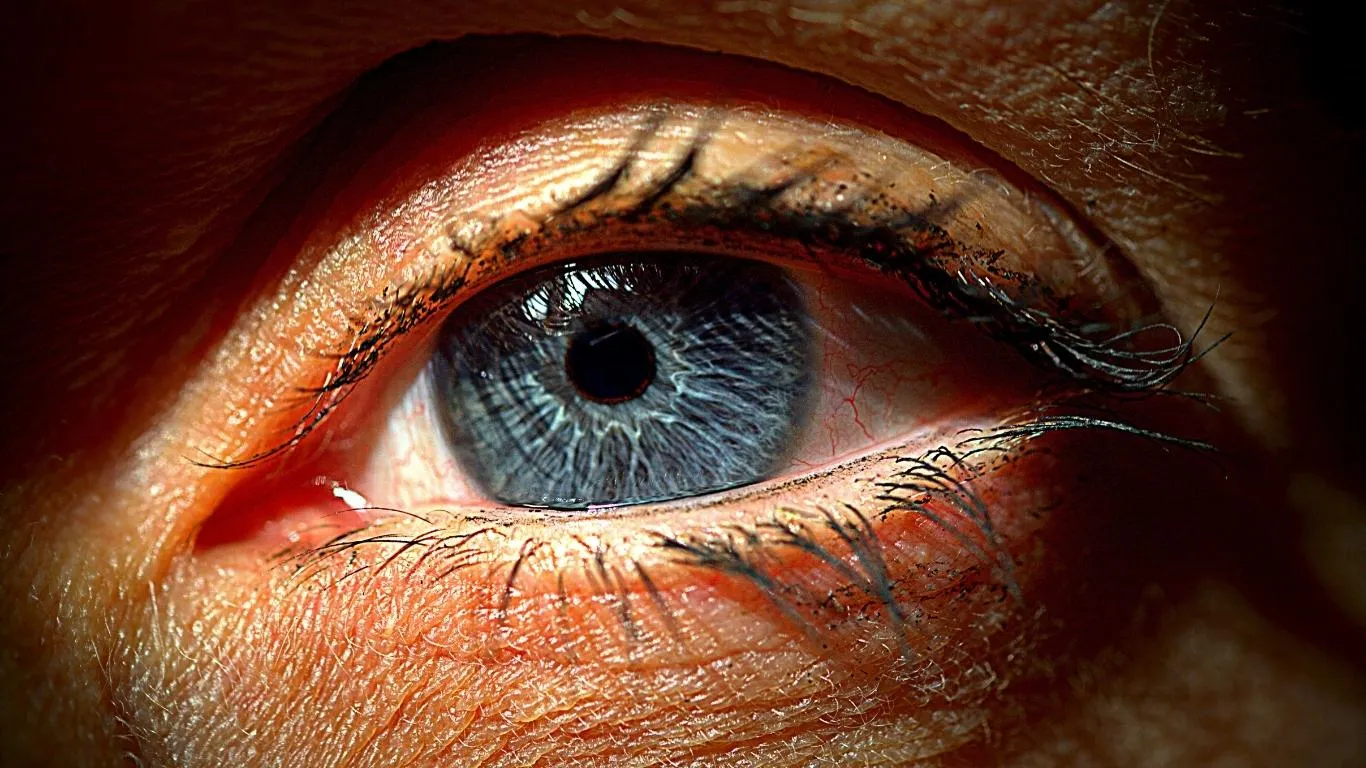
Eye floaters are those drifting shadows or specks that glide across your field of vision. Medically, they’re tiny clumps of collagen or cellular debris floating in the vitreous—the gel-like substance inside your eye. They cast shadows on your retina, which your brain interprets as those translucent threads or spots. While most people chalk them up to aging or stress, few consider how these floaters might impact how our eyes actually move.
What Eye Tracking Actually Is
Eye tracking is how well your eyes can follow a target. Whether it’s scanning a page, following traffic signs, or gaming with quick reflexes, our ability to coordinate precise and fluid eye movement is critical. That coordination relies on clear, uninterrupted visual input. So, what happens when floaters start clouding up that input?
How Floaters Might Interfere with Eye Tracking

This one hits close to home. During my first few weeks dealing with prominent floaters, I noticed a weird visual stutter—not blurry per se, but as if something was lagging between my focus and motion. At first, I blamed my screen time or lack of sleep. But after a routine check, my doctor said, “Your floaters are pretty active right now.” That’s when it clicked: these things weren’t just visual clutter—they were actually throwing off how well my eyes were working together.
Why Movement Makes It Worse
Eye floaters tend to shift with eye motion, so ironically, the more you move your eyes, the more they may disrupt your visual clarity. It’s not uncommon to experience:
- Delayed focus on moving targets
- Visual distraction in high-contrast environments
- Fatigue when tracking objects for extended periods
That’s especially annoying when you’re trying to play sports, drive, or even just read a line of text smoothly. I found tracking text on a bright screen especially challenging—the floaters would drift right into my central field of view just as I was mid-sentence.
Floaters and Binocular Coordination
It gets more complicated. Eye tracking isn’t just about one eye doing its job. Your brain needs both eyes working in sync. When a floater partially blocks vision in one eye—even for a split second—it can create uneven input. That forces your brain to recalibrate constantly, and this can lead to:
- Headaches during sustained visual activity
- Perceived “eye jumping” or jittery movement
- Overcompensation by your dominant eye
In cases where floaters become chronic or severe, the brain might suppress input from one eye altogether—a condition known as suppression scotoma. It’s rare but documented.
Do Certain Types of Floaters Cause More Tracking Issues?

Not all floaters are created equal. Based on what I’ve seen—both personally and from research—larger, central floaters or clumped “cloud-like” ones tend to be the worst offenders. These can hover persistently in the middle of your visual field, obstructing critical tracking functions. One study mentioned on ncbi.nlm.nih.gov even discusses how patients with dense floaters scored lower on reading speed and visual tracking assessments compared to control groups.
Some individuals report sudden “blinking out” of small details in their periphery while tracking objects. This isn’t surprising considering how floaters tend to follow your gaze, often lagging slightly and breaking the natural smooth pursuit mechanism.
When It’s More Than Just a Nuisance

For most people, floaters are nothing more than a visual hiccup. But for others—especially those dealing with underlying issues like high myopia, past eye trauma, or autoimmune diseases—floaters can seriously affect daily visual performance. This includes eye tracking, contrast sensitivity, and depth perception.
Check out this resource on how floaters impact daily life in high myopia patients. The connection is striking, especially if you’re also dealing with digital eye strain or blue light exposure on a regular basis.
What the Experts Say
According to the American Academy of Ophthalmology, most floaters are benign, but if they’re persistent and affect visual tasks—like tracking—an evaluation is warranted. Even if you’re told everything’s “normal,” advocating for your quality of vision matters. Trust me, it took three separate appointments before a specialist finally validated what I was feeling: my floaters were affecting more than just clarity—they were changing how I engaged with the visual world.
What You Can Do If Floaters Are Affecting Your Tracking
If this is all sounding a little too familiar, you’re not alone. Floaters that interrupt eye tracking can make even the simplest tasks feel frustrating. While complete elimination isn’t always possible, there are ways to manage the impact:
- Vision therapy techniques to help your brain adapt
- Using neutral or soft background colors to reduce floater visibility
- Routine eye hydration and anti-fatigue breaks
- Tracking changes and triggers—like bright lighting or dry air
For deeper insight on treatment options from observation to laser therapies, visit our detailed treatment guide.
And if you’re still wondering whether what you’re seeing is really floaters—or something else—check this breakdown on eye floaters vs. other eye issues.
To better understand the root causes, triggers, and what makes floaters worse, you can also explore our main guide to eye floaters.
How I Noticed the Tracking Shift — And What Helped
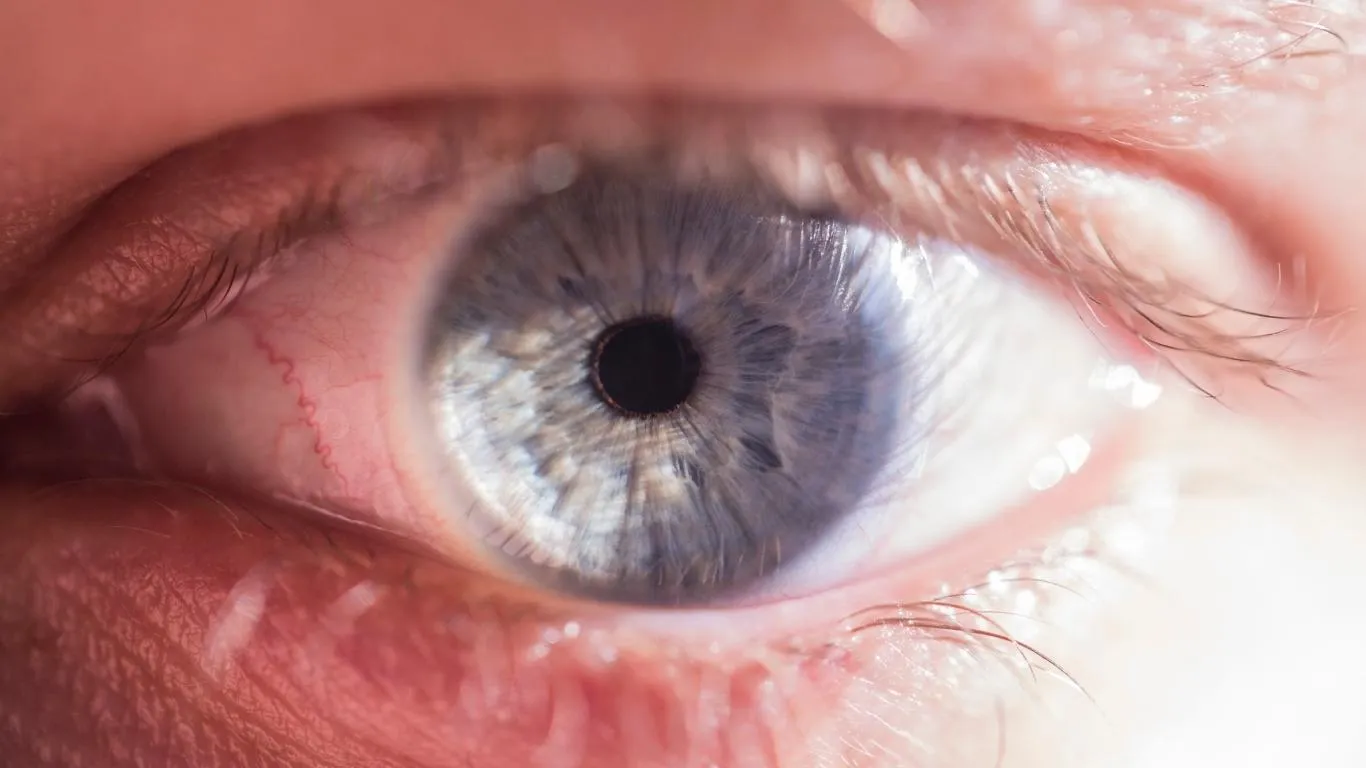
Okay, here’s the real talk. For the longest time, I thought I was just being overly sensitive. But it wasn’t until I started driving at night—when all the lights and reflections made my floaters practically dance—that I noticed my eye tracking was struggling to keep up. There was this weird mismatch between what I was trying to focus on and what my eyes were actually delivering. Reading street signs, checking mirrors, even shifting focus from the dashboard to the road felt sluggish.
After some trial and error (and way too much Googling), I discovered that certain floaters tend to flare up in artificial light. That explained the night-driving mess. I also read that certain supplements may affect vitreous clarity—some helped, others not so much. Eventually, I adjusted my routine: I reduced high-contrast environments, added light tints to my computer glasses, and started taking regular breaks during screen time. It didn’t “fix” the floaters, but it seriously helped my tracking feel smoother again.
Tech-Supported Adaptations That Actually Work
Here’s something that made a big difference for me—adaptive eye tracking tools. These are built into many smartphones, accessibility apps, and gaming gear. Once I adjusted motion smoothing and reduced contrast flicker on my monitors, everything felt less erratic.
You might also try:
- Switching to anti-glare screens
- Using ambient backlighting instead of harsh direct light
- Customizing your display’s color temperature
None of this is medical advice, obviously, but if your floaters are interfering with eye tracking, it’s worth exploring these tweaks. They made a noticeable difference for me.
When Floaters Signal Something More Serious
Most floaters are just annoying, not dangerous. But if you’re also noticing light flashes, rapid increases in floaters, or a curtain-like shadow in your peripheral vision, it’s time to see a doctor. These could indicate a retinal tear or detachment, which does affect how your eyes track and interpret visual data—and it needs immediate attention.
This helpful article on floaters before retinal tears breaks down the signs in a way that doesn’t sound alarmist but informative. It gave me peace of mind to know what to watch out for.
Why the Brain Matters Too
We often forget that eye tracking isn’t just about the eyes—it’s about the visual processing network in your brain. That’s why some floaters might feel more disruptive than others. If they’re consistently in your central vision, your brain is constantly adjusting, filtering, and reinterpreting your environment.
Some researchers even suggest floaters may affect visual attention, especially in individuals with neurological sensitivities or anxiety. It makes sense—if your eyes are constantly adapting, so is your brain.
Natural Aids & Daily Habits That Reduce the Burden
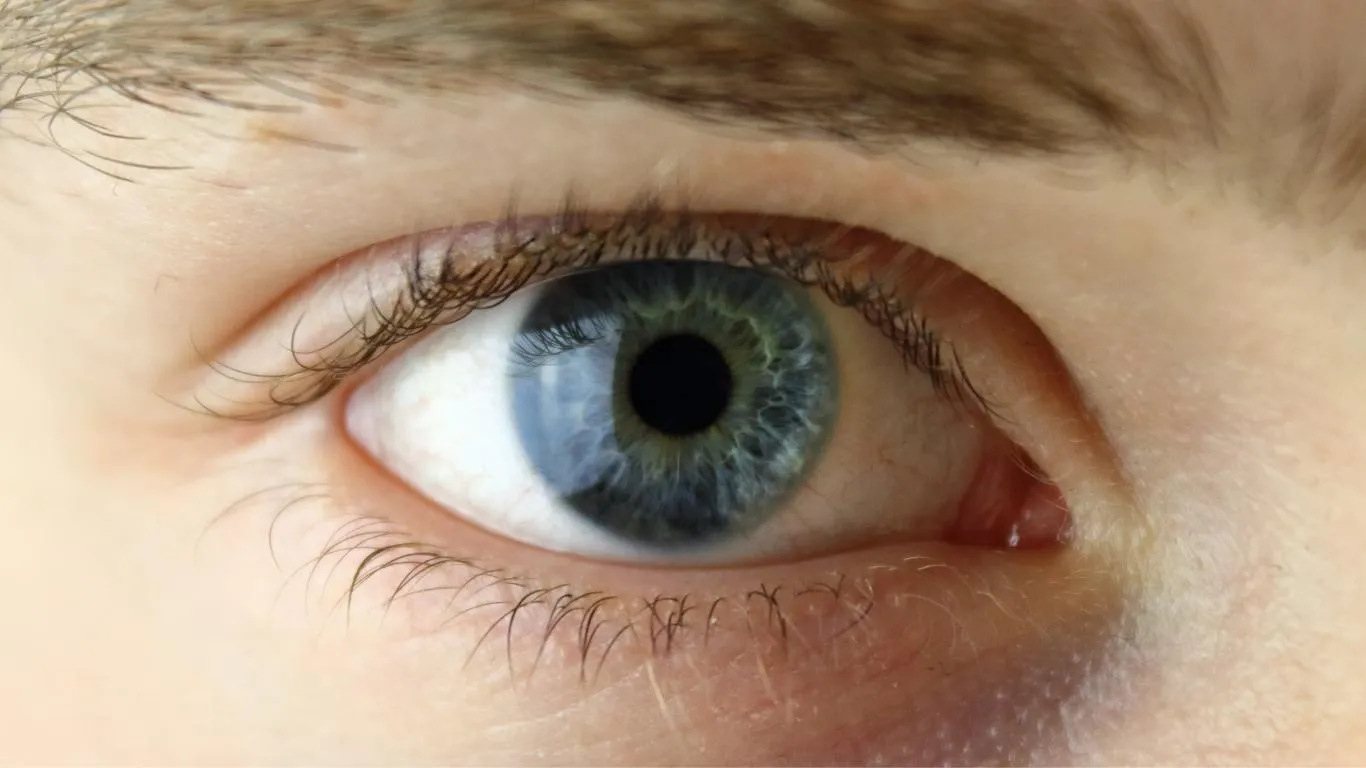
Once I realized that floaters weren’t just a nuisance but actually getting in the way of my daily focus, I began searching for ways to adapt without going full surgery mode. Here’s what helped (and what some folks swear by):
- Hydration – I didn’t believe it at first, but dehydration really makes floaters worse.
- Anti-fatigue visual breaks – I started using the 20-20-20 rule (every 20 mins, look 20 feet away for 20 seconds).
- Vitreous-friendly supplements – I experimented with collagen-based eye supplements.
- Yoga and breathwork – Helps keep eye pressure and mental fatigue in check. Here are some great yoga poses that seem to help with visual calm.
None of this erased the floaters, but together they reduced their impact on how well my eyes could keep up with daily tasks—whether typing, reading, or just scanning my surroundings.
When to Consider Professional Help
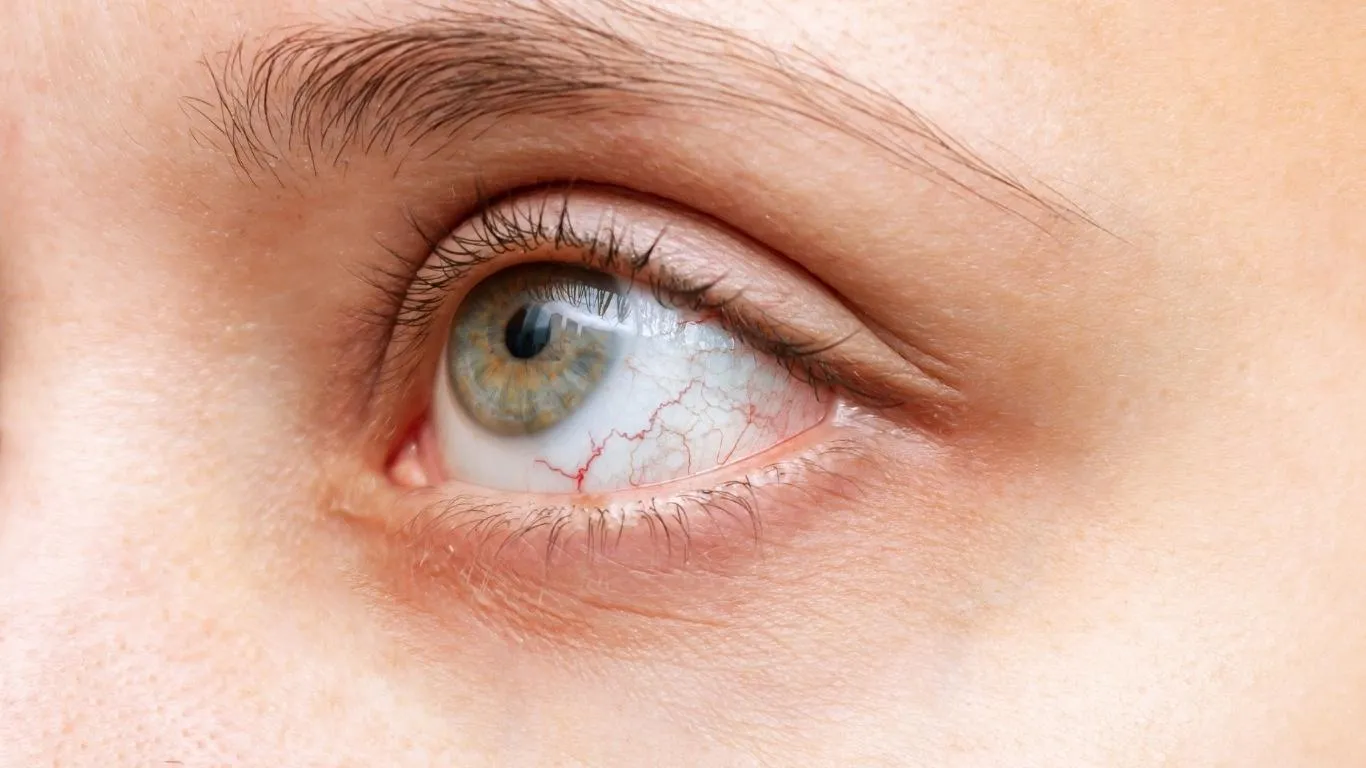
If your floaters are messing with your eye tracking to the point where it interferes with reading, driving, or general comfort, don’t tough it out. An optometrist or ophthalmologist can help assess whether there’s a bigger issue. Some people qualify for YAG laser vitreolysis or even vitrectomy—but those are usually last-resort options.
More often, doctors may recommend visual therapy or adaptation strategies, especially if you have other eye conditions. It’s worth discussing if your floaters have followed an injury or surgery.
Where to Go From Here
When I was trying to make sense of all this, the article on differentiating floaters from other visual issues really helped clarify what was normal—and what wasn’t. If you’re seeing changes in your tracking ability, that’s your body’s way of flagging something.
You can also dive deeper into the underlying causes in our foundational guide here, and don’t miss this important breakdown on common causes of floaters from injuries to age-related changes.

Camellia Wulansari is a dedicated Medical Assistant at a local clinic and a passionate health writer at Healthusias.com. With years of hands-on experience in patient care and a deep interest in preventive medicine, she bridges the gap between clinical knowledge and accessible health information. Camellia specializes in writing about digestive health, chronic conditions like GERD and hypertension, respiratory issues, and autoimmune diseases, aiming to empower readers with practical, easy-to-understand insights. When she’s not assisting patients or writing, you’ll find her enjoying quiet mornings with coffee and a medical journal in hand—or jamming to her favorite metal band, Lamb of God.