Why Do Floaters Move Faster With Blinking? What You Should Know
If you’ve ever stared at a bright blue sky or a blank wall and caught what looks like transparent squiggles or floating specks drifting across your vision, you’re definitely not alone. I used to think I had some rare vision issue—until I learned about eye floaters. What really got me curious, though, was something I noticed one afternoon: the floaters seemed to zip around faster when I blinked rapidly. Naturally, I had to dig deeper.
Do Floaters Actually Move Faster When You Blink?
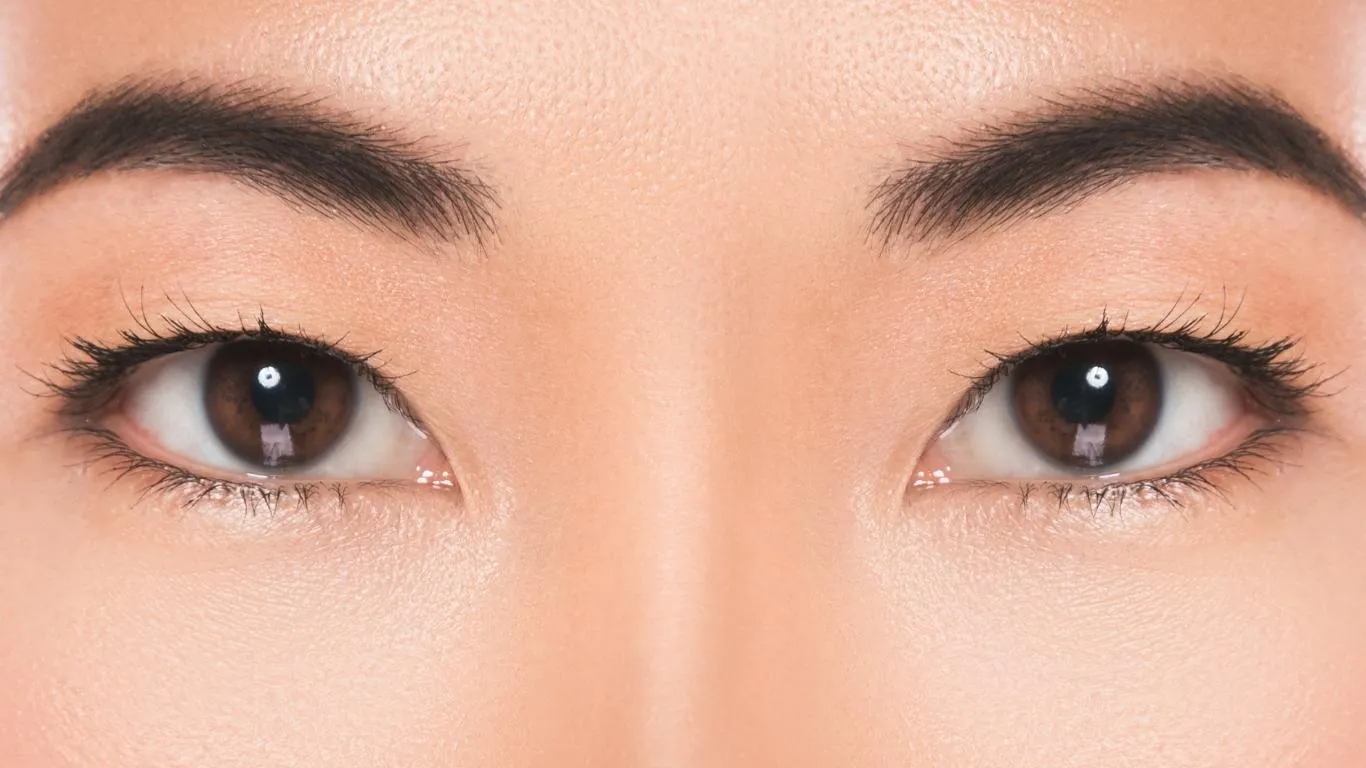
It’s not just your imagination. Eye floaters can seem like they move faster during blinking—but it’s not because the floaters themselves are speeding up. Blinking affects how light enters your eye and how your vitreous gel shifts slightly with each motion. This gives the illusion that the floaters are darting around more actively.
Think of your eye as a snow globe. When you blink, you’re essentially shaking that globe slightly. Floaters are tiny bits of collagen or cellular debris suspended in the vitreous humor (the clear gel-like substance inside your eye). When your eye moves—even with a quick blink—those floaters drift and swirl around, casting shadows on your retina.
The Science Behind the Perceived Movement
Floaters aren’t attached to your eye muscles or eyelids, but because your vitreous gel is mobile, any rapid movement (like blinking or darting your eyes) gives them a temporary momentum. That momentum makes them appear to move faster or in unpredictable patterns. This is particularly noticeable when looking at high-contrast backgrounds, like white paper or a sunny sky.
- Blinking causes minor shifts in eye pressure and gel shape
- Floaters lag slightly behind your eye motion due to the viscous nature of the vitreous
- The shadow effect changes subtly as your eyelid briefly blocks and releases light
It’s a visual trick—but it’s one that catches a lot of us off guard.
Why Some Floaters Seem to Zip and Others Just Drift
Over the years, I’ve noticed that some of my floaters seem to hover lazily, while others dart like they’re on a caffeine rush. Turns out, not all floaters are created equal. Their behavior depends on their size, density, and exact location in the vitreous.
- Heavier or denser floaters tend to sink more slowly and appear sluggish
- Lighter, thread-like floaters swirl easily with rapid eye movements
- Those closer to the retina cast sharper shadows and may seem faster or more detailed
If your floaters suddenly change in speed, shape, or volume, it could be a signal to get checked. In some cases, fast-moving floaters can be early signs of a more serious issue, like a retinal tear. According to this guide on retinal tear floaters, prompt attention matters.
Could Frequent Blinking Make Floaters Worse?
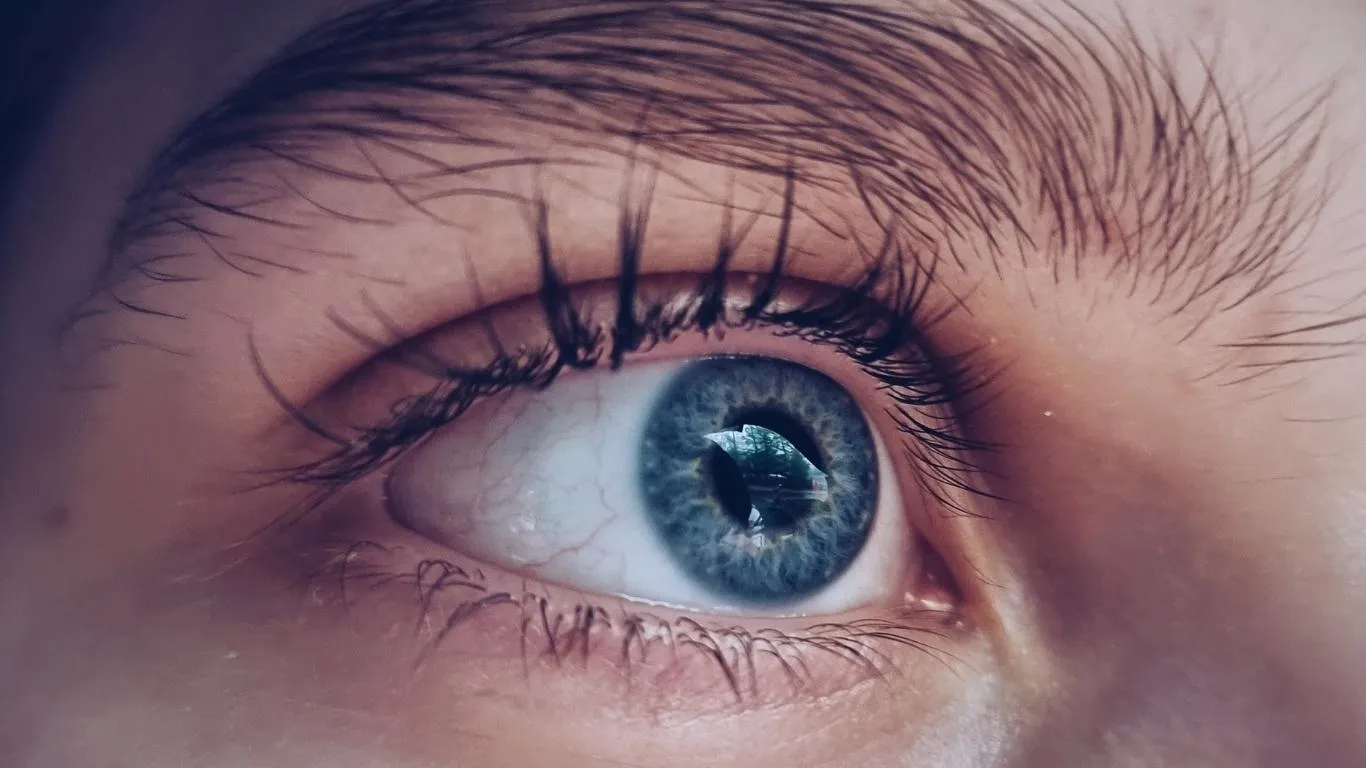
Here’s where it gets tricky. Frequent blinking doesn’t cause more floaters, but if you’re straining your eyes—say from too much screen time or poor lighting—it might make them more noticeable. I’ve definitely had days after long laptop sessions where my floaters felt like they were putting on a laser show every time I blinked.
While blinking itself isn’t harmful, the underlying habits that come with it—like squinting, rubbing your eyes, or over-focusing—can contribute to eye strain and vitreous stress. Over time, this could potentially accelerate floater development, especially in those prone to vitreous degeneration. If you’re noticing this more often, screen-time floaters might be worth reading into.
What I’ve Found Helpful
Personally, reducing high-contrast screen backgrounds (dark mode, anyone?), taking regular eye breaks, and staying hydrated have made a noticeable difference in how distracting my floaters feel. I also started using blue-light filter glasses, which don’t reduce floaters per se, but definitely make them less glaring. According to the discussion on blue-light filters, results vary by person.
What Experts Say About the Blinking-Floater Connection
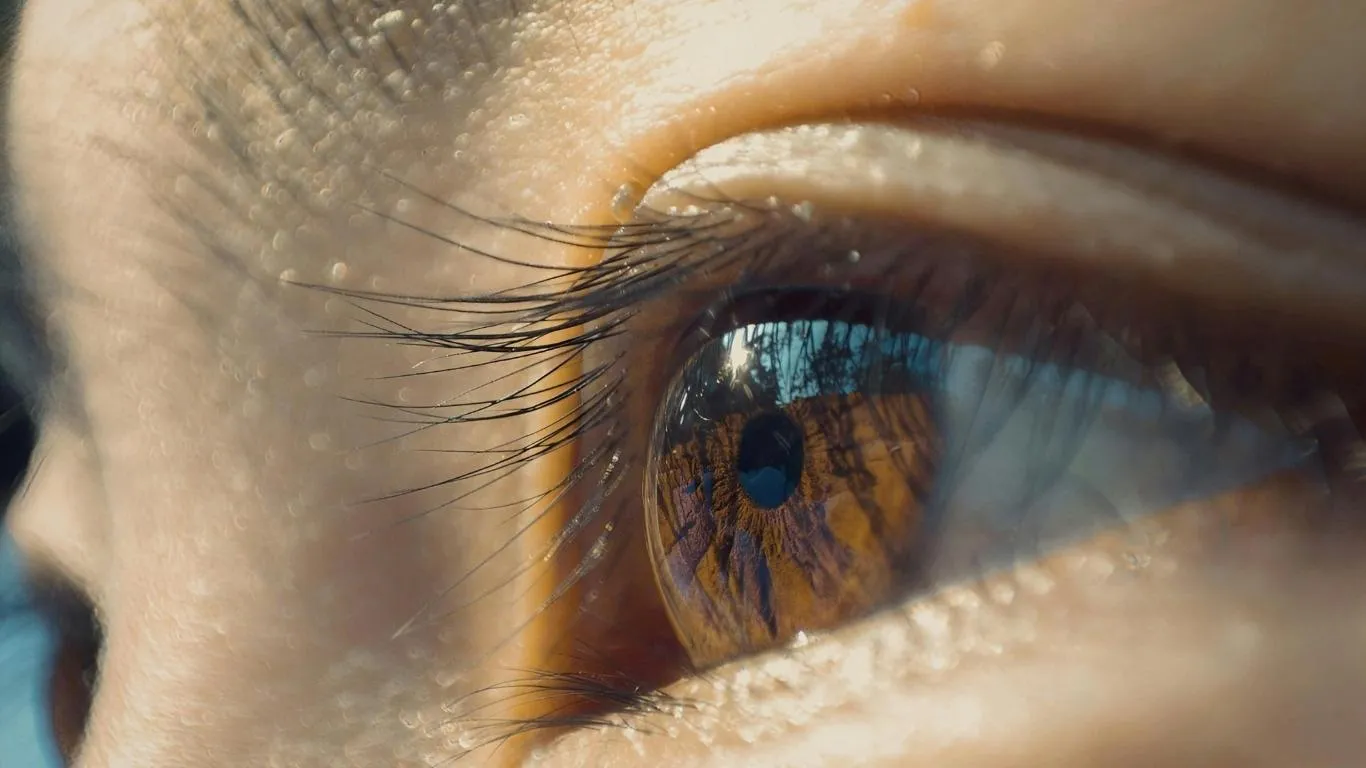
Medical experts agree that blinking doesn’t speed up floaters, but they emphasize that the appearance of increased motion is normal. It’s the physics of eye fluids in action. Ophthalmologists suggest tracking any new patterns and reporting them if they increase rapidly or are accompanied by flashes of light.
As covered in this in-depth explanation of posterior vitreous detachment, floaters often signal natural aging processes—but changes should never be ignored.
Want a comprehensive understanding of what causes floaters and how to manage them? Don’t miss this trusted pillar article on floater treatment options, and explore the full breakdown of causes and symptoms in our main pillar resource.
For external expert insights, check American Academy of Ophthalmology or PubMed for peer-reviewed studies on vitreous dynamics and floater visibility.
Why Do Floaters Seem Faster in Certain Lighting?
This is something I never connected until I started journaling when my floaters were the worst. It’s not just blinking—lighting makes a huge difference. When you’re in bright, high-contrast environments, like sitting in front of a sunny window or stepping outdoors at midday, floaters feel hyperactive. They seem to zip around faster, but really, they’re just easier to spot against those light backgrounds.
Lighting changes how floaters cast shadows on the retina. It’s not uncommon for people to report a sudden increase in visibility during bright light exposure or after looking at digital screens for extended periods. Floaters aren’t behaving any differently—but your brain is picking them up more easily because of that sharp contrast.
Is It Worse at Night or in Low Light?
Interestingly, some floaters become less noticeable in dim lighting. I find that in the evenings or while watching a movie in the dark, they basically vanish. That’s because low light reduces the retinal contrast needed to spot those faint shadows floaters cast.
But not for everyone—some folks with floaters linked to dry eye syndrome or inflammation may actually feel more discomfort at night due to overall sensitivity. If you notice worsening floaters when tired, this might help explain why: fatigue-related floater perception is a real thing.
When Should You Actually Be Concerned?
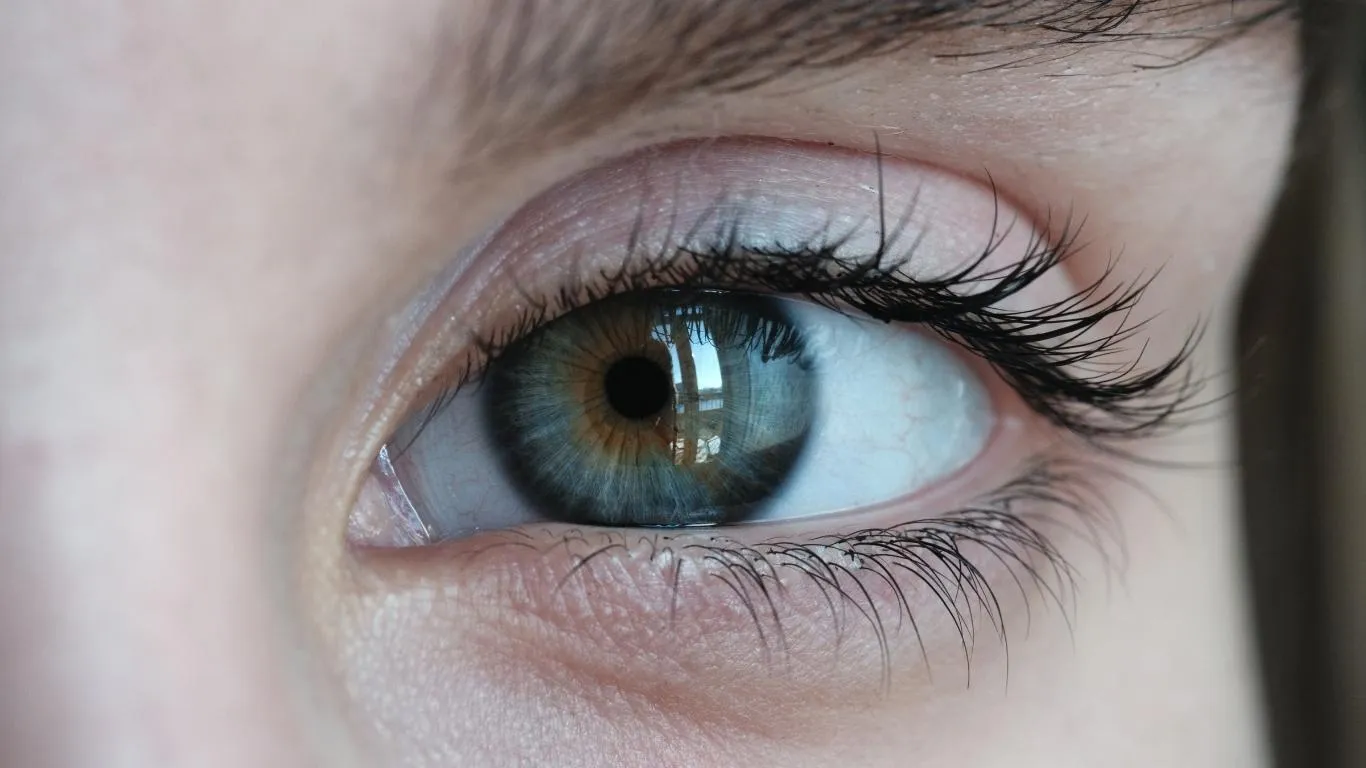
Let’s be honest—most of us just brush floaters off. They’re annoying, sure, but not alarming. But if floaters suddenly start darting around with new intensity, or you see a sudden shower of them out of nowhere, that’s not the time to tough it out. Floaters that come on rapidly, or are accompanied by flashes of light or partial vision loss, may be signs of something urgent.
Retinal tears or detachments can sometimes be preceded by fast-moving floaters or what I can only describe as a sudden “storm” in your vision. Trust your instincts—if it feels different, get checked. This resource on sudden floaters with pain lays out red flags to take seriously.
- New floaters appearing suddenly, especially dozens at once
- Floaters accompanied by light flashes or blurred vision
- Feeling like a shadow or curtain is moving over part of your sight
If you’re experiencing any of these symptoms, don’t wait. Check out this breakdown on retinal tear warnings for more detail.
How I Track and Manage My Own Floaters
One surprisingly helpful thing I started doing? A floater tracker journal. It’s just a few lines a day about what I saw, when, and under what lighting or activity. Over a few months, I noticed patterns: worse after staring at screens too long, better with hydration, worse in the morning after poor sleep. Simple stuff—but game changing in helping me feel more in control.
I also started practicing gentle eye exercises and added lutein-rich foods to my meals. Am I floater-free? Not even close. But are they less bothersome? Big yes.
If you’re looking for actionable options, the article on natural floater management weighs fact vs. fiction nicely.
Can You Prevent Floaters From Getting Worse?
Here’s what I’ve gathered both from doctors and my own experience: you can’t fully prevent floaters, but you can reduce the risk of them worsening. Floaters are tied to aging, sure—but they’re also influenced by trauma, stress, inflammation, dehydration, and even posture.
A few habits I’ve adopted that seem to help:
- Staying hydrated—the vitreous is 99% water after all
- Wearing protective eyewear during high-risk activities
- Avoiding excessive eye rubbing or sudden pressure changes
- Getting regular eye exams—even if you “just have floaters”
Eye trauma is another often overlooked cause. One of the more eye-opening reads for me was how sports injuries can lead to floaters. Worth checking if you’re active or have ever taken a hit to the face or head.
Looking for More?
If you’re diving deep into floaters (I did, clearly), the guide on floater vs. other eye conditions can help you rule out what’s normal and what’s not. And for a full overview on floaters—causes, symptoms, treatment paths—I highly recommend the main pillar article on floaters.
Understanding why floaters behave the way they do, especially when you blink or squint, can make a huge difference in managing the frustration they bring. You might not be able to erase them completely—but trust me, you’ll feel way less powerless once you start noticing the patterns and knowing when to act.
And if you haven’t already, take a few minutes to explore the options in this treatment-focused resource. It lays out what really works—and what’s just wishful thinking.
For deeper medical insights, the Mayo Clinic and American Academy of Ophthalmology are both solid external resources for evidence-backed information.

Camellia Wulansari is a dedicated Medical Assistant at a local clinic and a passionate health writer at Healthusias.com. With years of hands-on experience in patient care and a deep interest in preventive medicine, she bridges the gap between clinical knowledge and accessible health information. Camellia specializes in writing about digestive health, chronic conditions like GERD and hypertension, respiratory issues, and autoimmune diseases, aiming to empower readers with practical, easy-to-understand insights. When she’s not assisting patients or writing, you’ll find her enjoying quiet mornings with coffee and a medical journal in hand—or jamming to her favorite metal band, Lamb of God.