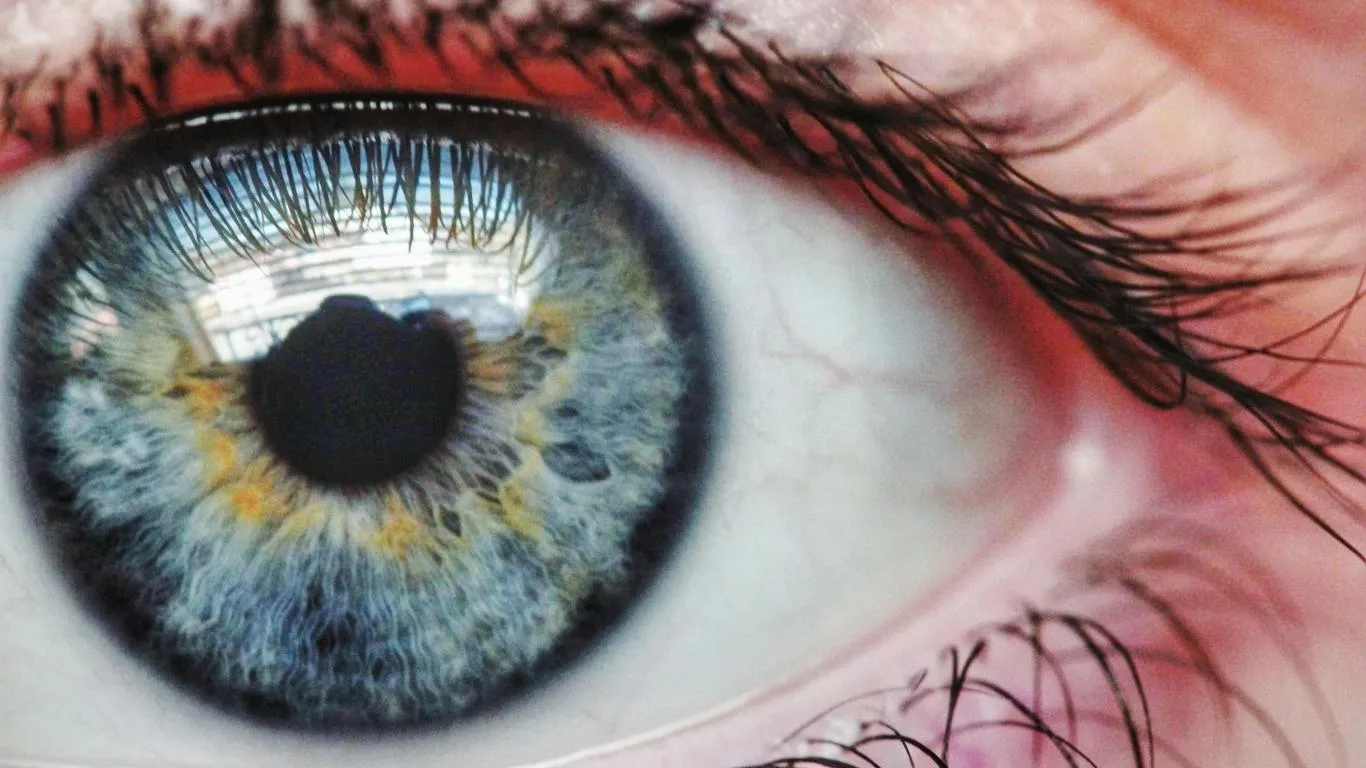
Why Eye Floaters React More in Warm or Cold Conditions
Last week, while sipping coffee on a chilly morning and watching steam rise from the cup, I noticed something odd—my eye floaters seemed more active than usual. They danced more vividly across my vision as if they were reacting to the temperature around my eyes. I brushed it off as imagination, but as it kept happening, I started wondering—do floaters react to eye temperature? That curiosity led me down a surprisingly interesting rabbit hole of vision science, personal experiments, and expert insight. And now, here we are.
How Eye Temperature May Influence Floaters
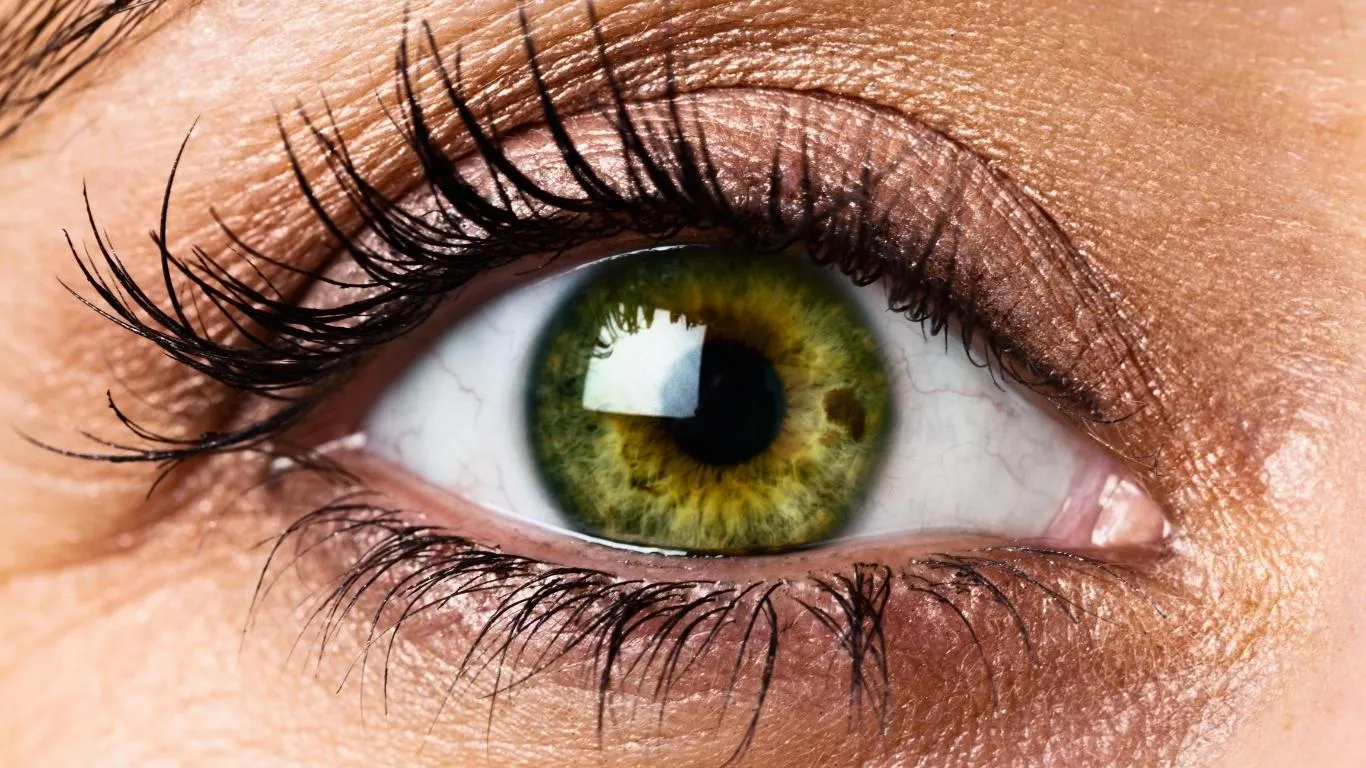
Let’s get one thing straight: eye floaters are mostly harmless for many of us. Those translucent squiggles or spots drifting through our vision are usually bits of collagen or cellular debris floating in the vitreous humor—the gel-like substance inside your eye. But here’s where it gets curious. While most people associate floaters with age or eye strain, temperature is rarely talked about, even though it might play a sneaky role.
Our eyes are incredibly sensitive organs, not just to light but also to subtle changes in our body’s internal environment. I noticed mine flaring up in both cold mornings and during sauna sessions. This isn’t just anecdotal—turns out, temperature shifts can influence blood flow, hydration, and even the density of the vitreous gel, all of which can subtly affect how floaters behave.
The Vitreous Humor and Heat
Here’s something fascinating—when body temperature increases, the vitreous inside your eye can slightly shift in consistency. Imagine warming up gelatin; it becomes more fluid. Something similar can happen (on a very small scale) in your eye. This might not move the floaters themselves, but it can change how they appear or float across your field of vision. In contrast, cooler temperatures might stiffen things up, causing floaters to seem slower or even more visible due to increased contrast against contracted pupils.
There’s a compelling theory that changes in circulatory response to heat might make existing floaters more noticeable. This means when you’re in a hot shower or staring at a screen in a warm room, your blood vessels dilate, which could slightly alter intraocular pressure or light diffusion, making those floaters pop more.
My Experience: Sauna, Cold Mornings, and Everything Between
One of the most memorable episodes I had was after a sauna session. As I stepped into a cool room, the floaters went wild. The shift in temperature was dramatic, and I could see more floaters swirling than I typically noticed on an average day. A little research suggested the warmth might have temporarily thinned the vitreous, increasing movement of those little floaty specs.
In contrast, during a cold morning walk, the floaters seemed sluggish—barely there. The difference was so noticeable that I started keeping a personal floater log. If you’re like me and want to get a grip on your own symptoms, you might want to check out this useful guide on tracking floater changes over time.
Dehydration, Heat, and Eye Floaters
Another sneaky link to floaters reacting to temperature? Dehydration. Warmer temperatures—like those on a hot summer day or during intense exercise—cause your body to lose water, including from the eyes. According to this breakdown on dehydration and floaters, a drier vitreous might make floaters more prominent.
I now carry a water bottle everywhere—partly for health, but partly because I hate how dry eyes seem to exaggerate those little buggers. It’s not a cure, but keeping the eyes hydrated helps reduce that overly glassy feeling that seems to amplify floater visuals.
Scientific Perspectives on Floaters and Body Temperature
While most peer-reviewed journals don’t focus specifically on “eye temperature” as a direct influencer of floaters, related research into ocular thermodynamics gives us clues. An article from ncbi.nlm.nih.gov discusses how the intraocular environment responds to thermal stress, particularly in conditions like uveitis or after ocular surgery. Though floaters weren’t the focus, the underlying principles—fluid dynamics, tissue flexibility, and temperature sensitivity—certainly overlap.
And here’s where it gets juicy: eye surgeries like LASIK or vitrectomy often involve thermal changes to eye structures, and many patients report floaters appearing or worsening post-procedure. If you’re wondering whether laser procedures could mess with your vitreous, read this explainer on post-laser floaters.
Eye Fatigue and Warmth
Ever noticed your eyes feel warmer after staring at screens for too long? That heat isn’t just in your mind. Prolonged focus causes muscle fatigue and increased blood flow in the eye area. And yes, floaters love that warm, dim environment to show themselves off. The link between screen time and floaters is more common than you think—check out this practical guide on managing screen-induced floaters.
When It’s Time to Take Floaters Seriously
If your floaters suddenly shift in shape, increase in number, or come with flashes or dark shadows, stop everything and see an eye doctor immediately. It might not be a harmless floater reacting to heat—it could be something more serious like retinal detachment. For a solid understanding of the red flags, take a look at this warning guide.
For a comprehensive overview of floater causes from age to trauma, the Common Causes of Eye Floaters pillar article offers real-world insights. You can also explore the main floater article here for foundational knowledge backed by experts.
So, Can Eye Temperature Really Make Floaters More Noticeable?
After obsessively noticing my floaters every time the room temperature changed, I realized I wasn’t alone. Many others in online communities had similar stories—especially those who experienced floaters worsening during hot showers, sauna use, or even while stepping into air-conditioned rooms from the summer heat. While science hasn’t delivered a one-size-fits-all explanation yet, there’s mounting evidence that eye temperature could indirectly affect floater visibility.
This isn’t to say your floaters are changing with the weather—but the way light interacts with the vitreous might be. Pupil dilation, shifts in ocular blood flow, and even tear film evaporation can influence how floaters are perceived. It’s subtle, but for those of us paying close attention, it’s very real.
The Role of Pupil Size and Light Conditions
Here’s an underrated factor—pupil size. In warm, dim environments (think a hot yoga studio), your pupils naturally dilate. This lets more light in, but it also makes floaters more visible by increasing contrast against the retina. Ever noticed how floaters are barely visible outdoors but pop like crazy indoors under soft lighting? That’s why. This deep dive into contrast sensitivity makes it easier to understand why floaters play hide and seek depending on your environment.
On the flip side, stepping outside into a cold, bright morning causes your pupils to constrict, minimizing the floater show. Add in the cooling of the ocular surface and possibly denser tears in colder air, and suddenly the view clears up.
Tips to Reduce Temperature-Related Floater Aggravation
After experimenting (a lot), here’s what’s actually helped reduce floater flare-ups triggered by warm or cold temperatures. None of these are miracle fixes, but they make a difference:
- Hydrate religiously – Warmer environments dry out your eyes faster, exaggerating floater visibility. I started drinking more water before and after sauna sessions or workouts, and it made things bearable.
- Use cooling eye masks – Especially after screen-heavy days, a cold compress does wonders. It calms inflammation and seems to reduce the “floatiness” the next morning.
- Wear blue light glasses in warm indoor lighting – This tip came from an optometrist friend, and surprisingly, it works. They help reduce eye strain and heat buildup near the retina. There’s a solid breakdown on it right here.
- Avoid sudden temperature changes – Jumping from hot to cold rooms makes floaters more obvious. I now wear sunglasses when stepping outside from a sauna or hot room—it eases the transition.
What About Supplements?
Honestly, I was skeptical at first, but I gave a few supplements a try after reading this detailed supplement guide. Lutein, astaxanthin, and hyaluronic acid are some of the nutrients that are often recommended for overall vitreous health. I personally found omega-3s to be the most beneficial—especially when my eyes felt dry from room heaters or hot weather.
When Temperature Isn’t the Culprit
While temperature might be a trigger for many of us, it’s not always the cause. If your floaters are appearing suddenly or rapidly worsening, don’t dismiss them as a side effect of weather. There are serious conditions to consider—retinal detachment, vitreous hemorrhage, or inflammation, for starters.
According to the eye floaters vs. other problems comparison article, symptoms like flashing lights, peripheral vision loss, or a curtain-like shadow are huge red flags. No matter what temperature it is, those are signs you need a professional evaluation ASAP.
Can Warm Compresses Make It Worse?
Some eye care routines suggest using warm compresses to relieve strain, especially in dry eye syndrome. But if you’re floaters-sensitive like me, it can backfire. I once used a steamy compress for five minutes and immediately regretted it. The increased warmth made my floaters so much more obvious—especially under soft lighting.
That doesn’t mean everyone should avoid warmth entirely, but it’s something to watch for. Like most floater-related hacks, it really comes down to trial and error—and tracking your patterns. For more on that, here’s a good piece on post-treatment floater care that ties into this topic.
What Doctors Say About the Connection
I spoke with an ophthalmologist during a routine checkup and casually asked whether floaters could respond to temperature. While they couldn’t cite direct clinical studies, they acknowledged that temperature can affect eye hydration, fatigue, and even tear film thickness—factors that influence how we perceive floaters.
She mentioned a few patients had similar complaints after sauna visits or outdoor exposure during hot summers. It’s not an official diagnosis, but enough anecdotal evidence seems to exist that it’s worth keeping on the radar—especially if you’re trying to identify triggers.
And if you’re ever unsure, the foundational guide on treatments and floater management is packed with practical info, from lifestyle tweaks to when surgery is actually needed.
Final Word: Understanding Your Unique Floater Triggers
If you’re like me, you probably spend way too much time thinking about floaters—especially when they spike out of nowhere. It took me months to realize my own patterns had to do with temperature and light, not just screen time or stress.
So, do floaters react to eye temperature? It seems so—but probably not in the direct way we think. It’s more about what temperature does to the environment of the eye—hydration, blood flow, pupil size, light contrast. All of that matters.
Start paying attention to your own floater patterns. Keep a journal, test hydration levels, experiment with eye masks. The more aware you are, the less surprised you’ll be when those little specs start making a scene. And if you’re just getting started, the main floater overview is the perfect place to begin.

Camellia Wulansari is a dedicated Medical Assistant at a local clinic and a passionate health writer at Healthusias.com. With years of hands-on experience in patient care and a deep interest in preventive medicine, she bridges the gap between clinical knowledge and accessible health information. Camellia specializes in writing about digestive health, chronic conditions like GERD and hypertension, respiratory issues, and autoimmune diseases, aiming to empower readers with practical, easy-to-understand insights. When she’s not assisting patients or writing, you’ll find her enjoying quiet mornings with coffee and a medical journal in hand—or jamming to her favorite metal band, Lamb of God.