How Anxiety Can Blur Your Vision And What You Can Do About It
It’s wild how nobody warns you that anxiety can mess with your vision. I found out the hard way. One minute I was scrolling on my phone, and the next, my eyesight blurred like I was underwater. Turns out, anxiety isn’t just about racing thoughts or a pounding heart. It can sneak into your senses, including how you see the world. Let’s talk about how anxiety plays tricks on your vision and why it’s way more common than most people think.
How Anxiety Can Affect Your Vision in Surprising Ways
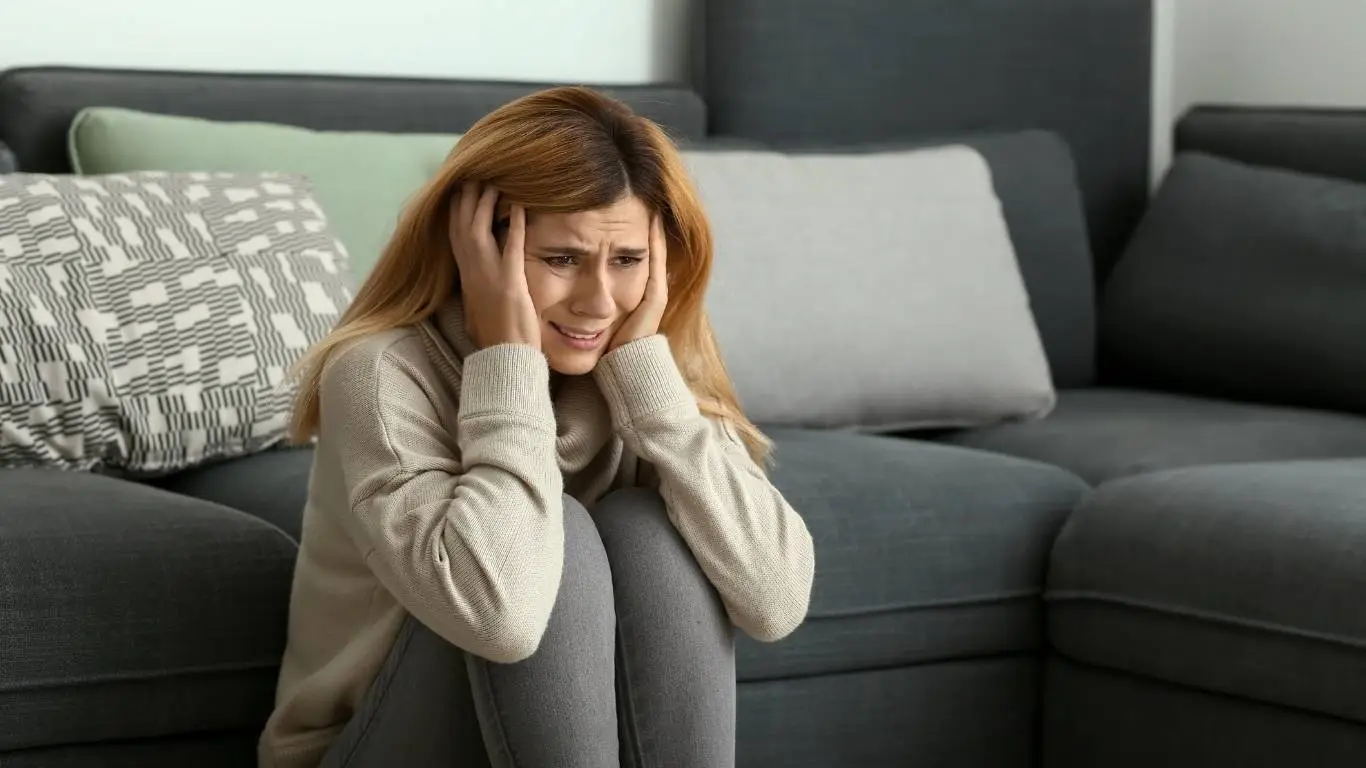
Most people don’t link their vision problems to anxiety. But when your body is in fight-or-flight mode, it changes how your eyes function. Anxiety can cause visual distortions that are downright alarming.
- Blurry vision – Like someone smudged your glasses.
- Light sensitivity – Bright lights suddenly feel too harsh.
- Eye floaters – Those annoying specks drifting across your field of vision.
- Tunnel vision – It’s like your peripheral vision just clocks out.
One moment you’re fine, and then your vision betrays you. This isn’t in your head — well, technically it is — but there’s a very real physiological reason behind it.
The Science Behind Anxiety-Induced Vision Disturbances

When you’re anxious, your body goes into overdrive. Adrenaline surges. Your pupils dilate to take in more light, a survival tactic from our caveman days. But in modern life, this overstimulation leads to visual disturbances.
The increased ocular pressure and heightened muscle tension around the eyes can cause focusing issues. This is why everything looks out of whack during an anxiety episode. Some experts at American Academy of Ophthalmology even suggest that prolonged stress can exacerbate underlying vision conditions.
In some cases, vision issues might escalate into full-blown panic because your brain misinterprets these visual changes as a sign of danger. This spirals into a loop of worsening symptoms — something I experienced firsthand when I thought I was going blind during a stressful work presentation.
Common Visual Symptoms You Shouldn’t Ignore

1. Visual Snow or Static
This one’s bizarre. Imagine TV static but over your vision. It’s subtle for some, but under fluorescent office lights, it becomes maddening. Though still under-researched, visual snow is being increasingly associated with anxiety disorders.
2. Flashes of Light
Quick flashes or shimmering lights at the edges of your vision could easily be mistaken for a neurological problem, but anxiety can cause this too. The difference? With anxiety, it usually comes and goes with stress levels.
3. Eye Twitching
This is the most common and, honestly, the most annoying. Chronic anxiety tightens muscles, including the tiny ones around your eyes. Result? Involuntary eye twitches that can last for days. Check out these physical symptoms of anxiety that often go overlooked.
When to Seek Professional Help for Vision Changes

While anxiety is a prime suspect in sudden vision changes, you shouldn’t self-diagnose. Conditions like retinal detachment, glaucoma, or neurological issues can present similarly. If your vision symptoms persist, worsen, or come with severe headaches, you need to rule out other causes.
Diagnostic tests like those explained in this comprehensive guide on anxiety tests can help differentiate anxiety-induced symptoms from other medical conditions.
How to Manage Anxiety-Related Vision Problems Effectively
Here’s what actually helped me (and no, it wasn’t googling symptoms for hours):
- Breathing exercises – Slowing down my breathing immediately reduced the intensity of visual distortions. Here are proven techniques for anxiety relief.
- Progressive Muscle Relaxation (PMR) – Systematically tensing and releasing muscle groups eased the tightness around my eyes. Learn how it helps in this PMR guide.
- Eye breaks – The 20-20-20 rule is a game-changer. Every 20 minutes, look at something 20 feet away for 20 seconds. Simple but effective.
Incorporating these small habits drastically reduced my anxiety-driven vision problems. For long-term management, therapies like Cognitive Behavioral Therapy (CBT) are considered gold-standard interventions.
For a deeper understanding of how anxiety disrupts your everyday life in ways you never expected, I highly recommend reading this comprehensive article on anxiety’s hidden effects. Also, explore the underlying causes of anxiety disorders that are often overlooked.
Can Anxiety Cause Long-Term Vision Problems?

This is a question that haunted me for months. The quick answer? Anxiety itself doesn’t permanently damage your eyes. But — and this is a big but — chronic stress can exacerbate pre-existing eye conditions if left unmanaged.
For example, people with migraine with aura might notice their episodes get triggered more frequently due to anxiety. Same goes for conditions like dry eye syndrome or ocular migraines. Anxiety amplifies the discomfort, creating a vicious cycle.
Experts at National Library of Medicine have published studies showing how stress-related cortisol spikes influence the vascular system, which can, in turn, affect eye health indirectly. While anxiety won’t cause glaucoma or macular degeneration, it can make existing conditions feel much worse.
How Anxiety Triggers Visual Hallucinations and Visual Distortions

Ever seen patterns or flashes that aren’t really there? Welcome to the club. Anxiety can lead to what’s called visual hallucinations — not in the psychotic sense, but more like sensory overload. It’s a miscommunication between your overstimulated brain and your optic nerves.
One study from Cleveland Clinic explains how panic attacks can provoke symptoms similar to ocular migraines, even in people without a migraine history. During these attacks, visual perception becomes hyper-alert, leading to false visual cues.
It’s essential to differentiate these benign hallucinations from neurological disorders. That’s why professional assessments, like the ones detailed in this diagnostic assessment guide, are crucial.
Daily Lifestyle Adjustments to Prevent Vision-Related Anxiety Episodes

Managing anxiety-related vision problems isn’t just about reacting to an episode — it’s about proactive prevention. Small tweaks in your daily routine can make a world of difference:
- Hydrate adequately – Dehydration worsens both anxiety and visual disturbances. Simple, but often overlooked.
- Limit screen time – Blue light fatigue combined with stress is a recipe for visual strain. Use blue light filters or take regular screen breaks.
- Prioritize sleep hygiene – Anxiety peaks with sleep deprivation. Creating a calming bedtime routine helps stabilize your nervous system. Here’s a helpful guide on sleep hygiene for anxiety.
I personally underestimated how much sleep impacts my anxiety until I started tracking it. One week of proper rest, and the floaters and light sensitivity were dramatically less intense.
When Vision Problems from Anxiety Become a Serious Concern
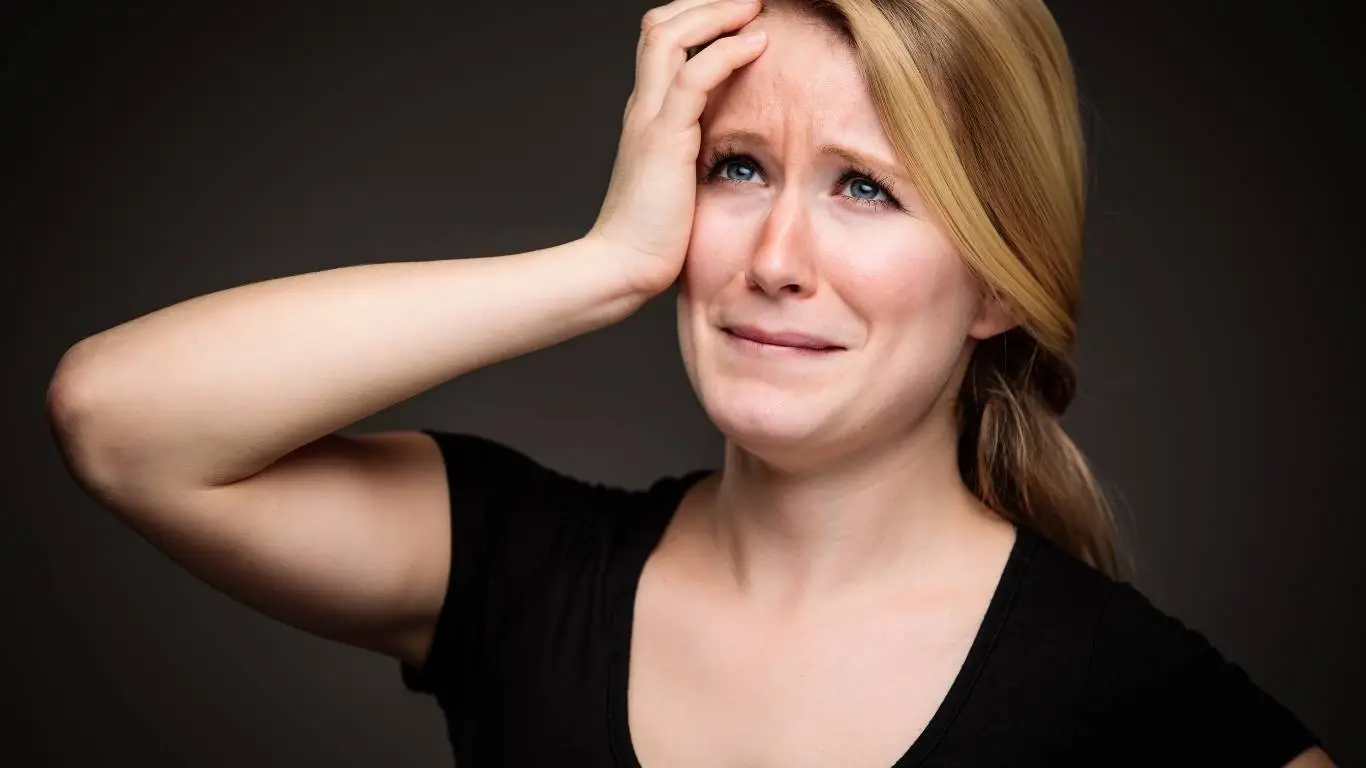
Let’s be real. Anxiety-related vision issues are terrifying because they can mimic serious medical conditions. If you’re experiencing:
- Sudden vision loss
- Persistent double vision
- Sharp eye pain or severe headaches with visual auras
— it’s time to consult a professional immediately. Do not chalk everything up to anxiety. An ophthalmologist or neurologist can rule out critical concerns.
That said, if your tests come back normal, it’s essential to focus on anxiety management strategies. I found cognitive behavioral strategies particularly useful, especially the ones outlined in this practical CBT steps guide.
Take Control: Reducing Anxiety’s Grip on Your Senses
For years, I felt like a prisoner to these unpredictable vision problems, but understanding the link between anxiety and sensory distortions changed everything. The trick is to manage anxiety holistically — through therapy, lifestyle tweaks, and sometimes, medical intervention when needed.
If you’re noticing that anxiety is bleeding into every aspect of your daily routine, not just your vision, it’s time to look at the bigger picture. Here’s a must-read on how anxiety can quietly disrupt your entire routine. It’s eye-opening, literally and figuratively.
And if you’re curious about why anxiety seems to silently control so many parts of your life, this in-depth article on the hidden control anxiety has over daily life is a must-read.

Camellia Wulansari is a dedicated Medical Assistant at a local clinic and a passionate health writer at Healthusias.com. With years of hands-on experience in patient care and a deep interest in preventive medicine, she bridges the gap between clinical knowledge and accessible health information. Camellia specializes in writing about digestive health, chronic conditions like GERD and hypertension, respiratory issues, and autoimmune diseases, aiming to empower readers with practical, easy-to-understand insights. When she’s not assisting patients or writing, you’ll find her enjoying quiet mornings with coffee and a medical journal in hand—or jamming to her favorite metal band, Lamb of God.